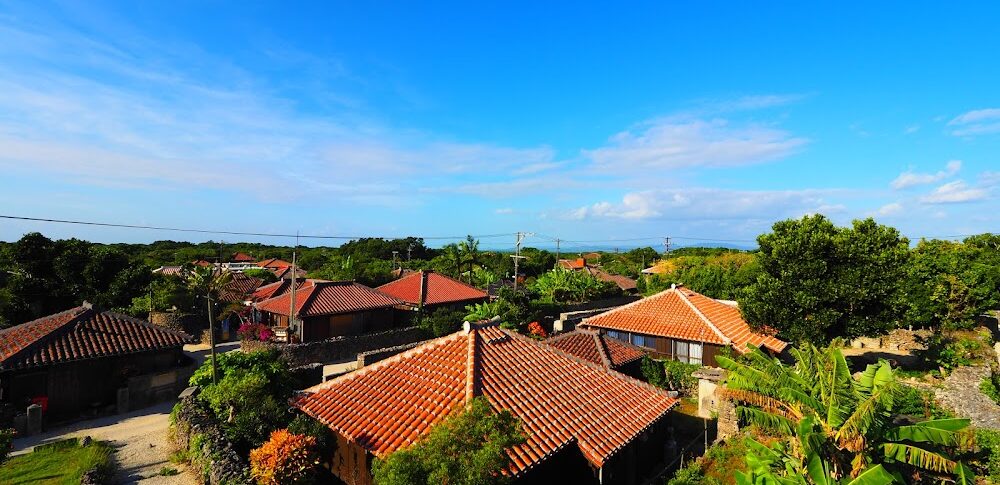
“Non Non Biyori Vacation” is a theatrical version of the hugely popular anime series that was released on August 25, 2018. The story follows five students—Renge and her friends—attending a rural branch school as they embark on a trip to Okinawa, with the beautiful natural scenery and culture of Okinawa depicted carefully. This article comprehensively introduces the filming locations in Taketomi Island and Ishigaki Island for those planning to undertake an actual pilgrimage to these sacred sites.
What is “Non Non Biyori Vacation”?
“Non Non Biyori” is an anime series based on a manga work by At, a daily-life genre work set at a rural branch school facing depopulation. In the theatrical version, five people—Renge, Hotaru, Natsumi, Komari, and the candy shop owner—enjoy a three-night, four-day trip to Okinawa using travel vouchers they won through a lucky draw.
The greatest feature of this work is its faithful recreation of real tourist destinations in Okinawa Prefecture. Taketomi Island in particular becomes an important setting in the film, with numerous scenes featuring the island’s traditional streetscapes and beautiful beaches. Because the production staff actually conducted fieldwork at the location and depicted details carefully, this work is worthwhile for a pilgrimage to sacred sites.
Basic Information for Okinawa Sacred Site Pilgrimage
Locations of Major Sacred Sites
The sacred sites from the theatrical version of Non Non Biyori Vacation are primarily concentrated in two areas:
Taketomi Island (Taketomi Town, Yaeyama District, Okinawa Prefecture)
- The location where most scenes were filmed in the work
- Characterized by traditional red-tiled-roof settlements and beautiful beaches
- About 10 minutes by high-speed ferry from Ishigaki Island
Ishigaki Island (Ishigaki City, Okinawa Prefecture)
- New Ishigaki Airport (Naminoue Island Ishigaki Airport) is the gateway
- A transit point to Taketomi Island
- Featured in some scenes
Number of Days Required for Sacred Site Pilgrimage
To efficiently visit major spots, a minimum of two nights and three days is recommended. For a more leisurely pilgrimage, three nights and four days is ideal. Planning your trip over the same three nights and four days as the work allows you to immerse yourself more deeply in the world of the film.
Best Season
Considering Okinawa’s climate, April through June or September through November are suitable for sacred site pilgrimages. Summer (July–August) coincides with typhoon season and carries the risk of ferry cancellations, so caution is necessary. However, if you wish to experience the summer vacation atmosphere depicted in the work, choosing summer is also an option.
Detailed Information on Major Sacred Sites in Taketomi Island
Kondoi Beach
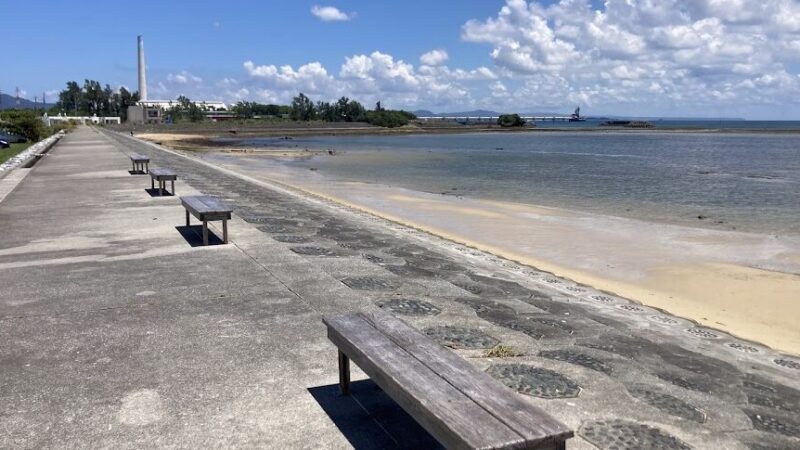
The location where Renge and friends first play in their swimsuits. A shallow beach located on the western part of Taketomi Island, characterized by highly transparent seawater and white sand.
Highlights
- You can recreate the scene where Renge enters the sea
- The shallow waters and gentle waves make it safe to enjoy swimming
- Known as a scenic spot with beautiful sunsets
Access
- About 15 minutes by bicycle from Taketomi Port
- Generally visited after renting a bicycle or taking a water buffalo cart tour
Photography Tips
- The lighting from morning through early afternoon most closely matches the film
- The angle overlooking the sea from near the beach entrance is impressive
Nishi Pier (Nishi Sanbashi)
A most important spot symbolizing the theatrical version, also depicted in key visuals. A pier where ferries between Taketomi Island and Iriomote Island once departed, now maintained as a tourist attraction.
Highlights
- Scenes of the five characters sitting side by side can be recreated
- Known as a sunset spot, particularly beautiful during sunset hours
- Designated as a registered tangible cultural property of Japan
Photography Tips
- The key visual angle is shot from the land side of the pier
- After 4 PM is optimal for sunset photography
- The sea view from the pier’s tip is also a must-see
Notes
- Diving from the pier is prohibited
- Early arrival is recommended as it gets crowded during sunset hours
Taketomi Island Settlement (Traditional Building Preservation District)
The traditional red-tiled-roof settlement where Renge and friends stay at a guesthouse and explore the island, appearing in strolling scenes. The scenery with stone walls and blooming bougainvillea is impressive.
Major Spots
Area Around Nagomi Tower
- A viewing spot overlooking the settlement (currently may be inaccessible due to deterioration)
- The surrounding alleys appear numerous times in the film
Alleys Within the Settlement
- Scenery with red-tiled roofs and stone wall paths
- You can see water buffalo carts passing through
- You can re-experience the strolling scenes from the film
Photography Points
- Soft morning light beautifully illuminates the stone walls and red tiles
- Compositions utilizing the depth of alleys are recommended
- Be mindful that this is a living space for residents when photographing
Kaiji Beach (Star Sand Beach)
A beach famous for finding sand shaped like stars (shells of foraminifers). This became the setting for a scene in the film where Renge and friends enjoy searching for star sand.
Experience Contents
- Star sand searching (only small quantities may be collected)
- Walking along beautiful coastlines
- Re-enacting scenes from the film through photography
Access
- About 5 minutes by bicycle from Kondoi Beach
- About 20 minutes by bicycle from Taketomi Port
Points
- The star sand searching experience is enjoyable for both children and adults
- Swimming is not recommended due to strong tidal currents
- Collect only small amounts of star sand naturally found on the beach
Guest House (Model Accommodation)
The model for the guesthouse where Renge and friends stay is a real accommodation facility on Taketomi Island. The specific facility name is not officially disclosed out of consideration for the business, but the exterior of a traditional red-tiled-roof guesthouse is carefully depicted in the film.
Ways to Enjoy the Pilgrimage
- Experience the film’s atmosphere by actually staying at a guesthouse on Taketomi Island
- Observe traditional red-tiled-roof architectural styles
- Enjoy the island’s quiet nights and starry sky
Akayama Observation Platform
A small hill in the center of Taketomi Island offering a view of the entire island. It appears in scenes in the film that capture the island’s full landscape.
Features
- 360-degree panoramic view
- A complete view of the settlement’s red-tiled roofs
- A relatively undiscovered spot with fewer tourists
Sacred Sites on Ishigaki Island
New Ishigaki Airport (Naminoue Island Ishigaki Airport)
The location where Renge and friends first arrive, appearing in opening scenes. A relatively new airport opened in 2013, characterized by an open design befitting the tropics.
Highlights
- The atmosphere of the arrival lobby is recreated in the film
- The airport exterior also appears in some scenes
- Rich decorations and souvenir shops reflecting Okinawan character
Sacred Site Pilgrimage Points
- Take photographs upon arrival while recalling film scenes
- Airport also provides access information to Taketomi Island
Ishigaki Port Inter-Island Terminal
The port where ferries to Taketomi Island depart and arrive. It appears in movement scenes in the film and is a crucial location you will definitely use in your actual pilgrimage.
Facility Information
- Multiple ferry companies operate services to Taketomi Island
- Well-equipped with waiting rooms, shops, coin lockers, and more
- Tourism information for various islands is available
Usage Points
- Over 20 ferries to Taketomi Island operate daily during peak season
- Round-trip ticket purchases are economical
- Travel time is approximately 10 minutes
Practical Model Courses for Sacred Site Pilgrimage
Day 1: Arrival at Ishigaki Island and Transfer to Taketomi Island
Morning
- Arrive at New Ishigaki Airport (photograph film scenes)
- Transfer by bus to Ishigaki Port Inter-Island Terminal (approximately 30 minutes)
- Board ferry to Taketomi Island (approximately 10 minutes)
Afternoon
- Upon arrival at Taketomi Port, rent a bicycle
- Check in at your guesthouse
- Swim and photograph at Kondoi Beach
- Search for star sand at Kaiji Beach
Evening
- Sunset photography at Nishi Pier (most important spot)
- Dinner at your guesthouse
Day 2: Exploration of Taketomi Island Settlement
Morning
- Explore the settlement by bicycle or on foot
- Re-enact film scenes through photography in red-tiled-roof alleys
- Explore the area around Nagomi Tower
- Enjoy views from Akayama Observation Platform
Afternoon
- Water buffalo cart tour (optional)
- Rest at a café within the settlement
- Visit remaining sacred sites
Evening
- Return to Nishi Pier for sunset from a different angle
- Explore the settlement at night (stargazing)
Day 3: Reserve Day or Ishigaki Island Sightseeing
Morning
- Visit any remaining unshot locations on Taketomi Island
- Or return to Ishigaki Island for city sightseeing
Afternoon
- Purchase souvenirs around Ishigaki Port
- Transfer to airport and begin return journey
Access Methods and Transportation for Sacred Site Pilgrimage
Access from Okinawa Main Island
Airplane
- Approximately 1 hour from Naha Airport to New Ishigaki Airport
- Operated by JAL, ANA, Solaseed Air, Peach, and others
- One-way fares from around ¥10,000 with early booking
Direct Flights
- Tokyo (Haneda/Narita) to New Ishigaki Airport in approximately 3 hours
- Osaka (Kansai/Itami) in approximately 2 hours 40 minutes
- Direct flights are more efficient but more expensive
Access from Ishigaki Island to Taketomi Island
Ferry Companies
- Yaeyama Kanko Ferry
- Anei Kanko
- Ishigaki Island Dream Kanko
Fares
- Round-trip: ¥1,340 for adults, ¥690 for children (as of 2024)
- Day-trip plans including round-trip ferry and bicycle rental are also available
Operating Times
- First departure: approximately 7:30 AM
- Final departure: approximately 5:30 PM (varies by season)
- Travel time: approximately 10 minutes
Transportation Within Taketomi Island
Bicycle Rental
- The most common and flexible transportation method
- Fees: ¥1,000 for 2 hours, approximately ¥1,500 for a full day
- Rental shop staff will guide you upon arrival at the port
- Electric bicycles are also available (at premium rates)
Walking
- The island’s circumference is approximately 9 km, walkable
- Walking around the settlement is recommended
- Ideal for those who want to photograph slowly while exploring
Water Buffalo Cart
- Circular tour of the settlement in approximately 30 minutes
- Fee: approximately ¥1,500 for adults
- Recommended for first-time visitors with guided information
- A traditional tourist style also featured in the film
Car Rental and Motorcycles
- Car rentals are not recommended for general tourists on Taketomi Island
- Island roads are narrow; bicycles and walking are the standard
Economical Ways to Enjoy Sacred Site Pilgrimage
Airfare Savings Strategies
Early Booking Discounts
- Utilize early bird discounts (75 days, 55 days, 28 days prior, etc.)
- LCC fares can be under ¥10,000 one-way
Package Tours
- Airfare + hotel packages are often cheaper than individual bookings
- Compare options on Rakuten Travel, Jalan, JTB, and others
Using Miles and Points
- Obtain award flights using JAL and ANA miles
- Payment using Rakuten Points, T Points, and others is possible
Lodging Cost Savings
Guesthouse Stays
- Taketomi Island guesthouses with two meals cost approximately ¥8,000–¥12,000 per night
- Experience the film’s atmosphere while being economical
- Early booking secures your preferred accommodation
Staying on Ishigaki Island
- More lodging options than Taketomi Island
- Business hotels available from around ¥5,000 per night
- Day-trip options to Taketomi Island are available
Money-Saving Tips at Your Destination
Bicycle Rental
- Some shops offer discounts for multi-day rentals
- Regular bicycles suffice, though electric ones are more convenient
Meals
- Limited dining options on Taketomi Island at somewhat high prices
- Consider purchasing food on Ishigaki Island to bring along (confirm with your guesthouse)
- Eat lunch on Ishigaki Island as an alternative
Ferry Tickets
- Round-trip tickets are cheaper than individual one-way purchases
- Some ferry companies offer online booking discounts
Sacred Site Pilgrimage Etiquette and Precautions
Photography Etiquette
Consideration for Residents
- Taketomi Island is home to approximately 350 people
- Do not enter private property without permission
- Be mindful of residents appearing in photographs and respect their privacy
Rules in the Settlement Preservation District
- Do not climb stone walls or damage plants
- Always take your trash with you
- Be quiet and avoid loud conversations
Photography Equipment
- Use tripods in locations that don’t obstruct passage
- Drone use requires prior permission
Environmental Considerations
Beach Etiquette
- Do not mass-collect coral or shells
- Only collect small amounts of star sand (collecting for commercial purposes is illegal)
- Choose reef-safe sunscreen
Ecosystem Protection
- Do not feed wild animals
- Do not collect plants
- Avoid straying from designated paths
Safety Precautions
Weather and Clothing
- Okinawa’s sun is extremely strong (sun protection essential)
- Watch for heat exhaustion in summer (drink water frequently)
- Carry rain gear for sudden showers
Marine Safety
- Kaiji Beach has strong currents and is not recommended for swimming
- Even at Kondoi Beach, be careful not to be swept out to sea
- Watch for dangerous creatures like box jellyfish (especially in summer)
Health Management
- Bicycle travel is more physically demanding than expected
- Take regular breaks and drink water
- Wear hats or carry umbrellas as there are few shaded areas
Packing List for Sacred Site Pilgrimage
Essential Items
- Airline tickets and ferry tickets (e-tickets acceptable)
- ID
- Cash (many shops on the island don’t accept cashless payments)
- Smartphone (maps, photography)
- Mobile battery
- Sunscreen (SPF 50 or higher recommended)
- Hat and sunglasses
- Drinking water
Helpful Items
- Blu-ray/Art Book (for scene comparison)
- Camera (for professional photography beyond smartphone photos)
- Spare batteries and SD cards
- Umbrella and rain gear
- Insect repellent spray
- Beach sandals (for beach exploration)
- Swimsuit and towel (for swimming)
- Plastic bags (for wet items or star sand)
- First aid supplies (motion sickness and digestive medicine, etc.)
Photography Equipment
- SLR or mirrorless camera
- Wide-angle lens (optimal for landscape photography)
- Tripod (for sunset and starry sky photography)
- ND filter (for daytime seascapes)
- Waterproof case (for beach photography)
Information to Further Enjoy Sacred Site Pilgrimage
Preparing and Reviewing the Work
Viewing Methods
- Blu-ray and DVD (special features may include sacred site information)
- Streaming services (regularly available)
- Theater screenings of the film (held for anniversaries and special events)
Related Publications
- Original manga (travel arc episodes)
- Drama CDs (prequel to theatrical version included)
- Official guidebooks and setting collections
Information Gathering via Social Media
Hashtags
- #のんのんびより聖地巡礼
- #のんのんびよりばけーしょん
- #竹富島
- #アニメツーリズム
Points to Note
- Gather up-to-date information from other pilgrims’ posts
- Be mindful of location data in your posts (avoid identifying certain locations like guesthouses)
- Post with consideration for copyright
Connections with Locals
Efforts on Taketomi Island
- Some shops may have work-related merchandise or displays
- Approach tourism with respect for local culture and history
- Support the island’s economy by purchasing local products
Anime Tourism Association
- “Non Non Biyori Vacation” is officially recognized as a sacred site
- Check the official website for the latest sacred site information
Understanding Taketomi Island’s Culture and History
Traditional Architecture
The red-tiled-roof houses of Taketomi Island transmit traditional Okinawan architectural styles, valuable cultural heritage. To withstand typhoon winds, stones are placed on roofs and houses are surrounded by stone walls. Carefully depicted in the film, sacred site pilgrimage allows you to learn about Okinawan architectural culture.
History of Water Buffalo Carts
The water buffalo cart tours on Taketomi Island utilize buffalo that were once used for farming and transport as a tourism resource. Moving at the buffalo’s slow pace while hearing island information accompanied by sanshin music, this experience also featured in the film serves as a good opportunity to learn about island history and culture.
Star Sand Legend
The star sand at Kaiji Beach carries a legend from Okinawa. While star sand is actually the shells of foraminifers, it has a beautiful legend of being “fallen stars from the Milky Way,” and the film scene where Renge and friends enjoy searching for star sand is based on this cultural background.
Combining Sacred Site Pilgrimages with Other Okinawa Anime Locations
Okinawa Prefecture is the setting for many anime works beyond “Non Non Biyori.” If time permits, visiting multiple sacred sites is also recommended.
Around Ishigaki Island
- Other anime works’ settings exist in Ishigaki Island city areas
- Nearby islands like Iriomote and Kohama are also popular tourist destinations
Naha and Okinawa Main Island
- Settings for numerous anime works
- Abundant famous tourist attractions including Shuri Castle and Kokusai Street
Seasonal Attractions
Spring (March–May)
- Temperature: Approximately 20–28 degrees, comfortable weather
- Beach season: Available from mid-March
- Flowers: Beautiful blooming bougainvillea
- Advantages: Relatively few tourists, leisurely pilgrimage
Summer (June–August)
- Temperature: 28–33 degrees, hot and humid
- Experience the same summer vacation atmosphere as the film
- Peak transparency in the sea
- Caution: Typhoon season, ferry cancellation risk
Autumn (September–November)
- Temperature: 24–30 degrees, gradually more comfortable
- Still typhoon risk in September, but stabilizes after October
- Beautiful sunset period (optimal for Nishi Pier photography)
Winter (December–February)
- Temperature: 15–20 degrees, warmer than mainland Japan
- Swimming is cold (possible with wetsuits)
- Fewest tourists, quiet pilgrimage
- Relatively inexpensive airfare and lodging
Frequently Asked Questions and Answers
Q: What’s the optimal length of stay for a sacred site pilgrimage?
A: Two nights and three days to efficiently visit major spots, or three nights and four days for a leisurely pilgrimage. Planning over the same three nights and four days as the film allows deeper immersion in the work’s world.
Q: Should I stay on Taketomi Island or day-trip from Ishigaki Island?
A: For fully experiencing the film’s atmosphere, staying on Taketomi Island is strongly recommended. The quiet settlement and starry sky in evenings and nights cannot be experienced on a day-trip. However, major spots can be visited on a day-trip if budget is a concern.
Q: Is an electric or regular bicycle better for rental?
A: Taketomi Island is relatively flat, but electric bicycles are recommended for those sensitive to summer heat or low on stamina. Regular bicycles are sufficient, but electric ones are easier when visiting multiple beaches.
Q: Can solo sacred site pilgrimage be enjoyable?
A: Absolutely enjoyable solo. You gain the advantage of photographing at your own pace. Taketomi Island is safe for solo travel.
Q: Can you visit sacred sites on rainy days?
A: Possible with light rain, but actual rain makes bicycle travel difficult. On rainy days, consider switching to walking around the settlement or visiting indoor facilities like Taketomi Yugafu Hall.
Q: Can you stay at the guesthouse featured in the work?
A: The specific model guesthouse is not officially disclosed, but several traditional guesthouses on Taketomi Island exist where you can experience the film’s atmosphere. Mentioning your “Non Non Biyori sacred site pilgrimage” during booking may allow understanding proprietors to accommodate you specially.
Summary: Special Experiences from Sacred Site Pilgrimage
“Non Non Biyori Vacation” sacred site pilgrimage holds value beyond merely visiting anime filming locations. Taketomi Island’s beautiful nature, traditional culture, and leisurely pace embody the work’s theme of “taking it easy.”
By actually visiting the island, you can re-experience the emotion the characters in the film felt, deepening your understanding and affection for the work. Sunsets at Nishi Pier, the transparent sea at Kondoi Beach, and alleys of red-tiled roofs—all become irreplaceable memories.
Through pilgrimage, discover Okinawa’s culture and natural beauty, recognizing the region’s charm anew. Using the information in this article, plan your own unique “vacation.” It will surely become a special trip lasting in your heart, just like the film.
With “Nyanpasu!” greetings, enjoy your wonderful sacred site pilgrimage.