Yama no Susume and the Deep Connection with Hanno City, Saitama Prefecture
“Yama no Susume” is a popular manga series centered on mountain climbing by Shiro. Since its serialization began in 2011, it has been adapted into anime multiple times, and in 2022, the fourth season “Yama no Susume Next Summit” was broadcast. The greatest feature of this work is that numerous real locations centered on Hanno City in Saitama Prefecture appear throughout the story.
Hanno City is located in the southwestern part of Saitama Prefecture, with forests occupying approximately 75% of the city’s area, making it a naturally rich region. It was chosen as the setting for the work because of the appealing combination of good accessibility—approximately one hour by Seibu Ikebukuro Line from central Tokyo—and a rich natural environment. Main character Aoi and other characters in the series are depicted as living in Hanno City and enjoying mountain climbing on nearby mountains such as Tenran Mountain and Takakuchi Mountain.
With the popularity of the work, Hanno City has attracted attention from fans nationwide as an “anime sacred site.” Various spots featured in the work are scattered throughout the city, and many sacred site pilgrims visit on weekends. Hanno City has also actively engaged in collaborations with the work and is working on regional revitalization.
How to Access Hanno City
Access from the Tokyo Area
The main access to Hanno City in Saitama Prefecture is the Seibu Ikebukuro Line. Boarding the Seibu Ikebukuro Line from Ikebukuro Station, you can reach Hanno Station in approximately 50 minutes to 1 hour. If you use the Limited Express Red Arrow train, you can arrive in approximately 40 minutes, allowing for comfortable travel.
- Regular Train: Ikebukuro Station → Hanno Station (approximately 50–60 minutes)
- Limited Express Red Arrow: Ikebukuro Station → Hanno Station (approximately 40 minutes, limited express ticket required)
- Fares: Regular train 470 yen, limited express adds 700 yen for limited express ticket
Access by Car
If visiting by car, the nearest interchanges are “Sayama Hidaka IC” or “Ome IC” on the Kan-Etsu Expressway. From the metropolitan expressway via the Kan-Etsu Expressway, it takes approximately 1 hour. There are several coin parking lots around Hanno Station, with maximum daily rates of approximately 500–800 yen.
However, if you plan to walk around the city for sacred site pilgrimage, using public transportation is recommended. You won’t need to worry about parking, and you can feel the atmosphere of the work more deeply.
Sacred Sites Around Hanno Station
Hanno Station North Exit
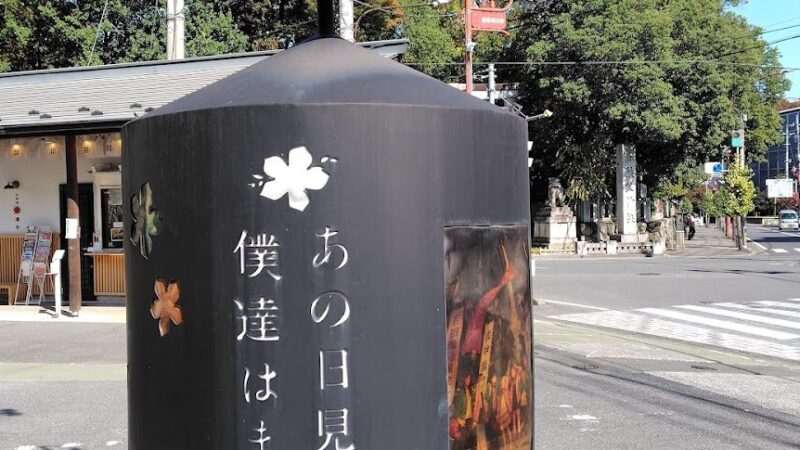
The north exit of Hanno Station, which serves as the starting point for sacred site pilgrimages, is an important location that appears from the first episode of the work’s first season. Numerous impressive scenes are depicted, such as the scene where Aoi and Hinata reunite. The rotunda in front of the station and the appearance of the station building are faithfully recreated, and visiting in person allows you to strongly feel the world of the work.
Inside the station, life-size panels and posters of “Yama no Susume” are displayed, which are must-see spots for fans to take commemorative photos. The tourist information center distributes sacred site pilgrimage maps, so it is recommended to stop by first.
Hanno Ginza Shopping Street
The Hanno Ginza Shopping Street, located about a 3-minute walk from the north exit of Hanno Station, is a shopping street that frequently appears in the work. It is depicted as a place where Aoi and friends shop and as everyday scenery they walk through.
Many stores on the shopping street collaborate with the work, with character panels and posters posted. The Japanese confectionery shop “Yamaichiyu” is particularly well-known for appearing in the work and selling Yama no Susume collaboration products. By actually walking through the shopping street, you can have a vicarious experience of the characters’ daily lives.
Hanno Central Park
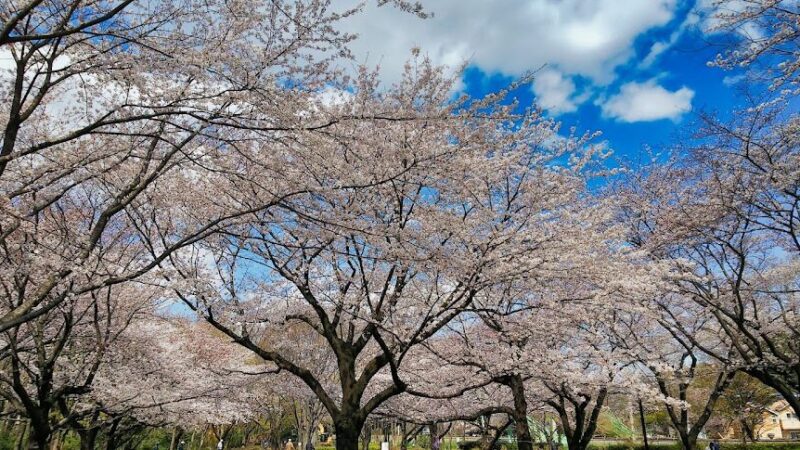
Hanno Central Park, located about a 10-minute walk from Hanno Station, is an important location that appears multiple times in the work. Benches, playground equipment, and cherry trees in the park are faithfully depicted, and the beautiful scenery can be enjoyed, especially during the cherry blossom season in spring.
The entrance to the hiking trail to Tenran Mountain is also nearby, and the park is used as a meeting place before hiking, just as in the work. The spacious grass area also makes it an ideal rest spot for sacred site pilgrimages.
Seibo Gakuen
The private Seibo Gakuen in Hanno City is the model for the high school attended by the main characters in the work. Located about a 15-minute walk from Hanno Station, the appearance of the school building and surrounding scenery appear in the work.
However, since Seibo Gakuen is an actual operating school facility, entry into the campus is prohibited. When visiting for sacred site pilgrimage, view the exterior only from the school gate or nearby public roads, and be considerate so as not to disturb students and school staff. Photography should be done only from public roads, and please be especially quiet during class hours.
Sacred Sites in the Tenran Mountain Area
Tenran Mountain Trailhead
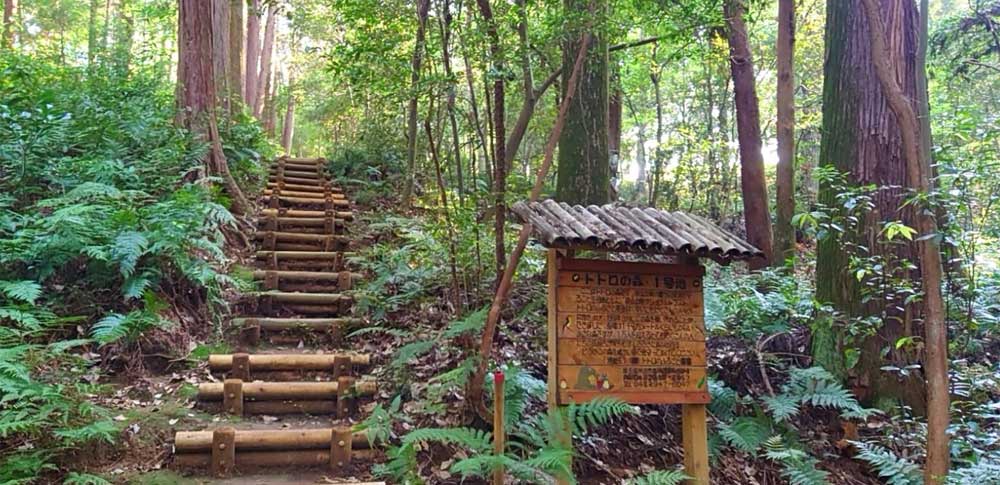
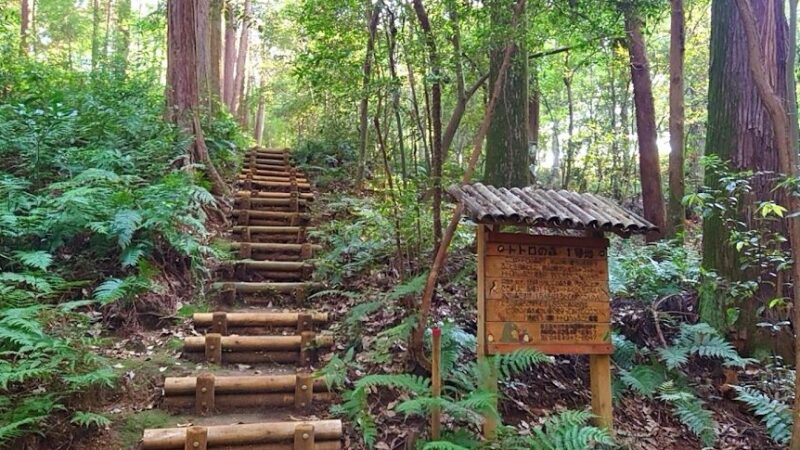
The Tenran Mountain trailhead is located about a 20-minute walk from Hanno Station or immediately after getting off at the “Tenran-yama-shita” bus stop from the north exit of Hanno Station. It is one of the most important sacred sites in “Yama no Susume,” serving as the stage where Aoi first challenges mountain climbing.
Around the trailhead, there are signs and guide boards that appear in the work, allowing you to compare and enjoy the pilgrimage with actual anime scenes. The course from the trailhead to the summit is approximately 15–20 minutes, suitable for beginners, where you can enjoy mountain climbing casually just as in the work.
Tenran Mountain Summit (Elevation 197m)
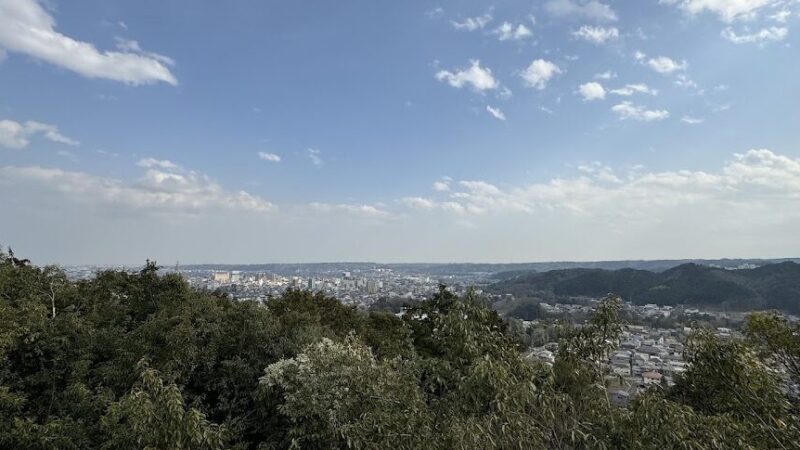
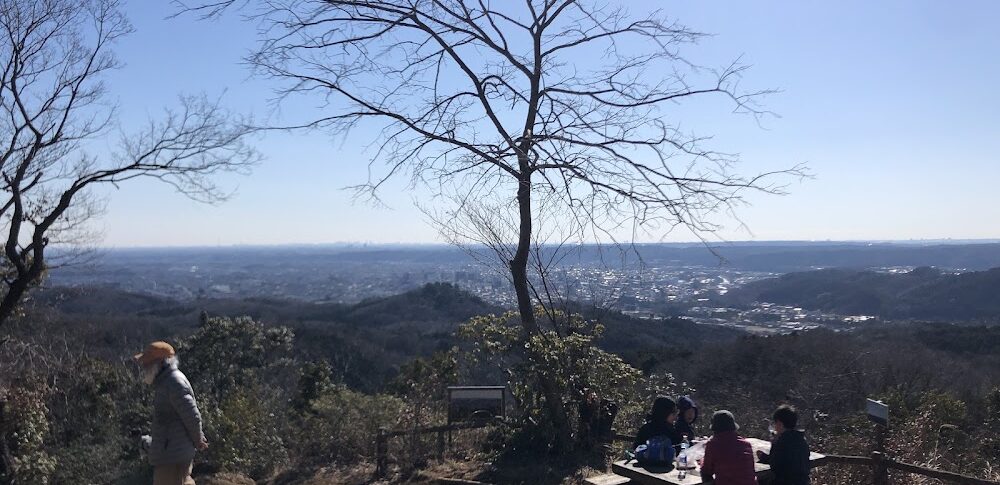
The summit of Tenran Mountain is a spectacular viewing spot that overlooks Hanno City, with numerous impressive scenes depicted in the work. The view from the summit where Aoi and Hinata first climbed together is a must-visit place for fans.
There is an observation deck at the summit, and on clear days, you can see as far as Tokyo Skytree and the high-rise buildings of Shinjuku. The same benches that appear in the work are also installed, allowing you to enjoy the scenery from the same perspective as the characters. Although the elevation is low, it is a charming spot where you can experience a sense of accomplishment and beautiful scenery.
Mikaeri Slope
Mikaeri Slope, located on the way from Tenran Mountain to Takakuchi Mountain, is a place that appeared impressively in the first season of the work. It is a steep stone staircase, and scenes of Aoi struggling to climb it are depicted.
When you actually visit, you can experience the steep gradient as depicted in the work. Although it can be somewhat difficult for hiking beginners, climbing it while recalling scenes from the work allows you to empathize with the characters’ feelings.
Sacred Sites Along the Hanno River
Hanno Riverbed
Located about a 15-minute walk from the south exit of Hanno Station, the Hanno Riverbed is a place of recreation for citizens along the Iruma River. In the work, it appears as the setting for summer barbecue and camping scenes, depicting characters enjoying water play.
The riverbed has a spacious area where barbecuing and camping can actually be enjoyed (requires reservation and payment). During summer, it is busy with families, and river activities can be enjoyed. Like in the work, it is a charming spot where you can fully enjoy outdoor activities in nature.
Wariage Bridge
The red suspension bridge “Wariage Bridge” that spans the Hanno Riverbed is a symbolic location that appears multiple times in the work. The view from the bridge and the appearance of the bridge itself are faithfully depicted, making it a popular photography spot.
The sensation of the bridge swaying as you cross it and the beauty of the clear stream seen from the bridge are charms that can only be experienced by actually visiting. Especially during the new greenery season and autumn foliage period, you can enjoy beautiful scenery harmonizing with the surrounding nature.
Sacred Sites in the Naguri Lake Area
Access to Naguri Lake (Arima Dam)
Naguri Lake is located in the deepest part of Hanno City and is an important sacred site that appears in the fourth season of Yama no Susume. From Hanno Station, take the Kokusai Kogyo Bus heading to “Naguri Shako” or “Yunozawa,” arriving in approximately 1 hour.
- Bus Route: Hanno Station North Exit → Naguri Shako (approximately 50 minutes) → Sawarabi no Yu (approximately 5 minutes)
- Fare: Approximately 900 yen one-way
- Service Frequency: Approximately 5–7 buses daily (varies by season)
Since bus service is limited, it is important to check the timetable in advance and plan your trip accordingly. Considering the travel time for both directions, it is recommended to allow half a day or more.
Highlights of Naguri Lake
Naguri Lake (Arima Dam) is a dam completed in 1968 and operated by the Saitama Prefectural government, surrounded by rich nature. In the work, it appears in the fourth season, episode 6, where Aoi and friends enjoy hiking.
Walking trails have been established around the lake, and there is also a hiking course that circles the lake. You can enjoy the seasonal changes in nature, with particular beauty during the new greenery season and autumn foliage period. The scenery of mountains reflected on the lake surface is also popular as a photography spot.
Sawarabi no Yu
“Sawarabi no Yu,” a day-trip hot spring facility near Naguri Lake, is an ideal spot to heal the fatigue of sacred site pilgrimage. It appears in the work as a hot spring facility where characters enjoy bathing after mountain climbing.
- Hours: 10:00–18:00 (last entry 17:00)
- Closed: Wednesdays (if a national holiday, the following day)
- Admission: Adults 900 yen, children 450 yen
- Hot Spring Type: Alkaline simple hot spring
The outdoor bath overlooks the natural scenery of Naguri, allowing for relaxing bathing, and there is also a restaurant serving meals made with local ingredients. It is conveniently located just a short walk from the “Sawarabi no Yu” bus stop.
Efficient Sacred Site Pilgrimage Model Courses
Half-Day Course (Around Hanno Station)
For those with limited time, this half-day course efficiently covers major spots walkable from Hanno Station.
Estimated Time: Approximately 4–5 hours
- Hanno Station North Exit (commemorative photo, obtain map at tourist information center)
- Hanno Ginza Shopping Street (3-minute walk)
- Hanno Central Park (10-minute walk)
- Tenran Mountain Trailhead (15-minute walk)
- Tenran Mountain Summit (20-minute hike)
- Hanno Riverbed / Wariage Bridge (20-minute walk after descent)
- Hanno Station (15-minute walk)
This course allows you to efficiently visit major sacred sites of the work. Since it includes climbing Tenran Mountain, comfortable clothing and shoes are necessary.
Full-Day Enjoyment Course
A course that comprehensively covers Hanno City’s sacred sites over an entire day.
Estimated Time: Approximately 8–9 hours
- Hanno Station (depart at 8:00 AM)
- Hanno Ginza Shopping Street
- Around Seibo Gakuen (exterior view only)
- Tenran Mountain / Takakuchi Mountain hike (approximately 3 hours)
- Lunch break at Hanno Riverbed
- Hanno Central Park
- Detailed spot touring around the city
- Hanno Station (around 5:00 PM)
If you have the stamina, extending to Takakuchi Mountain (elevation 271m) allows for a more fulfilling hiking experience.
Naguri Lake Expedition Course
A course that extends into the deepest part of Hanno City, centered on Naguri Lake.
Estimated Time: 1 day (early morning departure recommended)
- Hanno Station (board 8:00 AM bus)
- Arrive at Naguri Lake (around 9:00 AM)
- Explore Naguri Lake area / hiking (2–3 hours)
- Bathe at Sawarabi no Yu / lunch (12:00 PM–2:00 PM)
- Return to Hanno Station by bus (depart around 3:00 PM)
- Lightly tour sacred sites around Hanno Station (4:00 PM–5:00 PM)
It is necessary to check the bus timetable in advance to avoid missing your bus. Since the Naguri Lake area has abundant nature but few commercial facilities, it is reassuring to bring drinks and light snacks.
Ways to Enjoy Sacred Site Pilgrimage and Etiquette
Photography Tips
In sacred site pilgrimages of “Yama no Susume,” taking photos at the same angles as anime scenes, known as “work comparison,” is popular. Preparing anime screenshots in advance makes it easier to find the same composition at the site.
The Hanno City Tourism Association’s website offers downloadable official sacred site pilgrimage maps with detailed locations of each spot. Using these in combination with your smartphone’s GPS function allows for efficient pilgrimage.
Etiquette to Observe
Sacred site pilgrimages take place within local residents’ living areas, making it extremely important to observe proper etiquette.
- No trespassing on private property: Particularly at school facilities like Seibo Gakuen, do not enter the campus
- Be mindful of noise: Avoid speaking loudly in residential areas, and refrain from pilgrimages during early morning or late evening hours
- Take trash with you: To protect the natural environment, always take all trash with you
- Follow traffic rules: Be cautious of vehicles when photographing on roads, and do not obstruct passage
- Make purchases at shops: Maintain awareness of contributing to the local economy
Good relationships with local residents are essential for sacred site pilgrimages to continue. Each individual should observe etiquette and protect the image of the work and its fans.
Hanno City Yama no Susume Collaboration Information
Collaboration Facilities in the City
Hanno City actively develops collaborations with “Yama no Susume,” implementing collaborative projects at various locations throughout the city.
The Hanno City Tourist Information Center sells original merchandise and distributes sacred site pilgrimage maps. Limited merchandise is highly popular and often sells out quickly, so visiting early is recommended.
Multiple stores on Hanno Ginza Shopping Street sell Yama no Susume collaboration menus and original products. The collaboration Japanese sweets from the confectionery shop “Yamaichiyu” are popular as souvenirs.
Event Information
Throughout the year, Hanno City hosts events related to “Yama no Susume.”
- Yama no Susume Stamp Rally: An event where visitors collect stamps by visiting sacred sites around the city (held in spring and autumn)
- Anime Tourism Agreement Events: Voice actor talk shows and panel exhibitions
- Hanno Festival: A citizen’s festival held in November featuring Yama no Susume collaboration booths
The latest event information can be found on the Hanno City Tourism Association’s official website and official Twitter.
Furusato Tax Return Items
In Hanno City’s furusato tax program, Yama no Susume collaboration goods are offered as return items. Sunglasses, towels, and exclusive merchandise are among many limited-edition items available only here. For fans, it is an attractive system that allows them to support the work while contributing to the community.
Surrounding Hiking Spots
Takakuchi Mountain (Takakuchi-san)
Takakuchi Mountain, with an elevation of 271m, is a popular hiking spot accessible via ridge walk from Tenran Mountain. It appears in the work and offers more serious hiking than Tenran Mountain. The view from the summit is even more impressive than Tenran Mountain, overlooking Hanno City and the Okumashio mountains.
The ridge walk course from Tenran Mountain to Takakuchi Mountain takes approximately 1 hour and is easy for beginners to attempt. The typical descent route is towards Ontake Hachiman Shrine.
Bonoori Mountain (Bonoori Peak)
Bonoori Mountain, with an elevation of 969m, is a serious hiking spot accessible from the Naguri Lake area. It appears in the work and features a beautiful streamside course.
The trailhead is located near “Sawarabi no Yu,” with a round-trip course of approximately 5–6 hours. The course includes stream climbing elements and remains cool even in summer. This is an intermediate course, but fans of the work should consider trying this mountain.
Izugaki Mountain
Izugaki Mountain, with an elevation of 851m, can be climbed from Shogaru Station on the Seibu Ikebukuro Line and appears in the work. It features a thrilling course with chain sections and is suitable for beginners to intermediate hikers.
The view from the summit is wonderful, and on clear days, Mount Fuji can be seen. From Hanno Station, Shogaru Station, the nearest trailhead, is approximately 15 minutes by train.
Highlights by Season
Spring (March–May)
Spring in Hanno City is a beautiful season for cherry blossoms and fresh greenery. The cherry blossoms at Hanno Central Park are magnificent, and cherry blossom scenes appear in the work. Tenran Mountain and Takakuchi Mountain also have budding new greenery, offering refreshing hiking.
The temperature is mild, making it an ideal season for sacred site pilgrimage. However, Golden Week is crowded, so visiting on weekdays is recommended.
Summer (June–August)
Summer is the most bustling season at the Hanno Riverbed. The area is crowded with families enjoying river activities and barbecuing, where you can fully enjoy waterside activities just like in the work.
While hiking requires heat countermeasures, early morning or evening hikes are relatively comfortable. The Naguri Lake area is cooler than the city center and is also popular as a retreat from heat.
Autumn (September–November)
Autumn is the season of autumn foliage, when Hanno City’s nature is most beautifully colored. Tenran Mountain, Takakuchi Mountain, and the Naguri Lake area are known as foliage viewing spots, with the best season being from late October to mid-November.
The climate is also ideal for hiking, making it the best season for sacred site pilgrimage. The Hanno Festival is also held in November, where Yama no Susume collaboration events can be enjoyed.
Winter (December–February)
Winter in Hanno City has clear air, and the view from Tenran Mountain is best during this season. Snow rarely accumulates, but cold-weather precautions are essential.
There are fewer tourists, allowing for a leisurely sacred site pilgrimage. However, since sunset comes early, try to start your activities early.
Accommodation and Dining Information
Lodging Facilities in Hanno City
There are several business hotels and inns in Hanno City. For visitors from far away, staying one night and enjoying sacred site pilgrimage the next day is recommended.
- Marroad Inn Hanno: A conveniently located hotel, 3-minute walk from Hanno Station North Exit
- Kyuka-mura Okumashio: A lodging facility surrounded by nature in the Naguri area
- Minshuku / Pensions: Small lodging facilities are scattered throughout the Naguri area
You can choose based on budget and purpose. Weekends and holidays are crowded, so early reservations are safe.
Recommended Dining
Hanno City has numerous dining spots that utilize local ingredients.
Sweeato Poteto is a popular café near Hanno Station that also appears in the work. With delicious sweet potatoes and cakes, it is perfect for a break during sacred site pilgrimage.
Gusto Hanno Branch also appears in the work and is known among fans as “sacred site Gusto.” It is a standard spot where you can eat affordably.
The Hanno Ginza Shopping Street has traditional restaurants and confectionery shops lined up, where you can enjoy local flavors. Japanese sweets from “Yamaichiyu” are particularly ideal as souvenirs.
Enjoying the Work More Deeply
Differences Between Original Manga and Anime
“Yama no Susume” has different depictions and direction between the original manga and anime. Checking both before sacred site pilgrimage allows you to enjoy the work’s world more deeply.
The anime spans from season one to season four, with different sacred sites appearing in each season. Particularly in season four “Next Summit,” many new sacred sites appear, so it is recommended to watch through the latest episodes.
Basic Mountain Climbing Knowledge
“Yama no Susume” is a work centered on mountain climbing, and actually experiencing climbing deepens understanding of the work. While Tenran Mountain is for beginners, basic equipment and knowledge are necessary.
- Clothing: Comfortable clothing, layering (wearing multiple layers) is fundamental
- Footwear: Trekking shoes or non-slip sneakers
- Essentials: Drinking water, towel, rain jacket, map
- Safety Measures: Check weather, avoid solo hiking, don’t overexert yourself
The characters in the work also grow while learning the basics of mountain climbing. Why not fans start hiking safely and enjoyably as well?
Summary: The Appeal of Yama no Susume Sacred Site Pilgrimage
Hanno City in Saitama Prefecture is a precious place where you can actually experience the world of “Yama no Susume.” With good accessibility—approximately one hour from Tokyo—and abundant natural scenery coexisting in a charming city, you can visit numerous spots that appear in the work.
Various sacred sites are scattered throughout the city, from shops around Hanno Station to hiking spots like Tenran Mountain and Takakuchi Mountain, to the Naguri Lake area deep in the mountains. You can enjoy sacred site pilgrimages at your own pace, from half a day to a full day.
Through sacred site pilgrimage, you can deepen your attachment to the work while discovering the appeal of hiking and outdoor activities, as well as the charm of the region. While observing etiquette, fully savor the work’s world and enjoy Hanno City’s nature and culture.
Why not experience the charm of mountain climbing and anime at Yama no Susume’s sacred site in Hanno City, Saitama Prefecture? Beautiful nature in all seasons and the world of the work await you.