What is Non Non Biyori?
“Non Non Biyori” is a Japanese manga work by Atto, serialized in KADOKAWA’s “Monthly Comic Alive” from November 2009 to April 2021. It is a comedy manga depicting the daily lives of students attending “Asahioka Branch School,” a rural school, and is loved by many fans.
It has also been adapted into anime, including the 1st season (2013), 2nd season “Non Non Biyori Repeat” (2015), 3rd season “Non Non Biyori Nonstop” (2021), and the theatrical film “Non Non Biyori the Movie: Vacation” (2018), making it a long-standing content supported by many fans.
Non Non Biyori’s Setting Model and Ibaraki Prefecture
About the Work’s Setting
The setting of “Non Non Biyori” is a peaceful countryside somewhere in Japan. The original author Atto does not use a specific location as a model, but instead builds the work’s world by drawing inspiration from multiple places, including the land where she lived during childhood and travel destinations.
This approach was also maintained in the anime production. The production staff conducted location scouting in multiple regions including Tokyo, Chiba, Saitama, Wakayama, and Niigata prefectures, incorporating the good qualities of each region while creating unique rural scenery for the work.
Why Ibaraki Prefecture Stands Out
There are several reasons why many fans search for information about the relationship between Non Non Biyori and Ibaraki Prefecture.
Similarity in Rural Scenery
In Ibaraki Prefecture, particularly in the northern and western parts of the prefecture, beautiful rural landscapes similar to those featured in the work can be found. Rice paddies, fields, satoyama (foothill woodland) scenery, old wooden schoolhouses—many elements exist that align with the world of Non Non Biyori.
Connection with Hitachinaka Seaside Railway
The Miki 300 train (formerly Miki Railway 300 Series) of Hitachinaka Seaside Railway has been used as a model for the train featured in the work. This railway is a local line running through Hitachinaka City in Ibaraki Prefecture, and its appearance running through a peaceful rural area overlaps with the atmosphere of the work.
Actual Pilgrimage Spots
Shimosato Branch School in Ogawa Town, Saitama Prefecture
In fact, the main pilgrimage site confirmed for Non Non Biyori is the “Ogawa Town Ogawa Elementary School Shimosato Branch School” in Hiki District, Ogawa Town, Saitama Prefecture. This defunct wooden schoolhouse serves as the model for Asahioka Branch School featured in the work.
- Opened: Meiji 7 (1874)
- Closed: Heisei 15 (2003)
- Abolished: Heisei 23 (2011)
This branch school matches many elements including the exterior and internal structure of the schoolhouse featured in the work and the surrounding landscape, and is recognized as a “sacred site” among fans.
Spots in Ibaraki Prefecture Where You Can Enjoy Non Non Biyori-like Scenery
There are many places in Ibaraki Prefecture where one can feel the world of Non Non Biyori.
Hitachi-Ota City and Daigo Town Area
This area in the northern part of the prefecture features beautiful rural scenery and satoyama. Daigo Town in particular maintains a nature-rich environment that can be called the original Japanese landscape, making it a worthwhile destination for Non Non Biyori fans.
Chikusei City and Sakuragawa City Area
These areas in the western part of the prefecture retain traditional agricultural village scenery. The combination of extensive rice paddies on the plains with Mount Tsukuba visible in the distance provides truly rural Japanese scenery.
Hitachinaka Seaside Railway Line
The Hitachinaka Seaside Railway, which served as the model for the train in the anime, is a local line connecting Katsuta Station to Ajigaura Station. Rural scenery spreads along the railway line, allowing you to feel a leisurely passage of time.
The Appeal of Non Non Biyori
Charm of the Characters
Main Characters
The center of the work is a group of distinctive students attending Asahioka Branch School.
- Renge Miyauchi: A 1st-grade elementary school student. A bright and innocent girl with a distinctive greeting “nyampasu”
- Hotaru Ichijo: A 5th-grade elementary school student who transferred from Tokyo. Though urban-raised, she adapts to rural life
- Natsumi Koshigaya: A 2nd-year middle school student. Full of energy and mischievous
- Komari Koshigaya: A 1st-year middle school student. Small and cute in appearance, but dependable in character
- Kazuho Miyauchi: A teacher at the branch school and Renge’s older sister. Has a laid-back personality
The Work’s World
The greatest appeal of Non Non Biyori is its portrayal of leisurely passage of time in the countryside away from urban hustle and bustle. The beautiful nature of each season, children’s pure daily lives, and human relationships unique to rural areas are carefully depicted, capturing values that are being lost in modern society.
Healing Elements
The work belongs to the “daily life anime” genre, with no major incidents or dramatic developments. Instead, small daily events, seasonal changes, and casual conversations between children are carefully depicted. This “nothing happening” quality is precisely what provides viewers with deep comfort.
Anime Series Development
Television Anime Series
Season 1 “Non Non Biyori” (2013)
The first anime adaptation. The beautiful depiction of rural scenery and the appealing daily lives of characters were highly praised, acquiring many fans.
Season 2 “Non Non Biyori Repeat” (2015)
Set in the same time period as Season 1, composed mainly of previously unshown episodes. True to the title “Repeat,” it depicts the same year from different perspectives.
Season 3 “Non Non Biyori Nonstop” (2021)
The timeline progresses, with stories unfolding over a new year. The content reflects the growth of the characters.
Theatrical Films
“Non Non Biyori the Movie: Vacation” (2018)
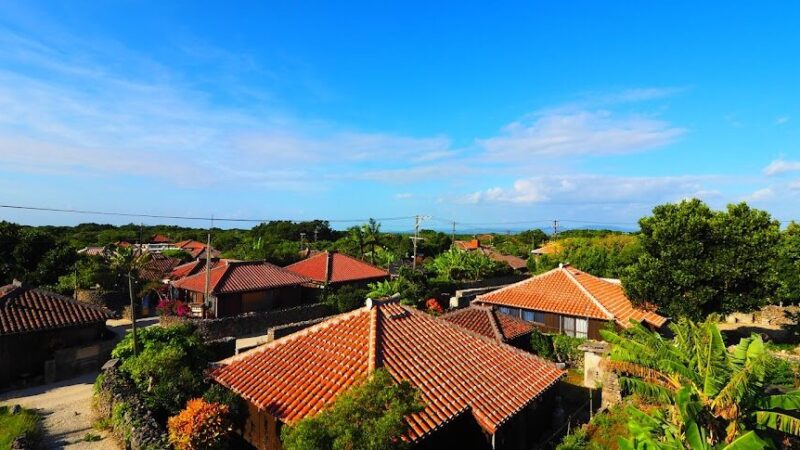
The story follows the branch school members on a trip to Okinawa to the home of Kazuho’s brother’s family. Daily life is depicted amid southern island scenery, different from their usual countryside.
Rural Tourism Spots in Ibaraki Prefecture
Places Where You Can Experience the Non Non Biyori World
Ibaraki Prefecture has numerous tourism spots where you can experience the world of Non Non Biyori.
Komorebi Mori no Ibaraide
An experiential agricultural park in Inashiki City. You can fully enjoy the countryside’s nature while interacting with animals and experiencing agriculture. It’s an ideal spot for spending leisurely time.
Museum Park Ibaraki Nature Museum
A nature-themed museum in Bando City. Vast nature spreads around the premises, and you can enjoy seasonal scenery throughout the year.
Hitachi Seaside Park (National Government Park)
A vast park in Hitachinaka City. Nemophila in spring and kochia in autumn—beautiful flowers bloom throughout the seasons. You can spend leisurely time in a spacious environment.
Enjoying Ibaraki’s Rural Scenery
Around Kasumigaura
The area around Kasumigaura, Japan’s second-largest lake by area, features beautiful rural scenery. Cycling roads are well-maintained, allowing you to move about leisurely while enjoying the view.
Foothills of Mount Tsukuba
The foothills of Mount Tsukuba retain traditional village scenery. With rice paddies and fields spread out with old houses scattered among them, this represents the very original Japanese landscape.
Non Non Biyori Fan’s Guide to Visiting Ibaraki Prefecture
How to Access
From Tokyo to Ibaraki Prefecture
- Train: Approximately 1 hour 30 minutes to Mito Station via JR Joban Line
- Car: Approximately 1 hour 30 minutes to 2 hours using the Joban Expressway
- Highway Bus: Direct buses available from Tokyo Station to various destinations
Access to Hitachinaka Seaside Railway
Transfer from JR Joban Line Katsuta Station to Hitachinaka Seaside Railway Minato Line. You can enjoy a local train ride through peaceful rural scenery.
Recommended Visiting Seasons
Spring (March to May)
The season when rice planting preparations begin and fresh greenery is beautiful. Nemophila at Hitachi Seaside Park reaches peak bloom.
Summer (June to August)
A season of vibrant green rice paddies. Perfect for experiencing rural life during summer vacation.
Autumn (September to November)
A beautiful season with golden rice ears swaying in the wind. As harvest season approaches, you can enjoy truly rural scenery.
Winter (December to February)
Snow may fall, revealing quiet and serene rural scenery. With crisp air, you can see distant mountains clearly.
Cultural Impact of Non Non Biyori
Growing Interest in Rural Areas
Non Non Biyori has become a work that helps many urban dwellers rediscover the charm of the countryside. Through the work, more people are developing an appreciation for leisurely passage of time and a longing for life surrounded by nature.
Contribution to Regional Development
In Ogawa Town, Saitama Prefecture, which became a pilgrimage site, visits from Non Non Biyori fans have increased, contributing to regional revitalization. In Ibaraki Prefecture too, there is a growing trend of visitors coming to seek rural scenery aligned with the work’s world.
Experiencing Rural Life in Ibaraki Prefecture
Agricultural Experience Programs
Agricultural experience programs are implemented throughout Ibaraki Prefecture. You can actually experience farm work such as rice planting, rice harvesting, and vegetable picking—tasks that Non Non Biyori characters encounter daily.
Historic House Stays
The prefecture has seen an increase in accommodation facilities in renovated old houses. Spending time in traditional Japanese architecture offers an excellent opportunity to experience the work’s world.
Community Events
Various community events are held seasonally in rural areas of Ibaraki Prefecture. By participating in festivals and harvest festivals, you can feel the warmth of community bonds and realize the richness of human relationships depicted in Non Non Biyori.
Common Elements Between the Work and Ibaraki Prefecture
Natural Environment
The beautiful natural scenery featured in Non Non Biyori can be found throughout Ibaraki Prefecture. Vast rice paddies, satoyama scenery, the murmur of streams, starry skies—the natural elements depicted in the work actually exist.
Local Railways
Hitachinaka Seaside Railway served as the model for the train in the anime and offers a leisurely rural railway experience. Single-car trains running through peaceful rural scenery embody the work’s world itself.
Branch Schools and Small Schools
Many branch schools once existed in rural areas of Ibaraki Prefecture. While school consolidation is progressing, small schools remain today, and the small-class educational environments depicted in the work actually exist.
Non Non Biyori Merchandise and Ibaraki Prefecture Souvenirs
Work-Related Merchandise
Official Non Non Biyori merchandise can be purchased at online shops and specialty stores. Various products are available including character goods, Blu-rays, and books.
Ibaraki Prefecture Specialties
When visiting Ibaraki Prefecture, it’s recommended to take local specialty products as souvenirs.
- Hitachi Beef: A representative Japanese brand beef
- Hoshi-imo (Dried Sweet Potato): Ibaraki produces approximately 90% of Japan’s supply
- Natto: Mito natto is famous nationwide
- Melons: Among top producers nationally
- Local Sake: The prefecture has many breweries, offering delicious Japanese sake
Conclusion
While the direct relationship between Non Non Biyori and Ibaraki Prefecture is limited, the rural scenery and lifestyle depicted in the work can actually be experienced throughout Ibaraki. Related elements such as Hitachinaka Seaside Railway exist, making it worthwhile for fans to visit.
Ibaraki Prefecture can be considered an ideal tourist destination for those seeking to experience the “beautiful Japanese countryside” as depicted in Non Non Biyori, wanting to escape urban hustle and bustle and spend leisurely time. Not only fans of the work but all those wishing to rediscover the charm of rural areas are encouraged to visit Ibaraki’s countryside.
Beautiful nature, warm people, delicious food, and leisurely passage of time. Why not visit Ibaraki Prefecture and actually experience the “richness” that Non Non Biyori teaches us?