‘Silver Spoon’ (銀の匙 Silver Spoon) is an agricultural coming-of-age manga by Hiromu Arakawa, known for ‘Fullmetal Alchemist.’ Set at the fictional Ezo Agricultural High School (Ezo-no) in Hokkaido, the story follows Yugo Hachiken, a city-bred protagonist, as he grows through facing agriculture. Since its serialization began in 2011, this work has captivated many fans.
The stage for this story is the Tokachi region, centered in Obihiro City, Hokkaido. This article thoroughly introduces the charm of Obihiro City, deeply connected to the work, pilgrimage spots, exhibition information, and the background of agricultural culture depicted in the series.
The Deep Connection Between ‘Silver Spoon’ and Obihiro City
Author Hiromu Arakawa and Her Connection to Tokachi
Author Arakawa Hiromu comes from a dairy farming family in the Tokachi region of Hokkaido and actually graduated from an agricultural high school. Drawing on her experience with agriculture since childhood and helping with livestock care and farm work, the details of ‘Silver Spoon’ reflect this reality. The depictions of agriculture, interactions with animals, and the daily life of farmers in the work all have authenticity based on the author’s own experiences.
The Model School: Ezo Agricultural High School (Ezo-no)
The “Ezo Agricultural High School” that serves as the story’s setting is modeled after the Obihiro Agricultural High School in Hokkaido. Located at 1-9 Nishi 1-sen, Inada-cho, Obihiro City, this school, founded in 1907 (Meiji 40), is a historic agricultural high school with departments including Agriculture, Dairy Science, and Food Science.
Obihiro Agricultural High School is one of the most prominent agricultural education institutions in the Tokachi region, equipped with vast practice fields and livestock facilities where students learn practical agricultural techniques. Many of the practical training scenes and school events depicted in the work are based on actual activities at this school.
Characteristics of Obihiro City and the Tokachi Region
Obihiro City is the central city of eastern Hokkaido, with a population of approximately 160,000. Located in the central part of the Tokachi Plain, it is known as one of Japan’s premier agricultural areas.
Characteristics of Tokachi Agriculture:
- Field Crop Agriculture: Large-scale cultivation of wheat, potatoes, beans, and sugar beets
- Dairy Farming: Production of raw milk from cattle raising is thriving
- Livestock Raising: Beef cattle and pig farming are also practiced
- Vast Farmland: The average farm management area is approximately 10 times the national average
The “tonkatsu” (pork rice bowl) depicted in the work also exists as a famous local delicacy in Obihiro City, with many pork bowl specialty restaurants throughout the city.
Complete Guide to ‘Silver Spoon’ Sacred Pilgrimage Spots
For fans of ‘Silver Spoon,’ Obihiro City is itself a “sacred place.” By visiting actual locations from the work, fans can experience the world where the characters spent their time.
1. Obihiro Racecourse (Ban’ei Tokachi)
Location: 1 Nishi 13-jo Minami 9-chome, Obihiro City, Hokkaido
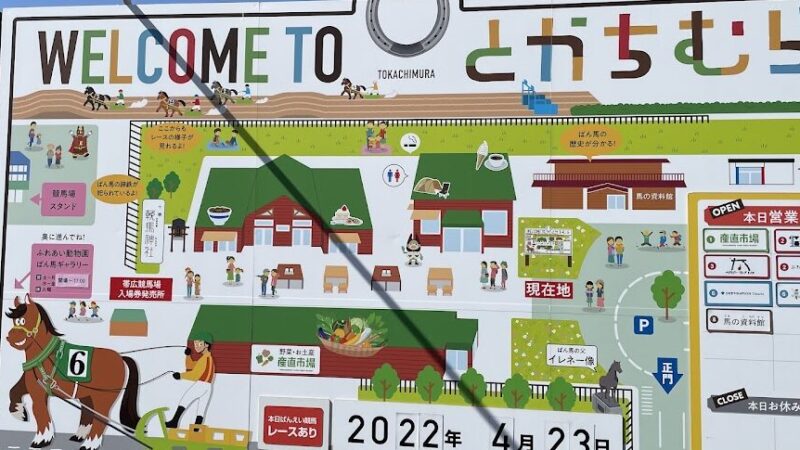
This is the world’s only racecourse where “ban’ei racing” can be enjoyed. It appeared in Episode 9 of the work, “Hachiken Bewildered by Pork Bowl,” where scenes of heavy draft horses pulling heavy sledges in a unique racing competition are depicted.
Highlights:
- Thrilling ban’ei racing races
- Petting zoo where you can interact with horses
- Restaurants serving Obihiro’s famous pork bowl
- Free admission (on race days)
Ban’ei racing is a traditional culture continuing from Hokkaido’s pioneer era, originating from strength competitions among plow horses. The work also depicts the deep relationship between agriculture and horses.
2. Obihiro Shrine
Location: 1 Higashi 3-jo Minami 2-chome, Obihiro City, Hokkaido
Considered the model for the shrine depicted in the work, it is famous for its horse-shaped ema (votive tablets). It appeared in scenes where Hachiken and friends visited for New Year prayers.
Features:
- Historic shrine founded in 1910 (Meiji 43)
- Horse-motif ema are a distinctive feature of this agricultural region
- Panoramic view of Obihiro from the shrine grounds
- Close to the Tokachi River riverbed, ideal for strolls
3. Tokachi River Riverbed
The Tokachi River riverbed near Obihiro Shrine appears in the work in scenes where characters converse. The vast riverbed and majestic natural landscape symbolize the scenery of the Tokachi region.
Ways to Enjoy:
- Strolls along the cycling road
- Summer fireworks festival venue
- Beautiful snow landscape in winter
4. Obihiro City Green Park (Obihiro Midorigaoka Park)
Location: 2 Midorigaoka, Obihiro City, Hokkaido
This park appeared in Episode 8 “Hachiken Makes a Major Blunder.” It is home to the world’s longest bench (402.6m total length), which is recognized in the Guinness Book of World Records and serves as a gathering place for Obihiro residents.
Facilities:
- Expansive lawn plaza
- Boat rental
- Park golf course
- Barbecue facilities
- Adjacent Obihiro Zoo
- Hokkaido Museum of Modern Art
The Hokkaido Museum of Modern Art has hosted the “Silver Spoon Exhibition” mentioned later, making it doubly meaningful for fans.
5. Agricultural Landscapes of the Tokachi Region
The farmland surrounding Obihiro stretches as far as the eye can see, allowing visitors to experience the landscapes depicted in the work. Especially from summer through autumn, visitors can enjoy changing agricultural views with the golden wheat fields, potato flowers, and sugar beet fields.
Recommended Driving Routes:
- Agricultural areas along Route 236
- Roads toward Shihoro
- Farmland areas toward Memuro and Shimizu
6. Pork Bowl Restaurant Tour
The “pork bowl,” which appears multiple times in the work, is Obihiro’s soul food. With many pork bowl specialty restaurants throughout the city, dining here is a must for pilgrimage visits.
Famous Establishments:
- Panchou (original pork bowl shop)
- Ippin
- Ton-den
- Butahage Pork Bowl
This simple yet profound dish features pork grilled over charcoal and marinated in a sweet-spicy sauce, served over rice.
“Silver Spoon Exhibition” Hosting Information and History
Obihiro Venue (Concluded)
To commemorate the 10th anniversary of ‘Silver Spoon’ serialization, and as part of Obihiro City’s 140th anniversary and 90th anniversary of municipal status, an exhibition was held at the Hokkaido Museum of Modern Art.
Exhibition Overview (Concluded):
- Venue: Hokkaido Museum of Modern Art (2 Midorigaoka, Obihiro City)
- Period: July 17, 2021 (Saturday) to September 5, 2021 (Sunday)
- Exhibits: Approximately 200 original drawings, various materials, and video displays
- Admission: General ¥1,200, High School/University Students ¥600, Middle School and Below Free (High School Students in Tokachi Region also Free)
Exhibition Content
The exhibition featured original artwork by author Arakawa Hiromu from ‘Silver Spoon,’ introducing the world of the work and its appeal from multiple perspectives.
Main Exhibits:
- Approximately 200 key original drawings from serialization start to completion
- Character design materials
- Research photographs and materials
- Anime adaptation and live-action film materials
- Actual agricultural tools and materials depicted in the work
- Video corner recreating famous scenes from the work
The original drawing exhibitions were particularly valuable, allowing fans to see up close the author’s meticulous detailed work, panel layout innovations, and character expression changes.
National Tour
Following the success of the Obihiro venue, the exhibition toured nationally.
Tour Schedule:
- Obihiro Venue (Hokkaido Museum of Modern Art): July 17 – September 5, 2021
- Sapporo Venue (Sapporo Art Park Museum): September 18 – November 7, 2021
- Osaka Venue: 2022
- Tokyo Venue: 2022
Each venue featured region-specific special exhibits and related events, providing nationwide fans with opportunities to experience the work’s world.
Significance of the Exhibition
The Obihiro venue’s exhibition held special significance as an exhibition in the actual setting of the work. For local Tokachi residents, it was an opportunity to reaffirm their pride that their daily lives and culture were depicted in a nationally popular work. For work fans, it provided a precious experience of viewing original artwork in the sacred location.
Agricultural Culture Depicted in the Work and Actual Obihiro
Reality of Agricultural High School
‘Silver Spoon’ is highly praised for realistically depicting daily life at agricultural high schools.
Characteristics of the Agricultural High School in the Work:
- Boarding School System: Many students live in dormitories
- Practical Training Focus: Abundant hands-on training in livestock, field crops, and food processing alongside academics
- Early Morning Work: Livestock care begins early in the morning
- Facing Life: Education includes lessons about life through meat processing
- Specialization: Specialized departments like Dairy Science, Livestock Science, and Agricultural Civil Engineering
Obihiro Agricultural High School and other Hokkaido agricultural high schools conduct such education in reality, and the work’s depictions are extremely accurate.
Dairy Farming and Livestock Raising in Tokachi
Dairy farming and livestock raising, important themes in the work, are core industries of the Tokachi region.
Characteristics of Tokachi Dairy Farming:
- Large-Scale Operations: Average farms raise over 100 dairy cattle
- Freestall/Free-Barn System: Cattle are allowed to roam freely
- TMR (Mixed Feed) Feeding: Feed designed with nutritional balance in mind
- Raw Milk Production: The Tokachi region produces approximately 10% of national production
In the work, the protagonist Hachiken raises a pig for “tonkatsu,” which is shipped for meat processing. This mirrors actual “life education” conducted in livestock education.
Reality of Field Crop Agriculture
The Tokachi Plain is Japan’s largest field crop region, and expansive farm landscapes frequently appear in the work.
Major Crops:
- Wheat: Produces approximately 40% of Hokkaido’s wheat
- Potatoes: Among the nation’s top producers for both starch and food potatoes
- Beans: Small red beans, soybeans, kidney beans, etc.
- Sugar Beets: Sugar production
- Long Yam: Tokachi specialty
The work depicts cultivation and harvest scenes for these crops throughout the seasons, conveying both the hardship and joy of agriculture.
Agricultural Machinery and Technology
The work features large tractors, combines, and other farm equipment. Large-scale agriculture in Tokachi employs cutting-edge machinery and GPS-based precision farming techniques.
Characteristics of Modern Tokachi Agriculture:
- Tractors with GPS auto-steering systems
- Drone-based growth diagnostics
- Smart agriculture adoption
- 6th Industry (integrating production, processing, and sales)
Impact of the Work on Obihiro City and the Tokachi Region
Contribution to Tourism Promotion
The popularity of ‘Silver Spoon’ has made Obihiro City and the Tokachi region a “sacred place,” attracting numerous fans.
Tourism Effects:
- Increased young visitors
- Growing interest in agricultural experience programs
- National awareness of regional food culture (pork bowl, etc.)
- Increased use of accommodations and restaurants
Local tourism associations have developed tourism promotions utilizing the work, creating guidebooks and model courses for “Silver Spoon” fans.
Promotion of Agricultural Understanding
By accurately and appealingly depicting agriculture, the work has heightened understanding and interest in farming.
Educational Impacts:
- Increased applications to agricultural high schools
- Growing agricultural interest among urban youth
- Use as teaching material in food education
- Raising awareness of agricultural succession issues
In fact, reports indicate that applications to agricultural high schools nationwide increased during serialization.
Reaffirmation of Regional Identity
For locals in Tokachi, their daily lives and culture becoming the setting for a nationally popular work provided an opportunity to reaffirm regional pride.
Regional Impacts:
- Pride and confidence among agricultural workers
- Increased youth attachment to local community
- Renewed appreciation of regional culture
- Community revitalization
Anime Adaptation and Live-Action Film Version and Obihiro
Anime Recreation of the Setting
The television anime ‘Silver Spoon’ aired in 2013 for Season 1 and 2014 for Season 2. During production, staff conducted field research in Obihiro and the Tokachi region, faithfully recreating landscapes and buildings.
Anime Characteristics:
- High-quality animation by A-1 Pictures
- Actual Tokachi landscapes used as backgrounds
- Emphasis on realism in agricultural depictions
- Accurate recreation of local dialect and culture
Live-Action Film Locations
The 2014 live-action film version of ‘Silver Spoon’ was filmed on location in Hokkaido.
Film Information:
- Director: Yoshida Keisuke
- Lead Actor: Nakajima Kento (as Yugo Hachiken)
- Filming Locations: Throughout Hokkaido (centered on Tokachi)
- Box Office: Approximately ¥700 million
The film featured actual agricultural high school and farm locations, with actors experiencing farm work while developing their roles.
Access to Obihiro City and Tourism Information
Access to Obihiro City
By Airplane:
- Approximately 30 minutes by car from Tokachi Obihiro Airport to Obihiro city center
- Approximately 1 hour 40 minutes from Tokyo (Haneda)
- Approximately 40 minutes from Sapporo (New Chitose)
By Train:
- Approximately 2 hours 30 minutes by limited express from Sapporo via JR Nemuro Line
- Approximately 1 hour 30 minutes by limited express from Kushiro
By Bus:
- Approximately 4 hours by highway bus from Sapporo
Best Seasons for Tourism
Spring (April-June):
- Snowmelt and start of farm work
- Beautiful fresh greenery
Summer (July-August):
- Peak growing season for crops
- Lush green landscape
- Ideal weather for tourism
Autumn (September-October):
- Harvest season
- Golden wheat fields
- Beautiful autumn foliage
Winter (November-March):
- Snow-covered rural landscape
- Winter agricultural activities
- Extremely cold (winter clothing essential)
Recommended Accommodations
Hotels:
- Business hotels around Obihiro Station
- Hot spring resort hotels
Farm Homestays:
- Stay with actual farmers and experience farm work
- Deeper experience of the work’s world
Obihiro Cuisine
Recommendations Beyond Pork Bowl:
- Rokkaten: Marsei butter sandwiches and other specialty confections
- Ryugetsudo: “Sanpogaku” and other sweets
- Indian Curry: A curry chain originating in Obihiro
- Tokachi Milk and Dairy Products: Fresh dairy products
- Tokachi Wine: Local wine from Ikeda Town
To More Deeply Enjoy ‘Silver Spoon’
Appeal of the Original Manga
‘Silver Spoon’ concludes in 15 volumes. The original contains much not depicted in anime or films, and reading it allows deeper understanding of the work’s world.
Work Themes:
- Connection between life and food
- Growth between dreams and reality
- Bonds with friends
- Hardship and joy of agriculture
- Differences between urban and rural values
Related Literature
Reading other works by author Arakawa and books about agriculture and dairy farming further deepens understanding of the work.
Agricultural Experience Programs
The Tokachi region offers numerous agricultural experience programs for tourists.
Experience Activities:
- Milk milking
- Tractor test drives
- Harvest experiences
- Cheese and butter making
- Farm restaurant dining
These experiences allow visitors to tangibly feel the actual agriculture depicted in the work.
Conclusion: ‘Silver Spoon’ and the Future of Obihiro City
‘Silver Spoon’ is a pioneering work that brought the agricultural culture of Obihiro City and the Tokachi region to national and global attention. Through the work, many people learned about agriculture’s reality, reaffirmed food’s importance, and discovered the charm of Obihiro as a region.
While serialization has concluded, the work’s influence continues. Obihiro City and the Tokachi region will continue to welcome many fans as the sacred place depicted in ‘Silver Spoon.’ The agricultural value the work depicted will become increasingly important in coming times.
Visiting Obihiro is not merely tourism but a journey to experience the “life and food,” “significance of agriculture,” and “regional culture” the work intended to convey. Please actually visit and experience the world of Ezo-no. The vast Tokachi Plain, fresh air, and warm people await you.