Introduction: The Model for Academy City Was in Western Tokyo
“A Certain Magical Index” (Index), a light novel by Kazuma Kamachi, is a popular work set in a fictional “Academy City” where science and magic intersect. In the original work’s setting, this Academy City is located in western Tokyo, and the anime faithfully adheres to this setting by adopting the actual scenery of Tachikawa and Tama cities in Tokyo as its model.
In this article, we will introduce in detail the locations that served as the stage for scenes featuring characters such as Touma Kamijo, Index, and Misaka Mikoto, along with detailed photographs and access information. From beginners to pilgrimage sites to fans who have visited many times, we have compiled the latest information to enable more fulfilling location scouting.
Major Holy Sites in the Tachikawa Area
Tachikawa Station North Exit Vicinity: The Gateway to Academy City
The north exit of Tachikawa Station is the most frequently appearing location throughout the “A Certain Magical Index” series. In the work, it is depicted as the center of Academy City, serving as the stage for numerous important scenes, including moments when Touma Kamijo encounters misfortune and his initial meeting with Mikoto.
Tachikawa Station North Exit Pedestrian Deck
The pedestrian deck that spreads out immediately after exiting the station is a symbolic location that appears from Episode 1. When comparing the actual scenery with the anime cuts, you can see that the building layouts and the structure of the pedestrian bridge are reproduced with near-perfect fidelity. When taking photographs, we recommend visiting during early morning hours or on weekdays to avoid obstructing pedestrians. Since Tachikawa becomes crowded with shoppers on holidays, visiting during less busy periods is more comfortable.
Tama Monorail Tachikawa-Kita Station
The monorail elevated track and station building are important elements that create the futuristic atmosphere of Academy City depicted in the work. From the area surrounding Tachikawa-Kita Station, you can photograph the monorail from the angles shown in the work. The area near the station’s stairs is particularly noteworthy, as it has been used in scenes where characters have conversations, making it a must-see spot for fans.
Before Takashimaya and the Bus Terminal
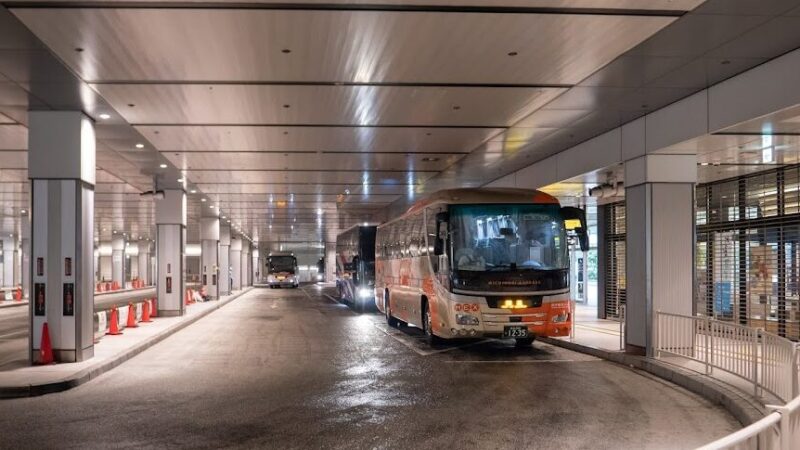
The Takashimaya front plaza and bus terminal at the north exit of Tachikawa Station appear as backgrounds in multiple episodes. Particularly in the early part of the first season, they are depicted as places that Touma Kamijo passes through daily.
The pedestrian bridge around the bus terminal area has an extremely high degree of correspondence between anime cuts and actual scenery, making it a place where you can truly experience the essence of location scouting. By adjusting direction and angle, you can faithfully recreate scenes from the work. It still retains its original appearance, and there have been no significant changes since the early days of pilgrimage scouting around 2009.
Stairs and Pedestrian Bridges Around Tachikawa Station
There are multiple stairs and pedestrian bridges in the vicinity of Tachikawa Station’s north exit, each used in different scenes. Particularly famous is the staircase leading from the station’s north exit toward commercial facilities, which appears frequently in conversation scenes between characters and chase scenes.
When scouting locations, preparing screenshots from the work beforehand makes it easier to identify exact shooting locations. Even the same staircase looks very different depending on the direction of shooting, so we recommend checking from multiple angles.
Holy Sites in the Tama Center Area
Tama Center Station Front: Symbolic Scenery of Academy City
The area around Tama Center Station is an important holy site for “A Certain Magical Index” alongside Tachikawa. In particular, the plaza in front of the station and the surrounding commercial facilities’ landscape are used to express the modern atmosphere of Academy City.
Before Tama Center Mitsukoshi
The plaza before Mitsukoshi appears from Episode 1 and in multiple other episodes. The spacious area and the arrangement of surrounding buildings create the open-air atmosphere of the work’s world. Although Mitsukoshi has since closed, the building’s exterior remains as it was, continuing to function as a pilgrimage site.
Around Jonathan Tama Center Store
The area surrounding the family restaurant “Jonathan” is also used as a background for daily scenes. The actual exterior of the store and surrounding scenery appear in scenes where characters eat or wait to meet.
Stairs Beside Fuji Tama Building
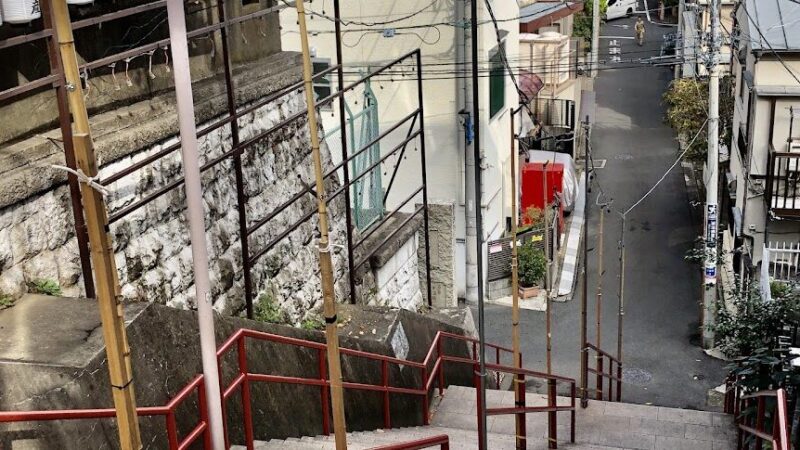
There are multiple distinctive stairs in the Tama Center Station area, and among them, the stairs beside Fuji Tama Building have been used in impressive scenes. The shape of the stairs and the design of the handrails are faithfully reproduced, allowing you to feel the production staff’s dedication to the work.
Shared Holy Sites with “A Certain Scientific Railgun”
“A Certain Scientific Railgun,” a spin-off work of “A Certain Magical Index,” is set in the same Academy City, so many holy sites are shared between the two. In Railgun, which features Misaka Mikoto as its protagonist, the same locations are sometimes depicted from different angles than in Index, becoming a bonus element that allows fans of both works to enjoy them twice over.
The Tachikawa Station North Exit area appears frequently in both works, and there are many cuts unique to Railgun, such as scenes of Mikoto kicking a vending machine and daily scenes with Kuroko Shirai. Pilgrimage while being mindful of scenes from both Index and Railgun allows for a deeper experience of the work’s world.
Efficient Routes for Holy Site Pilgrimage
Recommended Route: From Tachikawa to Tama Center
To efficiently cover holy sites in one day, a route starting from Tachikawa Station is recommended.
Morning: Tachikawa Area
- Arrive at Tachikawa Station via JR Chuo Line (approximately 30 minutes from Shinjuku)
- Photography around Tachikawa Station North Exit (2-3 hours)
- Visit in sequence: the area before Takashimaya, the bus terminal, pedestrian bridges, stairs, and others
- Photography around Tama Monorail Tachikawa-Kita Station
Afternoon: Tama Center Area
- Transfer to Tama Center Station via Tama Monorail (approximately 20 minutes)
- Photography at Tama Center Station front and before Mitsukoshi (1-2 hours)
- Visit surrounding stairs and buildings
With this route, you can cover major holy sites comfortably in one day. Adjust the photography time at each spot according to congestion and your dedication to photography.
Access Methods and Transportation
Access by Train
- From Tokyo Station: Approximately 50 minutes via JR Chuo Line rapid service to Tachikawa Station
- From Shinjuku Station: Approximately 30 minutes via JR Chuo Line rapid service to Tachikawa Station
- From Yokohama Area: Direct service via JR Nanbu Line to Tachikawa Station (approximately 45 minutes from Kawasaki Station)
Tachikawa has excellent access from the city center, and you can reach it without transfers using the Chuo Line or Nanbu Line. For Tama Center, the Tama Monorail is convenient, but you can also access it via the Keio Line or Odakyu Line.
Access by Car
If visiting by car, you can use paid parking lots around Tachikawa Station. However, holidays tend to be congested, so public transportation is recommended.
Photography Etiquette and Manners
Location scouting is an activity enjoyed by many, but the location is a place where people actually live and work. Please keep the following manners in mind for enjoyable and safe location scouting.
Photography Manners
- Take photographs in locations that do not obstruct pedestrians
- Do not occupy the same location for extended periods
- Do not enter private property or off-limits areas
- Photography may require permission inside commercial facilities
- Avoid loud voices and running around
Times to Avoid Crowds
- Weekday mornings (10:00 AM – 12:00 PM)
- Weekend early mornings (8:00 AM – 10:00 AM)
- Avoid evenings (after 5:00 PM) due to commuter congestion
Tachikawa is a busy city from morning onward. Especially during midday on weekends, congestion from shoppers can make photography difficult. By adjusting the time of day and season, you can achieve more comfortable location scouting.
Seasons 1-3: Locations by Season
Season 1 (Broadcast in 2008): Major Scenes
In Season 1, Tachikawa Station North Exit and surrounding areas were used intensively to establish the basic worldview of Academy City. Many of the scenes that form the core of the story, such as Touma Kamijo and Index’s meeting and Mikoto’s first encounter, were shot in Tachikawa.
From Episodes 1 to 4, the Tachikawa Station North Exit pedestrian deck, the area before Takashimaya, and the area around the monorail station appear repeatedly. Additionally, the area before Tama Center Mitsukoshi and around Jonathan are used as backgrounds for daily scenes.
Season 2 (Broadcast in 2010): Settings
In Season 2, Tachikawa and Tama Center continue to be used as major settings, but new cuts and photography from different angles were also added. Particularly in the 2nd ending, locations that had not previously been used appear, expanding the range of location scouting.
Season 3 (Broadcast in 2018): Latest Holy Sites
In the third season “A Certain Magical Index III,” which aired in 2018, the familiar scenery of Tachikawa and Tama Center that viewers know appeared from Episode 1. The use of these unchanged locations after 10 years is deeply moving for long-time fans.
In Season 3, reuse of cuts from previous seasons is frequently seen, but even in newly drawn scenes, the same locations are chosen, showing the production staff’s consistent commitment.
Other Holy Sites: Izu Area in Shizuoka Prefecture
Outside Tokyo, the Izu area in Shizuoka Prefecture is also known as a holy site for “A Certain Magical Index.” The scenery of hot spring towns and beaches that appear in specific episodes is modeled after actual locations in Izu.
Since the Izu area is at a distance from the holy sites in Tokyo, we recommend visiting on a separate occasion. It is accessible from Tokyo by shinkansen or express train, allowing you to plan a trip that combines location scouting with sightseeing.
Tools to Further Enjoy Location Scouting
Using the Location Scouting App
The smartphone app “Butai Meguri” (Location Scouting) contains holy site information for both “A Certain Magical Index” and “A Certain Scientific Railgun.” Using this app allows you to access the following features:
- Route guidance to holy sites
- Check-in function at locations
- AR character commemorative photography
- Information sharing with other fans
By using the app, even first-time location scouts can reach their destinations without getting lost and can have a more enriching experience.
Points for Advance Preparation
Proper preparation is essential for successful location scouting.
Packing Checklist
- Smartphone (map app, camera function)
- Mobile battery
- Screenshots from the work (for identifying shooting locations)
- Drinking water and light snacks
- Comfortable walking shoes
- Rain gear (as needed)
Information Gathering
- Check blogs and SNS posts from other pilgrims
- Confirm latest business hours and construction information
- Research transportation schedules in advance
Changes to Holy Sites and Their Preservation Status
More than 15 years have passed since the broadcast of Season 1 in 2008, but the major holy sites in Tachikawa and Tama Center remain in relatively good condition. With minimal large-scale redevelopment, many places retain their original appearance, which is fortunate for location scouts.
However, some changes have occurred in certain commercial facilities, such as the closure of Mitsukoshi in Tama Center. With the possibility of future redevelopment, we recommend visiting early if you are planning location scouting.
Surrounding Tourist Spots and Dining
We also introduce tourist spots and dining information around Tachikawa and Tama Center that you can enjoy during location scouting breaks.
Tachikawa Area
Showa Memorial Park
A vast national park within walking distance of Tachikawa Station. You can enjoy seasonal flowers and autumn foliage, and it’s an ideal rest spot during location scouting.
Tachikawa Dining
The Tachikawa Station area has a diverse selection of restaurants. Choose from ramen shops, cafes, and family restaurants depending on your budget and preferences.
Tama Center Area
Sanrio Puroland
A Sanrio character theme park located near Tama Center Station. Recommended for families and couples.
Tama Central Park
A park within walking distance of the station, suitable for strolling and resting.
Seasonal Ways to Enjoy Location Scouting
Location scouting has different charms depending on the season.
Spring (March – May)
- Mild climate makes photography easier
- Cherry blossom season makes surrounding scenery beautiful
- May be crowded due to new season activity
Summer (June – August)
- Strong sunlight requires heat stroke prevention
- Seasonal feeling matches summer scenes in the work
- Early morning or evening photography is recommended
Autumn (September – November)
- Pleasant climate is ideal for extended scouting
- Autumn foliage season provides photogenic surroundings
- Overlaps with the original broadcast period, allowing you to feel nostalgia
Winter (December – February)
- Clear air makes photographs crystal clear
- Cold weather preparations are necessary
- Avoid year-end and New Year periods due to crowds
Advanced: How to Find Fine Details
For advanced location scouts who want to enjoy scouting more deeply, here’s how to find fine details.
Comparison Photography Techniques
- Prepare multiple screenshots from the work
- Confirm the arrangement of buildings and structures in the frame
- Adjust camera height and angle
- Consider how light falls depending on time of day
- Pay attention to seasonal changes in landscaping
Niche Spots
- Signs and markers barely visible in the background
- Parts of buildings visible only from specific angles
- Momentary cuts from endings or openings
Finding these fine details significantly increases the sense of achievement in location scouting.
Community Interaction
While location scouting can be enjoyed alone, interacting with fellow fans who love the same work makes the experience even more fulfilling.
Information Sharing on SNS
Using hashtags such as “#A Certain Magical Index Location Scouting” or “#Index Location Exploration” on Twitter and Instagram allows you to share information with other fans. You may discover new photography spots or get tips on efficient routes.
Meetups and Events
Depending on the season, fan-hosted location scouting meetups may be held. Scouting together with people who share the same interests opens up new discoveries and enjoyment.
Multi-Day Location Scouting Plans
For those visiting from distant places or those who want to thoroughly explore holy sites, plans involving overnight stays are also recommended.
Hotels Around Tachikawa
The area around Tachikawa Station has various accommodations ranging from business hotels to city hotels. By staying near the station, you can photograph during early morning or evening when fewer people are around.
1-Night 2-Day Model Plan
- Day 1: Thoroughly explore the Tachikawa area, stay overnight in Tachikawa
- Day 2: Explore the Tama Center area, sightseeing if time permits
This plan allows you to cover all holy sites without rushing and gives ample time for photography.
Photography Equipment and Techniques
We introduce photography techniques for recording your location scouting memories more beautifully.
Smartphone Photography
- Display grid lines to maintain horizontal alignment
- Use HDR mode to adjust contrast
- Use wide-angle lens to capture the full scene
- Use editing apps to adjust color tone to match the work
Single-Lens Reflex Camera Photography
- Standard zoom lens (approximately 24-70mm) is convenient
- Use tripod to replicate accurate angles
- Shoot in RAW format for later adjustment
- Study settings that match the anime’s color tone
Creating Comparison Images
Creating comparison images of photographed pictures alongside anime screenshots increases engagement when sharing on SNS. Using dedicated apps or PC software makes it easy to create visually appealing comparison images.
Conclusion: Experience the Work’s World More Deeply Through Location Scouting
Location scouting for “A Certain Magical Index” is a precious opportunity to understand the work more deeply and experience the space where characters spent their time. When you realize that familiar places like Tachikawa and Tama Center are connected to the anime world, ordinary scenery begins to appear special.
Using the information provided in this article as a reference, create your own location scouting plan. While respecting manners and showing consideration for local residents, enjoy your location scouting journey. By walking the paths that Index, Touma, and Mikoto traveled, your affection for the work will deepen further.
If you mutter “How unlucky…” while walking around Tachikawa Station North Exit, you might just become a resident of Academy City yourself.