
“Demon Slayer” Red Light District Arc draws attention as the historical site of Yoshiwara, the red light district. This place, where Sound Pillar Tengen Uzui and Tanjiro and his companions engaged in fierce battles with demons, is the remains of an actual red light district in present-day Taito Ward, Tokyo. This article provides a detailed explanation of the history of Yoshiwara red light district, access methods, highlights, and surrounding spots for fans considering a pilgrimage to the holy site.
What is Yoshiwara Red Light District? History and its Connection to Demon Slayer
Historical Background of Yoshiwara Red Light District
Yoshiwara was officially recognized by the shogunate and opened as a red light district near Nihonbashi in 1617 (Genna 3). After the Great Meireki Fire of 1657, it relocated to the present-day Taito Ward Senzoku area (northern Asakusa), continuing as the “New Yoshiwara” through the Meiji, Taisho, and Showa periods.
At its peak, approximately 250 courthouses lined the area, known for its unique culture and splendor. With the implementation of the Prostitution Prevention Law in 1958 (Showa 33), its approximately 340-year history came to an end, and the area is now a residential and commercial district.
Connection to Demon Slayer’s Red Light District Arc
In the “Demon Slayer” Red Light District Arc (Anime Season 2), set in the Yoshiwara red light district of the Taisho period, Tanjiro, Zenitsu, and Inosuke, led by Sound Pillar Tengen Uzui, engage in a deadly battle against Upper Moon demons Daki and Gyutaro.
In the work, the historical background of the “red light district” and the culture of the time are carefully depicted, with the atmosphere of the actual Yoshiwara red light district strongly reflected. Descriptions based on historical research, such as gorgeous kimonos, latticed doors, and lantern-lit nighttime streets, captivated many fans.
Access to Yoshiwara Red Light District Ruins
Nearest Stations and Walking Routes
Tokyo Metro Hibiya Line “Iriya Station”
- Approximately 15 minutes walk from Exit 3
- Most common access route
Tsukuba Express “Asakusa Station”
- Approximately 10 minutes walk from Exit A1
- New line with less congestion
Tokyo Metro Ginza Line / Toei Asakusa Line “Asakusa Station”
- Approximately 20 minutes walk from Exit 6
- Convenient when combining with Asakusa sightseeing
Bus Access
Get off at the Toei Bus “Asakusa Kotobukicho” stop, approximately 5 minutes walk to the Yoshiwara Omon gate ruins. The Taito Ward Circulation Bus “Megrin” is also available.
Car Access and Parking Information
Approximately 5 minutes from “Iriya IC” on the Metropolitan Expressway. However, as the surrounding area is residential, there are no dedicated parking lots. It is recommended to use nearby coin parking or public transportation.
Highlights of Yoshiwara Red Light District Ruins
Yoshiwara Omon Gate Ruins (Yoshiwara Great Gate Ruins)
The site where the main gate of Yoshiwara red light district was located; presently, the “Mikaeri Yanagi” (looking-back willow) and stone monuments remain. In the Edo period, customers leaving the red light district were said to turn back longingly around this willow, hence the name “Mikaeri Yanagi.”
Location: Senzoku 4-chome, Taito Ward, Tokyo
Features: Historical point indicating the entrance to the red light district, popular as a photography spot
Yoshiwara Benzaiten
Benzaiten shrine merged into Yoshiwara Shrine, which was revered by women who worked in the red light district. It remains a quiet shrine visited by many worshippers today.
Location: 3-20-2 Senzoku, Taito Ward, Tokyo
Visiting Hours: Open 24/7 (shrine office is irregular)
Blessings: Improvement in arts, business prosperity, romantic connections
Yoshiwara Shrine
A shrine with both Genroku Inari Shrine and Yoshiwara Benzaiten merged. A historic shrine that has protected the area since the red light district era, now serving as a place of faith for local residents.
Location: 3-20-2 Senzoku, Taito Ward, Tokyo
Features: Small but well-maintained grounds; ema prayer plaques available (varies by period)
Emonzaka
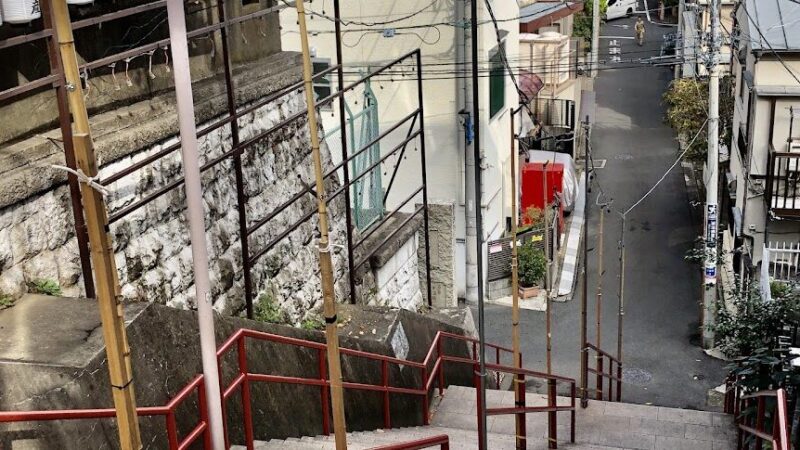
A slope leading to Yoshiwara red light district, said to be where courtesans prepared themselves and arranged their clothing to greet customers. Presently an ordinary residential slope, but a spot where history can be felt.
Former Gojikken-michi (Fifty-Ken Street)
The main street running through the center of Yoshiwara red light district. Currently “Yoshiwara Dori” with residences and shops, but the original street width has been preserved.
Surrounding Spots to Experience the World of the Red Light District Arc
Taito Ward Ichiyou Memorial Museum
A memorial museum dedicated to Meiji-era female author Ichiyou Higuchi. Higuchi’s masterpiece “Takekurabe” is set in the Yoshiwara red light district area, allowing visitors to understand the atmosphere of Yoshiwara at that time through literature.
Location: 3-18-4 Ryusen, Taito Ward, Tokyo
Hours: 9:00~16:30 (admission until 16:00)
Closed: Mondays (following day if Monday is a holiday), year-end and new year
Admission: ¥300 for adults, ¥100 for elementary, middle, and high school students
Sensoji Temple and Asakusa Area
Within walking distance from Yoshiwara red light district ruins, Sensoji Temple is a representative tourist destination of Tokyo continuing from the Edo period. The Nakamise shopping street and Kaminarimon gate preserve streetscapes reflecting the Taisho-era atmosphere.
Asakusa Entertainment Hall
A theater continuing entertainment culture from the Edo period to present. Like red light district culture, visitors can experience a part of Edo-Tokyo entertainment culture.
Precautions and Etiquette for Pilgrimage Visits
Remember It’s a Residential Area
Yoshiwara red light district ruins are currently a residential and commercial area. Speaking loudly or trespassing on private property is strictly prohibited. Respect the lives of nearby residents and visit quietly.
Photography Etiquette
- Do not photograph residences or shops without permission
- Be considerate so people are not captured in photos
- Avoid photographing in the middle of streets as it obstructs traffic
- Judge the use of tripods based on surrounding conditions
Night Visits
Some visitors come at night to experience the atmosphere of the Red Light District Arc, but as it’s a residential area, special attention to nighttime noise is necessary. Daytime visits are recommended when possible.
Show Respect for History
Many women lived in harsh conditions in Yoshiwara red light district. Though now touristy, show respect for this historical background and refrain from reckless behavior.
Recommended Pilgrimage Routes
Half-Day Course (Approximately 3 hours)
- Start at Iriya Station (10:00)
- Yoshiwara Omon Gate Ruins, Mikaeri Yanagi (10:20) – Photography
- Yoshiwara Shrine, Yoshiwara Benzaiten (10:40) – Prayer
- Yoshiwara Dori Stroll (11:00) – Walk the former Gojikken-michi
- Taito Ward Ichiyou Memorial Museum (11:30) – Learn Yoshiwara’s history
- Lunch (12:30) – Nearby restaurants
Full-Day Course (Including Asakusa Sightseeing)
Complete the half-day course in the morning, then move to the Asakusa area in the afternoon. Visit Sensoji Temple, Nakamise shopping street, Asakusa Entertainment Hall, and other sites to enjoy the atmosphere of Taisho-era Tokyo.
To Learn Yoshiwara’s History More Deeply
Recommended Books
- “Yoshiwara is Amazing: The Enchanting Red Light District That Nurtured Edo Culture” (by Masumi Horiguchi)
- “Yoshiwara as Another World” (by Senichiro Shiomi)
- “Takekurabe” (by Ichiyou Higuchi) – A literary work set in the Yoshiwara area
Museums and Archives
In addition to Taito Ward Ichiyou Memorial Museum, the Taito Ward Shitamachi Folk Museum offers insight into life in Edo, Meiji, and Taisho-era downtown Tokyo.
Nearby Dining and Rest Spots
Long-Established Restaurants
Several long-standing restaurants dot the Yoshiwara area.
- Komagata Dozeu (Historic dojo eel restaurant, founded in Edo period)
- Asakusa Mugi to Toro (Barley and grated yam cuisine specialist)
- Daikokuya Tempura (Tempura restaurant founded in Meiji 20)
Cafes and Rest Areas
- Asakusa Culture Tourist Information Center (Free observation deck)
- Cafe Mullet (Retro-atmosphere cafe)
Highlights by Season
Spring (March~May)
The cherry blossoms around Sensoji Temple bloom beautifully. It’s recommended to stroll while enjoying the cherry blossom lined paths along the Sumida River.
Summer (June~August)
The Asakusa Hozuki Market held in July and the Sumida River Fireworks Display offer numerous events overflowing with Edo charm.
Autumn (September~November)
Comfortable weather makes it ideal for strolling. Though little autumn foliage, walking on clear autumn days is pleasant.
Winter (December~February)
Year-end and New Year season are extremely crowded with Sensoji Temple’s New Year’s visits. While Yoshiwara red light district ruins themselves are quiet, visit with proper cold-weather preparation.
Recommended Information for Demon Slayer Fans
Collaboration Event Information
In the past, collaboration events with “Demon Slayer” have been held in the Asakusa area. Check official websites of Taito Ward Tourism Association and related facilities for the latest information.
Merchandise Purchase Spots
Some souvenir shops in Asakusa handle “Demon Slayer” related merchandise. Check shops around Nakamise shopping street in particular.
Instagram-Worthy Spots
The “Mikaeri Yanagi” at Yoshiwara Omon gate ruins is a popular photo spot for Red Light District Arc fans. Additionally, Asakusa’s Kaminarimon gate and Nakamise shopping street are popular photography spots for feeling Taisho-era romance.
Conclusion: Experience the Red Light District Arc’s World at Yoshiwara Red Light District Ruins
Yoshiwara red light district ruins, the setting for “Demon Slayer” Red Light District Arc, is now a quiet residential area, but traces of history remain throughout. By visiting scattered spots such as Yoshiwara Omon gate ruins, Yoshiwara Shrine, and the former Gojikken-michi, one can gain a deeper understanding of the work’s world.
When visiting for pilgrimage, it is important to not forget consideration for those currently living there and to visit while observing proper etiquette. Additionally, by visiting the Taito Ward Ichiyou Memorial Museum and nearby historical facilities, one can learn more deeply about Yoshiwara red light district’s historical and cultural background.
Combined with Asakusa sightseeing, it can become a fulfilling day where you can enjoy both Tokyo’s culture from Edo through Taisho periods and the world of “Demon Slayer.” Please use this guide as reference and plan your pilgrimage visit to Yoshiwara red light district ruins.