

Director Shinkai Makoto’s blockbuster film “Your Name” has continued to captivate countless fans since its 2016 release. Among its memorable scenes, the one that stands out most prominently is the staircase scene where Taki and Mitsuha reunite. The setting for this touching scene is Suga Shrine, located in Yotsuya, Shinjuku Ward, Tokyo, and its approach stairs.
This article provides a comprehensive guide to Suga Shrine, which draws many fans as a sacred site from “Your Name,” covering everything necessary for a pilgrimage: access methods, photography spots, etiquette for visiting, and attractions in the surrounding area.
Suga Shrine: History and Origins
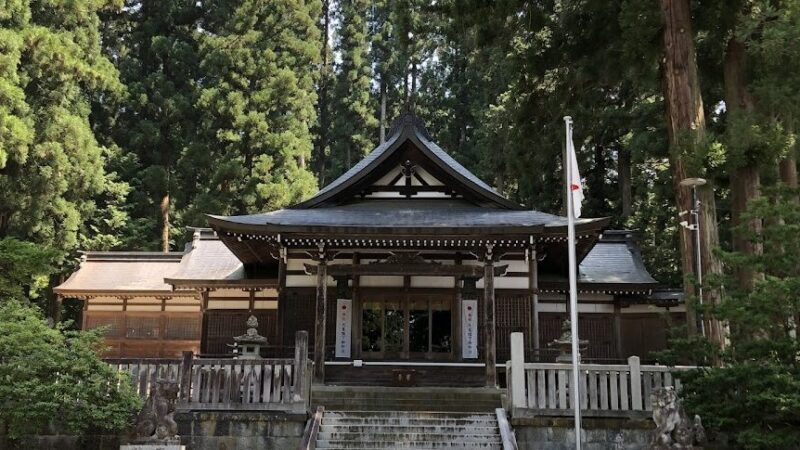
Suga Shrine is an ancient shrine founded in the 11th year of Kan’ei (1634) during the early Edo period. Its enshrined deities are Susanoo no Mikoto and Ukanomitama no Kami, said to provide blessings for warding off misfortune and business prosperity.
Long cherished by local residents as the guardian shrine of Yotsuya, Suga Shrine gained new attention as a sacred pilgrimage site attracting anime fans from around the world following the release of “Your Name.”
Official Name and Pronunciation
The official name is “Suga Shrine” (須賀神社, pronounced “suga jinja”). Note that it is pronounced “suga” with a voiced sound, not “suka,” so be mindful of this when paying your respects.
Suga Shrine’s Appearances in “Your Name”
Suga Shrine appears in “Your Name” as an important scene near the film’s climax. It serves as the stage where Taki and Mitsuha, who have been searching for each other across time and space, pass by each other on the Tokyo street and finally reunite.
The Memorable Staircase Scene
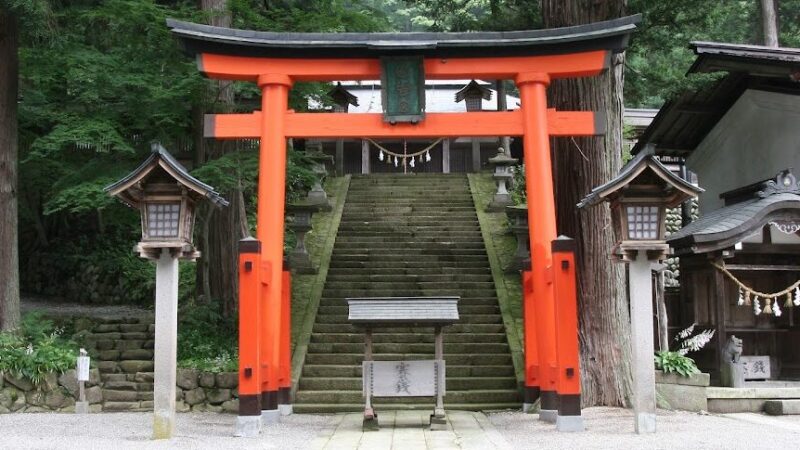
Particularly famous is the stone staircase called the “Male Slope” at Suga Shrine. The scene where Taki and Mitsuha pass each other on these stairs, then turn back to ask “What is your name…?” is a signature moment from the film that remains etched in the hearts of many fans.
Director Shinkai’s characteristic beautiful depiction of light and the Tokyo skyline seen from above the slope are portrayed impressively, and when you visit in person, you can experience a sensation of stepping into the world of the film.
Access to Suga Shrine
Suga Shrine is located in the Yotsuya district of Shinjuku Ward, Tokyo, and is accessible from multiple stations.
Nearest Stations and Walking Routes
From Yotsuya-Sanchome Station (Most Recommended)
- Exit at “Yotsuya-Sanchome Station” on the Tokyo Metro Marunouchi Line
- Approximately 7 minutes on foot from the station
- Head west on Shinjuku-dori, then turn left at Suga-cho Intersection
From Shinanomachi Station
- Exit at “Shinanomachi Station” on the JR Chuo/Sobu Line
- Approximately 10 minutes on foot
- Head north on Gaien-nishi-dori toward Suga-cho
From Akebonebashi Station
- Exit at “Akebonebashi Station” on the Toei Shinjuku Line
- Approximately 12 minutes on foot
By Car and Parking Information
Suga Shrine does not have its own parking lot. If you visit by car, you will need to use a nearby coin parking. However, the area is a residential neighborhood with narrow roads, so using public transportation is strongly recommended.
For those making a pilgrimage to the site, considering the staircase photography and surrounding exploration, train access is most convenient.
Sacred Site Pilgrimage: Photography Spots and How to Enjoy
Here are tips for enjoying a sacred site pilgrimage at Suga Shrine to the fullest.
Best Photo Spot: The Male Slope Stairs
If you want to recreate scenes from the film, the Male Slope (stone stairs) at Suga Shrine is the ultimate photography location.
Photography Tips:
- Shoot from mid-staircase looking upward
- Shoot from the top of the stairs looking down at the cityscape
- Early morning or evening light is most beautiful
- Weekdays are better for calm photography, as weekends attract many pilgrims
Photography Etiquette and Manners
Before anything else, Suga Shrine is a sacred place where local residents regularly worship. Please observe the following etiquette:
- The stairs are a living thoroughfare: Local residents use them daily. Avoid occupying them for long periods
- Keep conversations quiet: Located in a residential area, noise consideration is necessary
- Avoid early morning and late-night visits: Out of consideration for nearby residents, visit during reasonable hours
- Always take your trash with you: Keeping the sacred site beautiful is the responsibility of fans
- Do not trespass on private property: There are residences around the stairs. Do not enter their grounds
Recommended Visiting Times
Morning Hours (8:00–10:00)
- Fewer people, allowing calm photography
- Beautiful morning light and fresh atmosphere
Evening Hours (16:00–18:00)
- Atmosphere closest to the film’s lighting
- Sunset beautifully illuminates the Tokyo skyline
Times to Avoid
- Weekday and holiday midday (11:00–15:00) is peak congestion
- Year-end and New Year holidays, plus major holiday periods see especially heavy crowds
How to Pay Respects at Suga Shrine
Even though you’re visiting as a pilgrimage, it’s worthwhile to pay your respects using proper etiquette.
Basic Steps for Paying Respects
- Bow once before passing through the torii gate
- Purify yourself at the water basin (right hand → left hand → mouth → handle in that order)
- Pay respects at the main hall
- Two bows, two claps, one bow
- Make an offering
- Make your wish
- Bow once more at the torii gate when leaving
Ema and Talismans
You can receive an ema (wooden prayer plaque) at Suga Shrine.
Ema Information:
- Suggested donation: typically ¥300–500
- Reception hours: 9:00–17:00 (approximate)
- Original ema booklets may be sold
Talismans and Blessings:
- Misfortune-warding talismans
- Business prosperity talismans
- Love and matchmaking talismans
- Academic success talismans
While there are no officially sold talismans or goods specifically related to “Your Name,” the love and matchmaking talisman resonates with the film’s theme and makes a great souvenir.
Sacred Sites Near Suga Shrine
There are other “Your Name” locations in the area around Suga Shrine.
The Yotsuya Streetscape
The Tokyo cityscape visible from Suga Shrine’s stairs is depicted impressively in the film. When you visit in person, you can see the Shinjuku buildings and Tokyo’s expanse at a glance, allowing you to experience a scene from the film.
The Shinjuku Area
There are multiple sacred sites in the Shinjuku area, including places modeled after the restaurant where Taki worked part-time and the streets Mitsuha walked when visiting Tokyo. Since it’s close to Suga Shrine, it’s recommended to visit these sites together.
Café La Bohème (Cafe La Boheme)
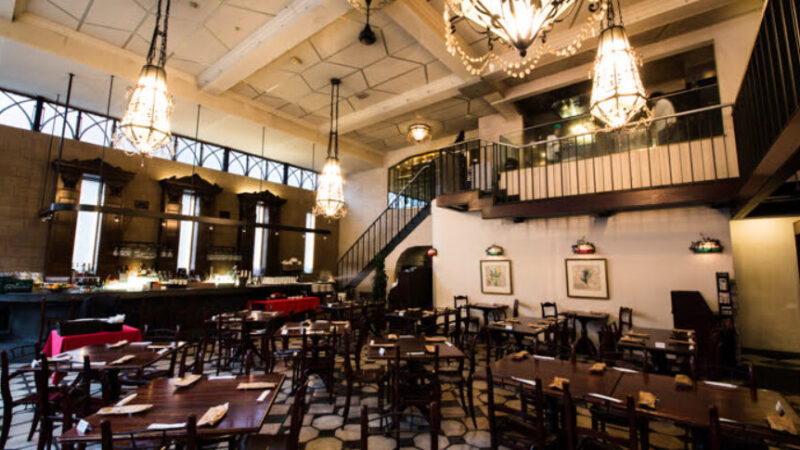
The real Italian restaurant “Café La Bohème” in Shinjuku is said to be the model for the restaurant where Taki worked part-time in the film. It’s just a few minutes by train from Suga Shrine.
Tourist Attractions in the Yotsuya Area
Here are nearby tourist attractions worth visiting while making your pilgrimage.
Akasaka Palace (State Guest House)
Within walking distance from Suga Shrine, this Western-style building designated as a National Treasure features luxurious architecture. Internal tours are possible with advance reservation.
Shinjuku Gyoen
Famous as the setting for director Shinkai’s other work “The Garden of Words,” Shinjuku Gyoen is within walking distance of Yotsuya-Sanchome Station. Enjoy beautiful gardens that change with the seasons.
Yotsuya Araki-cho
A drinking district retaining Edo-era atmosphere. Small alleyways lined with distinctive establishments make it perfect for an adult-oriented stroll.
Planning Your Sacred Site Pilgrimage
Here’s how to plan an efficient pilgrimage to enjoy the sacred sites.
Half-Day Course (Morning or Afternoon)
- Meet at Yotsuya-Sanchome Station
- Visit and photograph at Suga Shrine (1–2 hours)
- Rest at a nearby café
- Tour sacred sites in the Shinjuku area
Full-Day Course
- Morning: Explore Shinjuku Gyoen (sacred site from “The Garden of Words”)
- Lunch: At Café La Bohème or similar
- Afternoon: Visit and photograph at Suga Shrine
- Evening: Stroll through Yotsuya Araki-cho
- Night: Dinner and shopping in Shinjuku
Packing Checklist
- Camera or smartphone (fully charged)
- Photos from movie scenes (for comparison shots)
- Ema booklet (if you collect them)
- Comfortable walking shoes (many slopes and stairs)
- Drinking water (especially in summer)
- Offline-enabled map app
Suga Shrine’s Charms Through the Seasons
Suga Shrine reveals different faces throughout the four seasons.
Spring (March–May)
During cherry blossom season, surrounding street trees become beautiful, and the view from the stairs becomes more vibrant. As the season of new beginnings, you can feel the film’s theme of “meeting.”
Summer (June–August)
Vibrant green foliage and blue sky create beautiful contrast. Remember to stay hydrated as climbing the stairs may cause sweating.
Autumn (September–November)
Beautiful autumn foliage, making the atmosphere closest to the film’s setting. November particularly offers stable weather and is ideal for pilgrimages.
Winter (December–February)
Clear air allows views from the stairs to stretch farther. The New Year period attracts crowds, though the atmosphere remains solemn. This season captures the seasonal feeling of the film’s final scene.
Suga Shrine’s Annual Events
As a community shrine, Suga Shrine holds various events throughout the year.
Major Annual Events
- January 1–3: New Year’s celebrations
- February 3: Setsubun Festival
- Early June: Grand Festival (Suga Shrine’s most important celebration)
- November 15: Shichigosan
- December 31: Great Purification Ritual
During the Grand Festival, the area bustles with local residents, offering a lively atmosphere different from usual. However, there may be restrictions on visits and photography during festivals, so advance confirmation is recommended.
SNS Appeal and Photography Techniques
Here are techniques for taking more beautiful photos at Suga Shrine.
Composition Tips
- Utilize the stairs’ depth: Shooting from an angle emphasizes perspective
- Include people: Positioning companions creates scale and brings you closer to the film’s scenes
- Include plenty of sky: Be conscious of the beautiful sky characteristic of Shinkai’s works
- Mind symmetry: Compositions centered on the stairs’ center line also produce beautiful results
Photography Setting Tips
- Use HDR mode: Capture both sky and ground beautifully even with high contrast
- Aim for golden hour: The hour after sunrise and hour before sunset offer the most beautiful light
- Use burst mode: When crowds are present, use burst to select the moment with fewest people
- Use portrait mode: Smartphone portrait mode blurs backgrounds for a film-like atmosphere
Hashtag Usage
When posting to SNS, use these hashtags to connect with fellow fans:
- #YourName
- #SugaShrine
- #SacredSitePilgrimage
- #ShinkaeMakoto
- #Yotsuya
- #AnimeHolyLand
- #yourname
Frequently Asked Questions
How can I avoid crowds?
Weekday mornings (9:00–11:00) are least crowded. Avoid weekday and weekend midday as peak congestion; early morning or evening is recommended.
Can I enjoy it on rainy days?
Rainy days require caution as stairs become slippery, but rain-wet stone and post-rain skies create beautiful atmospheres characteristic of Shinkai’s work. Don’t forget an umbrella.
Do many foreign tourists visit?
Since “Your Name” was a global hit, many foreign tourists visit, particularly from Asian regions.
Are there nearby dining options?
The Yotsuya-Sanchome Station area has numerous cafés and restaurants, with various chain and independent options along Shinjuku-dori.
“Your Name” Production Information Summary
To enjoy your pilgrimage more deeply, let’s review the work’s basic information.
Production Overview
- Release Year: August 26, 2016
- Director and Screenwriter: Shinkai Makoto
- Music: RADWIMPS
- Box Office: Over ¥25 billion (4th highest in Japan)
- Awards: Japan Academy Prize for Animation of the Year and many others
Story Summary
Taki Tachibana, a high school boy living in Tokyo, and Mitsuha Miyamizu, a high school girl living in rural Hida. One day, the two discover they are switching bodies in their dreams. Through this mysterious connection transcending time and space, the two search for each other.
Director Shinkai Makoto and Sacred Site Pilgrimage Culture
Director Shinkai’s works are known for their precise depictions of actual landscapes.
Characteristics of Shinkai Makoto’s Works
- Faithful recreation of real locations: Surveys actual landscapes and depicts minute details
- Beauty of light and sky: Delicately expresses light changes through time and season
- Poetic description of everyday scenery: Transforms familiar landscapes into something special
Sacred Sites of Other Shinkai Makoto Works
- 5 Centimeters per Second: Sannomiya Bridge Station, Yoyogi (Tokyo)
- The Garden of Words: Shinjuku Gyoen (Tokyo)
- Weathering with You: Tabata, Roppongi (Tokyo)
- Suzume: Various locations across Tokyo, Miyazaki, and Kobe
After visiting Suga Shrine, consider touring sacred sites from other Shinkai works as well.
Manners and Etiquette for Sacred Site Pilgrimages
All visitors must observe certain manners to maintain a healthy sacred pilgrimage culture.
Basic Manners
- Consideration for residents: Remember this is a place of people’s lives, not a tourist destination
- Photography permission: Obtain permission before photographing shops or private property
- Traffic rule compliance: No parking on roads or blocking sidewalks
- Environmental protection: Never leave trash or make graffiti
- Keep quiet: Avoid loud conversation and noise
Protecting Sacred Sites
In some cases nationwide, sacred site pilgrimages have caused resident conflict, resulting in requests to discontinue visits. For Suga Shrine to continue warmly welcoming “Your Name” fans, each individual’s adherence to proper manners is crucial.
Conclusion: Experience the World of “Your Name” at Suga Shrine
Suga Shrine has become a special place in the hearts of many fans as the setting for the touching climax scene of “Your Name.”
The beautiful stairs and Tokyo skyline depicted in the film deepen understanding and emotion about the work when experienced in person. Standing where Taki and Mitsuha reunited and viewing the same scenery allows you to feel as though you’ve stepped into the film’s world.
Sacred site pilgrimage is a wonderful way to express love for a work, yet you must not forget respect for the area. By observing proper manners and maintaining gratitude, Suga Shrine will continue to be a treasured place for many fans.
If you have the opportunity to visit Tokyo, please visit Suga Shrine. A scene from the film will come alive, and new discoveries and emotion await you.
“What is your name…?”
Create your own special memories at the stage of that famous scene.


完全ガイド|聖地巡礼マップと撮影スポット-800x450.jpg)
完全ガイド|聖地巡礼・撮影スポット・アクセス情報-800x450.jpg)