
Released in 2016, the anime film “Your Name” directed by Makoto Shinkai became a massive hit with box office earnings exceeding 25 billion yen in Japan. One of the important locations featured in this work is the “Hida City Library” located in Hida City, Gifu Prefecture.
In this article, for those planning a pilgrimage to holy sites, we will provide a thorough explanation of detailed information about Hida City Library, how to obtain filming permits, scenes from the film, access methods, and surrounding tourist attractions.
Hida City Library | An Important Setting in “Your Name”
Hida City Library is a municipal library located in Furukawa Town, Hida City, Gifu Prefecture. It is conveniently located about a 5-minute walk from Hida-Furukawa Station on the JR Takayama Line, adjacent to Hida City Hall.
History and Architectural Features of the Library
Originally called “Furukawa Town Library,” it was renamed to the current “Hida City Library” following the Heisei merger of municipalities. The building was designed by Kanazawa Planning Institute with a modern aesthetic, featuring an elegant exterior that effectively combines glass and wood materials.
Hida furniture is used throughout the interior, creating a calm atmosphere where you can feel the warmth and softness of wood. Loved by local residents, this library combines regional traditional craftsmanship with modern functionality.
Appearance Scenes in “Your Name” and Their Role in the Story
In the film “Your Name,” the protagonist Taki Tachibana visits the library with his friend Shoji Fujii and his senior Miki Okudera when they travel to Gifu Prefecture to investigate the town of Itomori where Mitsuha Miyamizu lives.
This scene is a particularly crucial turning point in the story where Taki and his friends discover the shocking fact that Comet Tiamat fell three years ago and Itomori suffered devastating damage. Through the library’s newspaper article database and materials, they learn the truth about Mitsuha’s safety and Itomori.
Not only the exterior of the library but also the interior stairs, reading spaces, and bookshelf layouts are faithfully recreated in the film, making it an unmissable holy site for fans.
Pilgrimage to Hida City Library | Essential Information to Know Before Your Visit
Basic Information and Access Methods
Address: 〒509-4232 2-22 Honcho, Furukawa Town, Hida City, Gifu Prefecture
Operating Hours: Tuesday–Friday 9:30 AM–7:00 PM, Saturday, Sunday, and Holidays 9:30 AM–5:00 PM
Closed Days: Mondays (or the following day if a holiday), year-end and new year period, special maintenance periods
Phone Number: 0577-73-5600
Admission: Free
Access by Train
- About 5 minutes on foot from JR Takayama Line “Hida-Furukawa Station”
- Approximately 2 hours 30 minutes from Nagoya Station via the Limited Express Wide View Hida
- Approximately 1 hour 30 minutes from Toyama Station via the Limited Express Wide View Hida
- Approximately 15 minutes from Takayama Station via local train
After exiting Hida-Furukawa Station, head to the right toward City Hall and you will see the library building. Since it’s close to the station, you’re unlikely to get lost on your first visit.
Access by Car
- Approximately 20 minutes from “Hida-Kiyomi IC” on the Tokai-Hokuriku Expressway via National Route 41
- Approximately 30 minutes from “Takayama IC” on the Chubu Longitudinal Expressway via National Route 41
The library has a dedicated parking lot, but spaces are limited and it can be full during holidays and tourist seasons. In such cases, it’s recommended to use nearby public parking facilities.
How to Apply for Interior Photography Permits | Rules You Must Follow
Hida City Library understands that many fans visit as a holy site for “Your Name” and allows interior photography under certain rules.
Steps to Obtain a Photography Permit
- Apply at the reception counter: Upon entering, first inform staff at the 1st floor reception counter of your intention to photograph
- Fill out the photography permit form: Complete a simple application form with your name, contact information, and photography purpose
- Confirm precautions: Receive an explanation from staff regarding precautions when photographing
- Receive your permit: Obtain your photography permit and carry it in a visible location
Photography Precautions and Manners
- Be considerate to ensure other visitors’ faces and personal information are not captured: Privacy protection is the top priority
- Flash photography is prohibited: Avoid using flash to prevent disturbing other users
- Use of tripods and selfie sticks is generally prohibited: Do not block passageways or obstruct other users’ movement
- Maintain silence: The library is a place for study and reading. Loud conversations and noise are strictly forbidden
- Keep photography time brief: Extended photography sessions disturb other users. Photograph efficiently
- Be thoughtful when posting on SNS: Before posting photos to social media, double-check that other users are not visible
The library is a public facility essential to residents’ lives. Balance enjoying a holy site pilgrimage with respecting the library’s original functions.
Comparing Film Scenes with Actual Locations | Photography Spot Guide
Exterior Photography Points
The library’s exterior is depicted impressively in the film. The contrast between the modern glass building and the Hida mountains visible in the background creates a beautiful composition.
Recommended Photography Points:
- Full view from the main entrance
- Diagonal angle from City Hall side
- Library with illuminated lighting at dusk (around 5 PM in winter is ideal)
Major Photography Spots Inside the Library
Entrance Hall
The entrance hall depicted in the scene where Taki and his friends enter the library. The airy atrium and warmth of Hida furniture are impressive.
Stairs
The stairs leading to the second floor were used as an important shot in the film. Characterized by a wooden handrail and natural light streaming through windows.
Reading Space
The reading space where Taki and his friends appear to be researching newspaper articles. You can enjoy the outside scenery from window-side seats.
Bookshelf Area
Neatly arranged bookshelves create a calm atmosphere characteristic of a library. If you want to recreate the atmosphere from the film, this area is a must-see.
Tips for Recreating Film Scenes
- Time of day: Most film scenes are set during bright daytime, so visiting from late morning through early afternoon is recommended
- Angles: Pre-checking the film’s camera angles allows you to photograph efficiently
- Season: Although the film’s scenes are set from summer to fall, beautiful photos can be taken in any season
The Charm of Hida City Library | Ways to Enjoy Beyond Pilgrimage
Extensive Collection and Regional Materials
Hida City Library serves not only as a holy site for pilgrimages but also has fully developed library functions. With approximately 100,000 volumes, it offers a wide range from general to children’s and specialized books.
Particularly noteworthy is the regional materials section covering the history and culture of the Hida region. Valuable materials on Hida craftsmanship, the Furukawa Festival, Hida beef, and other regional attractions allow you to deeply understand the area’s appeal.
Hida Furniture Display Space
Hida furniture is placed throughout the interior and can be actually used. Hida furniture is one of Japan’s representative furniture brands, highly praised for its quality both domestically and internationally.
Only at this library can you experience the excellence of regional traditional craftsmanship while reading or relaxing.
Events and Exhibitions
Hida City Library regularly hosts events and exhibitions rooted in the community. Story-time sessions for children, displays of local authors’ works, exhibitions on Hida’s history, and more—there’s always something new to discover.
It’s recommended to check the library’s official website before visiting to see what events are currently being held.
“Your Name” Holy Sites in the Hida-Furukawa Area
Beyond Hida City Library, the Hida-Furukawa area has numerous “Your Name” holy sites. Here’s an efficient model course to visit them.
Hida-Furukawa Station
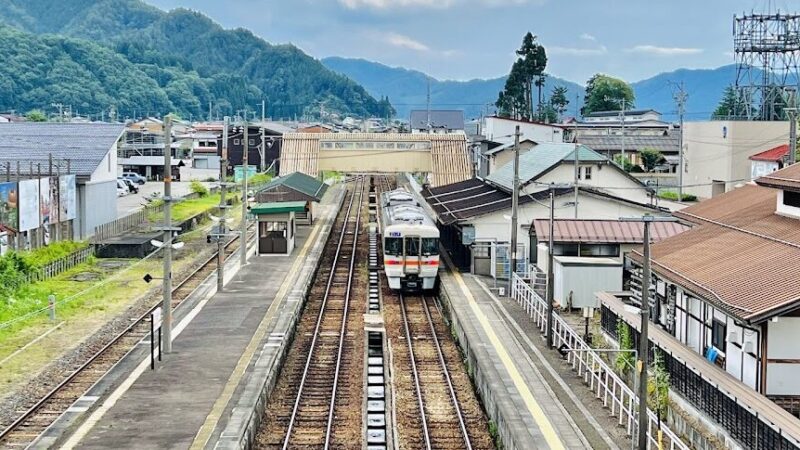
The station where Taki and his friends arrive from Tokyo in the film. The retro station building and front scenery are impressive. A pilgrimage map is placed at the station, making it an ideal starting point.
Highlights:
- Station building exterior and front plaza
- Hida mountains viewed from the platform
- Waiting room in the station
Keta Wakamiya Shrine
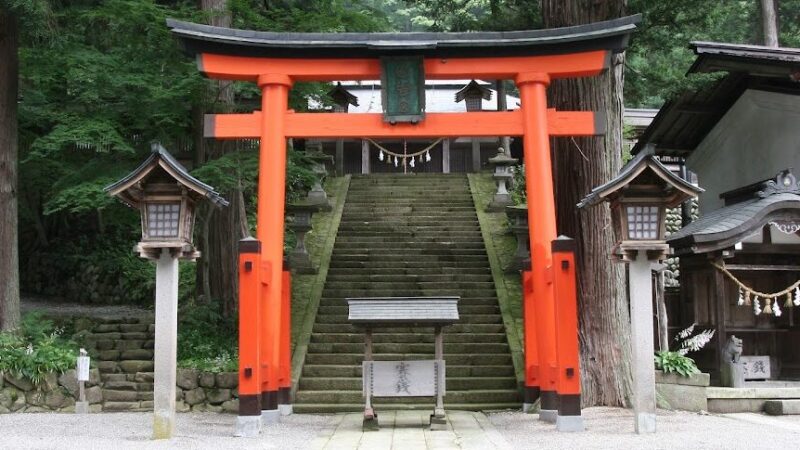
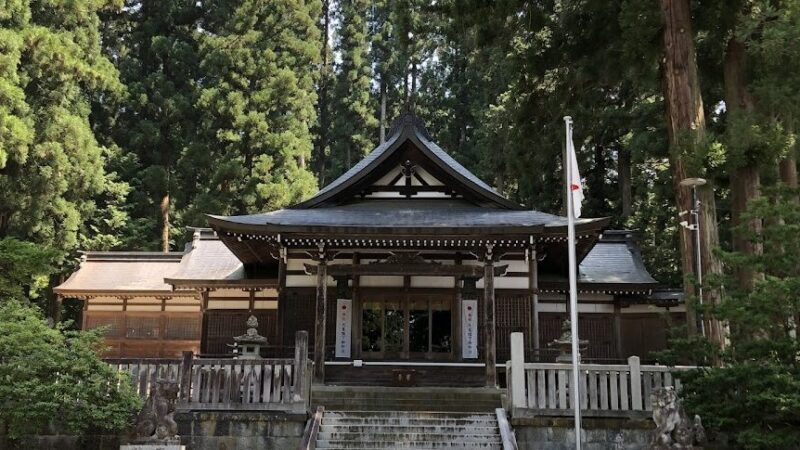
Considered one of the models for Miyamizu Shrine. At the top of long stone steps, the main hall offers a panoramic view of Hida-Furukawa.
Highlights:
- Stone steps and torii gate
- Main hall architecture
- Views from the grounds
Old Streets of Hida-Furukawa
The center of Hida-Furukawa with beautiful white-walled storehouse architecture. This is the model for the streets where Taki and friends search for Mitsuha.
Highlights:
- Seto River and white-walled storehouse street
- Area around Enkoji Temple
- Furukawa Festival float warehouses
Ajidokoro Furukawa (Ramen Restaurant)
The model for the ramen shop where Taki and friends stop in the film. Still operating, you can enjoy authentic Hida ramen.
All-Day Pilgrimage Model Course
Morning:
- 9:00 AM Arrival at Hida-Furukawa Station, photograph surroundings
- 9:30 AM Visit and photograph Hida City Library (approximately 1 hour)
- 10:30 AM Visit Keta Wakamiya Shrine (15-minute walk, 30-minute stay)
Lunch:
- 12:00 PM Ramen at Ajidokoro Furukawa
Afternoon:
- 1:00 PM Explore Seto River and white-walled storehouse street (approximately 1 hour)
- 2:00 PM Visit Hida Furukawa Festival Hall (approximately 40 minutes)
- 3:00 PM Browse other streets, shop for souvenirs
- 4:00 PM Depart from Hida-Furukawa Station
This course allows you to efficiently visit major holy sites.
Tourist Attractions and Accommodation Information Around Hida City
Tourist Attractions in Takayama City
About 15 minutes from Hida-Furukawa by train, Takayama City has many more tourist attractions.
Takayama Jinya: An Edo period government office designated as a National Historic Site
Old Streets (Sanmachi): An Important Traditional Building Preservation District with streetscapes retaining Edo period character
Takayama Morning Markets: Two markets—Miyagawa Morning Market and Jinya-mae Morning Market—feature fresh local vegetables and crafts
Hida no Sato: An open-air museum with gassho-style farmhouses relocated from elsewhere
Shirakawa-go
A UNESCO World Heritage Site approximately 1 hour by car from Hida-Furukawa. The beautiful gassho-style farmhouse settlement is a representative Japanese tourist destination.
How to Choose Accommodation
Hida-Furukawa Area:
- Guesthouses and inns renovated from old houses are scattered throughout
- Optimal location for holy site pilgrimage
- Quiet, calm atmosphere
Takayama City Area:
- Wide range of options from hotels to traditional inns
- Abundant tourist facilities and restaurants
- Evening walks through the old streets are enjoyable
Hot Spring Resorts:
- Okuhida Hot Springs (Shinhotaka, Hirayu, and others)
- Gero Hot Springs (approximately 1 hour by car from Hida-Furukawa)
For pilgrimage-focused visits, staying in Hida-Furukawa or Takayama City is recommended. To also enjoy hot springs, making Okuhida Hot Springs or Gero Hot Springs your base is also a good option.
How to Enjoy by Season of Visit and Recommended Times
Spring (March–May)
Attractions: Cherry blossom season, fresh air after snow melts
Events: Furukawa Festival (April 19–20)—Hida-Furukawa’s largest festival featuring magnificent floats and ogre-head drums
Clothing: Mornings and evenings are cool; bring a light jacket
Summer (June–August)
Attractions: Beautiful green mountains, cool scenery of the Seto River
Notes: Rainy season (mid-June–mid-July) requires rain gear
Clothing: Hot during the day but cool mornings and evenings. Layered clothing works best
Most film scenes are set in summer, so this season is ideal for recreating the atmosphere.
Autumn (September–November)
Attractions: Beautiful autumn leaves, clear air and blue skies
Cuisine: New rice, mushrooms, Hida beef, and other autumn specialties are abundant
Clothing: Large temperature swings between day and night; wear adjustable clothing
Peak tourist season with ideal conditions for photography.
Winter (December–February)
Attractions: Snow-covered Hida streets and towns, winter silence
Events: Santera Mairi (January 15)—a traditional Hida-Furukawa event
Notes: Snowfall requires proper cold-weather gear and non-slip shoes
Clothing: Full winter outfit necessary
Winter Hida has fewer tourists, allowing leisurely pilgrimage. Snowy library views are ethereal and beautiful.
Hida Cuisine and Local Specialties
Enjoy Hida’s flavors during your holy site pilgrimage.
Hida Beef
One of Japan’s representative branded beef. Characterized by fine marbling and tender texture. Enjoy as steak, yakiniku, sukiyaki, nigiri sushi, and more.
Hida Ramen
Chicken bone broth soy sauce with thin wavy noodles. Light yet rich in flavor.
Hoba Miso
A local dish where miso, vegetables, mushrooms, and Hida beef are grilled on a magnolia leaf. The fragrant leaf aroma whets the appetite.
Gohei Mochi
Mashed rice wrapped around a stick, glazed with sweet and salty sauce. A traditional Hida snack perfect for eating while walking.
Sarubōbo
A folk toy of Hida region characterized by a red doll. “Saru” is a pun on the kanji for monkey and “to leave,” symbolizing misfortune departing. Popular as a souvenir.
Preparation and Tips for Enhanced Enjoyment of Holy Site Pilgrimage
Pre-Visit Preparation
- Review the film: Rewatch “Your Name” before visiting to confirm scenes at this location
- Obtain pilgrimage maps: Available at Hida-Furukawa Station and tourist information centers
- Check weather forecasts: Mountain areas experience sudden weather changes
- Confirm operating hours: Verify operating hours and closed days for planned facilities
Packing List
- Camera and smartphone (don’t forget chargers)
- Pilgrimage notebook or stamp book
- Comfortable walking shoes
- Seasonally appropriate clothing
- Umbrella
- Drinks and snacks
- Maps or guidebooks
Manners and Etiquette
- Never trespass on private property
- Respect residents’ lives: Avoid loud conversations early morning or late evening
- Take all trash with you: Contribute to environmental conservation
- Follow traffic rules: Be especially careful when photographing near roads
- Be considerate in crowded areas: Share spirit of cooperation at popular spots
SNS Posting Considerations
- Verify no other people’s faces or personal information are visible
- Be cautious with location sharing (especially accommodations)
- Avoid posts that disrupt facility operations
- Use spoiler-awareness hashtags
- Show consideration for depicted individuals
“Your Name” and Hida City’s Relationship | Impact on Regional Revitalization
Changes After Film Release
Following “Your Name’s” release, Hida City has received many domestic and international fans. Library visitor numbers increased significantly post-release, with notably more young visitors and international tourists.
According to Hida City Tourism Association announcements, tourist numbers increased approximately 30% in the years following the film’s release, with substantial economic benefits.
Regional Initiatives
Hida City views “Your Name” as an opportunity for regional revitalization and has undertaken various efforts.
- Creation and distribution of pilgrimage maps
- Holy site pilgrimage support at tourist information centers
- Development and sale of related merchandise
- Establishment of library photography permit systems
- Planning official pilgrimage tours
These efforts have created an environment where fans can safely enjoy holy site pilgrimages.
Sustainable Tourism Initiatives
Meanwhile, the rapid increase in tourists raised concerns about impacts on residents’ lives. Hida City works to balance tourism and residents’ lifestyle quality through manners awareness campaigns and appropriate signage placement, promoting sustainable tourism development.
When each visitor respects manners and the region, this beautiful holy site is preserved for the future.
The World of Makoto Shinkai’s Works and Hida’s Scenery
Director Shinkai’s Depiction of “Everyday Beauty”
Director Makoto Shinkai is known for beautifully portraying everyday scenery. In “Your Name,” Hida’s nature, townscapes, and ordinary places like the library are depicted with special beauty through delicate light expressions and careful detail.
Hida City Library, ordinarily a quiet place where residents read, becomes an especially important location in the film where the story reaches a crucial turning point.
Fusion of Actual Scenery and Cinematography
Upon visiting the actual Hida City Library, you’ll be amazed at how faithfully the film depicts it. The building structure, light streaming through windows, bookshelf arrangements—all details are carefully reproduced.
Simultaneously, you’ll notice how the director’s aesthetic sensibility makes the actual scenery even more appealing. The charm of holy site pilgrimage lies in experiencing both “actual scenery” and “scenery in the film.”
Conclusion | Experience the World of “Your Name” at Hida City Library
Hida City Library played an important role in “Your Name’s” narrative and is a central pilgrimage destination.
When visiting, remember these key points.
Before Your Visit:
- Confirm operating hours and closed days
- Understand the photography permit system
- Check nearby pilgrimage spots
During Your Visit:
- Obtain photography permits at reception
- Show consideration to other users
- Maintain silence
- Photograph efficiently in brief time
Enjoying the Surroundings:
- Holy site tours near Hida-Furukawa Station
- Sampling Hida cuisine
- Strolling traditional streets
- Attending seasonal events
Hida City Library is not merely a pilgrimage spot but a place to learn about Hida’s culture and history. While respecting the library’s original functions, fully enjoy the world depicted by director Shinkai.
Beautiful Hida nature, warm regional people, and the world drawn by Makoto Shinkai—experience special moments where everything converges at Hida City Library.
Following manners and respecting the region, create wonderful pilgrimage memories. We hope your visit becomes an opportunity to understand both Hida City and “Your Name” more deeply.