
Zatabi -That’s Journey- Fukushima Prefecture Complete Pilgrimage Guide
What is Zatabi? The Appeal of Fukushima Prefecture as a Setting
“Zatabi -That’s Journey-” is a manga work created by Ishizaka Kenta based on real travel experiences, which was adapted into a television anime in 2020. The work depicts the protagonist traveling around Japan using the Seishun 18 Ticket, with Fukushima Prefecture being one of the important settings.
In the Fukushima Prefecture arc, centered on the Aizu region, various locations appear, from historic tourist spots to dining establishments beloved by locals. Fans who have read the work actively engage in “pilgrimage,” with many travelers visiting Fukushima Prefecture to find the same scenery as in the work.
Basic Information for Fukushima Prefecture Pilgrimage
Transportation
The main transportation methods to Fukushima Prefecture are as follows:
From Tokyo Direction
- Approximately 1 hour 20 minutes to Koriyama Station by Tohoku Shinkansen
- If using the Seishun 18 Ticket, approximately 5-6 hours via Tohoku Main Line
Transportation to Aizu-Wakamatsu
- Approximately 1 hour 15 minutes from Koriyama Station via Ban’etsu West Line
- Also accessible from Niigata direction via Ban’etsu West Line
Recommended Pilgrimage Seasons
Fukushima Prefecture pilgrimage can be enjoyed year-round, with particularly recommended periods being:
- Spring (April-May): Abundant cherry blossom viewing spots, spectacular cherry blossoms at Tsuruga Castle
- Summer (July-August): Lush nature and summer festivals
- Autumn (September-November): Beautiful autumn foliage, pleasant climate
- Winter (December-February): Charm of snowy landscapes and hot springs, but caution needed for transportation
Sacred Sites in the Aizu-Wakamatsu Area
Tsuruga Castle (Aizu-Wakamatsu Castle)
The symbol of Aizu-Wakamatsu that appears impressively in the work. Also the stage of the Boshin War, famous for the White Tiger Brigade tragedy, the castle tower now operates as a museum.
Basic Information
- Address: 1-1 Otemachi, Aizu-Wakamatsu City, Fukushima Prefecture
- Hours: 8:30-17:00 (Last admission 16:30)
- Admission: Adults 410 yen, Elementary and Junior High Students 150 yen
- Parking: Paid parking lots in the vicinity
Pilgrimage Points
The angle appearing in the work is a composition looking up at the castle tower from the front. Particularly during cherry blossom season, you can capture the same beautiful scenery as in the work. The view from the castle tower is also magnificent, offering a panoramic view of the entire Aizu Basin.
Nanukamachi Street
Nanukamachi Street with its charming retro streetscape full of Taisho romance. Warehouse-style buildings line the street, with cafes, general stores, and souvenir shops side by side.
Highlights
- Shirokiya Lacquerware Store: Long-established shop of traditional Aizu lacquerware
- Eki Cafe: Cafe utilizing the Nanukamachi Station building
- Dotted with antique shops and old folk house cafes
The work depicts scenes of the protagonist strolling the street, where you can leisurely walk and savor the Taisho romantic atmosphere.
Iimoriyama
Iimoriyama, famous as the site where the White Tiger Brigade committed suicide. The work also introduces its historical background.
Access
- Approximately 15 minutes by bus from Aizu-Wakamatsu Station, get off at “Iimoriyama-shita”
- Approximately 5-minute walk to the trailhead
Highlights
- Tomb of the 19 White Tiger Brigade Members
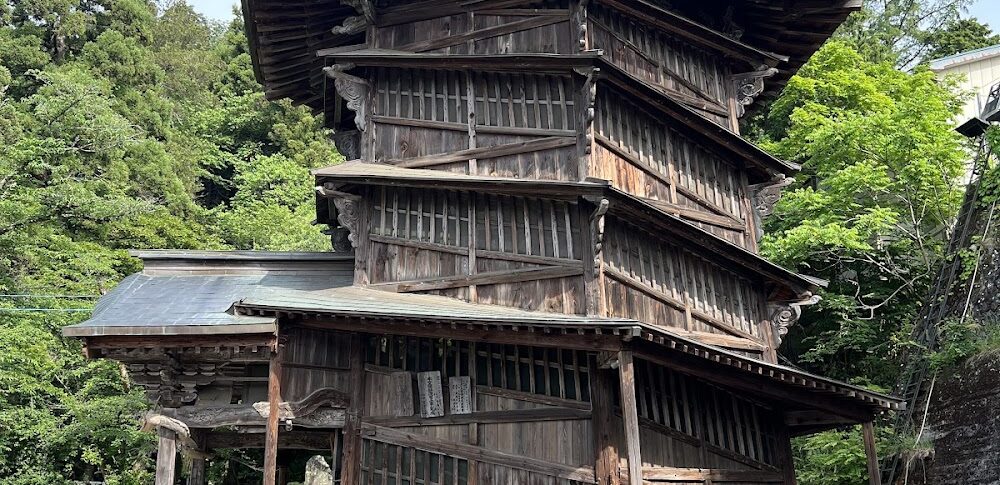
- Sazaedo (National Important Cultural Property)
- View of Tsuruga Castle from the mountaintop
There are 183 steps, but a paid escalator (250 yen) is also available. The work depicts climbing scenes where you can feel the weight of history.
Sacred Sites in the Kitakata Area
Kitakata Ramen Shop Tour
In “Zatabi,” Kitakata ramen appears as Fukushima Prefecture’s gourmet food. There are over 100 ramen shops in Kitakata City, each competing with unique flavors.
Representative Ramen Shops
- Bannai Shokudo: Representative of Kitakata ramen, pork bone soy sauce broth
- Makoto Shokudo: Long-established favorite loved by locals
- Genraiken: Considered the birthplace of Kitakata ramen
Characteristics of Kitakata Ramen
- Flat, aged, high-water-content noodles
- Light soy sauce broth
- Simple toppings of char siu and menma
“Asa-ra” (morning ramen eating culture) is also a Kitakata specialty, with many shops opening from early morning.
Warehouse Streetscape
Kitakata City is known as the “Town of Warehouses,” preserving over 4,000 warehouses. Various warehouses such as miso warehouses, sake breweries, and soy sauce warehouses are scattered throughout.
Recommended Spots
- Yamatogawa Sake Brewery: Brewery tour with tasting
- Wakaki Shoten: Beautiful red brick warehouse
- Kai Honke Kurazashiki: Wealthy merchant’s warehouse residence open to public
The work depicts scenes of strolling the warehouse streetscape and rediscovering the charm of local cities.
Sacred Sites in Koriyama and Other Areas
Koriyama Station Area
Koriyama Station serves as a transportation hub in Fukushima Prefecture. It appears as a transfer station in the work, introducing ekiben (station bento) and station gourmet food.
Ekiben Information
- Nori Nori Bento: Koriyama’s specialty ekiben
- Fukushima Beef Rice: Using locally produced beef
Around Mount Bandai
The majestic figure of Mount Bandai seen from the train window in the work is impressive. The window scenery of the Ban’etsu West Line is one of the charms of “Zatabi.”
Recommended Viewing Spots
- Lake Inawashiro: Spectacular view with Mount Bandai as backdrop
- Goshikinuma: Mysteriously colored pond group
Sample Pilgrimage Routes
2 Days 1 Night Aizu満喫 Route
Day 1
- 9:00 Arrive at Koriyama Station
- 10:30 Arrive at Aizu-Wakamatsu Station
- 11:00 Visit Tsuruga Castle
- 13:00 Enjoy sauce katsudon lunch in Aizu-Wakamatsu City
- 14:30 Stroll Nanukamachi Street
- 16:00 Visit Iimoriyama
- 18:00 Check in at Higashiyama Onsen
Day 2
- 9:00 Depart for Kitakata
- 10:00 Experience morning ramen
- 11:00 Stroll warehouse streetscape
- 13:00 Visit sake brewery・tasting
- 15:00 Depart from Kitakata Station
- 17:00 Arrive at Koriyama Station
Same-Day Round Trip Seishun 18 Ticket Route
A same-day round trip using the Seishun 18 Ticket, just like the work’s protagonist, is also possible.
Departing from Tokyo
- 6:00 Depart Tokyo Station (Tohoku Main Line)
- 11:30 Arrive at Koriyama Station
- 12:00 Purchase ekiben at Koriyama Station
- 13:00 Arrive at Aizu-Wakamatsu Station (Ban’etsu West Line)
- 13:30 Visit Tsuruga Castle
- 15:30 Stroll Nanukamachi Street
- 17:00 Depart from Aizu-Wakamatsu Station
- 23:00 Arrive at Tokyo Station
Gourmet Information
Aizu Cuisine
Sauce Katsudon
Specialty dish of Aizu-Wakamatsu. Freshly fried pork cutlet placed on cabbage, topped with special sauce.
- Nakajima: Popular local long-established shop
- Tsuruga: Famous shop near Tsuruga Castle
Kozuyu
Aizu local cuisine. Elegant soup made with scallop broth with vegetables and wheat gluten.
Horse Meat Sashimi
Horse meat culture is rooted in the Aizu region, where you can enjoy fresh horse meat sashimi.
Kitakata Cuisine
Kitakata Ramen (as mentioned above)
Dengaku
Kitakata local cuisine. Tofu or taro dengaku grilled with miso paste.
Souvenir Information
Aizu Souvenirs
Aizu Lacquerware
- Traditional craft with over 400 years of history
- Various products including chopsticks, bowls, jubako boxes
- Price range: 1,000 yen ~ tens of thousands of yen
Okiagari-koboshi (Tumbler Dolls)
- Aizu lucky charm
- Expressing the spirit of resilience
- Price: Around 300 yen ~ 1,000 yen
Aizu Local Sake
- Suehiro Sake Brewery, Hanabusa Sake Brewery, etc.
- Japanese sake using Mount Bandai underground water
- Price: Around 1,000 yen ~ 5,000 yen
Kitakata Souvenirs
Kitakata Ramen (Souvenir Use)
- Fresh noodle type or dried noodle type
- Set with soup base included
- Price: 500 yen ~ 1,500 yen
Miso・Soy Sauce
- Products from long-established breweries
- Additive-free・naturally brewed
- Price: 500 yen ~ 2,000 yen
Pilgrimage Precautions and Etiquette
Photography Precautions
- No unauthorized entry to private property: Even if it’s a location appearing in the work, do not enter private property without permission
- Photographing inside shops: Always obtain permission from staff
- Consideration for other tourists: Avoid occupying spots for extended periods
Transportation Etiquette
- Using Seishun 18 Ticket: Confirm validity period and usable trains in advance
- Precautions when riding local lines: Few departures, check timetables
- Consideration during congestion: Avoid local commuting hours during peak tourist season
Consideration for the Area
- Take garbage with you: Never litter at tourist sites
- Mind noise: Keep quiet in residential areas
- Contribute to local economy: Utilize local shops as much as possible
Accommodation Information
Aizu-Wakamatsu Area
Higashiyama Onsen
- 10 minutes by car from Aizu-Wakamatsu city center
- Hot spring area with 1,300 years of history
- Price range: 1 night 2 meals 10,000 yen ~ 30,000 yen
Hotels in Aizu-Wakamatsu City
- Wide variety from business hotels to tourist hotels
- Price range: Without meals 4,000 yen ~ 10,000 yen
Kitakata Area
Atsushio Onsen・Nisshō Onsen
- Hot spring area in Kitakata City suburbs
- Price range: 1 night 2 meals 8,000 yen ~ 15,000 yen
Hotels in Kitakata City
- Mainly business hotels
- Price range: Without meals 5,000 yen ~ 8,000 yen
Seasonal Highlights
Spring (March-May)
Cherry Blossom Viewing Spots
- Tsuruga Castle: Mid to late April, approximately 1,000 Somei Yoshino cherry trees
- Ishibe Cherry Tree: One of the Aizu Five Cherries, over 600 years old
- Nitchū Line Weeping Cherry Tree Path: Kitakata City, approximately 3km cherry blossom tunnel
Summer (June-August)
Festivals
- Aizu Festival (Late September): Aizu Domain Lord procession is the highlight
- Kitakata Summer Festival (Early August): Fireworks display also held
Autumn (September-November)
Autumn Foliage Spots
- Bandai-Azuma Skyline: Viewing period early to mid-October
- Goshikinuma: Contrast of autumn leaves and pond colors
- Tsuruga Castle Park: Viewing period early November
Winter (December-February)
Snowy Landscapes
- Ouchi-juku: Thatched-roof village covered in white snow
- Tsuruga Castle: Castle tower adorned with white snow
Winter Events
- Aizu Picture Candle Festival (February): Approximately 10,000 candles lit
Surrounding Tourist Attractions
Ouchi-juku
Approximately 40 minutes by car from Aizu-Wakamatsu. Important Preservation District for Groups of Traditional Buildings preserving the appearance of an Edo period post town. Thatched-roof houses line the street.
Specialty Food
- Negi Soba: Soba eaten using a green onion instead of chopsticks
Lake Inawashiro
Japan’s fourth largest lake. You can enjoy spectacular views with Mount Bandai as a backdrop.
Activities
- Sightseeing boats
- Water sports
- Cycling
Goshikinuma
Group of over 30 large and small ponds formed by Mount Bandai eruption. Characterized by mysterious colors such as cobalt blue and emerald green.
Walking Route
- Goshikinuma Nature Trail: Approximately 3.6km, 1 hour ~ 1.5 hours
Practical Information
Tourist Information Centers
Aizu-Wakamatsu Station Tourist Information Center
- Hours: 8:30-17:30
- Phone: 0242-32-0688
- Services: Tourist map distribution, accommodation consultation, luggage storage
Kitakata Tourism and Products Association
- Hours: 9:00-17:00
- Phone: 0241-24-5200
- Services: Tourism consultation, bicycle rental
Bicycle Rental
Aizu-Wakamatsu
- Rental around Tsuruga Castle
- Fee: Around 500 yen ~ 1,000 yen per day
Kitakata
- Rental in front of Kitakata Station
- Fee: Around 300 yen ~ 500 yen per day
Wi-Fi Environment
Free Wi-Fi available at major tourist sites, stations, cafes, etc. Public wireless LAN services such as “FUKUSHIMA City Wi-Fi” are available.
To Maximize the Enjoyment of “Zatabi”
Reread the Work Before Visiting
Rereading relevant chapters before pilgrimage allows for deeper immersion in the work’s world. The pleasure of comparing descriptions in the work with actual scenery also increases.
Leisurely Travel Pace
The charm of “Zatabi” lies in enjoying travel leisurely without rushing. Don’t schedule too tightly, cherish conversations with locals and chance encounters.
Taste Local Cuisine
Food is also an important element of the work. Actively tasting Fukushima Prefecture’s local cuisine and specialty foods can deepen understanding of the work.
Share on Social Media
To connect with fellow fans of the work, recommend sharing experiences using hashtags like “#Zatabi” “#Zatabi Pilgrimage.”
Conclusion
The Fukushima Prefecture pilgrimage of “Zatabi -That’s Journey-” is a journey where you can experience the work’s worldview while fully enjoying Fukushima Prefecture’s abundant history, culture, and gourmet charm. Many highlights include Aizu-Wakamatsu’s historical buildings, Kitakata’s ramen and warehouse streetscape, and Mount Bandai’s majestic nature.
A local line journey using the Seishun 18 Ticket becomes a special experience of touring Fukushima Prefecture from the same perspective as the work’s protagonist. Leisurely, slowly, enjoying interactions with locals, create your own “Zatabi.”
Fukushima Prefecture has beauty in all four seasons, with new discoveries each visit. Please refer to this article to plan your Fukushima Prefecture pilgrimage journey. Actually visiting places you learned about through the work will further expand the pleasure of travel.

