Initial D (Initials D): A Complete Guide to Sacred Sites in Gunma Prefecture
“Initial D” (Initials D), serialized in Weekly Young Magazine from 1995 to 2013, is a manga depicting the world of illegal street racing that boasts tremendous popularity both domestically and internationally. The story, in which protagonist Fujiwara Takumi drives a Toyota Sprinter Trueno (AE86) and engages in intense battles with rivals on the mountain passes of Gunma Prefecture, continues to captivate many fans even today.
More than 10 years after the serialization ended, many fans from Japan and abroad continue to visit Gunma Prefecture, the setting of the work, to enjoy sacred site pilgrimages. This article provides a thorough explanation of the various Initial D sacred sites scattered throughout Gunma Prefecture, introducing detailed information about efficient pilgrimage routes and precautions to take during actual visits.
What is Initial D? The Charm of the Work and Its Relationship with Gunma Prefecture
Overview and Story of the Work
“Initial D” is a Japanese manga work by Shigeno Shuichi that depicts intense battles among illegal street racers, with Gunma Prefecture as the main setting. The protagonist, Fujiwara Takumi, learns the techniques for driving mountain passes without realizing it while helping his father’s tofu delivery business.
The story truly begins with Takumi’s encounter with the “Akina Speed Stars” team, to which he belongs, and the rival team “Akagi Red Suns.” Initially uninterested in racing, Takumi is depicted growing as a driver through battles with various rivals.
The Reason Gunma Prefecture Was Chosen as the Setting
Author Shigeno Shuichi is from Gunma Prefecture and was well-acquainted with the local mountain passes, which greatly influenced the choice of setting for the work. Gunma Prefecture features numerous passes including the Johaku Sanzan (three mountains of Gunma): Mount Haruna, Mount Akagi, and Mount Myogi, as well as Usui Pass, each with unique characteristics.
These passes are places where illegal street racing culture actually took root, enabling realistic depiction. While some place names are altered in the work (Mount Haruna→Akina Mountain, etc.), the actual terrain and landscape are faithfully recreated, with touches scattered throughout that allow fans visiting the actual locations to feel moved by recognizing “this is the place from that scene.”
Shibukawa City, Gunma Prefecture | The Central Stage of Initial D
The Special Position of Shibukawa City
While numerous Initial D filming locations exist throughout Gunma Prefecture, Shibukawa City particularly stands out for having the greatest number of spots. The protagonist Fujiwara Takumi’s home, places where Takumi went on dates with Natsuki, passes where battles took place—spots that served as models are scattered throughout Shibukawa City.
Shibukawa City is also called “the Navel of Japan” and is located almost at the center of Gunma Prefecture. The city area spreading to the northeast of Mount Haruna offers ideal conditions for experiencing the world of the work.
Shibukawa City’s Anime Tourism Promotion
Shibukawa City actively promotes regional development utilizing Initial D. The official website “Initial D Shibukawa City” provides detailed introductions to sacred sites within the city, enabling fans to conduct pilgrimages efficiently.
At local shopping streets, Initial D-related merchandise is sold and events based on the work are held, with fans and locals working together to celebrate the world of the work. Additionally, manhole designs featuring Initial D characters have been adopted, and an atmosphere of welcoming the work throughout the city has been created.
Mount Haruna (Akina Mountain) | Complete Strategy for Takumi’s Home Course
Basic Information about Mount Haruna
Mount Haruna, which appears as “Akina Mountain” in the work, is the most important sacred site for Initial D pilgrimages. It is a volcanic group centered on Mount Haruna Fuji, which stands 1,449 meters high, with multiple peaks arranged around Lake Haruna.
It appears throughout the entire work as the home course of protagonist Fujiwara Takumi, where numerous memorable battles take place. The actual Mount Haruna can be accessed near its peak through multiple routes, centering on Gunma Prefectural Road 33 Shibukawa-Matsui-da Line (commonly known as the Haruna Lake Melody Line).
Major Sacred Sites on Mount Haruna
①Lake Haruna
A caldera lake located near the peak of Mount Haruna that appears in several important scenes in the work. A parking area and rest facilities are well-maintained on the lakeside, making it ideal as a base for sacred site pilgrimages. A road that circles the lake allows you to enjoy driving while immersing yourself in the world of the work.
②Haruna Shrine
Believed to be the model for the shrine that Takumi visits in the work. Famous as a power spot, the approach to the main hall is surrounded by lush nature and a mystical atmosphere. A spot where you can enjoy both sacred site pilgrimages and sightseeing.
③Hairpin Curve Groups
Multiple hairpin curves on Mount Haruna served as the stage for impressive battle scenes in the work. The continuous hairpins in particular became models for scenes such as Takumi’s specialty move “gutter drop,” memorable to many fans.
④Straight Section of Prefectural Road 33
A longer straight section on the way up Mount Haruna also frequently appears in the work. Often used as a starting point, the scenes of intense battles beginning from here are impressive.
How to Access Mount Haruna
By Car
- Approximately 30 minutes from Kan-Etsu Expressway “Shibukawa-Ikaho IC”
- Approximately 40 minutes from Joshin’etsu Expressway “Matsui-da-Myogi IC”
By Public Transportation
- Approximately 90 minutes from JR Takasaki Station by Gunma Bus “bound for Lake Haruna”
- Approximately 40 minutes from JR Shibukawa Station by taxi
On weekdays, the number of public transportation options is limited, making visits by car more convenient. However, during winter, there is a possibility of road freezing, making studless tire installation essential.
Mount Akagi | The Headquarters of the Akagi Red Suns
Characteristics of Mount Akagi and Its Position in the Work
Mount Akagi appears in the work as the headquarters of Takumi’s rival team, the “Akagi Red Suns.” As one of the Johaku Sanzan alongside Mount Haruna, it is a volcanic group with Mount Kurobi as its highest peak at 1,828 meters.
In the work, it is depicted as the base of the team led by the Takahashi brothers (Keisuke and Ryosuke), expressed as a pass with different driving characteristics from Mount Haruna. The actual Mount Akagi also serves as a driving course with different charm than Mount Haruna.
Sacred Sites on Mount Akagi
①Lake Akagi (Akagi-Onuma)
A caldera lake located near the peak of Mount Akagi that appears as an impressive backdrop in the work. Parking areas and restaurants are available on the lakeside, making it ideal for rest. In winter, the lake surface freezes and is famous as a mecca for wakasagi fishing.
②Mount Akagi Visitor Center
A facility where you can learn about the nature and history of Mount Akagi. It can also be utilized for gathering sacred site pilgrimage information.
③Prefectural Road 4 (Akagi Park Line)
The main route up Mount Akagi that served as a model for battle scenes in the work. The continuously curving section evokes the driving of the Takahashi brothers.
Access to Mount Akagi
By Car
- Approximately 60 minutes from Kan-Etsu Expressway “Akagi IC”
- Approximately 60 minutes from Kita-Kanto Expressway “Isesaki IC”
By Public Transportation
- Seasonal service from JR Maebashi Station on Kan-Etsu Kōtsū bus “bound for Mount Akagi Visitor Center”
Mount Akagi also requires attention to snowfall and freezing in winter, necessitating caution regarding visiting season and equipment.
Mount Myogi | The Stage of Godhand Sudou Kyouichi
The Rugged Charm of Mount Myogi
Mount Myogi is one of the Johaku Sanzan, known for its strange rocks and fantastic stone formations. In the work, it is depicted as the stage where Sudou Kyouichi, known by the alias “Godhand,” appears.
The actual Mount Myogi is characterized by steep terrain and distinctive rocky surfaces, having a completely different atmosphere from the other two mountains. The pass road also includes many technically difficult sections, making it an appropriate stage for the tense developments in the work.
Sacred Sites on Mount Myogi
①Myogi Shrine
A historic shrine located at the foot of Mount Myogi that also appears in the work. The 165-step stone staircase and vermillion-painted main gate are impressive.
②Nakanotake Shrine
Famous for its statue of Japan’s largest daikoku (deity of wealth), this shrine is a standard spot for Mount Myogi sightseeing. It is worth visiting together with sacred site pilgrimages.
③Prefectural Road 196
A pass road that circles Mount Myogi that served as a model for battle scenes in the work. Characterized by continuous curves and narrow road width, driving requires sufficient caution.
Access to Mount Myogi
By Car
- Approximately 10 minutes from Joshin’etsu Expressway “Matsui-da-Myogi IC”
- Approximately 20 minutes from Joshin’etsu Expressway “Shimoniita IC”
By Public Transportation
- Approximately 10 minutes from JR Matsui-da Station by taxi
Usui Pass | The Battleground with Impact Blue
History and Characteristics of Usui Pass
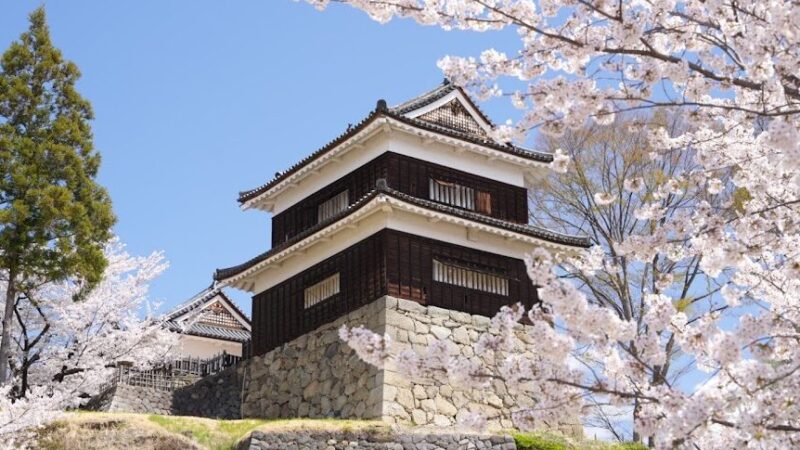
Usui Pass is a mountain pass located at the prefectural border between Gunma and Nagano, known since ancient times as an important point for transportation. In the work, it appears as the stage where battles with the female racer team “Impact Blue” take place.
With its large elevation difference and consecutive steep grades and tight curves, the pass road is famous as a difficult section that tests driver skill. Currently, both a new road (National Route 18 Bypass) and an old road exist, with sacred site pilgrimages primarily focusing on the old road.
Sacred Sites at Usui Pass
①Usui Pass Observation Deck
A scenic observation deck on the Gunma Prefecture side with a clear view over the Kanto Plain. It appeared in the work as an impressive landscape.
②Spectacle Bridge (Usui Third Bridge)
A brick arch bridge built in the Meiji period, designated as an Important Cultural Property of Japan. While not a direct sacred site of Initial D, it is worth visiting as a standard spot for Usui Pass sightseeing.
③Old Usui Pass
The pass road that served as a model for battle scenes in the work. Currently with little traffic, you can enjoy sacred site pilgrimages in a quiet atmosphere.
Access to Usui Pass
By Car
- Approximately 20 minutes from Joshin’etsu Expressway “Matsui-da-Myogi IC”
- Approximately 15 minutes from Joshin’etsu Expressway “Usui-Karuizawa IC”
By Public Transportation
- It is convenient to use taxis or rental cars from JR Yokokawa Station
Shibukawa City Center and Ikaho Hot Spring | Stages of Daily Scenes
Shibukawa Station Area
Shibukawa Station appears in scenes such as when Shigeno Natsuki is seen off by Takumi as she advances to Tokyo and when Shigeno is seen off by Akiyama Kazumi as she returns to Saitama. While the current station building has been rebuilt, the atmosphere around the station retains traces of that era.
Ikaho Hot Spring
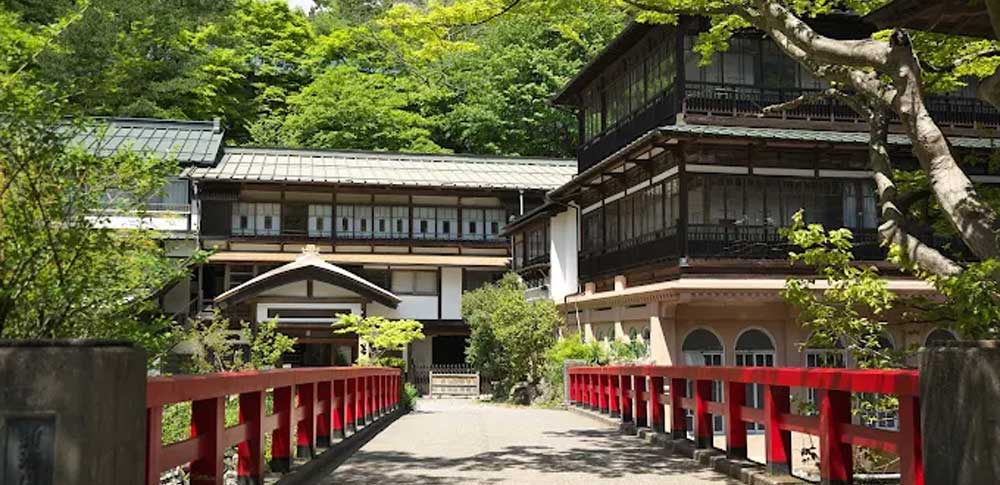
Ikaho Hot Spring is a representative hot spring resort in Gunma Prefecture and appears in the work in scenes such as Takumi and Natsuki’s date.
①Ikaho Stone Steps Street
A main street of the hot spring town with 365 stone steps that also appears in the work, an important spot. With souvenir shops and restaurants lining both sides, you can enjoy an atmosphere full of hot spring character.
②Ikaho Ropeway
An observation facility that also appears in the work, from the summit you can overlook Mount Haruna and Mount Akagi.
Fujiwara Tofu Shop (Model Shop)
A tofu shop believed to be the model for “Fujiwara Tofu Shop,” Takumi’s family home, actually exists in Shibukawa City. However, as it is private property and an operating shop, care must be taken not to cause inconvenience when visiting. It is best to only view the exterior from a distance.
Access to Ikaho Hot Spring
By Car
- Approximately 20 minutes from Kan-Etsu Expressway “Shibukawa-Ikaho IC”
By Public Transportation
- Approximately 25 minutes from JR Shibukawa Station on Kan-Etsu Kōtsū bus “bound for Ikaho Hot Spring”
Efficient Sacred Site Pilgrimage Model Courses
1 Night, 2 Days Course (Using Car)
Day 1: Mount Haruna and Shibukawa City Area
- 9:00 Start from Takasaki Station or Shibukawa-Ikaho IC
- 9:30 Explore around Shibukawa Station
- 10:30 Depart toward Mount Haruna
- 11:30 Arrive at Lake Haruna, explore surroundings
- 12:30 Drive through Mount Haruna passes (sacred site exploration)
- 14:00 Visit Haruna Shrine
- 15:30 Arrive at Ikaho Hot Spring, explore stone steps street
- 17:00 Check in to accommodation at Ikaho Hot Spring
Day 2: Mount Akagi, Mount Myogi, and Usui Pass Areas
- 8:00 Depart from accommodation
- 9:00 Arrive at Mount Akagi, explore around Lake Akagi
- 10:30 Drive through Mount Akagi passes
- 12:00 Move to Mount Myogi
- 13:00 Visit Myogi Shrine, lunch
- 14:30 Move to Usui Pass
- 15:30 Usui Pass observation deck, old road drive
- 17:00 Return to Takasaki Station or Matsui-da-Myogi IC
Day Trip Course (Focused on Mount Haruna)
When time is limited, concentrating on Mount Haruna, the most important sacred site, is recommended.
- 9:00 Start from Shibukawa-Ikaho IC or Takasaki Station
- 9:30 Around Shibukawa Station
- 10:30 Head to Mount Haruna
- 11:30 Arrive at Lake Haruna
- 12:00 Lunch around Lake Haruna
- 13:00 Drive through Mount Haruna passes multiple times (sacred site photography)
- 15:00 Visit Haruna Shrine
- 16:30 Explore Ikaho hot spring stone steps street
- 18:00 Head back
Using Public Transportation
Sacred site pilgrimages using public transportation have limitations, but can be realized with the following strategies.
- Use JR Takasaki Station as a base
- Access Mount Haruna via direct bus from Takasaki Station
- Access Shibukawa Station and Ikaho Hot Spring by local bus from Takasaki Station
- For Mount Akagi, Mount Myogi, and Usui Pass, partially utilize taxis or rental cars
Since bus frequency is limited on weekdays, visiting on weekends and holidays is recommended.
Precautions and Etiquette During Sacred Site Pilgrimages
Emphasis on Safe Driving
While Initial D depicts racing on mountain passes, it is absolutely essential to avoid dangerous driving on actual passes.
- Obey Speed Limits: High-speed driving like that in the work is illegal and extremely dangerous
- Watch for Oncoming Traffic: Pass roads are narrow with many curves, so be alert for collision accidents with oncoming vehicles
- Check Road Conditions: Be cautious of slippery conditions such as fallen leaves, gravel, and wet surfaces from rain
- Winter Equipment: Studless tires are essential from approximately November to April
Consideration for Local Residents
Many of the sites that have become sacred locations are also everyday roads for local people.
- Mind Noise: Avoid visits during early morning or late night and refrain from making loud sounds
- No Parking on Streets: Avoid parking outside designated parking areas
- No Trespassing on Private Property: Do not enter private property such as the model for the Fujiwara Tofu Shop without permission
- Take Garbage With You: Always take garbage with you to protect the landscape
Photography Etiquette
- Avoid long stops on roads as they are dangerous
- Conduct photography from parking areas and safe locations
- Be considerate so as not to inconvenience other tourists or local residents
Seasonal Precautions
Spring (March to May)
- Be cautious of remaining snow and road freezing (especially mid-March to early April)
- Do not forget pollen allergy countermeasures
Summer (June to August)
- Ensure sufficient hydration as a heat stroke precaution
- Watch out for sudden thunderstorms
Autumn (September to November)
- The fall foliage season is crowded, so plan to arrive early
- Days become shorter, so be mindful of time scheduling
Winter (December to February)
- Studless tires are essential due to snow and freezing
- Some roads may close seasonally
Further Ways to Enjoy Sacred Site Pilgrimages
Search for Initial D Manholes
Manholes with Initial D character designs are installed throughout Shibukawa City. Enjoying manhole hunts while exploring the city is one of the highlights of sacred site pilgrimages. Installation locations can be confirmed on the city’s official website.
Savor Local Cuisine
Enjoy Gunma Prefecture specialties during sacred site pilgrimages.
- Mizusawa Udon: A specialty udon noodles eaten in the Mizusawa area at the foot of Mount Haruna
- Yakimanji: A Gunma prefectural soul food
- Joshu Beef: Gunma prefecture brand beef
- Hot Spring Buns: Standard souvenirs from Ikaho Hot Spring
Purchase Related Merchandise
Initial D-related merchandise is sold at souvenir shops and roadside stations throughout Shibukawa City. A variety of products from official goods to original local goods are available.
Reread and Rewatch the Work
Rereading the original manga or watching anime before and after sacred site pilgrimages allows for deeper enjoyment of the world of the work. After visiting actual locations, watching the work anew may provide new discoveries.
Sharing Information on SNS
Exchanging with other fans is one of the pleasures of sacred site pilgrimages. Sharing impressions and photos of visits on SNS allows you to connect with people who share the same interests. Searching hashtags such as “#InitialD Sacred Site Pilgrimage” or “#IniD” allows you to see posts from other fans.
How to Choose Accommodations
Ikaho Hot Spring Area
The closest hot spring to Mount Haruna, ideal as a base for sacred site pilgrimages. Options range from established inns to reasonably-priced lodging. The ability to explore the stone steps street that appears in the work is also attractive.
Shibukawa City Center Area
Centered on business hotels with relatively affordable accommodation rates. Good accessibility to sacred sites near Shibukawa Station.
Takasaki City Area
Convenient access by Shinkansen with abundant hotel options. Suitable as a base for touring sacred sites throughout Gunma Prefecture.
Maebashi City Area
Good accessibility to Mount Akagi. As the prefectural capital, restaurants and convenience stores are well-equipped.
Sacred Sites Popular With Overseas Fans
Initial D enjoys tremendous popularity not only domestically in Japan but also internationally. It receives particularly high praise among car enthusiasts in Asia and the West, with many overseas fans visiting Gunma Prefecture’s sacred sites.
Local municipalities including Shibukawa City actively embrace overseas fans, advancing multilingual signage and tourist map preparations. As an internationally popular content, Initial D greatly contributes to Gunma Prefecture’s tourism promotion.
Summary: Experience the World of Initial D Through Sacred Site Pilgrimages
Gunma Prefecture hosts numerous spots that served as important stages in Initial D, centered on Mount Haruna (Akina Mountain), including Mount Akagi, Mount Myogi, and Usui Pass. Each pass possesses unique characteristics and faithfully recreates the world view of the work.
Through sacred site pilgrimages, actually visiting the roads traveled by protagonist Fujiwara Takumi will deepen your understanding of the work and provide new emotional experiences. However, it is important not to forget safe driving and consideration for local residents, enjoying the experience while maintaining proper etiquette.
One or two nights allows you to almost completely cover the major sacred sites, and if time is limited, a day trip course focused on Mount Haruna is also recommended. Enjoy the world of Initial D to the fullest along with Gunma Prefecture’s beautiful nature, hot springs, and cuisine.
More than 10 years after the serialization ended, the sacred sites of Initial D continue to be visited by many fans. Why not actually visit the area and experience the emotion of the work anew?