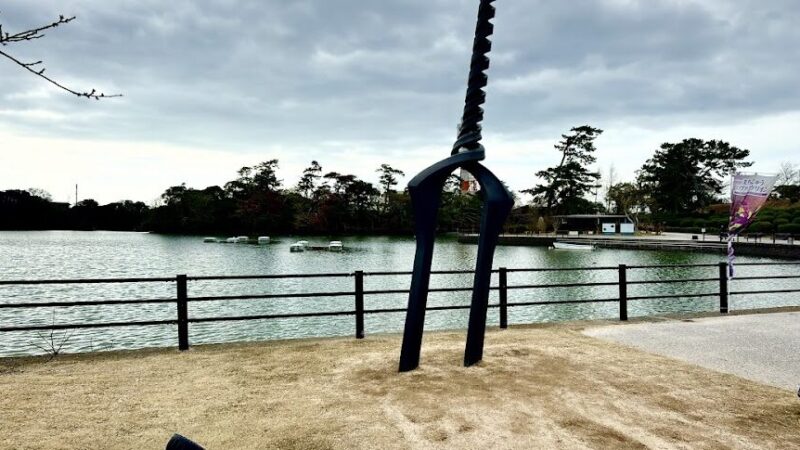
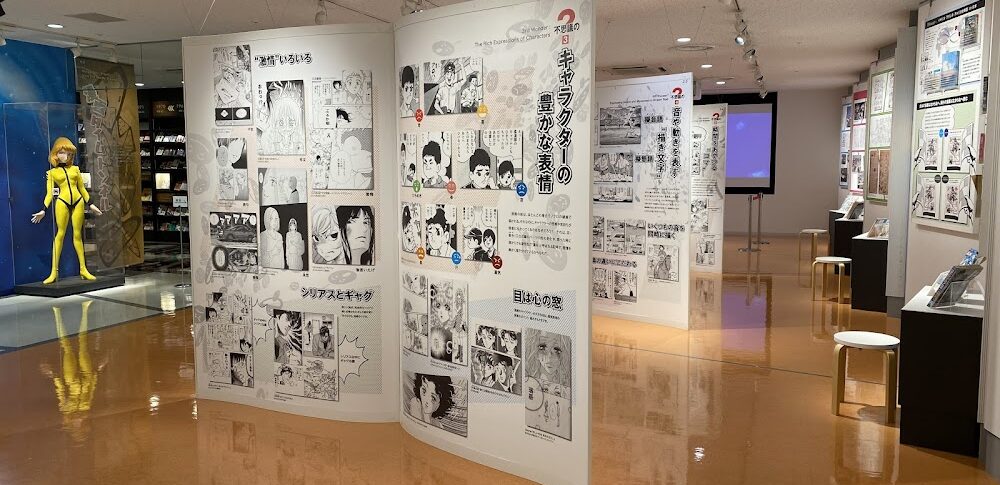
Kitakyushu City in Fukuoka Prefecture is known as the “Manga Town,” having produced numerous manga artists representing Japan. The cultural hub of this legacy is the “Kitakyushu City Manga Museum.” This facility, which opened in August 2012, has been selected as one of the Japan Anime Tourism Association’s “Anime Holy Sites 88,” and has become a pilgrimage destination that attracts the attention of anime and manga fans throughout the country.
This article provides a comprehensive introduction to the appeal of the Kitakyushu City Manga Museum, covering everything you need to know before visiting—from access methods and exhibition contents to event information and nearby pilgrimage sites.
What is the Kitakyushu City Manga Museum? The Complete Picture of a Manga Culture Holy Site
The Kitakyushu City Manga Museum is located on the 5th and 6th floors of “Aru Aru City” at 2-14-5 Asano, Kokurakita Ward, Kitakyushu City, Fukuoka Prefecture, serving as the hub for manga culture dissemination. Its excellent accessibility—just a 2-minute walk from JR Kokura Station—is a major attraction for pilgrims.
Basic Facility Information
Opening Hours: 11:00 AM – 7:00 PM (last admission at 6:30 PM)
Closed: Every Tuesday (or the following day if Tuesday is a holiday), New Year’s period, facility maintenance days
Location: 5th and 6th floors of Aru Aru City, 2-14-5 Asano, Kokurakita Ward, Kitakyushu City, Fukuoka Prefecture
Access: Approximately 2 minutes on foot from the Shinkansen exit (North exit) of JR Kokura Station
Why is Kitakyushu Called the “Manga Town”?
Kitakyushu City has produced numerous renowned manga artists who have left their mark on the history of Japanese manga. Notable creators include:
- Leiji Matsumoto: Author of “Galaxy Express 999” and “Space Battleship Yamato”
- Tsukasa Hojo: Author of “City Hunter” and “Cat’s Eye”
- Seizo Watase: Author of “Heart Cocktail”
- Jun Hatanaka: Author of “Mandala-ya no Ryota”
- Buronson: Original author of “Fist of the North Star”
- Noriyoshi Hasegawa: Author of “Hakata Boy Pure Heart”
These artists grew up in Kitakyushu and established the foundation for their creative activities in this region, making this city the “holy site of manga.”
Anime Holy Sites 88 Certification | The Value of Kitakyushu City Manga Museum as a Holy Site
The Kitakyushu City Manga Museum has been certified as one of the Japan Anime Tourism Association’s “88 Anime Holy Sites in Japan Worth Visiting.” This certification serves as an official seal of approval for anime and manga fans designating this as a “must-visit holy site.”
Appeal as a Pilgrimage Destination
Holy site pilgrimage is a fan activity involving visiting locations that serve as settings for anime and manga, or facilities related to such works. The Kitakyushu City Manga Museum has become an important pilgrimage destination for the following reasons:
- Exhibition of original artwork and materials from renowned local artists: Permanent displays of valuable materials from hometown creators including Leiji Matsumoto
- Special exhibitions allowing immersion in work worlds: Regularly held special exhibitions that allow visitors to fully immerse themselves in popular works
- Learn the history of manga culture: Systematically understand the development of Kitakyushu’s manga culture
- Training ground for creators: Lectures and workshops nurturing the next generation of manga artists
Highlights of the Facility | Three Experiences: “See,” “Read,” and “Draw”
The Kitakyushu City Manga Museum is structured around three themes—”See!”, “Read!”, and “Draw!”—allowing visitors to enjoy manga culture from multiple perspectives.
[See] Exhibition Zone | Introduction of Local and Related Artists
The exhibition zone on the 5th floor features permanent displays of works and related materials from manga artists from or associated with Kitakyushu. The Leiji Matsumoto corner displays original artwork, design documents, and other materials from “Galaxy Express 999” and “Space Battleship Yamato”—content that manga fans will find truly tantalizing.
Corners dedicated to other artists such as Tsukasa Hojo, Seizo Watase, and Jun Hatanaka showcase their unique artistic worlds. Through these exhibitions, visitors can understand the lineage of diverse manga expression nurtured in Kitakyushu.
[Read] Reading Zone | Approximately 70,000 Books, Among Japan’s Largest Collections
The reading zone on the 6th floor is arguably the defining feature of the Kitakyushu City Manga Museum. With approximately 70,000 manga titles—one of Japan’s largest collections—visitors can freely read manga, making this truly a “holy site” for manga lovers.
Features of the Reading Zone:
- Extensive lineup from classic masterpieces to latest releases
- Comfortable seating on spacious sofas and chairs for enjoyable reading
- Clear organization by genre
- Environment designed for comfortable extended stays
It’s possible to spend the entire day reading manga, and while admission ends at 6:30 PM, visitors can immerse themselves in the manga world until the 7:00 PM closing time.
[Draw] Experience Zone | Learn Manga Creation
The Kitakyushu City Manga Museum regularly offers various manga drawing classes and workshops.
Main Experience Programs:
- Manga Classes: From basic courses for beginners to advanced technical training
- Manga Creator Development Courses: Specialized courses for those seeking professional-level skills and knowledge
- Manga Experience Events: Hands-on events accessible to both children and adults
- Manga Discussion Groups: Community activities where visitors read and discuss works together
These programs offer valuable opportunities not only to enjoy manga but also to experience the creative perspective of manga artists.
Exhibition Plans and Event Information | Constantly Updated Content
One appeal of the Kitakyushu City Manga Museum is its regularly held special exhibitions and events. These are continuously planned with new themes, ensuring fresh discoveries with each visit.
Notable Past Special Exhibitions
- Collection Exhibition “Manga Artists Born in Kitakyushu—Seven Colors of Manga Art”: Introducing the diverse expressive techniques of local artists
- “Let’s Have Fun Together! Panda! Go, Panda! Exhibition”: Featuring works from the classic anime by Takahata Isao and Miyazaki Hayao
- “From Kitakyushu! Food Education Anime ‘Komekaming! Girls’ Exhibition”: Introducing locally produced anime works
Regular Events
Manga Discussion Groups: Annual schedules for 2026 have been published with monthly themes. This event is popular as a place where fans who have read the same work can share their impressions.
Golden Week and Summer Holiday Special Events: During extended holidays, special openings and limited events are frequently held, making them essential to check when planning pilgrimage visits.
Latest event information is continually updated on the official website and SNS (Instagram: @ktqmm2012), so checking before your visit is recommended.
Access and Admission Information | Practical Holy Site Pilgrimage Guide
How to Get There
By Train:
- Approximately 2 minutes on foot from the Shinkansen exit (North exit) of JR Kokura Station
- Approximately 3 minutes on foot from Kitakyushu Monorail Kokura Station
Train access is excellent, with the Shinkansen providing good connections—approximately 15 minutes from Hakata Station and approximately 40 minutes from Hiroshima Station, making holy site pilgrimages from within and outside Kyushu easily accessible.
By Car:
- Approximately 5 minutes from the “Otemachi Ramp” of the Kitakyushu Urban Expressway
- The parking lot of “Aru Aru City” is available for use (fee required)
Admission Fee
The pricing is reasonable compared to typical museums and art galleries, and considering the extended time visitors can spend there, the cost performance is exceptionally high.
※Please check the official website for the latest fee information. Some special exhibitions may require additional fees.
Recommended Visit Duration
- Exhibition viewing only: 1 to 2 hours
- Reading manga in the reading zone: 2 to 4 hours or more
- Enjoying thoroughly: Half day to full day
For pilgrimage visits, viewing exhibitions and taking photos requires only 1 to 2 hours, but many visitors lose track of time once they start reading manga in the reading zone.
Nearby Pilgrimage Sites | Attractions in the Kitakyushu Area
When visiting the Kitakyushu City Manga Museum, exploring related sites in the surrounding area provides a more enriching experience.
Kokura Station Area
Kokura Castle: Located approximately 10 minutes on foot, this Kitakyushu landmark offers the sensation of experiencing the fusion of history and manga culture.
Riverwalk Kitakyushu: Approximately 5 minutes on foot. This multipurpose complex offers shopping and dining and is ideal as a break spot during pilgrimage visits.
Sites Associated with Leiji Matsumoto
Throughout Kitakyushu, monuments and objects modeled after characters from Leiji Matsumoto’s works are scattered about.
Inside Kokura Station: Statues of Maetel and Tetsuro from “Galaxy Express 999” are installed and serve as popular photo spots.
Kitakyushu Airport: The airport also displays characters from Leiji Matsumoto’s works, allowing visitors to experience the pilgrimage atmosphere even during arrival and departure.
Moji Port Retro Area
The Moji Port area, approximately 15 minutes from Kokura Station by JR, is frequently used as a setting for anime and manga. The retro streetscape is photogenic and allows simultaneous enjoyment of pilgrimage and sightseeing.
How to Enjoy the Kitakyushu City Manga Museum | Tips for Holy Site Pilgrimages
Recommended Plan for First-Time Visitors
Arrive in the morning: Arriving at the 11:00 AM opening allows leisurely viewing while avoiding crowds.
Start with the exhibition zone: First visit the 5th floor exhibition zone to learn about Kitakyushu’s manga culture history and its artists, then proceed to the 6th floor reading zone to actually read the works—this flow is recommended.
Lunch at nearby locations: Numerous restaurants surround Kokura Station, and you can also enjoy local specialties like Kitakyushu-style grilled udon.
Relax in the reading zone in the afternoon: After lunch, unwind reading your favorite manga in the reading zone. You can fully immerse yourself in the manga world until closing time.
Ways to Enjoy for Returning Visitors
Focus on special exhibitions: Visiting specifically for regularly updated special exhibitions ensures fresh discoveries with each visit.
Attend events: Participating in manga discussion groups or special lectures allows interaction with fellow fans sharing the same interests.
Visit seasonally: Aiming for periods when special programs are held—Golden Week, summer vacation, or around the New Year—is also recommended.
Photography Tips
Exhibitions are generally open to photography, though certain areas are restricted. Confirm with staff or check posted signs before photographing.
Recommended Photography Spots:
- Leiji Matsumoto work original artwork display corner
- Reading zone bookshelves (impressive collection of 70,000 titles)
- Special photo spots at exhibitions
When sharing information on SNS, using the official hashtag “#北九州市漫画ミュージアム” allows connection with other pilgrims.
Other Anime and Manga Holy Site Pilgrimage Spots in Fukuoka Prefecture
Visiting other holy site pilgrimage locations in Fukuoka Prefecture while at the Kitakyushu City Manga Museum enhances your overall trip.
Spots in Fukuoka City
Fukuoka City Museum: Special exhibitions featuring works by Eiichiro Oda, author of “One Piece,” are occasionally held.
Canal City Hakata: This commercial facility frequently hosts anime collaboration events.
Dazaifu and Chikushino Area
Dazaifu Tenmangu: Known as a holy site for the anime “Sound! Euphonium,” many fans visit while praying for academic success.
Kurume Area
Kurume City is known as the hometown of Inoue Takehiko, author of “Slam Dunk,” with related spots scattered throughout the city.
Conclusion | Fully Enjoy Holy Site Pilgrimage at the Kitakyushu City Manga Museum
The Kitakyushu City Manga Museum is a multifaceted facility representing the history of this land, which greatly contributed to the development of Japanese manga culture, the countless masterpieces born here, and a place nurturing future creators.
This location, selected as one of the “Anime Holy Sites 88,” is far more than a mere exhibition facility—it is a place where manga can be comprehensively enjoyed from three perspectives: “see,” “read,” and “draw,” truly deserving the title of pilgrimage site for manga fans.
The reading zone with its approximately 70,000 manga titles is among Japan’s largest collections, and visitors never tire even spending the entire day there. The exhibition zone allows close viewing of valuable original artwork and materials from renowned artists like Leiji Matsumoto, Tsukasa Hojo, and Seizo Watase, while various lectures and events allow actual experience of manga creation—each visit brings new discoveries and emotions.
Its excellent accessibility—just a 2-minute walk from JR Kokura Station—is a major attraction for pilgrims. The Shinkansen provides access in approximately 15 minutes from Hakata and about 1 hour from Hiroshima, making day-trip pilgrimage visits from within and outside Kyushu entirely feasible.
Operating hours are 11:00 AM to 7:00 PM (last admission at 6:30 PM), with closure every Tuesday (or the following day if Tuesday is a holiday). When planning your visit, check the official website for the latest information.
When visiting Fukuoka Prefecture, consider adding the Kitakyushu City Manga Museum to your pilgrimage list. You will fully experience the depth of manga—a culture Japan proudly presents to the world—and the creative spirit nurtured by the land of Kitakyushu.