The movie “I Have a Crush on You! Precious Friends” (commonly known as “Wataten Prefure”), released on October 14, 2022, has become a beloved work cherished by many fans as a completely new theatrical film in the popular anime series written by Nanatsuki Mukurogi. The film is set in the Chichibu area, centered around Nagatoro Town in Chichibu District, Saitama Prefecture. The beautiful natural scenery and the warm story within the work merge perfectly, and many fans have been visiting the sacred sites immediately after the film’s release.
This article provides detailed explanations of all the sacred sites featured in the movie and delivers comprehensive practical information for actual pilgrimage visits.
About the Movie “I Have a Crush on You! Precious Friends”
“I Have a Crush on You! Precious Friends” is a completely new theatrical film based on the TV anime “I Have a Crush on You!” The story depicts the close-knit group of five fifth-grade girls—Hana, Hinata, Noa, Koi, and Natsune—visiting Nagatoro Town in Saitama Prefecture with Hinata’s older sister Miyako, experiencing the summer festival and river boat rides.
Distributed by Kadokawa ANIMATION, despite a runtime of approximately 60 minutes, this work received high acclaim as a healing-type piece where the charm of the characters and the beautiful scenery of Nagatoro perfectly blend together. It was also selected in the 2024 edition of “88 Anime Sacred Sites Worth Visiting in Japan,” and Nagatoro Town has gained attention as a new anime sacred site.
Why Nagatoro Town Was Chosen as the Setting
Nagatoro Town is a nature-rich tourist destination located in the northwestern part of Saitama Prefecture in Chichibu District. It is known as an area with attractions throughout the seasons, including “Iwatataami,” a scenic spot designated as a national scenic beauty and natural monument created by the clear flow of the Arakawa River, line boating, Mount Hodosan, and cherry blossom-lined streets.
In the movie, the natural beauty of Nagatoro and the region’s festival culture play important roles, perfectly matching as a stage that enhances the story of the characters’ growth and friendship. The good accessibility from the city center, with approximately two hours from Ikebukuro via Chichibu Railway, is also ideal for a sacred site pilgrimage.
Basic Information and Access for Sacred Site Pilgrimage
How to Access Nagatoro Town
By Train
- Approximately 80 minutes from Ikebukuro Station to Seibu-Chichibu Station on the Seibu Ikebukuro Line (using limited express)
- Transfer to Chichibu Railway from Seibu-Chichibu Station, approximately 20 minutes to Nagatoro Station
- Total travel time: approximately 2 hours
By Car
- Approximately 30 minutes from “Hanazono IC” on the Kanetsu Expressway via National Route 140
- Multiple parking lots available around Nagatoro Station and near Iwatataami (both paid and free)
Best Time to Visit for Pilgrimage
While the movie is set in summer Nagatoro, pilgrimages can be enjoyed year-round.
- Spring (late March to April): Nagatoro is famous as a cherry blossom destination. The cherry blossom-lined street of Kita-Sakura-dori is spectacular
- Summer (July to August): The same season as the movie. The best time to enjoy line boating
- Autumn (November): Known for beautiful autumn foliage, especially stunning around Iwatataami
- Winter (December to February): Fewer tourists allow for quiet pilgrimages. The winter wax plum season is also attractive
Precautions During Pilgrimage
- Entry into residential areas and private property is strictly prohibited
- When photographing, be considerate of those around you
- Always take your trash with you
- Do not forget gratitude and respect toward the local people
- Consider contributing to the local economy through shopping at stores
Detailed Guide to Major Sacred Sites
Nagatoro Station (Chichibu Railway)
Nagatoro Station is where Miyako’s group alights in the opening of the movie. The Chichibu Railway station building is a charming wooden structure faithfully recreated in the film.
Highlights
- Station exterior: A retro-style wooden station building
- Platform: Allows for recreation of the scene where the girls get off the train
- Station plaza: Has a tourist information office where you can obtain pilgrimage maps
Pilgrimage Points
Photographing from directly in front of the station building will give you an angle close to the movie scene. Morning hours offer good lighting for photography.
Surrounding Information
- Obtain Nagatoro tourist maps at the tourist information office
- Coin lockers available (convenient for storing large luggage)
- Restrooms complete
Iwatataami (Nagatoro Line Boat Dock Area)
The most impressive stage of the movie is “Iwatataami.” It is a riverbed of crystalline schist created by the clear flow of the Arakawa River and is designated as a national scenic beauty and natural monument.
Highlights
- Vast rocky riverbed: The stage where the girls walk in the movie
- Chichibu Red Cliff across the river: A beautiful reddish-brown rock wall
- Clear flow of the Arakawa: A highly transparent river flow
Pilgrimage Points
You can actually walk on the rocks of Iwatataami. The movie features multiple scenes of the five girls—Hana, Hinata, Noa, Koi, and Natsune—walking on Iwatataami. Standing in the actual location where scenes of the five walking on flat rocks occur allows the movie’s emotion to resurface.
Photography Tips
- Afternoon hours offer good forward-facing light for photography
- Rocks are slippery, so comfortable walking shoes are recommended
- During high water levels, it is dangerous, so do not get too close to the water’s edge
Access
Approximately 5 minutes on foot from Nagatoro Station. Exit the station, head right, and pass through the shopping street to reach it.
Nagatoro Line Boat Riding
“Line boat riding,” a famous attraction of Nagatoro, plays an important role in the climactic scenes of the movie. The film depicts the girls riding in a traditional boat down the Arakawa River.
Experience Information
- Operating period: Year-round (closed during high water and bad weather)
- Duration: Course A approximately 20 minutes, Course B approximately 20 minutes, full course approximately 40 minutes
- Fees: Adults from 1,800 to 3,300 yen (varies by course)
- Reservations: Recommended during peak seasons
Pilgrimage Points
Actually experiencing line boat riding allows you to re-experience scenes from the movie. Listening to the boatman’s explanations while viewing Iwatataami and the Chichibu Red Cliff from the water’s surface becomes the greatest highlight of the sacred site pilgrimage.
Photography Points
- Around the boarding area: Ideal for commemorative photos before departure
- Views from the boat: Iwatataami and surrounding mountains
- Iwatataami after disembarking: Can photograph at angles similar to movie scenes
Nagatoro Shopping Street
Along the path from Nagatoro Station to Iwatataami extends a charming shopping street. It appears as a background in the movie, with scenes depicting Miyako’s group walking through it.
Highlights
- Retro-style shop buildings
- Souvenir shops featuring Chichibu specialties
- Restaurants (soba, udon, shaved ice, etc.)
Gourmet Information
- “Asami Reizou”: Famous for natural ice shaved ice (may require long waits during summer)
- “Soba Shokutajima”: Hand-made soba is popular
- “Choseikan”: Chichibu specialty pork miso rice bowl
Souvenirs
- Chichibu specialty sweets
- Wataten collaboration goods (during collaboration period)
- Local sake from Nagatoro
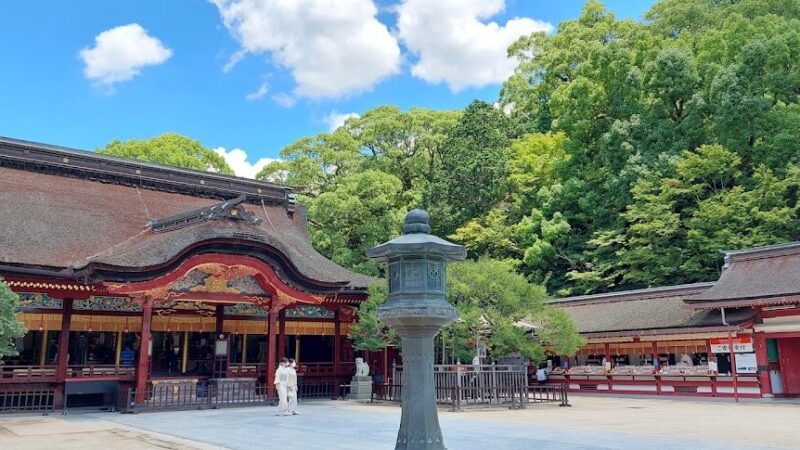
Hodosan Shrine
A representative shrine of Nagatoro and an important location in the movie. It has received one star in the Michelin Green Guide Japan.
Highlights
- Main hall: Beautifully carved shrine building
- Approach: A charming stone stairway entrance
- View from the grounds: Panoramic view of the town of Nagatoro
Pilgrimage Points
The shrine area appears in the movie’s festival scenes. Visiting during the actual Nagatoro Funatama Festival (August 15) allows you to feel the movie’s atmosphere more strongly.
Access
Approximately 15 minutes on foot from Nagatoro Station. Pass through the shopping street and climb a gentle slope.
Hodosan Ropeway
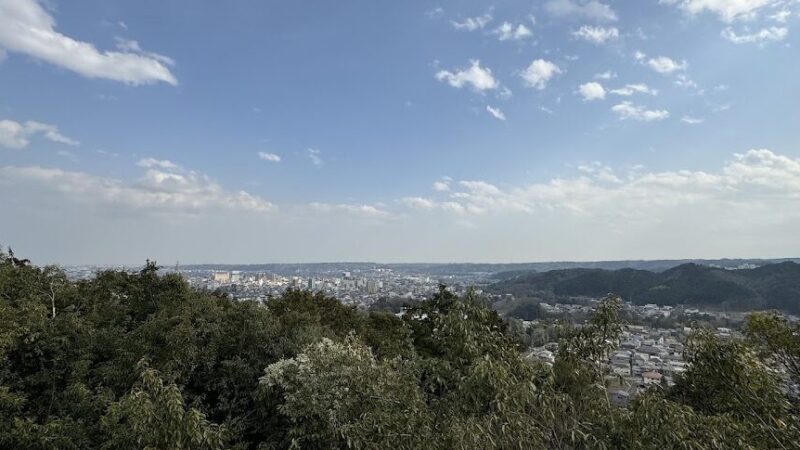
If heading further up the mountain from the shrine, using the Hodosan Ropeway is convenient. The mountain summit offers spectacular views of the Chichibu Basin.
Spots Within Chichibu City
The movie features not only sites in Nagatoro Town but also some spots within the neighboring Chichibu City.
Chichibu Shrine
An ancient shrine known as the chief shrine of the Chichibu region. The Chichibu Night Festival in December is one of Japan’s three greatest cart festivals.
Chichibu Festival Hall
Displays Chichibu Night Festival floats and related materials. Helps understand the background of the movie’s festival scenes.
Michi-no-Eki Chichibu
A souvenir spot with Chichibu specialty products. Also ideal for rest.
Minano Town Area
Minano Town, adjacent to the south of Nagatoro Town, appears as part of the movie’s setting.
Oyahana Bridge
A railway bridge of the Chichibu Railway spanning the Arakawa River. Appears as a distant view in the movie.
Beauty Mountain Park
A famous spot for cherry blossoms and autumn foliage. A viewing spot overlooking the Nagatoro area that serves as a reference for landscape scenes in the movie.
Collaboration Projects with Nagatoro Town
Coinciding with the movie’s release, Nagatoro Town actively pursued collaboration projects.
Stamp Rally
During the movie’s release, a stamp rally was held at major sites throughout Nagatoro Town. Participants received limited edition goods as prizes, which were well-received by fans.
Collaboration Goods
- Original clear files
- Pilgrimage maps
- Limited edition can badges
- Postcard sets
These were sold at Nagatoro Station’s tourist information office and cooperating shops throughout town.
Full-Size Panel Installation
Full-size character panels were installed at Nagatoro Station and around Iwatataami, serving as popular commemorative photo spots.
Local Shop Cooperation
Restaurants and souvenir shops in the shopping street offered “Wataten” collaboration menus and goods. Efforts were made to boost the work throughout the region.
Efficient Sacred Site Pilgrimage Model Courses
Half-Day Course (approximately 4 hours)
9:00 Arrival at Nagatoro Station
↓ 5-minute walk
9:10 Iwatataami stroll and photography (60 minutes)
↓ 5-minute walk
10:15 Shopping street exploration and shopping (45 minutes)
↓ 15-minute walk
11:15 Hodosan Shrine visit (30 minutes)
↓ 15-minute walk
12:00 Lunch at shopping street (60 minutes)
↓ 5-minute walk
13:05 Departure from Nagatoro Station
Full-Day Experience Course (approximately 8 hours)
9:00 Arrival at Nagatoro Station
↓ 5-minute walk
9:10 Iwatataami stroll (60 minutes)
↓ Immediately
10:10 Nagatoro Line boat ride experience (60 minutes)
↓ 5-minute walk
11:15 Shopping street exploration (45 minutes)
↓ Immediately
12:00 Lunch (60 minutes)
↓ 15-minute walk
13:15 Hodosan Shrine visit (30 minutes)
↓ Using ropeway
14:00 Hodosan mountain summit sightseeing (60 minutes)
↓ Using ropeway
15:15 Shopping street souvenir shopping and café break (90 minutes)
↓ 5-minute walk
16:45 Departure from Nagatoro Station
Chichibu Area Exploration Course (1 night 2 days)
Day 1
- Morning: Pilgrimage to major Nagatoro sites
- Afternoon: Line boat riding experience, Hodosan sightseeing
- Evening: Move to Chichibu City, overnight stay
- Night: Enjoy Chichibu hot springs
Day 2
- Morning: Visit Chichibu Shrine and Chichibu Festival Hall
- Afternoon: Sacred sites in the Minano Town area
- Evening: Purchase souvenirs at Michi-no-Eki before heading home
Tips for Enjoying Sacred Site Pilgrimages
Movie Preview and Review
Watching the movie beforehand through Blu-ray, DVD, or streaming services (such as Amazon Prime Video) and familiarizing yourself with scenes and locations enhances the pilgrimage experience. You will also notice many new discoveries on-site.
Camera and Filming Equipment
- Smartphones are sufficient, but single-lens reflex or mirrorless cameras capture more beautiful photos
- A wide-angle lens makes it easier to express Iwatataami’s vastness
- Backup batteries are essential (especially in winter)
- Exercise caution with tripods during crowded times
Clothing and Belongings
- Comfortable walking shoes (Iwatataami’s rocks are slippery)
- Season-appropriate clothing (heat protection in summer, cold protection in winter)
- Hat, sunscreen (summer)
- Drinks (vending machines are concentrated around the station)
- Rain gear (to prepare for weather changes)
SNS Information Gathering
Searching hashtags like “#wataten sacred site pilgrimage” or “#nagatoro” on Twitter and Instagram reveals latest information and photo spots from other pilgrims.
Interaction with Local People
Shopping street owners and tourist information office staff are experts on the region’s attractions. Active communication can provide information unavailable in guidebooks.
Nagatoro’s Four Seasons and Annual Events
Spring (March to May)
- Late March to early April: Cherry blossoms bloom. Kita-Sakura-dori’s cherry blossom-lined street features approximately 3,000 flowering trees
- Mid-April: Nagatoro Cherry Blossom Festival held
- May: Fresh greenery season. Ideal for hiking
Summer (June to August)
- July to August: Best season for line boat riding
- August 15: Nagatoro Funatama Festival (model for the movie’s festival scene)
- Mid-August: Lantern floating ceremony
Autumn (September to November)
- Early to late November: Peak autumn foliage season. Especially beautiful around Iwatataami
- Mid-November: Nagatoro Autumn Foliage Festival held
- November 23: Chichibu Night Festival (Chichibu City)
Winter (December to February)
- Late December to February: Hodosan’s winter wax plums are at their best
- January to February: Ice pillar light-up displays at various locations in the Chichibu area
- Fewer tourists allow for quiet pilgrimages
Accommodation Information
Lodging Facilities Within Nagatoro Town
Inns and Hotels
- Choseikan: Historic inn, enjoy Chichibu cuisine
- Yougoutei: Traditional inn along the Arakawa River
- Flower’s Hospitality Choseikan: Recently renovated comfortable facilities
Guest Houses and Pensions
- Relatively affordable price range
- Homey atmosphere
Lodging Facilities in Chichibu City
More options available, ranging from business hotels to hot spring inns.
Hot Spring Inns
- Seibu Chichibu Station Front Hot Spring Matsuri-no-Yu: Day-use hot spring also available
- Natural Farm City Farm Hotel: Accommodations in nature
Business Hotels
- Multiple options around Chichibu Station and Seibu-Chichibu Station
- Relatively affordable
Nearby Tourist Attractions
Introduction to nearby spots worth visiting along with sacred site pilgrimages.
Mitsuminé Shrine
A mountaintop shrine at an altitude of 1,100 meters located in the depths of Chichibu. Known as one of the Kanto region’s foremost power spots. Approximately 1 hour by car from Nagatoro.
Chichibu Muse Park
A vast park facility. The observation deck offers wonderful views, and seasonal flowers can be enjoyed throughout the year.
Hitsujiyama Park
A park famous for spring’s moss phlox flowers. From mid-April to early May, the entire park becomes a pink carpet.
Chichibu Pilgrimage Sites Circuit
A circuit of the Chichibu Thirty-Four Kannon Bodhisattva pilgrimage sites. Experience history and culture.
The Work’s Appeal and Its Relationship with Sacred Sites
One reason “I Have a Crush on You! Precious Friends” is loved by many fans is the perfect blend of character charm and the beauty of Nagatoro as the setting.
The story of five girls with distinct personalities—Hana, Hinata, Noa, Koi, and Natsune—deepening their friendship in Nagatoro’s nature warms viewers’ hearts. In particular, scenes at Iwatataami and river boating maximize Nagatoro’s actual charm, causing many movie viewers to think, “I want to actually visit.” The warm world created by original author Nanatsuki Mukurogi and Nagatoro’s natural healing have a synergistic effect, creating a flow where many fans visit Nagatoro in the form of sacred site pilgrimages. It is also noteworthy that Nagatoro Town itself actively engages in collaboration with the work, with fans and the community building positive relationships.
Contributing to Local Economy and Sustainable Sacred Site Pilgrimages
With its selection in the 2024 edition of “88 Anime Sacred Sites Worth Visiting in Japan,” Nagatoro Town has gained a new pillar of tourism. Local shopkeepers have largely welcomed “Wataten” fans, with comments like “It feels like gaining grandchildren” being reported.
Sacred site pilgrimages hold significance beyond mere sightseeing. When fans visit regions with love for a work, shop at local stores, and patronize restaurants, they contribute to the local economy. Simultaneously, the region’s charm is communicated nationwide through the work, creating a virtuous cycle attracting new tourists.
Sustainable sacred site pilgrimages require mutual understanding and respect between fans and the community. Pilgrimages following etiquette, gratitude toward the region, and active contribution to the local economy enhance long-term sacred site value.
Conclusion: To Nagatoro Where Angels Have Descended
“I Have a Crush on You! Precious Friends,” a sacred site of Nagatoro Town in Saitama Prefecture, is an ideal sacred site pilgrimage spot where beautiful natural scenery, warm local people, and the work’s world view harmoniously blend.
The magnificent Iwatataami landscape, the clear Arakawa River, historically significant temples and shrines, and delicious Chichibu cuisine. All of these allow you to feel the story of the girls more deeply. Re-experiencing the warm emotions felt from watching the movie in its actual location deepens your love for the work further.
The good accessibility of approximately 2 hours from the city center is also appealing. While enjoyable even as a day trip, spending a night to slowly explore the Chichibu area is also recommended. Nagatoro, displaying different faces through the seasons, offers new discoveries with each visit.
Why not embark on a sacred site pilgrimage to Nagatoro, where the “Wataten” angels have descended? Surely a wonderful, heartwarming experience awaits.