完全ガイド|聖地巡礼と刀鍛冶文化の魅力.jpg)
The popular anime “Demon Slayer” features the Sword Village arc in Season 3, “Swordsmith Village Arc.” The model for this setting is Seki City in Gifu Prefecture. This place, where the tradition of swordsmithing with over 700 years of history continues to thrive, has gained attention as a new pilgrimage site for Demon Slayer fans.
This article introduces the charm of Seki City in Gifu Prefecture comprehensively, from the history of sword-making culture, to actual tourist spots worth visiting, to the techniques and world of master craftsmen.
What is Demon Slayer’s “Swordsmith Village Arc”?
The “Swordsmith Village Arc” is a chapter found in volumes 12 through 15 of the original manga and was broadcast as a television anime in spring 2023. The story follows the protagonist Tanjiro Kamado visiting a hidden village where swordsmiths live in order to forge a new demon-slaying sword after his blade is damaged in a battle in the entertainment district.
In this village, craftsmen who forge the demon-slaying swords used by the Demon Slayer Corps members live in secret. The story depicts reunions with Muichiro Tokito, the Mist Hashira, and Mitsuri Kanroji, the Love Hashira, as well as intense battles with demons of the Upper Moons. It becomes an important chapter where Tanjiro’s growth and the pride of sword-making craftsmen intersect.
Why Seki City in Gifu Prefecture is Considered the Model for the “Swordsmith Village”
700 Years of Sword-Making Tradition
Seki City in Gifu Prefecture is known nationwide as one of Japan’s premier sword-making production centers, with a history stretching back to the Kamakura period. The history of Seki sword-making dates back approximately 700 years, and many sword masters gathered in this area because it had three essential conditions for sword-making: high-quality sword-hardening clay, clear streams of the Nagara and Tsubo rivers, and pine charcoal for furnaces.
During the Muromachi period, the city produced many master craftsmen, starting with Kaneyoshi, who became famous as “Madoka of Seki.” The Seki swords, praised as “unbreakable, unbendable, and sharp,” earned unwavering trust from samurai.
Sword-Making Culture That Continues Today
Following the sword prohibition edict during the Meiji period, Seki’s sword-making techniques transformed into the cutlery industry—knives, scissors, and the like—yet the tradition was never interrupted and has been passed down to this day. Currently, Seki City is internationally recognized as a “city of blades.”
Active sword masters reside within the city and continue to inherit traditional Japanese sword-making techniques. This “a place where swordsmiths actually exist today” overlaps with the Swordsmith Village in Demon Slayer, and the city has become recognized as a pilgrimage site among fans.
A Mysterious Connection with LiSA
LiSA, the artist who sings the opening theme “Crimson Flame” for Demon Slayer, is actually from Seki City in Gifu Prefecture. This surprising coincidence has also strengthened the connection between Seki City and Demon Slayer.
Seki Sword-Making Transmission Hall: The Heart of Sword-Making Culture
Facility Overview and Exhibits
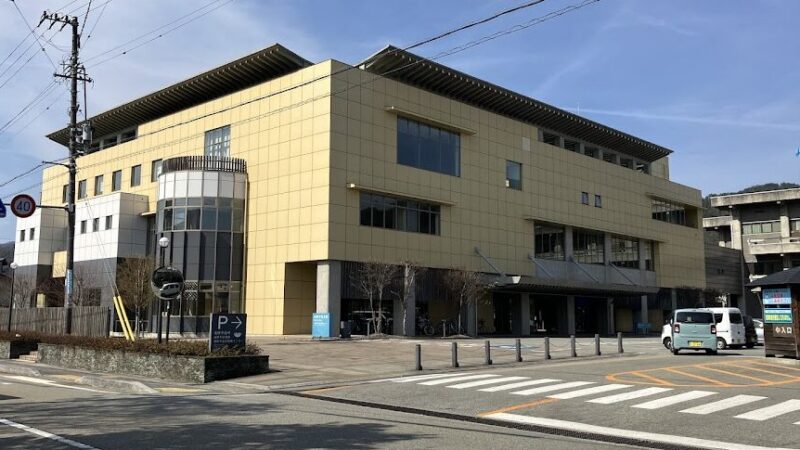
The Seki Sword-Making Transmission Hall (9-1 Minamiharu-chi, Seki City, Gifu Prefecture) is a facility established to pass down Seki’s sword-making culture to future generations. Through exhibits of the history of Seki sword-making, the Japanese sword-making process, and displays of famous swords, visitors can gain a deep understanding of the world of sword-making.
The exhibition room displays swords and blades produced in Seki from the Kamakura period to the present day, allowing visitors to view their beauty and technical excellence up close. In addition, tools and materials related to sword-making are displayed abundantly, making it a place to systematically learn about craftsmen’s techniques and history.
Ancient Method Japanese Sword Forging Demonstration: The Spectacle of Craftsman Skill
The main attraction of the Seki Sword-Making Transmission Hall is the monthly public demonstration of ancient Japanese sword forging, typically held on the first Sunday of each month. The sight of master craftsmen and their apprentices striking steel heated to a brilliant red with hammers is spectacular. The scene of sparks flying is exactly like the world of sword-making depicted in Demon Slayer.
During the demonstration, the sword master appears in traditional attire and performs the process of forging a sword using ancient methods. The sound of the bellows—”Shoo, shoo”—and the clang of the hammer—”Clang, clang”—resound as the craftsman’s skills unfold before the audience, captivating many spectators.
Demonstrations by Sharpening Masters and Scabbard Craftsmen
On the same day, demonstrations by sharpening masters and scabbard craftsmen are also held. The delicate techniques of sharpening masters who bring out the beauty of Japanese swords, and the skills of scabbard craftsmen who protect and decorate swords—these offer a precious opportunity to experience the world of craftsmen across various fields related to swords.
While Demon Slayer features various sword-making craftsmen including Hotaru Teitoku, who forges Tanjiro’s sword, witnessing the actual craftsmanship will deepen your understanding of the work.
Facility Information
- Address: 9-1 Minamiharu-chi, Seki City, Gifu Prefecture
- Hours: 9:00 AM–4:30 PM (last entry 4:00 PM)
- Closed: Tuesdays (or the next day if Tuesday is a holiday), the day after holidays, year-end and new year
- Admission: General 300 yen, high school students 200 yen, elementary and middle school students 100 yen
- Ancient Forging Demonstrations: Typically the first Sunday of each month (excluding January and February)
- Access: About 15 minutes walk from JR Takayama Main Line “Seki Station,” or about 10 minutes walk from Nagara River Railway “Seki City Hall Station”
What Do Sword Masters Do? A Deep Dive into the Craftsman’s World
The Japanese Sword-Making Process
A sword master is not simply a craftsman who makes swords. Japanese sword-making requires highly advanced techniques, long experience, and spirituality.
The main processes are as follows:
- Material Selection: Selection of high-purity steel called tamahagane
- Accumulation and Heating: Heating and striking steel to remove impurities
- Repeated Folding and Forging: Folding and striking repeatedly to create both strength and beautiful blade patterns
- Shaping: Shaping the sword
- Clay Application: Applying sword-hardening clay in preparation for heat-treating
- Heat Treatment: Heating the blade to high temperatures and immersing it in water to increase hardness
- Finishing: Straightening warping and refining the shape
These processes take months to years to complete, and they represent the culmination of the sword master’s technique and experience.
Relationship with Tatara Iron-Making
“Tatara” refers to a large bellows (fue) used in Japan’s ancient iron-making method. Air is pumped into the furnace to maintain high temperatures, creating steel from iron sand.
Within Seki City remains the place name “Tatara,” which is known as a name related to iron-making. The existence of this place name is evidence that Seki City has long had deep ties to sword-making.
Training and Succession of Sword Master Craftsmen
Becoming a sword master requires a long apprenticeship period. Generally, one must apprentice under a sword master for at least five years or more, after which completing the “Fine Art Sword Blade Craftsman Technique Preservation Training Course” conducted by the Agency for Cultural Affairs grants formal qualification as a sword master.
Currently, approximately 300 sword masters work across Japan, and the succession of their techniques is a challenge. Seki City is making efforts in the development of young sword masters, with initiatives underway to pass traditional techniques to the next generation.
Demon Slayer Pilgrimage Sites: Spots Around Seki City
The Great Stone Dropped by a Demon (Tatara District)
In the Tatara district of Seki City, there is a massive rock called “The Stone Dropped by a Demon.” This location has gained attention as a new pilgrimage site along with Demon Slayer’s popularity.
According to local legend, a demon that appeared in this area long ago dropped a large stone it was carrying while fleeing. The overlapping themes of Demon Slayer, demons, the place name “Tatara” associated with sword-making, have made it a topic of discussion among fans.
Access Information:
- Address: Tatara, Seki City, Gifu Prefecture
- Parking: None (street parking is discouraged; use of public transportation is recommended)
- Note: Care should be taken not to trespass on private property or farmland
Blades Hall and Bladework Shop Mishu
Facilities where you can experience Seki’s blade culture are worth visiting, including the Blades Hall and traditional blade shops. Knife, scissors, and other blade products manufactured in Seki can be purchased, and you can encounter masterpieces shining with craftsmen’s skill.
Particularly at Bladework Shop Mishu, knives made using traditional methods and merchandise from Demon Slayer collaborations are sold, making it perfect for souvenirs.
Seki Zenkoji Temple
As a historical spot within Seki City, Seki Zenkoji Temple is another place worth visiting. This temple, known for its Great Buddha Hall and underground passage, is a place where many tourists come to experience the history and culture of Seki City.
Seki’s Blade Industry: From Tradition to Modernity
The City of Blades Acclaimed Worldwide
Today, Seki City is globally known as a major production center for various blade products including knives, scissors, razors, and nail clippers. Along with Solingen, Germany, and Sheffield, England, it is counted as one of the “three major blade production centers.”
The blades produced in Seki City are exported not only throughout Japan but worldwide, and their quality is highly regarded. The techniques developed through traditional Japanese sword-making have been passed down to the modern blade industry.
Blade Festival: A Major Annual October Event
Each October, the “Blade Festival” is held, attracting people from across the country to Seki City. At this event, blade products such as knives and scissors are sold at special prices, and various activities related to blades are held.
A blade memorial service and demonstrations of ancient Japanese sword forging are also held, providing a precious opportunity to comprehensively experience blade culture.
Access to Seki City and Tourism Information
Transportation Access
By Train:
- Approximately 1 hour from Nagoya Station via JR Takayama Main Line to “Seki Station”
- Approximately 30 minutes from Gifu Station via Nagara River Railway to “Seki City Hall Station”
By Car:
- Approximately 5 minutes from the “Seki IC” on the Tokai-Hokuriku Expressway to the city center
- Approximately 1 hour from Nagoya City
Nearby Tourist Attractions
When visiting Seki City, consider visiting these nearby spots as well:
- Monet’s Pond (Nemichi Shrine): A beautiful emerald green pond that has become a popular social media spot (approximately 30 minutes by car from Seki City)
- Gujo Hachiman: A castle town known as a city of water (approximately 40 minutes by car from Seki City)
- Mino Washi Paper Village: A facility where you can experience traditional washi paper-making
Accommodations
Various lodging facilities, from business hotels to hot spring inns, are available in and around Seki City. In particular, the Nagara River Hot Spring area, located approximately 20 minutes by car from Seki City, is ideal for combining sightseeing and hot spring enjoyment.
Trivia About Sword-Making That Demon Slayer Fans Should Know
Differences Between the Demon-Slaying Sword and Actual Japanese Swords
The demon-slaying swords featured in Demon Slayer are depicted as special blades capable of slaying demons. While the setting where the blade color changes depending on the wielder is fictional, actual Japanese swords also display a beautiful pattern called a blade pattern (hamon).
This blade pattern changes depending on where clay is applied, its thickness, the temperature during heat treatment, and other factors, reflecting the individuality of the sword master. At the Seki Sword-Making Transmission Hall, you can view swords with various blade patterns.
The Craftsman Spirit of Sword Masters
Hotaru Tetsutsuka, who forges Tanjiro’s sword in the work, is depicted as a very stubborn and craftsman-spirited character. It is said that many actual sword masters also possess a strong attachment to their work and maintain an uncompromising attitude toward sword-making.
This craftsman spirit has been cultivated within the tradition of Seki sword-making passed down for over 700 years and serves as the driving force behind producing high-quality swords.
Setouchi City, Okayama Prefecture: Another Swordsmith Village Candidate
Setouchi City in Okayama Prefecture is sometimes mentioned alongside Seki City in Gifu as a model for the Swordsmith Village. Setouchi City also has a long-standing tradition of sword-making, and the Bizen Osafune Sword Museum displays Japanese swords and holds forging demonstrations.
However, considering the fact that Seki City currently retains sword-making culture woven into daily life as a “city of blades,” its connection with LiSA, and the existence of the place name “Tatara,” overall Seki City in Gifu Prefecture is thought to more closely match the image of a swordsmith village.
Conclusion: Experience Sword-Making Culture and the Demon Slayer World in Seki City
Seki City in Gifu Prefecture is truly worthy of being called a “swordsmith village,” a place where the tradition of sword-making with over 700 years of history continues to thrive. With the success of Demon Slayer, its cultural value has been newly recognized on a national scale.
The ancient forging demonstrations at the Seki Sword-Making Transmission Hall offer a precious opportunity to experience the world of sword-making as depicted in anime in reality. The spectacle of sparks flying, the earnest gaze of craftsmen, and the weight of traditional technique—all of these create a special experience found only in Seki City.
For Demon Slayer fans and those interested in Japanese traditional culture and craftsman techniques alike, Seki City is a place worth visiting. The sword-making techniques, the current state of the blade industry, beautiful nature, and historical sites—Seki City possesses multifaceted charm. Please make a pilgrimage there.
By experiencing the world of sword-making you came to know through the work in an actual location, your understanding and affection for Demon Slayer will deepen further. Seki City is a special pilgrimage site where anime and reality intersect.