
The Raiden Shrine, located in Itakura Town, Ora District, Gunma Prefecture, has garnered attention as a sacred site among fans of the anime “Demon Slayer: Kimetsu no Yaiba.” The connection to the “Breathing of Thunder” used by Agatsuma Zenitsu, a companion of the protagonist, particularly the Seventh Form “Fire Thunder God (Honoinokaduchinokami),” has become a topic of discussion, and many fans have visited the shrine. This article provides detailed information necessary for sacred site pilgrimages, including the history of Raiden Shrine, its connection to Demon Slayer, access methods, and highlights.
About Raiden Shrine | The Head Shrine of Kanto’s Raiden Shrines
The Raiden Shrine (Raiden Jinja) is a venerable shrine regarded as the de facto head shrine among the numerous “Raiden Shrines” and “Raiden Sha” scattered throughout the Kanto region. To distinguish it from other Raiden shrines, it is also called the “Itakura Raiden Shrine (Itakura Raiden Jinja).”
History and Founding of Raiden Shrine
According to shrine tradition, Raiden Shrine was founded in the 6th year of Emperor Suiko’s reign (598 CE) by Prince Shotoku. It is said that the beginning was when a shrine was established on a small island in the Inara Marsh at that time, boasting a history of over 1,400 years as an ancient shrine.
In the 2nd year of Enpo (1674), a major renovation of the shrine buildings was undertaken at the command of Tokugawa Tsunayoshi, the Joshu Tatebayashi Domain lord (who later became the 5th Shogun). Because of this connection, thereafter, Raiden Shrine was permitted to use the Tokugawa family’s Mitsubaaoi crest, and this crest can still be seen in various places within the shrine grounds.
Enshrined Deities and Divine Virtues
The principal enshrined deities of Raiden Shrine are the following three:
- Honoinokaduchinokami (Fire Thunder Great Deity)
- Oooinokaduchinokami (Great Thunder Great Deity)
- Wakeinokaduchinokami (Separated Thunder Great Deity)
These deities are said to control the movement of fire and water, resounding throughout heaven and earth. They are particularly known for their virtues of thunder protection, calamity removal, and direction-based protection, and have attracted the faith of people throughout the Kanto region since ancient times.
Additionally, Izanamiokami (Izanami Great Deity) is enshrined in the inner shrine, and is said to have benefits for matchmaking and safe childbirth.
One of the Three Kanto Thunder Deities
Raiden Shrine is regarded as one of the “Three Kanto Thunder Deities,” alongside Wakairaioootadajin in Mito City, Ibaraki Prefecture, and Kanamurawakairaijinja in Tsukuba City in the same prefecture. Particularly as the central figure among Raiden shrines distributed in the middle to upper reaches of the Tonegawa River, it has gathered widespread faith.
Connection to Demon Slayer | Zenitsu’s Technique “Fire Thunder God”
Why Raiden Shrine Attracts Attention as a Sacred Site
Agatsuma Zenitsu, who appears in “Demon Slayer: Kimetsu no Yaiba,” is a popular character who practices the Breathing of Thunder. In particular, the Seventh Form of the Breathing of Thunder “Fire Thunder God (Honoinokaduchinokami),” which Zenitsu created in a battle with his former senior disciple Kaigaku near the end of the story, shares the exact same name as the principal enshrined deity of Raiden Shrine, “Fire Thunder Great Deity.”
From this remarkable coincidence, Raiden Shrine has come to be recognized as “Zenitsu’s sacred site” among Demon Slayer fans, and many fans have begun to visit.
Connection Between Gunma Prefecture and Demon Slayer
In Gunma Prefecture, a collaboration event called “Demon Slayer × SL Gunma ~ Infinite Train Strategy ~” was held until December 2020. During this event, the “SL Demon Slayer” operated by JR East became a major topic.
While Raiden Shrine is not an official collaboration spot, it has become an unmissable pilgrimage destination for Zenitsu fans, and many fans visited during this event period.
Highlights of Raiden Shrine | Shrine Grounds Guide
Main Hall and Architectural Beauty
The main hall of Raiden Shrine is a solemn building with a history of renovation by Tokugawa Tsunayoshi. The main hall, which retains the atmosphere of the Edo period, is adorned with intricate carvings, allowing visitors to appreciate its architectural beauty.
The Tokugawa family’s Mitsubaaoi crest seen throughout the shrine buildings speaks to the high status of this shrine. During your visit, please also pay attention to the details of the decorations.
Catfish and Raiden Shrine
Particularly famous in the shrine grounds of Raiden Shrine is the “catfish.” Since ancient times, it has been believed that lightning causes earthquakes, and there is a faith that the thunder deity suppresses the catfish that causes earthquakes.
There is a stone catfish statue within the shrine grounds, and it is said that touching this catfish brings benefits of earthquake protection. Additionally, the catfish is also called the “world-changing catfish” and is symbolized as guiding the world in a positive direction.
Hachiman Inari Shrine
The Hachiman Inari Shrine, a subsidiary shrine within Raiden Shrine, also deserves attention. It is said to have benefits for prosperous business and abundant harvests, and is beloved by local people.
Sacred Trees and Nature
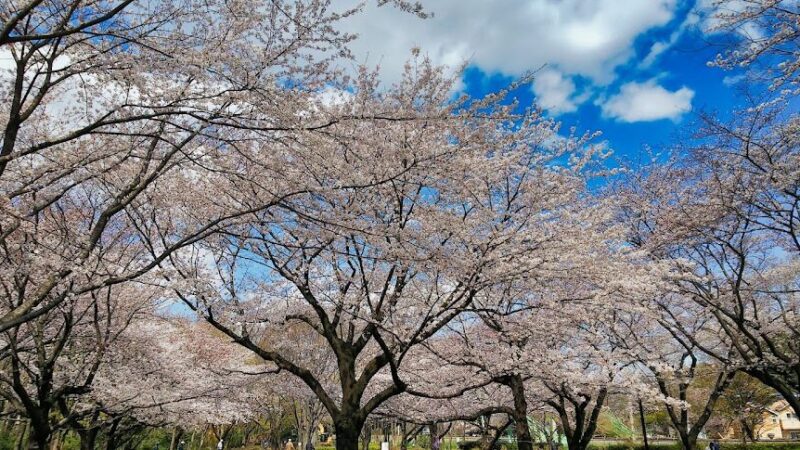
Within the shrine grounds stands a sacred tree said to be several hundred years old, and its dignified appearance conveys a sacred atmosphere to visitors. The site also offers natural beauty throughout the seasons, with cherry blossoms in spring and colored leaves in autumn.
Cultural Properties and Traditions of Raiden Shrine
Legends Associated with This Shrine
Raiden Shrine has preserved various legends since ancient times. Among the most famous is the legend of the descent of the thunder deity.
Long ago, when fierce lightning struck this area and people were terrified, it is said that Prince Shotoku built a shrine here to enshrine the thunder deity, and the damage from lightning ceased. This is said to be the origin of the founding of Raiden Shrine.
Various Cultural Properties
Raiden Shrine contains multiple cultural properties designated by Gunma Prefecture and Itakura Town. Important cultural properties of historical value, including the architectural style and carvings of the shrine buildings and ancient documents, are preserved, playing an important role in conveying the region’s history.
Local Cuisine and Catfish Dishes
Itakura Town is located in the Tonegawa water system and has a long tradition of river fish cuisine. In particular, catfish dishes are known as local cuisine, and because of the relationship between Raiden Shrine and catfish, enjoying catfish cuisine after a visit is one way to enjoy the experience.
Nearby restaurants serve dishes such as catfish tempura and catfish grilled in sweet sauce, allowing you to experience the region’s food culture alongside your sacred site pilgrimage.
Annual Events and Festivals
Grand Festival
Various festivals are held annually at Raiden Shrine. In particular, the spring Grand Festival is held magnificently and attracts many worshippers. You can witness traditional festival events such as the procession of the portable shrine and the performance of sacred music.
New Year’s Prayers
As the head shrine of the Kanto Raiden shrines, many worshippers visit during the New Year period. Many people receive prayers for calamity removal and direction-based protection, and the shrine grounds are filled with people praying for peace in the new year.
Shichigosan and Life Rituals
At Raiden Shrine, prayers are offered for various occasions including Shichigosan (children’s rites at ages three, five, and seven), Shinto wedding ceremonies, calamity removal, family safety, and good health. It is cherished by local people as a shrine to visit at important milestones in life.
Access Methods | How to Get to Raiden Shrine
Access by Train
Using Tobu Railway:
- Get off at “Itakura Toyo University Mae Station” on the Tobu Nikko/Isesaki Line, then take a taxi for about 10 minutes
- Or approximately 40 minutes on foot
Using JR:
- Get off at “Kurihashi Station” on the JR Tohoku Main Line, then take a taxi for about 15 minutes
Access by Car
Using the Tohoku Expressway:
- About 20 minutes from Tatebayashi IC
- About 15 minutes from Kazo IC
Parking:
There is free parking at the shrine grounds. Under normal conditions, there is sufficient space, but during busy periods such as New Year visits or the spring Grand Festival, the lot may become full, so early arrival is recommended.
Address and Basic Information
Address: 〒374-0132 Itakura, Ora District, Gunma Prefecture 2334
Visiting Hours: Shrine grounds open to public (Office generally open 9:00~17:00)
Admission Fee: Free
Inquiries: Please confirm via the official website or by phone
Ema and Amulets
Ema Plaques
You can receive ema (prayer plaques) at Raiden Shrine. They are available at the office, and the customary donation is typically around 300-500 yen. Among Demon Slayer fans, many bring their ema books as a memento of their sacred site pilgrimage.
The ema bears the characters “Kanto Raiden Head Shrine,” inscribed with powerful calligraphy and stamped with the shrine’s seal.
Amulets and Distributed Items
Various amulets and distributed items are available at Raiden Shrine:
- Thunder Protection Amulet: An amulet for thunder protection benefits
- Calamity Removal Amulet: An amulet for calamity removal
- Traffic Safety Amulet: An amulet praying for vehicle safety
- Academic Success Amulet: A popular amulet among exam students
Cute amulets featuring catfish designs are also available and are popular as souvenirs.
Nearby Tourist Attractions
Sights in Itakura Town
When visiting Raiden Shrine, why not also explore other tourist spots in Itakura Town?
Agefune: Itakura Town is known as a “water village,” and you can experience traditional water route tours using agefune (flat-bottomed boats).
Itakura Marsh: Natural marshlands spread throughout the area, ideal for birdwatching and walks.
Nearby Demon Slayer Sacred Sites
Those doing Demon Slayer sacred site pilgrimages can visit other sacred sites within Gunma Prefecture and nearby areas. Along the route where SL Gunma runs, various fan-visited spots are scattered.
Etiquette for Visiting and Precautions
Basic Visiting Etiquette
- Bow before passing through the torii gate: A courtesy before entering sacred grounds
- Purify yourself at the water basin: Cleanse the left hand, right hand, and mouth in that order
- Avoid the center of the path: The center is said to be the deity’s pathway
- Two bows, two claps, one bow: The standard visiting etiquette at most shrines
Precautions for Sacred Site Pilgrimages
Even when visiting as a Demon Slayer sacred site, remember this is a sacred place:
- Keep conversations quiet: Please worship quietly
- Photography only in permitted areas: There are areas such as inside the main hall where photography is prohibited
- Cosplay visits: Some shrines prohibit cosplay, so prior confirmation is necessary
- Take trash with you: Please cooperate in keeping the shrine grounds clean
Best Times to Visit Raiden Shrine
Spring (March to May)
During cherry blossom season, the shrine grounds are beautifully colored. The best viewing time is particularly from early to mid-April. The spring Grand Festival is also held, offering a lively atmosphere.
Summer (June to August)
The greenery becomes lush, and you can enjoy a refreshing walk through the shrine grounds. However, heat protection and insect repellent measures are essential.
Autumn (September to November)
The autumn leaves are beautiful, with the trees in the shrine grounds turning colors. The comfortable weather makes this an ideal time for visiting.
Winter (December to February)
The New Year visiting period attracts many worshippers. Take adequate precautions against the cold. The serene shrine grounds in winter also have their own charm.
Tips for Maximizing Your Enjoyment of Raiden Shrine
Take your time with your visit
Raiden Shrine’s grounds are not extremely large, so you can complete your visit in about 30 minutes to an hour, but if you want to leisurely explore the highlights, allowing 1.5 to 2 hours is recommended.
Obtain a description of the shrine’s history from the office
The office may provide materials describing the history and traditions of Raiden Shrine. These are helpful for gaining a deeper understanding of the shrine.
Interaction with Local People
Local people have a history of carefully preserving Raiden Shrine. If you visit with proper etiquette, warm interactions with local people may also develop.
Conclusion | Raiden Shrine is a Special Place Where History and Anime Intersect
Raiden Shrine in Itakura Town, Gunma Prefecture, is both the head shrine of Kanto’s Raiden shrines with over 1,400 years of history and a sacred site for “Demon Slayer: Kimetsu no Yaiba” fans. The connection to Zenitsu’s technique “Fire Thunder God” may be a coincidence, but this coincidence has drawn many people to this venerable shrine.
Raiden Shrine, with its divine virtues of thunder protection and calamity removal, welcomes various visitors, including not only anime fans but also those seeking power spots and those interested in history and cultural properties.
When visiting as a sacred site pilgrimage, by respecting the shrine’s history and regional culture and maintaining proper etiquette, you can have a deeper experience. It is our hope that your visit to Raiden Shrine becomes a special memory.
Whether you live in the Kanto region or are visiting from afar, why not visit this special place where history and anime intersect? You are sure to discover the unique charm of Raiden Shrine.