The Relationship Between Kirigamine Plateau and Demon Slayer
Kirigamine Plateau, which spans Suwa City and Chino City in Nagano Prefecture, is a highland area located at an elevation of 1,600 to 1,925 meters. Its fantastical landscape has drawn attention among fans of “Demon Slayer: Kimetsu no Yaiba.”
The reasons why Kirigamine Plateau is discussed in connection with Demon Slayer are primarily as follows:
A Fantastical World Created by Mist and Sea of Clouds
True to its name, Kirigamine Plateau is frequently enveloped in mist, and particularly at dawn and dusk, seas of clouds spread across the landscape. Many fans feel that this mystical scenery evokes the mountainous regions and mist-shrouded fantastical scenes depicted in Demon Slayer.
Remnants of the Taisho Era in the Surrounding Environment
The stage of Demon Slayer is set in the Taisho era. Around Kirigamine Plateau, there are scattered locations that retain buildings and atmosphere from the Taisho to early Showa periods, allowing visitors to immerse themselves in the world of the work.
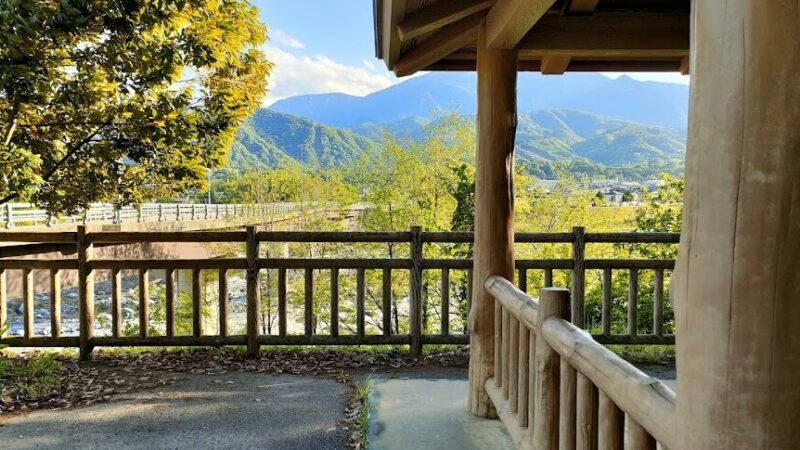
Pristine Mountain Scenery Rich in Nature
The untouched natural landscape reminiscent of Tanjiro’s hometown and training grounds depicted in the work. The beautiful scenery of each season matches the world view of Demon Slayer.
Basic Information about Kirigamine Plateau
Geography and Characteristics
Kirigamine Plateau belongs to the Yatsugatake Chushin-Kogen Quasi-National Park and has the following characteristics:
- Elevation: 1,600 to 1,925 meters (the highest peak is Kurumayama)
- Area: Approximately 3,000 hectares
- Terrain: Gently undulating highland area
- Vegetation: Grasslands abundant with alpine plants
- Climate: Cool even in summer, harsh cold in winter
Main Spots
- Kurumayama Plateau: The highest peak of Kirigamine offering a 360-degree panorama
- Yashio-ga-hara Wetland: A high-elevation wetland designated as a national natural monument
- Odoriba Wetland: Nikkoukisuge grassland
- Goseishimizu: The gateway to Kirigamine Plateau
- Kurumayama Shoulder: Popular as a starting point for hiking
Recommended Times and Times of Day for Sacred Site Pilgrimage
Best Periods for Seeing Fantastical Scenery
Late May to Early June (Renge Azalea Season)
- The period when red renge azaleas bloom across the landscape
- Morning mist creates a fantastical atmosphere
- Relatively mild temperatures
Mid-July to Early August (Nikkouisuge Season)
- Large colonies of yellow nikkouisuge flowers
- The period when the plateau’s greenery is most beautiful
- Accessible during summer vacation
Late September to Mid-October (Autumn Foliage Season)
- The period when grass foliage is beautiful
- Clear air makes distant views crisp
- Temperature differences between morning and evening make mist likely to form
November to March (Snowy Landscape)
- Landscape covered in white snow
- Tree ice and rime ice can be seen
- The severity of winter reminds one of training scenes in the work
Recommended Times of Day
Early Morning (Around Sunrise)
- The time when mist is most likely to form
- High probability of seeing a sea of clouds
- A mystical landscape unfolds
- “Light pillars” can sometimes be seen as sunrise light illuminates the mist
Dusk (Around Sunset)
- The plateau is beautiful dyed in sunset colors
- Mist often sets in
- The fantastical atmosphere reaches its peak
Access to Kirigamine Plateau
By Car
From the Tokyo Area
- Approximately 30 minutes from “Suwa IC” on the Chuo Expressway (approximately 20 km)
- Access to Kirigamine Plateau via Venus Line
From the Nagoya Area
- Approximately 30 minutes from “Suwa IC” on the Chuo Expressway
- Or approximately 25 minutes from “Suwa-minami IC” on the Chuo Expressway
Parking Information
- Kurumayama Plateau Parking: Approximately 300 spaces (free)
- Yashio-ga-hara Wetland Parking: Approximately 100 spaces (free)
- Kirigamine Fujimi-dai Parking: Approximately 50 spaces (free)
- Early morning visits are recommended as weekends in summer can be crowded
By Public Transportation
Train + Bus
- Get off at “Kami-suwa Station” on the JR Chuo Main Line
- Take Alpico Transportation bus “Kirigamine Line” for approximately 55 minutes
- Get off at “Kurumayama Plateau” or “Kirigamine”
Operating Period: Late April to Early November (Closed in winter)
Operating Frequency: Approximately 3 to 5 buses per day (varies by season)
Taxi
- Approximately 30 minutes from Kami-suwa Station, fare approximately 5,000 to 7,000 yen
- Approximately 25 minutes from Chino Station, fare approximately 4,500 to 6,500 yen
Recommended Sacred Site Pilgrimage Courses
Beginner’s Half-Day Course (Duration: Approximately 3 hours)
Kurumayama Plateau Area Exploration Course
- Kurumayama Plateau Parking (Start)
- Kurumayama Shoulder (15 minutes on foot) – A fantastical spot enveloped in mist
- Kurumayama Summit (40 minutes on foot) – Lift available
- Enjoy 360-degree panorama at observation deck
- Kurumayama Plateau Parking (Descent/Goal)
Intermediate 1-Day Course (Duration: Approximately 5 to 6 hours)
Kirigamine Ridge Traverse Course
- Kurumayama Shoulder (Start)
- Kurumayama Summit (40 minutes on foot)
- Chouchou-fukayama (1 hour on foot)
- Monoimi-ishi (30 minutes on foot)
- Yashio-ga-hara Wetland (1 hour on foot) – A mystical wetland
- Yashio-ga-hara Wetland Parking (Goal)
Advanced 1-Day Course (Duration: Approximately 7 to 8 hours)
Kirigamine Full Range Traverse Course
- Goseishimizu (Start)
- Kurumayama Shoulder (30 minutes on foot)
- Kurumayama Summit (40 minutes on foot)
- Chouchou-fukayama (1 hour on foot)
- Monoimi-ishi (30 minutes on foot)
- Yashio-ga-hara Wetland (1 hour on foot)
- Odoriba Wetland (1 hour 30 minutes on foot)
- Sawatari (1 hour on foot) (Goal)
Photo Spots and Tips
Scenic Photography Points
1. Kurumayama Summit
- 360-degree grand panorama
- Views of Mt. Fuji, Southern Alps, Central Alps, Northern Alps, and Yatsugatake in one view
- Ideal for early morning sea of clouds photography
- Beautiful magic hour at dusk
2. Kurumayama Shoulder
- Fantastical misty landscape
- Large colonies of nikkouisuge (July)
- Contrast between vast grassland and sky
3. Yashio-ga-hara Wetland
- Scenery reflected in mirror-like water surface
- Mystical landscape with wooden walkway
- Particularly fantastical when enveloped in morning mist
4. Kirigamine Fujimi-dai
- Excellent views of Mt. Fuji, true to its name
- Ideal for silhouette photography at dusk
Photography Tips
Mist Photography Techniques
- 5:00 AM to 7:00 AM is when mist is thickest
- Use backlighting to capture light pillars
- Include people to show scale
- Use tripod for long exposure to create a fantastical effect
Sea of Clouds Photography Techniques
- Days following rain with clear skies are ideal
- Autumn is best due to radiative cooling
- Start preparation 30 minutes before sunrise
- Use wide-angle lens to express grandeur
Flower Photography Techniques
- Use macro lens for flower details
- Front lighting for vibrant colors, backlighting for transparency
- Shoot from low angle with sky as background
- Early morning when wind is calm is recommended
Nearby Demon Slayer-Related Spots
Suwa Shrine
Suwa Shrine, located approximately 30 minutes by car from Kirigamine Plateau, is the head shrine of Suwa shrines, of which there are approximately 25,000 throughout Japan.
- History: Ancient founding, one of Japan’s oldest shrines
- Relationship to Demon Slayer: The sacred atmosphere of the shrine matches the world view of the work
- Highlights: Four shrine tour (upper shrine Honmiya and Maemiya, lower shrine Akimiya and Harumiya)
- Onbashira Festival: A grand festival held once every seven years
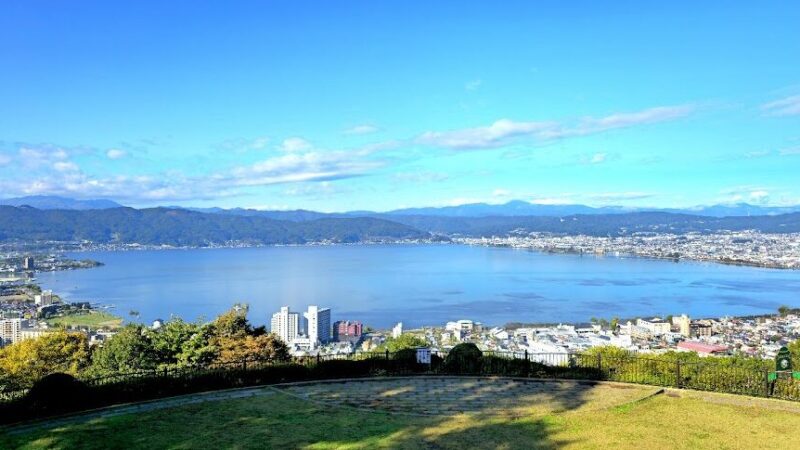
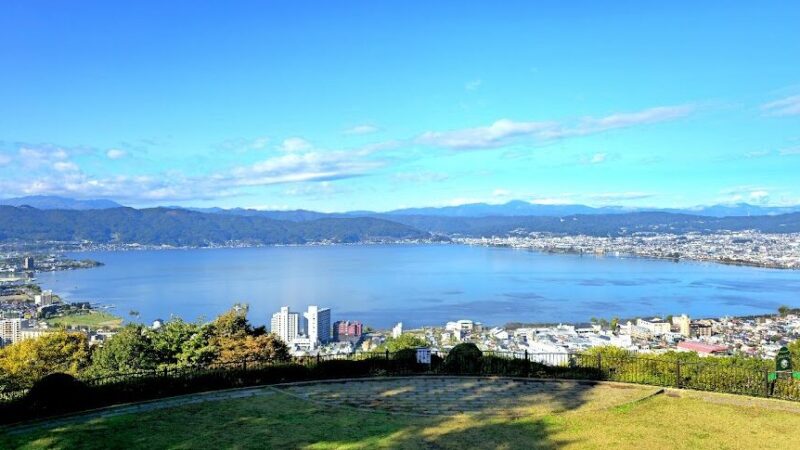
Lake Suwa
- Characteristics: The largest lake in Nagano Prefecture
- Fantastical Scenery: The lake surface enveloped in morning mist
- Winter Attraction: Omiwatari phenomenon
- Access: Approximately 25 minutes by car from Kirigamine Plateau
Shirakabakoike
- Elevation: Approximately 1,400 meters
- Characteristics: An artificial lake with abundant nature
- Surrounding Facilities: Museums and many leisure facilities
- Access: Approximately 15 minutes by car from Kirigamine Plateau
Precautions at Kirigamine Plateau
Clothing and Equipment
Summer (June to September)
- Long-sleeved shirt (UV and insect protection)
- Lightweight jacket (cool mornings and evenings)
- Hat, sunglasses
- Trekking shoes
- Rain gear (prepare for sudden weather changes)
Autumn (October to November)
- Fleece or down jacket
- Gloves, knit hat
- Complete cold and wind protection
Winter (December to March)
- Full winter mountaineering equipment needed
- Crampons, snowshoes
- Cold-resistant and waterproof clothing
- Winter mountaineering for beginners should be avoided
Safety Precautions
Beware of Sudden Weather Changes
- Plateau weather changes rapidly
- Mist can reduce visibility
- Descend promptly in thunderstorms
- Always check weather forecast
Beware of Getting Lost
- Easy to lose your way in thick mist
- Carry hiking maps or GPS apps
- Stay on wooden walkways and hiking trails
- Avoid solo travel
Beware of Altitude Sickness
- High elevation means thin oxygen
- Rest if you experience headache or nausea
- Move slowly without pushing yourself
- Hydrate frequently
Beware of Wild Animals
- Bears inhabit the area (sightings reported)
- Carry bear bells
- Be especially careful at dawn and dusk
- Always take trash with you
Accommodations and Recommended Stay Plans
Lodging Facilities Around Kirigamine Plateau
Mountain Huts and Hüttes
- Korobokku-ru Hütte
- Located at Kurumayama Shoulder
- Rustic mountain hut experience
- Ideal location for early morning photography
- Kirigamine Hütte
- Near Goseishimizu
- Welcoming atmosphere
Hotels and Pensions on Kurumayama Plateau
- Kurumayama Plateau Sky Park Hotel
- Numerous pensions
- Some facilities with hot springs
Hotels and Inns in Suwa City
- Hot spring inns in Kami-suwa Onsen
- Numerous business hotels
- Some accommodations with views of Lake Suwa
Recommended Stay Plans
1 Night 2 Days Plan
Day 1
- Afternoon: Arrive at Kirigamine Plateau, explore Kurumayama area
- Evening: Dusk photography
- Night: Stay at mountain hut or lodge in the foothills
Day 2
- Early morning: Sunrise and sea of clouds photography
- Morning: Explore Yashio-ga-hara Wetland
- Afternoon: Visit Suwa Shrine, sightsee Lake Suwa
2 Nights 3 Days Plan
Day 1
- Afternoon: Arrive at Kirigamine Plateau, explore surrounding area
- Evening: Dusk photography
- Night: Stay at accommodation on Kurumayama Plateau
Day 2
- Early morning: Sunrise and sea of clouds photography
- Morning to afternoon: Kirigamine ridge traverse hiking
- Night: Stay at hot spring inn in Kami-suwa Onsen
Day 3
- Morning: Visit four Suwa Shrines
- Afternoon: Sightsee around Lake Suwa, shop for souvenirs
The Charms of Kirigamine Plateau Through the Four Seasons
Spring (April to June)
Late April to Early May
- Contrast of remaining snow and new greenery
- Wetlands moistened by snowmelt
- Still few tourists, peaceful
Mid-May to Early June
- Renge azaleas bloom across the landscape
- Vibrant red color adorns the plateau
- Beautiful new greenery
Summer (July to August)
Mid-July to Early August
- Large colonies of nikkouisuge
- Yellow carpet spreads across the landscape
- Cool, ideal as a summer retreat
- Alpine flowers bloom in succession
Flowers to See
- Nikkouisuge
- Yanagiran
- Matsumushi-so
- Koooni-yuri
- Utsubo-gusa
Autumn (September to November)
September
- Matsumushi-so at its best
- Autumn alpine flowers bloom
- Clear air makes distant views crisp
October
- Grass foliage is beautiful
- Grassland glows golden
- Cool mornings and evenings create mist
- Perfect for autumn foliage viewing
November
- Possibility of first snow
- Plateau begins winter preparations
- Enveloped in silence
Winter (December to March)
December to February
- Landscape covered entirely in white
- Snowshoe hiking
- Tree ice and rime ice visible
- Severe cold (below -10 degrees Celsius)
March
- Snow still remains
- Beginning to feel spring’s arrival
- Scenery at the boundary between winter and spring
History and Culture of Kirigamine Plateau
The Origin of the Name Kirigamine
The name Kirigamine comes from the fact that this area is frequently enveloped in mist. Since ancient times, it has been known as “the mist-covered peak,” and its mystical landscape has enchanted many literary figures and artists.
Connection to Literature
Tokoku Shimazaki
- Described Kirigamine in “Sketch of the Chikumagawa River”
- Praised the natural beauty of Shinshu
Kotaro Takamura
- Visited Kirigamine and found inspiration for poetry
The Geology and Natural History of Kirigamine
Kirigamine was formed by volcanic activity approximately one million years ago. Though now an inactive volcano, the gentle terrain created by that volcanic activity produces its unique highland landscape.
The Value of Yashio-ga-hara Wetland
- A high-elevation wetland formed approximately 12,000 years ago
- Designated as a national natural monument
- Academically valuable natural heritage
- Peat layer thickness approximately 8 meters
Q&A for Enjoying Kirigamine Plateau
Q: Can beginners enjoy Kirigamine Plateau?
A: Yes, the Kurumayama Plateau area is enjoyable for beginners. Using the lift, you can easily access the Kurumayama summit and enjoy a 360-degree panorama. Additionally, Yashio-ga-hara Wetland has well-maintained flat wooden walkways, allowing for casual exploration.
Q: How can I increase the chances of seeing mist or sea of clouds?
A: To increase the probability of seeing mist or sea of clouds, consider: ① visiting early morning (around sunrise), ② choosing days when the previous day was rainy and the current day is clear, ③ selecting periods when radiative cooling is likely to occur in autumn, and ④ choosing days with large temperature differences according to the weather forecast.
Q: Can I visit Kirigamine Plateau without a car?
A: Yes, it is possible. The Alpico Transportation bus “Kirigamine Line” operates from JR Kami-suwa Station (late April to early November). However, since the number of buses is limited, it is recommended to check the schedule in advance and plan accordingly.
Q: What should I wear at Kirigamine Plateau?
A: Even in summer, mornings and evenings are cool, so a long-sleeved outer garment is essential. Since the elevation is high, UV rays are strong, so hats and sunglasses are necessary. Also, since weather can change rapidly, carry rain gear. Comfortable walking shoes such as trekking shoes are important.
Q: Can I bring pets?
A: Pets are allowed at Kirigamine Plateau, but there may be restrictions on pet access to areas designated as natural monuments such as Yashio-ga-hara Wetland. Also, considering the impact on wildlife, always keep pets on a leash and dispose of waste properly.
Q: Can I stay overnight at Kirigamine Plateau?
A: Yes, there are mountain huts and hüttes within Kirigamine Plateau where you can stay. Additionally, there are numerous hotels and pensions around the Kurumayama Plateau area. For those who want to enjoy early morning photography, staying on the plateau is recommended.
Q: Can I visit in winter?
A: Winter visits are possible, but full winter mountaineering equipment is necessary. Roads are plowed, but they are often frozen, and studless tires or chains are essential. Additionally, buses do not operate in winter. Beginners should avoid winter mountaineering and choose safer activities such as snowshoe hiking.
Q: How much time should I spend at Kirigamine Plateau?
A: If you take the lift to Kurumayama summit and explore the surrounding area, approximately 2 to 3 hours is needed. If you also plan to tour Yashio-ga-hara Wetland, a half day to one day is recommended. If you want to enjoy early morning sea of clouds and dusk as well, an overnight stay is recommended.
Summary: Experience the World of Demon Slayer at Kirigamine Plateau
Kirigamine Plateau in Nagano Prefecture, with its fantastical mist and sea of clouds, untouched nature, and surrounding environment that retains remnants of the Taisho era, is a special place where you can experience the world view of “Demon Slayer: Kimetsu no Yaiba.”
The mist-enveloped plateau at dawn, the mystical scenery at dusk, and beautiful nature through each season evoke the mountainous landscapes depicted in the work. From the 360-degree panorama from Kurumayama summit to the silence of Yashio-ga-hara Wetland and the large colonies of nikkouisuge and renge azaleas, there are plenty of sights to see.
Whether you visit as a sacred site pilgrimage or simply to enjoy nature, Kirigamine Plateau offers a special experience to all visitors. With proper preparation, enjoy it safely while immersing yourself in the world of Demon Slayer.
Find your own special moment at Kirigamine Plateau.