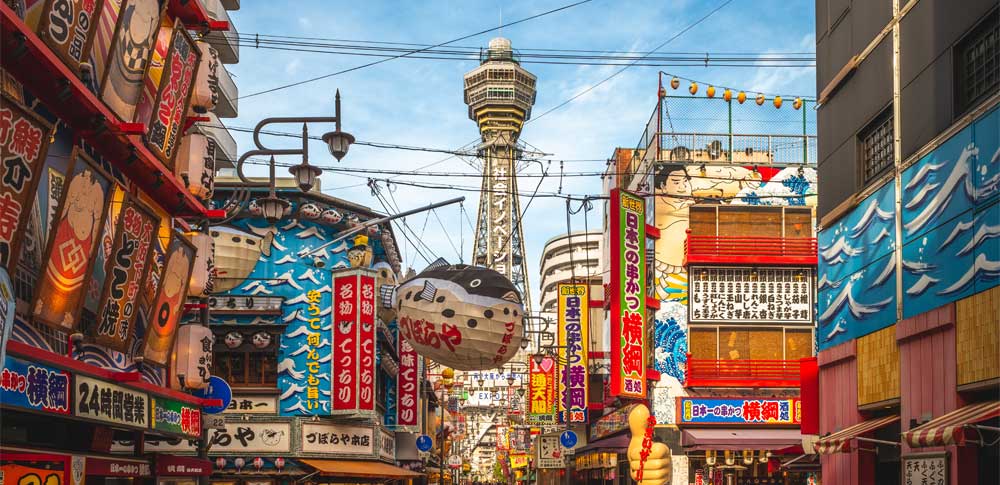
“The Magician of the Century End” and Tsutenkaku Tower’s Relationship
The theatrical version of “Detective Conan: The Magician of the Century End” released in 1999 is a memorable work marking the first theatrical appearance of Phantom Thief Kid and Ai Haibara. While there are numerous sacred sites in Osaka, where the film is set, Tsutenkaku Tower is depicted as the most important landmark symbolizing the work.
Famous Scenes Featuring Tsutenkaku Tower
Early in the film, Phantom Thief Kid lands gracefully on the top of Tsutenkaku Tower, and with his white cape fluttering in the moonlight, he declares loudly: “Ladies and gentlemen! The show begins!” This scene is etched in the memories of many fans as a representative scene of “The Magician of the Century End.”
The crime location Kid announced is none other than Tsutenkaku Tower itself, and the dramatic developments unfolding against the backdrop of Osaka’s nightscape play an important role in determining the overall tone of the work. The figure of Tsutenkaku Tower illuminated by neon becomes a perfect stage set symbolizing the era of “century end.”
Heiji Hattori’s Trivia About Tsutenkaku Tower
In the film, Heiji Hattori, a native of Osaka, provides interesting explanations about Tsutenkaku Tower. True to the line, “The top of Tsutenkaku Tower is a light weather forecast!”, the summit of Tsutenkaku Tower has a function that indicates the next day’s weather through colors.
This “light weather forecast” is a real feature, where white indicates “sunny,” orange indicates “cloudy,” and blue indicates “rainy.” By checking these colors during your sacred site pilgrimage, you can immerse yourself even deeper in the world of the work.
Basic Information and History of Tsutenkaku Tower
Tsutenkaku Tower: Osaka’s Symbol
Tsutenkaku Tower’s first version was constructed in 1912 (Meiji 45), and the current second generation was completed in 1956 (Showa 31) as an observation tower standing 108 meters tall. This name, meaning “a tall building that connects to heaven,” has been cherished by citizens as a symbol of Osaka for over 100 years.
As a landmark of the Shinsekai area, the surroundings retain a strong Showa retro atmosphere, with kushikatsu (deep-fried skewered food) restaurants and izakayas lining the streets in this downtown area full of nostalgic charm. This unique atmosphere is one of the reasons why “The Magician of the Century End” chose this location as its stage.
Structure and Highlights of the Observation Deck
Tsutenkaku Tower features a special outdoor observation deck called “Tenbo Paradise” at 87.5 meters above ground and an observation deck at 84 meters above ground. From the observation deck, you can see 360 degrees of Osaka city, and on clear days, you can even see the Akashi Kaikyo Bridge and the Rokko mountain range in the distance.
To recreate movie scenes, nighttime photography from the observation deck is recommended. While access to the very top where Kid stood is not permitted, the observation deck alone provides enough to experience the world of the work. Particularly from dusk to night, as neon lights begin to illuminate the cityscape of Osaka, a landscape reminiscent of that iconic film scene unfolds, which is especially beautiful.
Practical Guide to Sacred Site Pilgrimage at Tsutenkaku Tower
Access Methods and Nearest Stations
Access to Tsutenkaku Tower is extremely convenient, being within walking distance from multiple railway lines.
Main Access Routes:
- 3 minutes on foot from Exit 3 of Ebisumachi Station on the Osaka Metro Sakaisuji Line
- 10 minutes on foot from Exit 1 of Dobutsuenmae Station on the Osaka Metro Midosuji Line
- 10 minutes on foot from the East Exit of Shin-Imamiya Station on the JR Loop Line
- 3 minutes on foot from Ebisumachi Station on the Hankai Tramway
The closest is Ebisumachi Station, where Tsutenkaku Tower comes into view immediately upon exiting the station. The route passing through the Shinsekai shopping arcade is recommended as you can enjoy Osaka’s downtown atmosphere along the way.
Business Hours and Admission Fees
Business Hours:
- General Observation Deck: 10:00 AM–8:00 PM (Final entry at 7:30 PM)
- Special Outdoor Observation Deck: 10:00 AM–7:45 PM (Final entry at 7:30 PM)
*Hours may vary depending on the season; please check the official website for the latest information
Admission Fees (as of 2024):
- General Observation Deck: Adults ¥900, University/High School/Middle School/Elementary School Students ¥400
- Special Outdoor Observation Deck Combination Ticket: Adults ¥1,600, University/High School/Middle School/Elementary School Students ¥800
To fully experience the joy of sacred site pilgrimage, purchasing the special outdoor observation deck combination ticket is recommended. From the outdoor observation deck, you can see Osaka’s cityscape without obstruction, and you can feel Kid’s spirit even more strongly.
Optimal Times to Visit
The recommended time to visit depends on your purpose for the sacred site pilgrimage.
Evening to Night (5:00 PM–7:30 PM):
If you want to recreate the movie scene, this time period is by far the best. Tsutenkaku Tower itself is lit up, and neon signs begin to illuminate throughout the surrounding area. This is the best time to faithfully recreate the nighttime scene where Kid lands, and the photographic results are outstanding.
Daytime (10:00 AM–3:00 PM):
On sunny days, the daytime allows you to see distant views clearly, and you can re-experience the scene where Heiji Hattori guides Conan and the others around Osaka. You can enjoy reminiscing about the dialogue in the work while confirming the directions toward Tennoji Zoo and Kyocera Dome (formerly Osaka Dome).
Right After Opening on Weekdays:
For those who want to avoid crowds and enjoy sacred site pilgrimage at leisure, right after opening on weekdays is recommended. There may be times when you can have the observation deck to yourself, allowing you to take photos and enjoy the scenery at your own pace.
Complete Recreation Points of Movie Scenes
Photography Spots for Kid’s Descent to Tsutenkaku Tower
To recreate the scene where Kid stands on top of Tsutenkaku Tower, there are several key points.
Photography from the Observation Deck:
From the special outdoor observation deck, you can photograph with Tsutenkaku Tower’s structures as the background. If you choose a night when the moon is visible, you can capture a photo with an atmosphere closer to that iconic scene from the movie. A night with a full moon is especially recommended.
Viewing Angle Looking Up at Tsutenkaku Tower:
The angle looking up at Tsutenkaku Tower from directly below on Shinsekai street is also impressive. You can recreate the perspective of looking up at the moment Kid descends from the ground level. With a wide-angle lens, you can capture the entire Tsutenkaku Tower in a powerful composition.
Night Photography Tips:
- A tripod allows for long-exposure photography, creating even more beautiful night scenes
- For smartphones, use the night mode feature
- Tsutenkaku Tower’s lights typically turn on shortly after sunset, so begin preparations 30 minutes before sunset
- Checking the moon’s position in advance allows you to capture both the moon and Tsutenkaku Tower in the same frame
“Ladies and Gentlemen” Famous Line Spot
To recreate Kid’s famous line, the area near the railing on the observation deck is the best position. If you recite the line in your heart while looking down at Osaka’s cityscape, you can fully immerse yourself in the world of the work.
If visiting with friends, one person can take on the role of Kid standing at the railing while another photographs from below. If you bring a cape with you, the atmosphere becomes even more authentic (however, please ensure adequate safety considerations for those around you).
Osaka Landscape Visible from the Observation Deck
As Heiji Hattori explained in the film, the observation deck provides a panoramic view of Osaka’s major spots.
North Direction:
Osaka Castle and Umeda’s cluster of buildings are visible. This is also the direction where Conan and the others were looking out in the anime.
West Direction:
Kyocera Dome Osaka (formerly Osaka Dome) can be confirmed. Recall the scene where Heiji points and says, “That’s the Kyocera Dome!”
South Direction:
Tennoji Zoo and Abeno Harukas are visible. On clear days, you can even see the Izumi mountain range in the distance.
East Direction:
The cityscape of Osaka spreads out, and the Ikoma mountain range can be seen.
Each direction has information plaques, so you can enjoy the scenery while confirming the locations mentioned in the work.
Sacred Sites Around Tsutenkaku Tower from “The Magician of the Century End”
Shinsekai and Janjan Yokocho
The Shinsekai area and Janjan Yokocho at the base of Tsutenkaku Tower retain the atmosphere of the movie’s era. The street lined with Showa retro signs and neon lights conveys the atmosphere of Osaka in 1999, the time period of “The Magician of the Century End.”
Enjoying Osaka cuisine among the kushikatsu restaurants that line this area during your sacred site pilgrimage is also recommended. Established shops like “Daruma” and “Yaekatsu” are popular with both locals and tourists.
Imamiya Ebisu Shrine (Model for Namba Benten Shrine)
Located about a 15-minute walk from Tsutenkaku Tower, Imamiya Ebisu Shrine appears in the film as “Namba Benten Shrine.” This is the important location where Ran drew a “Great Luck” omamori reading “Awaited person…will reunite with beloved,” and Conan drew a “Small Luck” omamori reading “Travel…secrets will be revealed. Please avoid.”
Access:
About 15 minutes on foot from Tsutenkaku Tower, or about 5 minutes on foot from Daikokucho Station on the Osaka Metro Midosuji and Sakaisuji Lines
Highlights:
- Drawing omamori at the main hall (recreate the movie scene)
- Ebisu-sama, known as the deity of prosperity in commerce
- “Toka Ebisu” held January 9-11 each year is especially crowded
Actually drawing an omamori and having the same experience as Ran and Conan is one of the delights of sacred site pilgrimage.
Dotonbori and Ebisu Bridge
About 2.5 km north of Tsutenkaku Tower, Dotonbori in the heart of Osaka Minami also appears in “The Magician of the Century End.” It is depicted as the location where Ran and the others watch fireworks, with the bustling atmosphere around Ebisu Bridge presented impressively.
Access:
From Tsutenkaku Tower, take Osaka Metro Sakaisuji Line “Ebisumachi Station” → “Nipponbashi Station” → transfer to Midosuji Line → “Namba Station,” then 5 minutes on foot
Photography Spots:
- In front of the Glico sign (Osaka’s representative photo spot)
- View of Dotonbori River from Ebisu Bridge
- Shopping arcades with neon signs gleaming at night
The Dotonbori shopping arcade has numerous restaurants where you can enjoy Osaka cuisine such as okonomiyaki and takoyaki.
Osaka Castle
Osaka Castle also appears as an important stage in “The Magician of the Century End.” It is depicted as a historic Osaka landmark in scenes where Heiji Hattori serves as a guide.
Access:
From Tsutenkaku Tower, take Osaka Metro Tanimachi Line “Tennoji Station” → “Tanimachi-yonchome Station,” then about 15 minutes on foot
Or JR Loop Line “Shin-Imamiya Station” → “Osaka Castle Park Station,” then about 15 minutes on foot
Highlights:
- Views from the main keep
- Castle fortifications and moats
- Expansive Osaka Castle Park
Since Osaka Castle is visible from the Tsutenkaku Tower observation deck, you can better understand the geography of the work’s world by first confirming its location from the observation deck before visiting.
One-Day Sacred Site Pilgrimage Model Course for “The Magician of the Century End” Osaka
Here is a model course for efficiently touring sacred sites.
Morning Course (10:00 AM–12:30 PM)
10:00 AM Osaka Castle
Visit Osaka Castle first thing in the morning. Climb to the main keep and view the panorama of Osaka city from the observation deck. Take time to walk through the castle while reflecting on the history of Osaka that Heiji Hattori explained in the work. Time required: approximately 1.5 hours
11:30 AM Move
Take JR Loop Line from “Osaka Castle Park Station” → “Osaka Station” → “Shin-Imamiya Station” (approximately 30 minutes)
12:00 PM Lunch in Shinsekai
Enjoy kushikatsu lunch in Shinsekai near Tsutenkaku Tower. Savor Osaka cuisine at acclaimed restaurants like “Daruma” or “Yaekatsu.” Time required: approximately 30 minutes to 1 hour
Afternoon Course (1:00 PM–5:00 PM)
1:00 PM Tsutenkaku Tower
The main highlight of today: Tsutenkaku Tower. First, visit the general observation deck to view Osaka’s cityscape from all 360 degrees, and while recalling Heiji Hattori’s explanations, confirm the views in each direction. Then ascend to the special outdoor observation deck to experience Kid’s spirit in a more open space. Time required: approximately 1.5 hours
2:30 PM Janjan Yokocho Stroll
Explore Janjan Yokocho at the base of Tsutenkaku Tower, which retains a strong Showa retro atmosphere. Enjoy photography and shopping. Time required: approximately 30 minutes
3:00 PM Imamiya Ebisu Shrine
Move on foot to Imamiya Ebisu Shrine (approximately 15 minutes). Recreate the scene from the movie where Ran and Conan drew omamori. Try drawing an omamori yourself and see what fortune comes your way. Time required: approximately 30 minutes
4:00 PM Dotonbori and Ebisu Bridge
Move via Osaka Metro from “Daikokucho Station” → “Namba Station” (approximately 10 minutes). Explore the area around Dotonbori’s Ebisu Bridge and take commemorative photos in front of the Glico sign. Enjoy the atmosphere of Dotonbori at dusk. Time required: approximately 1 hour
Evening Course (5:30 PM–8:00 PM)
5:30 PM Return to Tsutenkaku Tower
Return to Tsutenkaku Tower after sunset. Photograph Tsutenkaku Tower lit up at night from outside, then ascend to the observation deck to enjoy the night scenery. This is the time period that best recreates the night scene featuring Phantom Thief Kid in “The Magician of the Century End.” If the moon is out, you can experience an atmosphere even closer to the movie scene. Time required: approximately 1.5 hours
7:00 PM Dinner in Shinsekai
Conclude your sacred site pilgrimage with dinner in Shinsekai. Savor Osaka’s casual cuisine such as kushikatsu and horumon-yaki (grilled offal).
Preparation for Enjoying Sacred Site Pilgrimage More
Works to Watch Beforehand
Watching related works before your sacred site pilgrimage will allow you to enjoy it even more deeply.
Essential:
- Theatrical Version “Detective Conan: The Magician of the Century End” (1999)
Recommended:
- TV Anime Episode 118 “Osaka Consecutive Murder Case”
- TV Anime Episode 263 “Osaka Double Mystery: The Samurai of Naniwi and the Taiko’s Castle”
By watching these works beforehand, your memories of the featured scenes become vivid, and your emotion upon visiting the locations will be doubled. In particular, “The Magician of the Century End” captures not just Tsutenkaku Tower scenes but the atmosphere of Osaka as a whole, so definitely watch it beforehand.
Convenient Items to Bring
Camera/Smartphone:
Essential for recording your sacred site pilgrimage. Don’t forget spare batteries and chargers.
Images and Videos of the Work:
Having screenshots or video clips from the movie saved on your smartphone allows you to compare scenes at the actual locations.
Maps/Apps:
Download map apps like Google Maps to understand the geographical relationships of the sacred sites. Set them to work offline for peace of mind.
Notebook and Pen:
Jotting down your impressions and observations at each location is useful for reflection later.
Comfortable Shoes:
When touring multiple sacred sites in a day, you’ll be walking quite a distance. Comfortable shoes are essential.
Small Tripod:
Useful for night landscape photography and commemorative photos. However, refrain from using it during crowded times, keeping consideration for others in mind.
Photography Manners and Precautions
Observing proper etiquette while enjoying sacred site pilgrimage is extremely important.
Photography Precautions:
- Do not enter private property or restricted areas
- Be mindful not to inconvenience other visitors
- Do not occupy the same location for extended periods
- Choose locations where tripod use won’t obstruct passage
Precautions at Shrines:
- Follow proper shrine worship etiquette at Imamiya Ebisu Shrine
- Do not speak loudly
- Remember these are sacred spaces
Precautions at Tsutenkaku Tower:
- Consider other visitors when photographing from the observation deck
- Do not lean out over railings
- Never engage in dangerous behavior
Always remember to show consideration for local residents and other tourists, and aim for an enjoyable and safe sacred site pilgrimage.
Tsutenkaku Tower Trivia and Facts
Differences Between the First and Second Tsutenkaku Tower
The current Tsutenkaku Tower is the second generation; the first was constructed in 1912. The original Tsutenkaku Tower was the tallest structure in the Orient at the time, featuring a design that combined Paris’s Arc de Triomphe with the Eiffel Tower. However, a fire occurred in 1943, and it was dismantled due to wartime scrap metal collection orders.
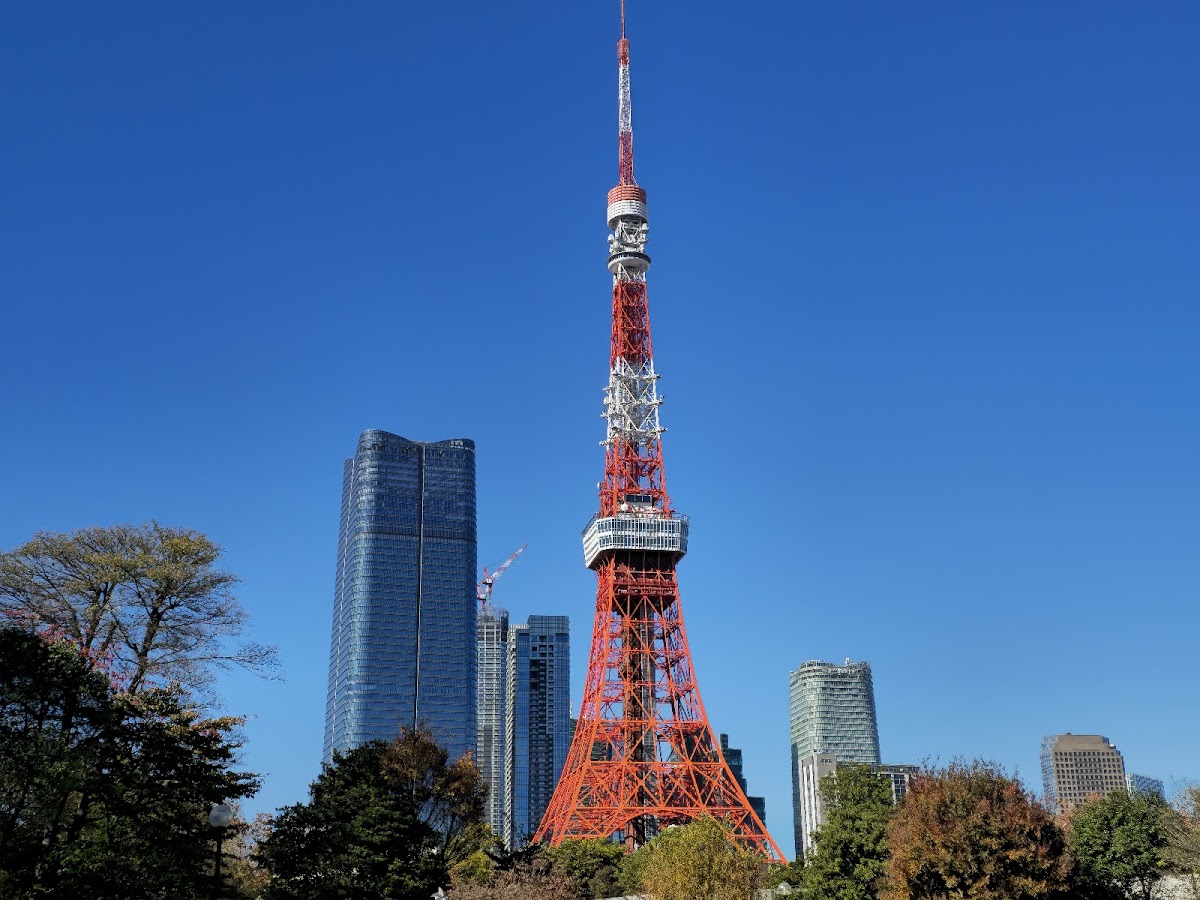
The current second-generation Tsutenkaku Tower was completed in 1956, designed by architect Taku Naito. With Naito also having designed Tokyo Tower, the tower was reborn in a modern and functional form under his guidance.
Secrets of Billiken-san
Billiken-san, the deity of good fortune, is enshrined at Tsutenkaku Tower’s observation deck. It is said that rubbing the soles of his feet grants wishes, and many visitors come to do so.
Billiken-san is actually an American-born deity, created in 1908 by American artist Florence Pretz. The figure arrived in Japan in 1911 and was also installed at the original Tsutenkaku Tower. The current Billiken-san is the third version, which was renewed in 2012.
Details of the Light Weather Forecast
The “light weather forecast” that Heiji Hattori explained is actually operated using Tsutenkaku Tower’s neon signs.
Color Meanings:
- White: Sunny
- Orange: Cloudy
- Blue: Rainy
Furthermore, the neon in the middle section of the tower conveys different information.
Meanings of Middle-Section Neon:
- Moving east-west: Stock prices rising
- Moving up-down: Stock prices falling
This system has continued since 1957 and is beloved by Osaka residents. During your sacred site pilgrimage, be sure to check the color at the top to predict tomorrow’s weather.
Observation Records from Tsutenkaku Tower
From Tsutenkaku Tower’s observation deck, you can see surprisingly far on clear days.
Major Spots Visible:
- North: Osaka Castle, Umeda Sky Building, Expo ’70 Park’s Tower of the Sun
- East: Ikoma Mountain, Nara direction
- South: Abeno Harukas, Izumi Mountain Range, Kansai International Airport direction
- West: Akashi Kaikyo Bridge, Awaji Island, Rokko Mountain Range
The farthest views are possible on clear winter days, sometimes allowing visibility up to approximately 60 km away.
Background of “The Magician of the Century End”
The Time Setting of 1999
“The Magician of the Century End” was released in 1999, the very last year of the 20th century. The keyword “century end” carries special meaning of both the end of an era and the beginning of a new time.
In the work, a mystery unfolds centered on the Romanov dynasty’s treasure, the “Imperial Easter Egg.” The narrative structure—where the heritage of the Romanov dynasty, which collapsed in the early 20th century, regains attention at the end of the 20th century—perfectly embodies the “century end” theme.
Why Osaka Was Chosen as the Stage
Osaka being chosen as the primary stage for “The Magician of the Century End” was greatly influenced by the existence of Heiji Hattori as a character. Serving as Osaka’s high school detective protagonist and both rival and collaborator to Conan, Hattori is an iconic Osaka character.
Osaka as a city possesses a unique culture and atmosphere distinct from Tokyo, and symbolic landmarks like Tsutenkaku Tower and Dotonbori add depth to the narrative. In particular, Tsutenkaku Tower, while retaining Showa atmosphere, functions as Osaka’s symbol and proved ideal as the stage where Phantom Thief Kid descends.
Phantom Thief Kid and Ai Haibara’s Theatrical Debut
“The Magician of the Century End” is a memorable work marking the theatrical debut of two important characters: Phantom Thief Kid and Ai Haibara.
Phantom Thief Kid is the protagonist of author Gosho Aoyama’s separate work “Magic Kaito” and also appears as a guest character in “Detective Conan.” The Tsutenkaku Tower scene became an important moment that left a lasting impression of Kid’s elegance and mystique.
Meanwhile, Ai Haibara is a former member of the Black Organization who, like Conan, lives in a child’s form. Her appearance in this work became a crucial element adding depth to the entire series narrative.
Ways to Enjoy After Sacred Site Pilgrimage
Sharing on SNS and Hashtags
Sharing memories of your sacred site pilgrimage on SNS allows you to connect with fellow fans who love the same work.
Recommended Hashtags:
- #名探偵コナン聖地巡礼
- #世紀末の魔術師
- #通天閣
- #コナン大阪聖地
- #怪盗キッド
- #服部平次
- #コナン聖地
When posting photos on Instagram or Twitter, utilize these hashtags. Other fans’ posts can also provide inspiration, and you might discover hints for your next sacred site pilgrimage.
Combining with Other Conan Sacred Sites in Osaka
Besides “The Magician of the Century End,” numerous Conan-related sacred sites exist in Osaka.
TV Anime Sacred Sites:
- Tenpouzan Bridge (Episode 118 “Osaka Consecutive Murder Case”)
- Tennoji Zoo (appears in multiple episodes)
- Shin-Osaka Station (appears in multiple episodes)
Theatrical Version Sacred Sites:
- “Crimson Love Letter”: Set primarily in Kyoto, but Osaka scenes also appear
If time permits, combining these sites with your pilgrimage creates an even more fulfilling sacred site pilgrimage experience.
Purchasing Commemorative Merchandise
Tsutenkaku Tower’s gift shop sells Tsutenkaku Tower original merchandise and Billiken-san goods. Purchasing them as mementos of your sacred site pilgrimage is recommended.
Additionally, souvenir shops around the Shinsekai area sell many unique Osaka-themed items. Try finding souvenirs that become lasting reminders of your sacred site pilgrimage, such as goods featuring kushikatsu motifs or Tsutenkaku Tower miniatures.
Seasonal Ways to Enjoy
Spring (March–May)
Spring in Osaka has pleasant weather and is ideal for sacred site pilgrimage. During cherry blossom season (late March–early April), you can enjoy beautiful blossoms at Osaka Castle Park.
The Tsutenkaku Tower area is enveloped in spring warmth, and strolling is comfortable. The Shinsekai shopping arcade buzzes with activity, and you can enjoy street food kushikatsu while touring sacred sites.
Summer (June–August)
While summer in Osaka brings intense heat, evening sacred site pilgrimage is recommended. Visiting Tsutenkaku Tower after sunset during cooler hours allows for comfortable night scene enjoyment.
Dotonbori hosts summer festivals and events, allowing you to tour sacred sites amid bustling excitement. However, heat stroke precautions are essential. Rehydrate frequently, and utilize air-conditioned subways for daytime movement.
Autumn (September–November)
Autumn rivals spring as an ideal season for sacred site pilgrimage. With pleasant weather, you can walk all day without tiring easily.
November brings beautiful autumn foliage, and Osaka Castle Park displays colorfully changing trees. The sunset Tsutenkaku Tower shines particularly beautifully in autumn’s clear air.
Winter (December–February)
While winter in Osaka is cold, the air is clearest, making this season when Tsutenkaku Tower’s observation deck views are most beautiful. You can see the Akashi Kaikyo Bridge and Rokko mountain range distinctly and far away.
January 9-11 features “Toka Ebisu” at Imamiya Ebisu Shrine, attracting numerous visitors. Planning a sacred site pilgrimage during this period allows you to recreate movie scenes while also experiencing Osaka’s traditional events.
During Christmas season, Tsutenkaku Tower and Dotonbori are decorated with illuminations, allowing you to enjoy sacred site pilgrimage amid a romantic atmosphere.
Conclusion: The Appeal of Tsutenkaku Tower Sacred Site Pilgrimage
Sacred site pilgrimage to Tsutenkaku Tower from the theatrical version “Detective Conan: The Magician of the Century End” is a special experience beyond merely visiting tourist attractions. By actually visiting the locations where Phantom Thief Kid descended atop Tsutenkaku Tower, where Heiji Hattori guided through Osaka’s streets, and where Ran and others drew omamori at the shrine, the world of the work becomes far more real.
Tsutenkaku Tower, having served as Osaka’s symbol for over 100 years, features an impressive 360-degree panoramic view from its observation deck. While daytime views are wonderful, the nighttime illuminated appearance is straight from the movie scene. Visiting on a full moon night particularly allows you to faithfully recreate that iconic scene of Kid’s descent.
The surrounding Shinsekai area retains Showa retro atmosphere and offers Osaka cuisine like kushikatsu and takoyaki. Other sacred sites—Imamiya Ebisu Shrine, Dotonbori, and Osaka Castle—are easily accessible by foot or train, allowing you to efficiently tour multiple locations in a single day.
Through sacred site pilgrimage, you can rediscover the appeal of “The Magician of the Century End,” while also touching Osaka’s culture and history. Watch the work beforehand, follow proper etiquette, and enjoy a memorable sacred site pilgrimage.
“Ladies and gentlemen! The show begins!” — Why not spend special time at Tsutenkaku Tower alongside Phantom Thief Kid’s famous line?