
Director Shinkai Makoto’s blockbuster film “Weathering with You” features numerous real locations within Tokyo, and many fans visit these sites as pilgrimage destinations. Among them, the scene between Mejiro Station and Takadanobaba Station, where the protagonist Hodaka takes desperate action while holding his feelings for Hina close to his heart, remains a memorable scene as the story approaches its climax.
This article provides thorough explanations of detailed information about the location where this moving scene takes place, access methods, photography points, and precautions when visiting, offering all the necessary information for those planning a pilgrimage to these sacred sites.
The Scene Between Mejiro Station and Takadanobaba Station in “Weathering with You”
Importance in the Story
In “Weathering with You,” the scene where Hodaka escapes from Ikebukuro Police Station and jumps from a motorcycle driven by Suga’s sister Natsumi onto the railroad tracks is an extremely important turning point in the story. With the strong desire to “see Hina once more” in his heart, Hodaka’s figure climbing over the fence while cutting his cheek on the spikes deeply moved many viewers.
This scene symbolizes Hodaka’s determination and action, and combined with Shinkai Makoto’s characteristic detailed background depiction, the real Tokyo landscape gives the story deep realism. The image of a boy who came to the city, desperately running through the metropolis of Tokyo, overlaps with the image of young people living in the modern era.
Detailed Description of the Scene
The movie depicts a scene where Hodaka climbs over a fence set along the JR Yamanote Line tracks. A residential area spreads out in the background, and the extraordinary action unfolding within Tokyo’s everyday scenery creates even greater tension.
Due to the background art that faithfully reproduces actual locations, a characteristic feature of director Shinkai Makoto’s works, the railroad area between Mejiro and Takadanobaba stations has become a sacred site where many people who watched the movie think, “I want to visit that place.”
Detailed Information About the Location Between Mejiro and Takadanobaba Stations
Accurate Location Information
Address: Around 2-14-25 Shimoochiai, Shinjuku Ward, Tokyo
Located between Mejiro Station and Takadanobaba Station, this place is in a corner of the residential area along the JR Yamanote Line tracks. Nearly at the midpoint between the two stations, you can retrace the movie’s scenes by walking along the tracks.
Geographic Characteristics of the Surrounding Area
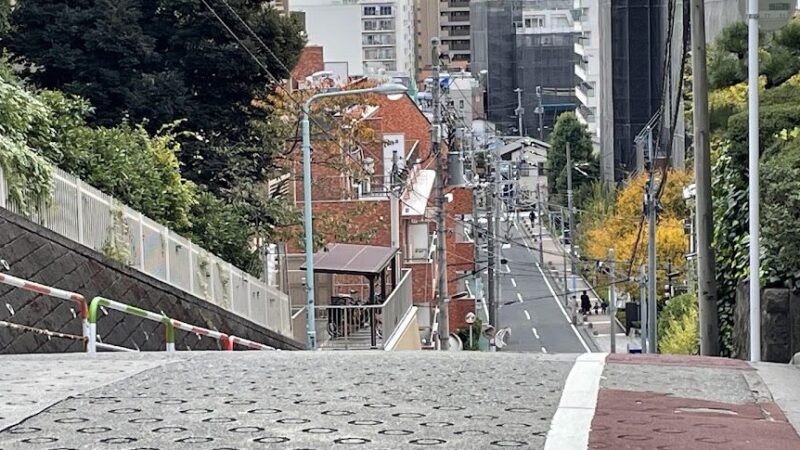
This area is located in Shimoochiai, Shinjuku Ward, and is known as a quiet residential neighborhood. It is a section where the Yamanote Line runs above ground, with fences installed along the tracks. A landscape typical of Tokyo spreads out, where railroad tracks pass through a densely populated residential area.
Walking from Mejiro Station toward Takadanobaba Station becomes a gentle slope, with detached houses and apartment buildings lining the area. There are sidewalks on both sides of the tracks, and an environment is in place where you can safely enjoy the pilgrimage to these sacred sites.
Access Methods and Routes from Nearest Stations
Access from Mejiro Station
Required Time: Approximately 7 minutes on foot
Distance: Approximately 550 meters
- Exit the JR Mejiro Station ticket gate toward the South Exit (opposite side from Ikebukuro direction)
- Proceed straight while keeping the station plaza on your right
- Cross Mejiro-dori and proceed along the track-side path toward Takadanobaba
- Walking along the tracks will bring you to the site of the movie scene
Mejiro Station is a relatively quiet station among Yamanote Line stations, with only one ticket gate, so you won’t get lost. The nearby Gakushuin University creates a student town atmosphere.
Access from Takadanobaba Station
Required Time: Approximately 10 minutes on foot
Distance: Approximately 800 meters
- Exit from the Waseda Exit of JR Takadanobaba Station
- Proceed slightly along Waseda-dori in the Waseda direction
- Enter the track-side path and walk back toward Mejiro direction
- Proceeding along the tracks will bring you to your destination
Takadanobaba Station is a large station served by multiple lines, but using the Waseda Exit allows smooth access. With many restaurants in the station area, you can also enjoy a meal before or after your pilgrimage.
Using Public Transportation
Both stations are served by the JR Yamanote Line, making access from throughout Tokyo extremely convenient. Additionally, since Takadanobaba Station is also served by the Seibu Shinjuku Line and Tokyo Metro Tozai Line, access is possible from an even wider area.
Mejiro Station is 1 station (approximately 2 minutes) from Ikebukuro Station via the Yamanote Line and approximately 10 minutes from Shinjuku Station, making it easy to incorporate into an efficient route for visiting multiple “Weathering with You” pilgrimage sites throughout Tokyo.
Photography Points and Highlights
The Fence Along the Tracks
The fence that Hodaka climbs over in the movie after jumping from the motorcycle is actually installed along the tracks. However, actually climbing on it or touching it is dangerous and constitutes trespassing, so you must avoid this completely.
Photography should be done from a safe distance from the sidewalk. You can take photos from the same angle while recalling the movie scene. Especially on clear days, you can enjoy the beautiful sky and track contrast characteristic of Shinkai Makoto’s works.
The Landscape of Tracks and Residential Area
The greatest appeal of this place is the view of the Yamanote Line running through everyday Tokyo residential neighborhoods, a landscape unique to the metropolis. In the movie, Hodaka’s extraordinary action is depicted against this ordinary daily scenery, leaving a strong impression.
Walking along the tracks allows you to retrace the movie’s scenes. You can experience the movie’s world through all your senses—the sound and vibrations of trains passing, the atmosphere of surrounding residences, and more.
Times Best for Photography
Early Morning (7:00-9:00): During commute hours when train frequency is high, allowing for dynamic photos. The morning sun illuminating the tracks is also beautiful.
Daytime (10:00-15:00): You can capture photos with an atmosphere close to the movie scene in bright light. Highly recommended on clear days.
Evening (16:00-18:00): During sunset, you have the opportunity to enjoy the beautiful sky colors characteristic of Shinkai Makoto’s works.
Nighttime: The street lights along the tracks illuminate the area, offering a different atmosphere, but sufficient attention to noise is necessary since it’s a residential neighborhood.
Precautions for Pilgrimage Visits
Safety Precautions
Absolutely No Entry to Railroad Tracks: Attempting to recreate the movie scene by entering the tracks is a violation of the Railway Business Law and a dangerous act that could be life-threatening. Never do this.
No Contact with Fences: Climbing on fences or touching them is dangerous. Maintain a safe distance from the sidewalk when viewing and photographing.
Caution When Photographing Trains: When photographing trains, avoid getting too close to platforms or tracks. Additionally, flash photography may interfere with the driver’s vision, so avoid it.
Consideration for Nearby Residents
This area is a quiet residential neighborhood. When visiting for a pilgrimage, please pay careful attention to the following points.
Noise Consideration: Avoid loud conversations or shouting. Visits during early morning or nighttime hours can be disturbing to nearby residents.
No Trespassing on Private Property: Never enter residential grounds or private roads. Photography should only be done from public roads.
Dispose of Garbage Properly: Always take any trash you generate with you. Be mindful not to soil the residential neighborhood.
Avoid Large Group Visits: Visits by large groups may cause concern among nearby residents. Aim for small group visits and never forget consideration for your surroundings.
Photography Etiquette
Consideration for Passersby: When photographing on sidewalks, be careful not to obstruct foot traffic. Avoid using tripods if possible, as they may occupy the sidewalk.
Respect for Privacy: Be careful not to capture nearby residents or passersby. If unavoidable, take measures such as blurring faces before posting to social media.
Avoid Extended Stays: Staying in one location for long periods may cause concern among residents. Complete photography quickly and move to the next location.
Nearby “Weathering with You” Sacred Sites
When visiting the area between Mejiro and Takadanobaba stations, you can enjoy a more fulfilling pilgrimage by also visiting other nearby sacred sites.
Around Tabata Station
Distance: Approximately 15 minutes by Yamanote Line
The area around Tabata Station, where Hodaka and Hina first meet, and where buildings that served as models for Hina’s apartment are located, is an essential stop for “Weathering with You” pilgrimage. Multiple sacred sites are concentrated within walking distance from the south exit of Tabata Station, making it easy to visit them efficiently.
The alley where Hodaka searches for Hina’s apartment following a memo is particularly popular as a place where you can strongly feel the movie’s atmosphere.
Around Yoyogi
Distance: Approximately 20 minutes by Yamanote Line
The areas around Yoyogi Station where Hodaka first arrives after coming to Tokyo, JR Tokyo General Hospital, Docomo Tower (NTT Docomo Yoyogi Building), and other locations that play important roles in the early part of the movie are concentrated in this area.
Yoyogi Hall also appears in the film and is a spot where you can experience Tokyo’s urban atmosphere.
Shinjuku and Kabukicho Area
Distance: Approximately 10 minutes by Yamanote Line from Mejiro Station
Tokyo Metropolitan Government Building, Government Boulevard, Atami Building, Shinjuku O-Guard West, and other locations where Hodaka begins his Tokyo life appear in the film. Shinjuku’s crowds and urban bustle form an important backdrop in the movie.
Around Ikebukuro
Distance: Approximately 2 minutes by Yamanote Line from Mejiro Station
Ikebukuro, the setting for the scene where Hodaka escapes from the police station, is very close to Mejiro Station and easy to visit together.
Koenji Hikawa Shrine and Weather Shrine
Distance: Approximately 15 minutes by train from Takadanobaba Station
The Weather Shrine, which appears as an important location related to Hina’s “sunshine girl” ability, is a real, rare shrine. Located within Koenji Hikawa Shrine’s grounds, it is said to grant wishes related to weather.
It’s one of the must-visit spots for “Weathering with You” pilgrims and is visited by not only movie fans but also people interested in weather.
Shiba Park
Distance: Approximately 30 minutes by train from Mejiro Station
Shiba Park, where beautiful scenes with Tokyo Tower in the background were filmed, is one of the places that symbolizes “Weathering with You.” On clear days, you can enjoy the beautiful sky and Tokyo Tower combination just like in the movie.
Rainbow Bridge and Odaiba
Distance: Approximately 40 minutes by train from Mejiro Station
The Rainbow Bridge and Odaiba area also appear multiple times in the film. In particular, the Tokyo Bay landscape is used in important movie scenes, allowing you to enjoy the beautiful contrast between water and sky.
Efficient Sacred Site Pilgrimage Route
One-Day Tokyo Sacred Site Pilgrimage Course
Here’s a model course to efficiently visit the major sacred sites of “Weathering with You” in one day.
Morning (9:00-12:00):
- Around Tabata Station (Hina’s apartment, meeting place)
- Around Yoyogi Station (JR Tokyo General Hospital, Yoyogi Hall)
- Shinjuku and Kabukicho Area (Government Building, Atami Building)
Lunch (12:00-13:00): Lunch around Shinjuku Station
Afternoon (13:00-17:00):
- Between Mejiro and Takadanobaba Stations (the location introduced in this article)
- Koenji Hikawa Shrine and Weather Shrine
- Shibuya Scramble Crossing
- Shiba Park and Tokyo Tower
Evening (17:00-19:00):
- Odaiba and Rainbow Bridge (enjoying sunset and night scenery)
This route centers on the Yamanote Line for efficient travel. However, it’s important to create a schedule that considers the time spent at each location and travel time without overexertion.
Half-Day Course (Mejiro, Takadanobaba, Ikebukuro Area Concentrated)
For those with limited time, a half-day course centered on the Mejiro Station area is also recommended.
Morning or Afternoon (approximately 4 hours):
- Along the tracks between Mejiro and Takadanobaba Stations
- Around Ikebukuro
- Koenji Hikawa Shrine and Weather Shrine
This course allows you to visit important sacred sites while minimizing travel time.
Best Seasons and Weather for Visiting
The Movie is Set in Summer
The story of “Weathering with You” is set during summer, depicting Tokyo from the rainy season through summer. For those who want to experience the same atmosphere as the movie, visiting from June to August is recommended.
June (Rainy Season): You can feel the atmosphere of the first half of the movie. Visiting on a rainy day becomes a special experience immersed in the work’s world.
July-August (Summer): This is the same season as the climax scenes of the movie. Clear blue skies allow you to actually experience the beautiful sky characteristic of Shinkai Makoto’s works.
Charm of Each Season
Spring (March-May): The pleasant climate makes it an ideal season for pilgrimages. The tracks among fresh greenery are beautiful, and long walks are comfortable.
Autumn (September-November): Like spring, it’s pleasant, and the autumn foliage season brings a different kind of beauty to the surrounding trees.
Winter (December-February): Clear air means many days with far visibility. However, cold weather precautions are essential.
Different Ways to Enjoy Depending on Weather
Clear Days: You can enjoy the beautiful blue sky and clouds characteristic of Shinkai Makoto’s works. Ideal for photography.
Cloudy Days: You can experience the gloomy Tokyo sky close to the movie’s atmosphere.
Rainy Days: You can most strongly feel the “weather,” which is the theme of “Weathering with You.” However, waterproofing measures for photography equipment are essential.
Deeper Understanding of “Weathering with You”‘s World
Director Shinkai Makoto’s Commitment to Background Art
Shinkai Makoto’s works are known for their meticulous depiction of real locations. In “Weathering with You” as well, various Tokyo locations are drawn based on actual scenery, with accuracy that surprises visitors.
The scene between Mejiro and Takadanobaba stations accurately captures the characteristics of the actual location, and visiting the real place after watching the movie allows you to appreciate the director’s keen observation and the high skill of the art staff.
The Significance of Tokyo as Setting
In “Weathering with You,” Tokyo is not merely a background but an important element of the story. The story of Hodaka and Hina finding connection and bonds while feeling loneliness in the big city reflects the lives of many people living in modern Tokyo.
The fact that the setting is an ordinary, not glamorous residential area between stations increases the story’s realism and evokes the audience’s empathy.
Symbolic Meaning of the Track Scene
Tracks are one of the important motifs in Shinkai Makoto’s works. They appear impressively in past works like “5 Centimeters per Second,” and in “Weathering with You” they also appear in an important scene toward the climax.
Tracks symbolize “boundaries” and “branching points,” and the scene where Hodaka climbs over the fence and enters the tracks represents the moment he steps from the everyday into the extraordinary, from a passive to an active position.
Tips for Enjoying the Pilgrimage More
Movie Preview and Review
Watching the movie again before the pilgrimage allows you to vividly recall scenes at each location. Especially for the scene between Mejiro and Takadanobaba stations, understanding it within the story’s flow brings deeper emotion.
If possible, save screenshots of the movie on your smartphone or tablet, allowing you to compare them with the actual location while photographing.
Information Gathering via Social Media
Searching for hashtags like “#WeatheringwithYouPilgrimage” or “#WeatheringwithYouMejiro” on Twitter and Instagram lets you see photos and information from other visitors. It’s helpful for referencing photography angles and checking the latest conditions.
Using Official Merchandise
Wearing or carrying official “Weathering with You” merchandise enhances the pilgrimage experience. It can also be a conversation starter for connecting with fellow fans.
Recording Your Experience
Beyond just photographs, keeping notes about your visit and observations allows you to remember them more vividly later. Publishing your record on blogs or social media enables you to enjoy interaction with other fans.
Sacred Sites of “Weathering with You” and Other Works by Shinkai Makoto
Works by director Shinkai Makoto each center on specific locations and have created a pilgrimage culture.
Sacred Sites of “Your Name”
The previous work “Your Name” featured Tokyo locations like Yotsuya and Shinanomachi, as well as the Hida region. Visiting these together with “Weathering with You” allows deeper understanding of Shinkai Makoto’s world.
Sacred Sites of “5 Centimeters per Second”
Samomiya Bridge Station and Yoyogi, among others, are places that appear in both “Weathering with You” and this earlier work, holding special significance for fans of both.
Sacred Site Pilgrimage Beyond Individual Works
Visiting sacred sites from multiple Shinkai Makoto works allows you to understand how the director perceives and depicts Tokyo as a city. The area between Mejiro and Takadanobaba stations is one of the places embodying his world.
Conclusion: Experiencing “Weathering with You”‘s World Through Sacred Site Pilgrimage
The railroad area between Mejiro and Takadanobaba stations remains in the hearts of many fans as the setting for an important scene leading to the climax of “Weathering with You.” Hodaka’s desperate running with his strong desire to see Hina one more time is one of the most impressive scenes in the film.
Visiting the actual location allows you to experience Tokyo’s landscape as depicted in the movie in reality and deepens your understanding of the story. However, when enjoying the pilgrimage, remember safety considerations and etiquette toward nearby residents, acting responsibly.
Absolutely avoid entering the railroad tracks, and enjoy viewing and photography safely from the sidewalk. Also, remembering it’s a residential area, be careful not to disturb nearby residents through noise or garbage.
When visiting the area between Mejiro and Takadanobaba stations, you can experience the world of “Weathering with You” even more deeply by also visiting other nearby sacred sites. Create a plan to efficiently visit the scattered sites throughout the city—Tabata Station area, Yoyogi, Shinjuku, the Weather Shrine, Shiba Park, and more.
By seeing the beautiful Tokyo landscape painted by director Shinkai Makoto with your own eyes and experiencing it, your affection for the movie deepens further. Through pilgrimage to “Weathering with You”‘s sacred sites, discover new appeal in Tokyo as a city and once again savor the movie’s emotion.
Finally, sacred site pilgrimage is both a personal enjoyment and an activity requiring respect for the work and consideration for those living in the location. By observing etiquette and enjoying safely, these sacred sites of “Weathering with You” will continue to be beloved by many fans.