

Director Makoto Shinkai’s masterpiece “Your Name” has been beloved worldwide since its 2016 release. Among its memorable scenes, the Shinjuku Oguard Higashi Intersection, which served as the setting for an impressive sequence, has become known as a sacred pilgrimage spot visited by many fans.
This article provides detailed information useful for those planning a sacred pilgrimage, including the charm of this iconic location, actual filming angles, access methods, and related nearby spots.
What is Shinjuku Oguard Higashi Intersection?
Shinjuku Oguard Higashi Intersection is located in Shinjuku Ward, Tokyo, beneath the elevated tracks of the JR Chuo and Sobu Lines. It is within walking distance from Shinjuku Station’s south exit, positioned at the intersection of the Koshu Kaido heading toward the Shinjuku 3-chome area and a road heading toward Yoyogi.
Characteristics of the Intersection
- Unique spatial structure beneath the JR elevated tracks
- High traffic volume day and night as a major urban intersection
- Multiple neon signs and billboards creating an urban atmosphere
- Functions as one of the major pedestrian routes around Shinjuku Station
This intersection plays an important role in the film as a place symbolizing the “contemporary Tokyo” depicted by director Makoto Shinkai.
The Shinjuku Oguard Higashi Intersection Scene in “Your Name”
The Shinjuku Oguard Higashi Intersection appears in the middle section of “Your Name” in a date sequence between the protagonist Taki Tachibana and his senior Okudera.
Details of the Appearance Scene
Context of the Date Scene
When Taki finds himself in Mitsuha’s body, he makes a promise to go on a date with Okudera. Later, after returning to his original self, Taki actually goes on a date with Okudera, and this Shinjuku Oguard Higashi Intersection is depicted in the background.
Dramatic Meaning of the Scene
- The distance between the two people amid urban chaos
- Taki’s feelings for Mitsuha in his heart
- Psychological depiction at the boundary between reality and body-switching
By superimposing this scene with the landscape of Tokyo, a vast metropolis, the director expresses Taki’s internal conflict more impressively.
Characteristics of Visual Expression
Director Makoto Shinkai’s distinctive expression of light and detailed background depiction are fully displayed in this intersection scene.
- The unique contrast of light and shadow beneath the elevated tracks
- The movement of people and vehicles passing through the intersection
- The urban atmosphere created by the light of signs and neon
- Color expression of the sky during twilight
These elements combine to create an atmosphere that is realistic yet beautiful, with a somewhat melancholic quality.
Sacred Pilgrimage: Access to Shinjuku Oguard Higashi Intersection
Here is detailed access information for visiting the Shinjuku Oguard Higashi Intersection.
Nearest Stations and Access Routes
Access from JR Shinjuku Station
- Exit from Shinjuku Station’s south exit or new south exit
- Head along the Koshu Kaido toward Shinjuku 3-chome area
- The point where you pass under the JR elevated tracks is Shinjuku Oguard Higashi Intersection
- Approximately 5–8 minutes on foot
Access from Tokyo Metro and Toei Subway
- Shinjuku 3-chome Station (Marunouchi, Fukutoshin, Toei Shinjuku Lines): Approximately 3 minutes on foot from E5 exit
- Shinjuku Station (Marunouchi Line): Approximately 7 minutes on foot from south exit area
Address and Nearby Landmarks
Location: Near Shinjuku 4-chome, Shinjuku Ward, Tokyo
Surrounding landmarks:
- Shinjuku Takashimaya (south direction)
- Shinjuku Marui Main Building (east direction)
- Road toward Yoyogi (west direction)
Points to Note When Visiting
- Traffic volume is extremely high, so ensure sufficient safety when photographing
- Sidewalks are relatively narrow in some areas, so be considerate of pedestrians
- Early morning and late night have relatively fewer visitors, making photography easier
- Tripod use may obstruct pedestrian traffic, so hand-held shooting is recommended
Photography Spots and Best Angles
Here are photography points where you can recreate the film’s scenes when visiting on a sacred pilgrimage.
Recommended Photography Points
Point 1: Sidewalk on the North Side of the Intersection
This is the location where you can capture an angle closest to the film’s scene. You can fit the JR elevated track structure and the entire intersection in your view.
- The structure of the elevated track appears impressively
- You can capture the flow of vehicles passing through the intersection
- Particularly beautiful scenery can be photographed during twilight
Point 2: View from the East Side of the Intersection
An angle looking from the Shinjuku 3-chome area toward Yoyogi allows you to compose a shot emphasizing the space beneath the elevated track.
Point 3: View from Beneath the Elevated Track
A composition looking up from directly under the elevated track can express both the oppressiveness and openness of the city simultaneously.
Recommended Times for Photography
Twilight (17:00–18:30)
This is the time of day when you can experience the beauty of “magic hour,” a characteristic of Makoto Shinkai’s works.
- The sky’s gradation is beautiful
- Signs and neon begin to light up
- The atmosphere most closely resembles the film’s scene
Early Morning (6:00–8:00)
- Relatively few pedestrians, making photography easier
- The beautiful sight of morning light passing through gaps in the elevated track
- Capture a quiet side of Tokyo
Night (19:00 onwards)
- The light of neon signs and billboards stands out
- Car light trails can be captured with long-exposure photography
- The appeal of Tokyo’s night scenery
Advice on Photography Equipment and Camera Settings
Recommended Equipment
- Smartphones can capture sufficiently beautiful photographs
- Single-lens reflex and mirrorless cameras allow for higher-quality shooting
- A wide-angle lens (equivalent to 24mm–35mm) makes it easier to capture the entire intersection
Camera Setting Points
- During twilight, don’t increase ISO sensitivity excessively; if you have a tripod, utilize long-exposure
- Using HDR function allows beautiful photography even in scenes with large brightness differences
- Be conscious of horizontal alignment in composition, making use of the elevated track structure
Sacred Pilgrimage Spots Related to “Your Name” in the Shinjuku Area
When visiting Shinjuku Oguard Higashi Intersection, here are nearby sacred sites worth visiting together.
1. Around Shinjuku Station
Shinjuku Station South Exit
An area that may appear as a meeting point in the date scene between Taki and Okudera. Shinjuku Station is an important setting throughout the film.
Shinjuku Southern Terrace
A pedestrian deck extending from Shinjuku Station’s south exit toward Yoyogi, offering urban scenery.
2. Around Shinjuku 3-chome
Shinjuku 3-chome Intersection
The center of Shinjuku’s entertainment district, depicted in the film as a place symbolizing Tokyo’s liveliness.
Isetan Shinjuku Store Vicinity
The surrounding streets of the department store appear as the setting for date scenes.
3. Yoyogi Area
Heading west from Shinjuku Oguard Higashi Intersection enters the Yoyogi area. This area is also an important setting in the film.
NTT Docomo Yoyogi Building
A symbolic building forming Tokyo’s skyline, which may appear in distant views.
4. Roppongi and Akasaka Areas (Somewhat distant but)
Roppongi Hills vicinity
National Art Center
These spots also appear in important scenes of “Your Name,” and are relatively accessible from Shinjuku.
Tips for Enjoying Sacred Pilgrimage Even More
Rewatch the Film Beforehand
By viewing the relevant scenes again before the pilgrimage, you can experience the film’s world more deeply.
- Confirm the time of day and weather of the scene
- Understand the characters’ positions and directions of gaze
- Check the fine details depicted in the background
Photograph Comparisons
By photographing movie screenshots alongside the actual scenery, you can appreciate the production team’s meticulous research and expressive power.
Plan with Ample Time
Shinjuku is an extremely crowded area. Especially on weekends and during evening hours, pedestrian traffic is heavy, so plan for shooting to take time.
Utilize Nearby Cafes and Restaurants
During sacred pilgrimage, it’s recommended to take breaks at nearby cafes while organizing your photographs and planning your next destination.
Sharing on Social Media
When sharing photographed images on social media, using the following hashtags allows you to connect with fans who share the same interests:
- #YourName
- #MakotoShinkai
- #SacredPilgrimage
- #ShinjukuOguardHigashiIntersection
- #AnimeSacredSite
Characteristics of Tokyo Depiction in Makoto Shinkai’s Works
Understanding how actual locations like Shinjuku Oguard Higashi Intersection are portrayed in Makoto Shinkai’s works deepens the enjoyment of sacred pilgrimage further.
Balance of Realism and Beautification
Director Makoto Shinkai faithfully recreates existing scenery while, through color and light expression, creating images more beautiful and moving than reality.
- Accurate depiction based on actual location scouting
- Color design for emotional expression
- Emphasis of light and shadow contrast
- Atmospheric change according to time of day
Relationship Between City and Humanity
In “Your Name,” Tokyo as a vast metropolis functions not merely as background but as an important narrative element.
- The loneliness and longing for connection among people
- Individual existence within urban chaos
- Urban character emphasized through contrast with rural areas (Itomori Town)
Symbolism of Transportation Infrastructure
In Shinkai’s works, transportation infrastructure such as railroad elevated tracks, intersections, and stations are depicted as places symbolizing human meetings and separations.
Cultural Impact of “Your Name” and the Sacred Pilgrimage Boom
The massive hit of “Your Name” further expanded the cultural phenomenon of anime sacred pilgrimage.
Box Office Performance and Social Phenomenon
- Japanese domestic box office revenue exceeding 2.5 billion yen
- Worldwide box office revenue approximately 3.61 billion yen
- Ranks high in Japanese film all-time box office rankings
- Achieved high evaluation internationally
Economic Effects of Sacred Pilgrimage
The film’s hit brought many fans to the various locations serving as settings for the work, contributing to local economies.
Sacred Sites Within Tokyo
- Shinjuku area
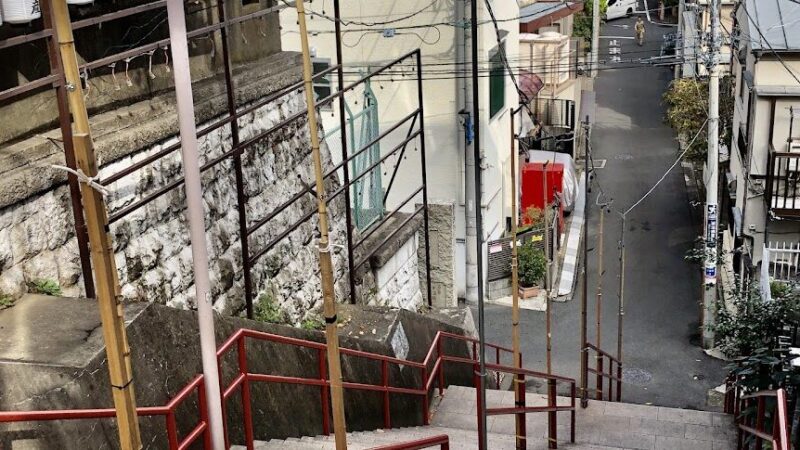
- Yotsuya and Suga Shrine
- Roppongi area
Hida Area, Gifu Prefecture
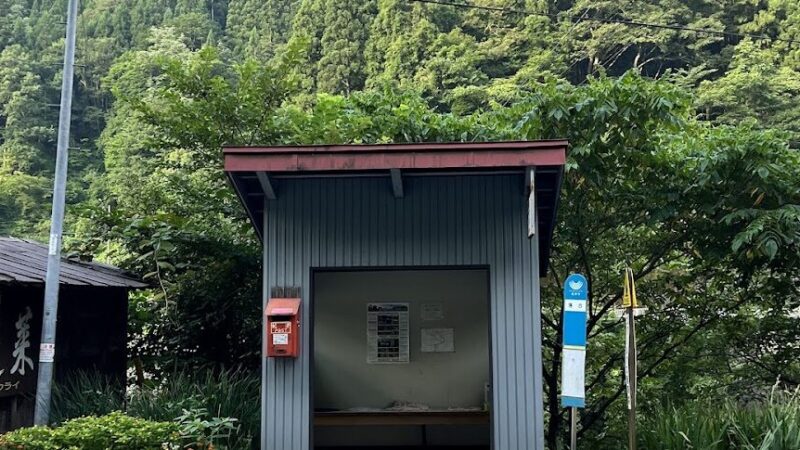
- Hida Furukawa Station
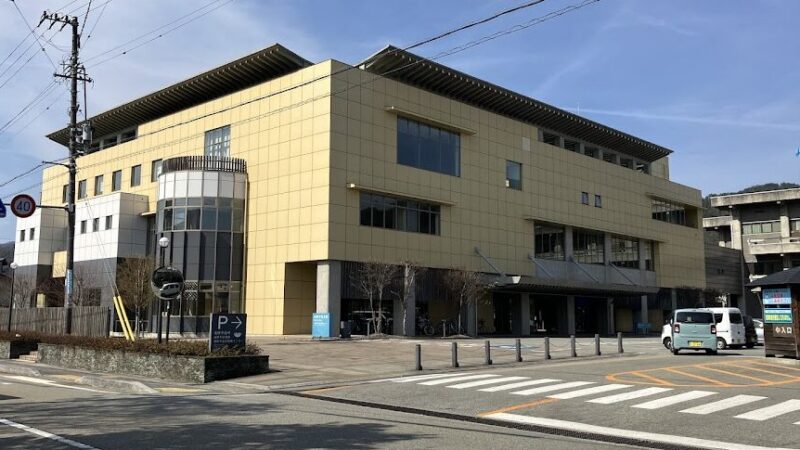
- Hida City Library
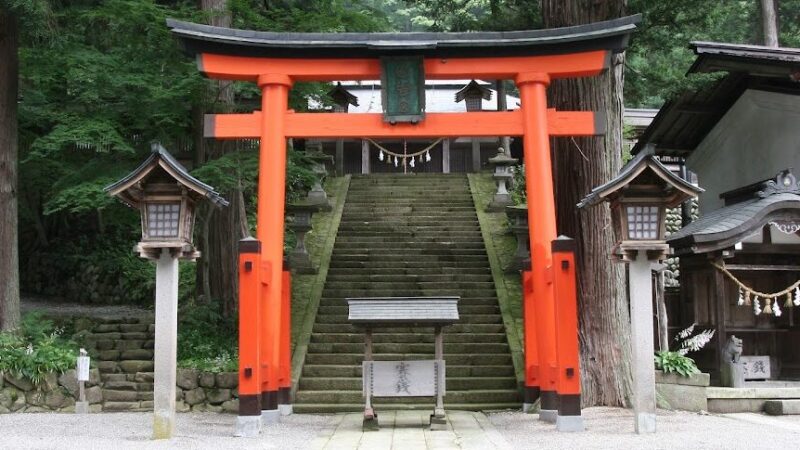
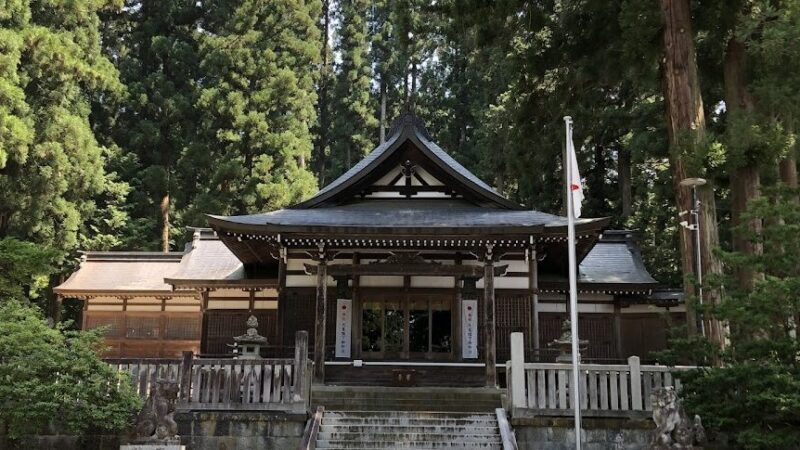
- Ketai Wakamiya Shrine
These locations experienced significant increases in tourist visits following the film’s release.
Formation of Fan Communities
Through sacred pilgrimage, fans worldwide interact and form communities sharing their love of the work.
Manners and Precautions When Visiting
Consideration for local residents and other visitors is important for enjoying sacred pilgrimage.
Basic Etiquette
- Strict adherence to traffic rules: Follow signals at intersections and do not obstruct vehicle and pedestrian traffic during photography
- No entry to private property: Photography points are only from public roads
- Consideration for noise: Avoid loud conversations and commotion
- Take away trash: Keep visited locations clean
- Avoid prolonged occupation: Consider other visitors’ ability to photograph
Safety Assurance During Photography
- Be aware of vehicles: Exercise particular caution when photographing at high-traffic intersections
- Prohibition of distracted phone use: Stop moving when confirming photographs
- Valuables management: Be cautious of pickpockets in crowded areas
Respect for Communities
Sacred pilgrimage spots are also spaces where local residents live their lives. Approaching visits with respect and maintaining good relations with communities ensures the environment for enjoying sacred pilgrimage continues.
History and Changes at Shinjuku Oguard Higashi Intersection
Understanding the historical background of this intersection, beyond its sacred site aspect, allows for deeper comprehension.
Shinjuku’s Development and Transportation Infrastructure
Shinjuku prospered as a post town since the Edo period, and with the development of railways since the Meiji era, it developed into a transportation hub for western Tokyo.
Construction of JR Elevated Tracks
The elevated tracks of the Chuo and Sobu Lines, constructed with the expansion of Tokyo’s railroad network, became a major element forming the urban structure around Shinjuku Station.
Contemporary Shinjuku and Urban Redevelopment
The area around Shinjuku Station undergoes continuous redevelopment, and the Shinjuku Oguard Higashi Intersection vicinity continues to change with the times.
- Construction of new commercial facilities
- Road widening and improvements
- Changes in signs and neon
The scenery depicted in the film may change within years, making sacred pilgrimage valuable for the purpose of recording “now.”
Beyond “Your Name”: Sacred Pilgrimage in Makoto Shinkai’s Other Works
Many attractive sacred sites exist in other works by director Makoto Shinkai.
“Weathering with You” (2019)
Tokyo, including the Shinjuku area, serves as the setting, with many pilgrimage spots that can be visited together with “Your Name.”
- Shinjuku area (shared with “Your Name”)
- Tabata and Ikebukuro areas
- Yoyogi Kaikan (before demolition)
“5 Centimeters per Second” (2007)
- Area around Sannomiya Bridge Station
- Along the Odakyu Line
- Tanegashima (Kagoshima Prefecture)
“The Garden of Words” (2013)
- Shinjuku Gyoen (tea house)
- Shinjuku Station area
By visiting the sacred sites of these works together, you can more deeply experience the world of Tokyo as depicted by director Makoto Shinkai.
Conclusion: Experiencing the World of “Your Name” at Shinjuku Oguard Higashi Intersection
Shinjuku Oguard Higashi Intersection is one of the symbolic landscapes of contemporary Tokyo depicted in “Your Name.” The unique space beneath JR elevated tracks, the people and vehicles passing through, and the urban atmosphere created by neon lights invite visitors into the world of the film, exactly as portrayed in the scene.
Sacred pilgrimage is not merely visiting film locations but experiencing, through actual space, the themes and emotions a work conveys and the intentions of its creators. When standing at Shinjuku Oguard Higashi Intersection and recalling the film’s scene while looking around, you may touch upon a part of the emotions felt by Taki and Mitsuha.
In the vast metropolis of Tokyo, “Your Name” portrays meetings and separations between people, and connections transcending time and space. Please visit Shinjuku Oguard Higashi Intersection, where you can experience one scene of this story.
When visiting, exercise caution regarding safety and etiquette, confirm with your own eyes the beautiful Tokyo scenery depicted by director Makoto Shinkai, capture it on camera, and etch it in your heart. And as you walk through Shinjuku beginning from this intersection, why not more deeply savor the world of the work?

完全ガイド|聖地巡礼マップと撮影スポット-800x450.jpg)
完全ガイド|聖地巡礼・撮影スポット・アクセス情報-800x450.jpg)