“The Moon is Beautiful” Kawagoe City, Saitama Sacred Site Pilgrimage Guide | All Areas Detailed Maps and Model Courses
The TV anime “The Moon is Beautiful” (Tsuki ga Kirei), which aired from April to June 2017, is a completely original work depicting a pale and poignant romance between middle school students Kotaro Azumi and Akane Mizuno set in Kawagoe City, Saitama Prefecture. Even eight years after its broadcast, it remains a highly popular work with many fans from both Japan and abroad visiting for sacred site pilgrimages.
This article classifies the sacred sites of “The Moon is Beautiful” scattered throughout Kawagoe City into 7 areas, and comprehensively introduces detailed information about each spot along with model courses for efficient pilgrimage.
About Kawagoe City, Saitama Prefecture, the Stage of “The Moon is Beautiful”
The Charm of Little Edo Kawagoe
Kawagoe City in Saitama Prefecture is known as “Little Edo,” retaining strong traces of the Edo period while offering convenient access to central Tokyo in just about 30 minutes by train. Numerous historical sites exist, including warehouse-lined streets, the Bell Tower, and Hikawa Shrine, making it a premier tourist destination in Saitama Prefecture with over 7 million visitors annually.
In “The Moon is Beautiful,” the streets of Kawagoe are depicted carefully, and many of the locations featured in the work actually exist. In the anime, Kawagoe Municipal First Junior High School serves as the model for the junior high school attended by the protagonists, and their daily life unfolds alongside Kawagoe’s scenery.
The Kawagoe Festival and Anime Connection
The “Kawagoe Festival,” which plays an important role in the work, is held on the third Saturday and Sunday of October each year and is Kawagoe City’s largest festival. With a history of over 370 years, it is designated as an Important Intangible Folk Cultural Asset of Japan.
In the anime, scenes of protagonist Kotaro practicing flute at Kawagoe Hikawa Shrine are depicted, and the Kawagoe Festival scenes serve as important turning points in the story. At the actual Kawagoe Festival, elaborate wooden floats are pulled through town, and “hikkawaase” (floats passing each other) are a major attraction.
Basic Information and Access for Sacred Site Pilgrimages
How to Access Kawagoe
By Train
- Tobu Tojo Line: About 30 minutes by express from Ikebukuro Station to Kawagoe Station
- Seibu Shinjuku Line: About 45 minutes by express from Seibu-Shinjuku Station to Hon-Kawagoe Station
- JR Kawagoe Line: About 20 minutes from Omiya Station to Kawagoe Station
Hon-Kawagoe Station is most convenient as the starting point for sacred site pilgrimages as it is closest to the tourist area.
Best Time for Pilgrimage and Expected Duration
Recommended Seasons
- Spring (March–May): Cherry blossoms bloom beautifully along the Arakashi River
- Fall (October): The Kawagoe Festival is held, allowing visitors to experience the work’s atmosphere most fully
- Winter (December–February): Relatively fewer tourists, allowing leisurely pilgrimages
Expected Duration
- Main spots only: 3–4 hours
- All areas covered: 6–8 hours
- Including detailed photography: 1–2 days
① Sacred Sites in the Hon-Kawagoe Station Area
Hon-Kawagoe Station
The Hon-Kawagoe Station appears repeatedly from the beginning of the work and is an important place where Akane and Kotaro meet. As the terminal station of the Seibu Shinjuku Line, the station building retains a retro atmosphere.
Scenes of Appearance
- Episode 1: Scene where Akane and Kotaro have their first private conversation
- Episode 6: Scene where Kotaro waits for Akane who forgot her umbrella on a rainy day
- Final Episode: Important scene where the two promise to reunite
The pedestrian deck in front of the station and the area around the ticket gates are ideal for comparative photography with scenes from the work. The atmosphere at dusk is particularly evocative of the work’s world.
Claymall Shopping Street
An arcade shopping street extending north from Hon-Kawagoe Station, approximately 1.2 km long. In the work, it appears in scenes where Akane and Kotaro go on dates and walk with friends.
Various shops line the shopping street, and you can feel the everyday life of local residents. While weekends are crowded with shoppers, weekday mornings are relatively quiet, making them suitable for pilgrimage.
Gusto Kawagoe Claymall Branch
In Episode 3, this family restaurant is the place where Akane and Kotaro visit for their first date. The memorable scene depicts the two nervously looking at the menu.
Pilgrimage Points
- Take commemorative photos in the same seats as in the work (be considerate during busy times)
- Recreate the menu items the two ordered
- Enjoy the restaurant’s atmosphere
By actually dining here, fans can immerse themselves in the work’s world, making this a special place.
② Sacred Sites in the Taisho Romance Dream Avenue Area
Taisho Romance Dream Avenue
About 5 minutes on foot from Hon-Kawagoe Station, this approximately 200-meter street features Western-style buildings from the Taisho period. Characterized by cobblestone roads and buildings evoking Taisho romanticism, it appears repeatedly in scenes where Akane and Kotaro walk together.
Attractions
- Retro street lamps and cobblestone streets
- Western-style architecture from the Taisho period
- Cafes and antique shops
While weekends are crowded with many tourists, weekday mornings are relatively quiet and suitable for photography.
Kumano Shrine
Located near Taisho Romance Dream Avenue, this shrine is dedicated to good fortune and matchmaking. Episode 4 features an impressive scene of Akane praying alone here.
The shrine grounds include a “foot massage health road” with stone paths that locals also cherish. Though a small shrine, it is one of the important sacred sites for fans of the work.
Prayer Points
- Omamori (protective charms) for matchmaking are popular
- The shrine’s atmosphere matches that of the work
- A quiet, peaceful space
③ Sacred Sites in the Warehouse District Street Area
First Avenue (Warehouse District Streets)
A representative tourist spot in Kawagoe that appears in numerous scenes in “The Moon is Beautiful.” About 30 warehouse-style buildings from the Edo period line the street, and it is designated as a preservation district for traditional building groups of national importance.
Appearances in the Work
- Episode 7: Scene of the Kawagoe Festival
- Episode 9: Scene where Akane and Kotaro walk on a date
- Episode 11: Scene where the two talk about their future
The warehouse-style buildings with black-plastered walls and heavy doors epitomize the “Little Edo” atmosphere.
Bell Tower (Toki no Kane)
A bell tower about 16 meters tall known as a symbol of Kawagoe. The current building is the fourth generation, and the bell rings four times daily (6 a.m., noon, 3 p.m., and 6 p.m.).
In the work, it appears repeatedly as a symbolic landscape in the background, and serves as an important background in Episode 7’s Kawagoe Festival scenes.
Photography Points
- Full front view of the structure
- Combination with warehouse district streets
- Silhouette at dusk
Candy Alley (Okashi-ya Yokocho)
About 5 minutes on foot from the Bell Tower, this approximately 80-meter alley features old-fashioned candy shops lined side by side. With over 20 candy shops and selected as part of the Ministry of the Environment’s “100 Scent Landscapes,” it captures nostalgia.
Episode 5 features a scene where Akane and her friends visit here. The colorful candies and sweets lining the shops create a nostalgic atmosphere.
Ways to Enjoy
- Purchase old-fashioned candy
- Photograph colorful candies
- Experience the lingering aroma of soy sauce
④ Sacred Sites in the Kawagoe Hikawa Shrine Area
Kawagoe Hikawa Shrine
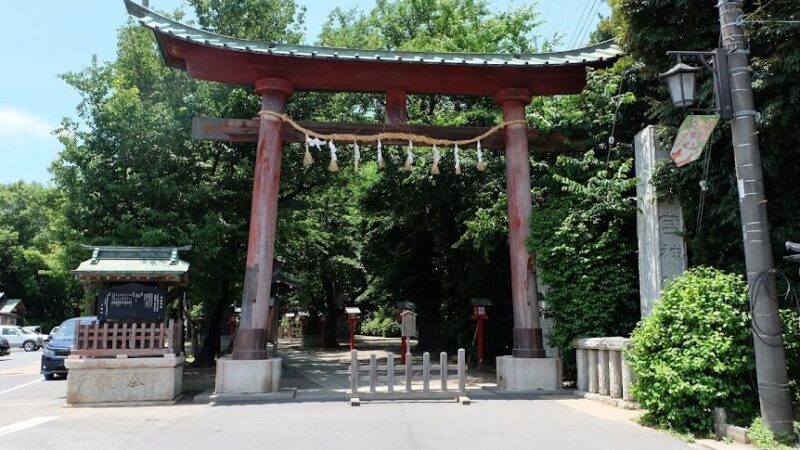
One of the most important locations for “The Moon is Beautiful” sacred site pilgrimages. It appears in nearly every episode as the place where Kotaro practices flute for the Kawagoe Festival.
History and Background
- Founded approximately 1,500 years ago
- Famous as a shrine for matchmaking
- Central shrine of the Kawagoe Festival
Important Scenes in the Work
- Episode 1: Scene of Kotaro practicing flute
- Episode 8: Scene where Akane comes to watch Kotaro’s practice
- Episode 11: Scene where the two pledge their future together
The shrine grounds are spacious with numerous points of interest including the main hall, dance stage, and ema tunnel. The summer-limited “Enmusubi Wind Chime” festival is particularly noteworthy, with over 2,000 Edo wind chimes creating a fantastical atmosphere.
Points of Interest on Hikawa Shrine Grounds
Main Hall
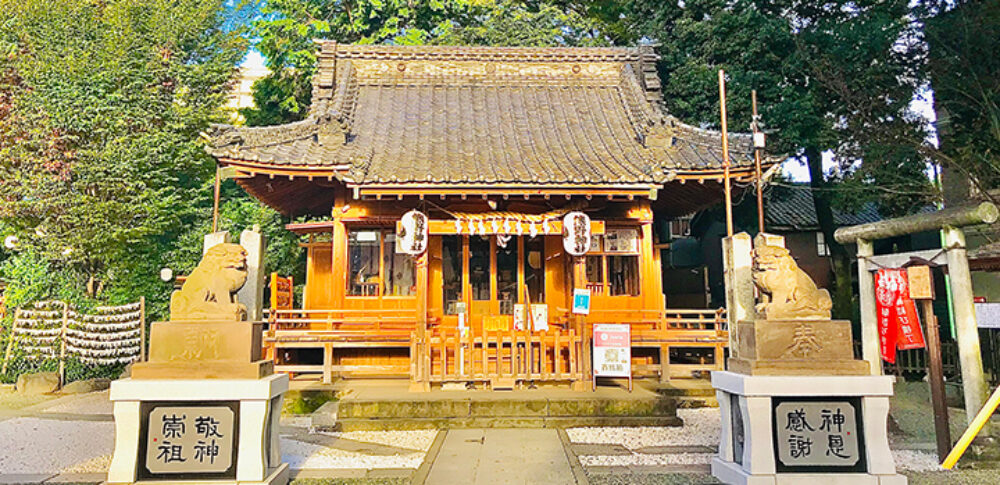
Appears in scenes where Kotaro prays before flute practice. The red main building is strikingly beautiful.
Dance Stage
Where flute practice takes place. The most frequently appearing location in the work. Various ritual performances are held here during the actual Kawagoe Festival.
Ema Tunnel
An tunnel with countless pink ema (wooden prayer plaques) hanging from it. The tunnel is visually impressive with wishes for matchmaking written on the plaques and is also popular as an Instagram-worthy spot.
Aidai Fortune Slip
A fish-shaped fortune slip in various types such as “Ichinen Yasudai” and “Aidai.” A scene in the work shows Akane drawing one, making it popular among fans.
⑤ Sacred Sites Along the Arakashi River Area
Hikawa Bridge
A bridge spanning the Arakashi River from Kawagoe Hikawa Shrine. Episode 6 features this bridge as the important setting for a crucial scene between Akane and Kotaro.
From the bridge, one can see the gentle flow of the Arakashi River and the cherry blossom rows on both banks. In spring, the cherry blossoms make it a famous viewing spot crowded with flower-viewing visitors, and you can enjoy the beauty of different seasons from those in the work.
Photography Points
- View of the river from the bridge’s center
- Landscape through the bridge’s railings
- Atmosphere at dusk
Arakashi River Promenade
Continuing from Hikawa Bridge, the riverbank promenade appears multiple times in scenes where Akane and Kotaro walk side by side. Its quiet and peaceful atmosphere is notable as the two’s relationship deepens.
Attractions by Season
- Spring: Cherry blossom rows in full bloom (late March–early April)
- Summer: Fresh greenery and shimmer of the river surface
- Fall: Autumn leaves and the river’s calm flow
- Winter: Quiet atmosphere
The well-maintained promenade allows leisurely strolls while immersing oneself in the work’s world.
⑥ Sacred Sites in the Kawagoe Station Area
Kawagoe Station
A gateway to Kawagoe served by the JR Kawagoe Line and Tobu Tojo Line. Episode 10 features scenes such as Kotaro returning from a school trip.
While more modern than Hon-Kawagoe Station, it remains an important location for fans of the work. The station’s front rotary and east exit’s atmosphere are depicted in the series.
Unix Kawagoe
About 5 minutes on foot from Kawagoe Station’s west exit, this shopping center appears in Episode 4 with scenes of Akane and friends shopping.
The facility houses various stores and serves as a convenient rest stop during sacred site pilgrimages.
⑦ Tatami Bridge Area and Other Sacred Sites
Tatami Bridge
A pedestrian-only bridge spanning the Arakashi River in southern Kawagoe City. It appears in Episode 12 (final episode) as a crucial scene location where Akane and Kotaro’s relationship significantly advances.
Access
About 20 minutes on foot from Hon-Kawagoe Station, or accessible by bus. Though somewhat removed from the tourist area, it is an unmissable pilgrimage site for fans.
Features
- Wooden pedestrian-only bridge
- Quiet, peaceful atmosphere
- Opportunity to feel the river flow and nature
The view from the bridge overlaps with scenes from the work, making it a special place where one can re-experience the characters’ emotions.
Kawagoe Municipal Museum and Art Museum Surroundings
Located near Kawagoe Hikawa Shrine, it appears as a place Akane and Kotaro visit on a date. Surrounding parks and roads often match work scenes, allowing for detailed comparative photography.
Kawagoe Municipal First Junior High School (Exterior Only)
The real school that serves as the model for the junior high school attended by the protagonists in the work. However, as it is an active educational facility, entry to the grounds is strictly prohibited. Please limit yourself to viewing the exterior from a distance, and do not forget to be considerate of students and nearby residents.
Efficient Sacred Site Pilgrimage Model Courses
Half-Day Course (3–4 hours)
Starting in the Morning
- Hon-Kawagoe Station (9:00)
- Taisho Romance Dream Avenue & Kumano Shrine (9:15–9:45)
- First Avenue & Bell Tower (9:50–10:30)
- Candy Alley (10:35–11:00)
- Kawagoe Hikawa Shrine (11:15–12:15)
- Hikawa Bridge & Arakashi River Promenade (12:20–12:45)
- Return to Hon-Kawagoe Station (13:00)
This course efficiently covers the main sacred sites. Lunch is best taken at restaurants or cafes around First Avenue.
Full-Day Course (6–8 hours)
For Those Wanting a Thorough Pilgrimage
- Hon-Kawagoe Station (9:00)
- Claymall & Gusto (9:10–10:00)
- Taisho Romance Dream Avenue & Kumano Shrine (10:10–10:50)
- First Avenue & Bell Tower (11:00–12:00)
- Lunch (12:00–13:00)
- Candy Alley (13:10–13:40)
- Kawagoe Hikawa Shrine (14:00–15:30)
- Hikawa Bridge & Arakashi River Promenade (15:35–16:15)
- Museum & Art Museum Surroundings (16:30–17:00)
- Tatami Bridge (17:15–17:45)
- Return to Hon-Kawagoe Station (18:15)
This course covers nearly all major sites appearing in the work. Ample photography time is available for a satisfying pilgrimage.
Two-Day Course (Overnight Plan)
Day 1
- Morning: Hon-Kawagoe Station area–First Avenue area
- Afternoon: Kawagoe Hikawa Shrine area–Arakashi River
- Evening: Overnight at a Kawagoe hotel
Day 2
- Morning: Tatami Bridge area–Kawagoe Station area
- Afternoon: Revisit missed spots
Staying overnight allows enjoyment of twilight and early morning atmospheres, deepening immersion in the work’s world.
Notes and Etiquette for Sacred Site Pilgrimages
Photography Etiquette
General Precautions
- Be considerate of pedestrian traffic
- Do not enter private property without permission
- Obtain permission from shop staff before photographing in commercial facilities
- Ensure safety when using tripods
Etiquette at Shrines and Temples
- Offer prayers before photographing
- Interior photography of main halls is usually prohibited
- Maintain silence and be considerate of other worshippers
- Remember these are sacred spaces
Consideration for School Facilities
School facilities such as Kawagoe Municipal First Junior High School, which serves as models in the work, are active educational institutions.
Rules That Must Be Followed
- Absolutely no entry to school grounds
- No actions that would disrupt classes
- Prohibition of photographing students
- Avoid loud conversations or noise
Limit yourself to viewing the exterior from afar, and ensure not to cause inconvenience to residents or school staff.
Strategies for Crowded Periods
Periods Expecting Congestion
- During the Kawagoe Festival (third Saturday and Sunday of October)
- During cherry blossom season (late March–early April)
- Golden Week
- Year-end and New Year period
During these periods, large crowds of tourists make leisurely pilgrimages difficult. Visits on weekdays or early mornings are recommended when possible.
Points for Deepening Enjoyment of Sacred Site Pilgrimages
Preparation and Review of the Work
Rewatching the work before pilgrimage allows you to understand the importance of each site and scenes where they appear. Taking notes of episode numbers for memorable scenes will increase emotional impact at locations.
Recommended Preparation
- Watch the entire series
- Save screenshots of memorable scenes
- List appearing locations
- Create a pilgrimage map
Seasonal Enjoyment
Spring (March–May)
Cherry blossoms along the Arakashi River are beautiful, and you can enjoy seasonal landscapes different from the work. The area around Hikawa Bridge is particularly notable as a cherry blossom viewing spot.
Summer (June–August)
The “Enmusubi Wind Chime” festival at Kawagoe Hikawa Shrine features over 2,000 Edo wind chimes decorating the grounds. The cool sounds and fantastical atmosphere are charming.
Fall (September–November)
October’s Kawagoe Festival is the period when you can most deeply experience the work’s atmosphere. Seeing the actual floats and flute music helps you better understand Kotaro’s feelings.
Winter (December–February)
A time of relatively fewer tourists, allowing quiet pilgrimages. You can peacefully immerse yourself in the work’s world amid the clear winter air.
Gourmet Information
Enjoying Kawagoe’s local specialties during pilgrimage breaks is recommended.
Kawagoe Specialties
- Sweet potato sweets: Kawagoe is a renowned sweet potato production area
- Eel: Many old-established eel restaurants near First Avenue
- Thick-noodle fried noodles: Kawagoe’s B-grade gourmet
- Little Edo Beer: Local craft beer is also popular
Candy Alley offers traditional candy for eating while walking, while First Avenue provides food-on-the-go options like sweet potato snacks and soft-serve ice cream.
Souvenir and Merchandise Information
Omamori from Kawagoe Hikawa Shrine
- Matchmaking charms: Popular due to the relationship theme
- Aidai fish-shaped fortune slip: Portable fish-shaped keepsake
Kawagoe Specialty Products
- Sweet potato confections
- Bell Tower merchandise
- Kawagoe t-shirts
Some shops may carry “The Moon is Beautiful” related merchandise.
Learning More About the Kawagoe Festival
History of the Kawagoe Festival
The Kawagoe Festival is said to have begun when Matsudaira Nobutsuna, the feudal lord of Kawagoe Castle, donated mikoshi, lion heads, and other items to Hikawa Shrine in Keian 1 (1648). With a history of over 370 years, it was designated as an Important Intangible Folk Cultural Asset of Japan in 2005.
During the Edo period, it adopted the style of Edo’s “Great Festival,” and elaborate floats became its characteristic feature. Today, 29 floats carrying elaborate figures still parade through the city, maintaining strong traces of “Little Edo Kawagoe.”
Highlights of the Kawagoe Festival
Float Processions
The sight of 7–8 meter tall floats proceeding through town is spectacular. Each float is decorated with elaborate figures with their own origins.
Hikkawaase (Floats Passing)
When floats meet, they engage in competitive flute performances, a traditional ritual. Facing floats compete musically, and crowds grow excited at this main attraction of the Kawagoe Festival.
Flute Performances
The flute music Kotaro practices in the work is a vital element of the festival. Performances on flutes, drums, and bells resound throughout town.
Evening Float Processions
The sight of floats lit by lanterns advancing through the evening streets is fantastical and depicted impressively in the work.
Pilgrimage During Festival Period
During the Kawagoe Festival period (third Saturday and Sunday of October), you can experience the work’s atmosphere most fully, but expect significant crowds.
Crowding Strategies
- Tour main sites early morning or the day before the festival
- Focus on experiencing atmosphere rather than photography on festival day
- Consider two-day pilgrimage with overnight accommodation
- Early morning is best for photography due to fewer people
Deepening Understanding of the Work
Characters and Kawagoe’s Relationship
Kotaro Azumi
A shy third-year junior high student in the literary club aspiring to be a writer. He practices flute at Kawagoe Hikawa Shrine and plays an important role in the Kawagoe Festival. His character is deeply connected to Kawagoe’s traditional culture.
Akane Mizuno
A serious girl on the track and field team with devoted feelings. Scenes of her running through Kawagoe are memorable, with the Arakashi River promenade appearing frequently.
The Work’s Theme and Kawagoe
“The Moon is Beautiful” carefully depicts adolescent romance. Kawagoe’s composed atmosphere and historical character enhance the pair’s pure relationship.
The work frequently references literary works such as Osamu Dazai’s “Run Melos” and Soseki Natsume’s “Kokoro,” expressing Kotaro’s literary aspirations. Kawagoe’s cultural background deepens the work’s complexity.
Kawagoe’s Appeal as a Sacred Site
Kawagoe became popular as a sacred site for “The Moon is Beautiful” due to the high fidelity of depiction of real locations. Actual sites are carefully rendered, and visiting them allows entrance into the work’s world.
Kawagoe’s inherent appeal as a tourist destination is also crucial. Beyond anime fans, general tourists can enjoy it, allowing simultaneous pilgrimage and sightseeing, a major advantage.
Nearby Accommodations and Access Information
Recommended Accommodations
Kawagoe Prince Hotel
Within 1 minute on foot from Hon-Kawagoe Station. Ideal as a pilgrimage base.
Kawagoe Daiichi Hotel
About 3 minutes on foot from Kawagoe Station’s east exit. Reasonable prices are attractive.
Little Edo Lodging Kawagoe
Close to warehouse district streets with a Japanese atmosphere.
Nearby Tourist Spots
Tourist sites to visit alongside sacred site pilgrimages:
Kitain Temple
A Tendai Buddhist temple and Important Cultural Property with links to the Tokugawa family. Beautiful spring cherry blossoms and autumn foliage.
Honmaru Goten
A surviving original castle building of Kawagoe Castle and a rare existing hon-maru-goten.
Renkei-ji Temple
Known for “Obinzuru-sama.” There is a belief that touching the statue cures illness.
Conclusion: Ensuring Successful “The Moon is Beautiful” Sacred Site Pilgrimage
Kawagoe City in Saitama Prefecture, the sacred site of “The Moon is Beautiful,” is a wonderful place to experience the work’s world. By efficiently touring the seven areas introduced in this article, your understanding of the work deepens and creates a touching experience.
Points for Pilgrimage Success
- Watch the work beforehand to identify important scenes
- Plan an efficient route
- Follow photography etiquette and be considerate of residents
- Consider season and timing for your visit
- Also enjoy Kawagoe’s culture and history
Despite being just about 30 minutes from central Tokyo, Kawagoe is a charming city retaining Edo-period atmosphere. Through “The Moon is Beautiful” sacred site pilgrimage, you can re-experience the work’s emotion while discovering Kawagoe’s charm.
Walking the paths Kotaro and Akane walked and seeing the scenery they saw—this becomes an invaluable experience for the work’s fans. I hope this article helps make your sacred site pilgrimage more fulfilling.