
Girls Band Cry Complete Kanagawa Prefecture Pilgrimage Guide | Thorough Explanation of All Anime Setting Spots
What is Girls Band Cry
“Girls Band Cry” (ガールズバンドクライ) is an original animation work broadcast in 2024. Produced by Toei Animation, this music anime depicting the youth and struggles of girls who come to Tokyo to pursue band activities has captured the hearts of many fans.
The story centers on the protagonist Nina, who leaves her hometown and comes to Tokyo, where she meets unique members and forms the band “Togenashi Togenari.” The work’s major features include realistic psychological portrayals, powerful live scenes, and carefully depicted background art of real cityscapes.
The main setting of this work is primarily the area centered around Kawasaki City, Kanagawa Prefecture. The production team actually conducted location scouting on-site and faithfully incorporated real landscapes and buildings into the work. For this reason, it has attracted attention among anime fans as a target for “seichi junrei” (pilgrimage to sacred sites), and many fans have visited Kanagawa Prefecture since the broadcast.
Why Kanagawa Prefecture Was Chosen as the Setting
There are several reasons why Kanagawa Prefecture, especially Kawasaki City, was chosen as the setting for “Girls Band Cry.”
First, Kawasaki City is a town with its own culture and history while maintaining good access to central Tokyo. As a place where people from rural areas first live after coming to Tokyo, and as a base for young people starting music activities, it provides a very realistic setting.
The area around Kawasaki Station is well-equipped with commercial facilities and youth culture is deeply rooted. There are many live houses and music studios, and it’s actually an area where indie band activities are thriving. This aspect as a “music town” is considered to have been ideal as the setting for a band anime.
Additionally, Kawasaki City is adjacent to Tokyo across the Tama River and has a unique landscape where urban and suburban areas coexist. The contrast between the station area lined with high-rise buildings and residential neighborhoods a bit removed is also effectively used as a background symbolizing the protagonists’ emotional states.
Sacred Site Spots Around Kawasaki Station
Kawasaki Station East Exit
Kawasaki Station East Exit is an important location that appears many times in the work. In the scene where protagonist Nina first sets foot in Kawasaki, the station ticket gates and East Exit rotary are depicted in detail.
The exterior of the large commercial facility “Lazona Kawasaki Plaza” in front of the station also appears in the work, used as background for scenes where members go shopping or dining. When actually visiting, you can take photos from the angles seen in the anime, and many pilgrims enjoy commemorative photography.
Access Information:
- Immediately upon exiting JR Tokaido Line, Keihin-Tohoku Line, Nambu Line “Kawasaki Station”
- About 5 minutes walk from Keikyu Main Line “Keikyu Kawasaki Station”
Kawasaki Station West Exit / Around Muza Kawasaki
On the Kawasaki Station West Exit side is the music hall “Muza Kawasaki Symphony Hall.” While there are few direct appearance scenes in the work, it is sometimes depicted in the distant view as architecture symbolizing Kawasaki as a music town.
The West Exit pedestrian deck and station plaza also appear in scenes where members meet up. The West Exit rotary scene at dusk is particularly one of the work’s memorable moments.
Kawasaki Ginryugai / Kawasaki Ginza Street
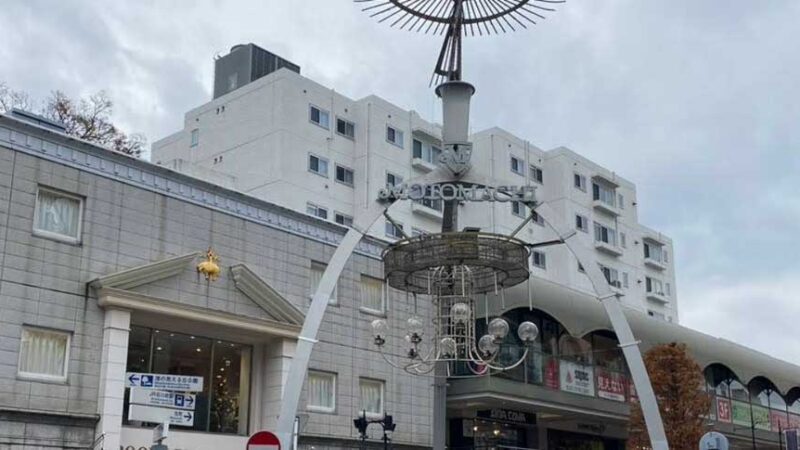
“Ginryugai,” the shopping street extending from Kawasaki Station East Exit, is a historic shopping street retaining Showa-era atmosphere. In the work, it appears in scenes where members search for music stores or browse vintage clothing shops.
The unique atmosphere of the arcade street and the appearance of distinctive shops lined up are faithfully recreated, and actually walking through allows you to feel the work’s worldview more deeply. The nighttime Ginryugai landscape with neon lights lit particularly overlaps with the work’s nostalgic atmosphere.
Sacred Site Spots Along the Tama River
Tama River Riverbank
The Tama River riverbank is one of the most important sacred sites in “Girls Band Cry.” It appears many times as the setting for important scenes where members practice or talk together.
Especially from the Kawasaki side riverbank, you can see the building clusters on the opposite Tokyo side, and this landscape is impressively depicted in the work. The Tama River at dusk is effectively used as beautiful background reflecting the protagonists’ emotions.
Recommended Visit Times:
- Evening (16:00-18:00): Sunsets are beautiful, easy to recreate scenes from the work
- Early morning (6:00-8:00): Few people, can enjoy quiet atmosphere
Tamagawa Ohashi Bridge
Tamagawa Ohashi Bridge and its surroundings also appear multiple times in the work. Scenes looking down at the river from the bridge and members conversing at the foot of the bridge are depicted.
From the bridge sidewalk, you can enjoy views of the Tama River in both upstream and downstream directions, and on clear days, you can even see Mt. Fuji in the distance. This open scenery also seems to symbolize the protagonists’ emotional liberation.
Access Information:
- About 15 minutes walk from JR Nambu Line “Yakou Station”
- Bus use also possible from Kawasaki Station
Live Houses and Music Spots in Kawasaki City
Club Citta Kawasaki
“Club Citta Kawasaki,” a representative live house of Kawasaki, is considered one of the models for the live houses appearing in the work. It’s actually a sacred site where many bands perform live, becoming an important element supporting the work’s realism.
In the work, there are scenes where the exterior is depicted as the large live house that Togenashi Togenari aims for. When actually visiting, you can feel its presence and passion for music.
Facility Information:
- Address: 5-7 Ogawa-cho, Kawasaki-ku, Kawasaki City, Kanagawa Prefecture
- Access: About 5 minutes walk from JR Kawasaki Station East Exit
- Note: Interior viewing not possible except during live events
Small-Scale Live Houses and Music Studios
Small-scale live houses and music studios are scattered around Kawasaki Station. The studio where the protagonists practice in the work and the small live house where they perform for the first time are presumed to be modeled on these actual facilities.
Especially in mixed-use buildings at the East Exit, multiple music studios are housed, bustling with young people actually doing band activities. The existence of this “real music scene” enhances the work’s persuasiveness.
Residential Area and Living Zone Sacred Sites
Residential Areas in Kawasaki City
The exteriors of apartments and share houses where the protagonists live, and the surrounding residential neighborhood scenery, are also modeled on actual places in Kawasaki City. Particularly, alleys in residential areas a bit away from Kawasaki Station and areas lined with old apartments appear in the work.
These casual everyday landscapes are important elements supporting the work’s realism. When making pilgrimages, it’s necessary to consider that these are residential areas and be careful not to inconvenience residents.
Convenience Stores and Shops
The work also features many everyday places such as convenience stores where members gather late at night and music stores where they buy guitar strings. Rather than specific stores, these recreate the atmosphere of general stores that actually exist in Kawasaki City.
Other Sacred Site Candidates in Kanagawa Prefecture
Yokohama Direction
While Kawasaki is central in the work, Yokohama direction scenery is also believed to appear in some scenes. Particularly seaside landscapes and urban cityscapes may incorporate Yokohama elements.
Keikyu Line Stations
Stations and interior scenes on the Keikyu Line also appear in the work. In movement scenes from Kawasaki Station toward Yokohama or Tokyo, Keikyu Line’s characteristic red trains are depicted.
Effective Ways to Tour Sacred Sites
One-Day Model Course
Morning (10:00-12:00):
- Start from JR Kawasaki Station East Exit
- Explore around Lazona Kawasaki
- Walk through Ginryugai and Ginza Street
- Location photography around the station
Lunch (12:00-13:00):
- Lunch at restaurants around Kawasaki Station
Afternoon (13:00-16:00):
- Move toward Tama River (bus or on foot)
- Explore Tama River riverbank
- Around Tamagawa Ohashi Bridge
- Explore residential area (observe etiquette)
Evening (16:00-18:00):
- Around Kawasaki Station West Exit
- Photograph twilight station scenery
- Around Club Citta Kawasaki (exterior only)
Half-Day Course
If time is limited, it’s recommended to focus on the two areas of around Kawasaki Station and Tama River riverbank. From the station to Tama River is about 30 minutes on foot, or 10-15 minutes accessible by bus.
Access and Transportation Information
Access from Tokyo Direction
Train:
- JR Tokaido Line: Tokyo Station to Kawasaki Station about 18 minutes
- JR Keihin-Tohoku Line: Shinagawa Station to Kawasaki Station about 10 minutes
- Keikyu Main Line: Shinagawa Station to Keikyu Kawasaki Station about 10 minutes
Car:
- About 5 minutes from Shuto Expressway Kanagawa Route 1 Yokohane Line “Kawasaki IC”
- Parking: Multiple coin parking lots around the station
Access from Yokohama Direction
Train:
- JR Tokaido Line: Yokohama Station to Kawasaki Station about 8 minutes
- Keikyu Main Line: Yokohama Station to Keikyu Kawasaki Station about 8 minutes
Transportation Within the City
The following transportation methods are convenient for moving around Kawasaki City:
- City buses: Cover wide range from Kawasaki Station to Tama River direction
- Walking: Main spots around the station are within walking distance
- Bicycle: Rental bicycle services also available
Pilgrimage Etiquette and Precautions
Basic Etiquette
When enjoying sacred site pilgrimages, observe the following etiquette:
- Consideration in residential areas: Don’t talk loudly, avoid extended stays
- Photography etiquette: No trespassing on private property without permission, be considerate not to include others in photos
- Take trash with you: Keep visited places clean
- Observe traffic rules: When photographing on sidewalks, be careful not to obstruct traffic
- Etiquette in commercial facilities: Get permission for photography in stores, avoid extended stays without purchases
Consideration for Residents
Many sacred sites in Kawasaki City are places where people actually live. Especially in residential areas and shopping streets, it’s important to respect local residents’ daily lives.
- Avoid early morning and late night visits
- Don’t enter private property or residential premises
- Refrain from large group activities
- Be mindful of noise
Photography Precautions
- When using tripods, choose locations that don’t obstruct traffic
- Many places within commercial facilities prohibit photography, so check in advance
- Be considerate not to include other tourists or locals in photos
- When posting to SNS, don’t publish location information in too much detail
Recommended Items and Preparations
Essential Items
- Smartphone/Camera: For recording sacred sites
- Mobile battery: In preparation for long pilgrimages
- Map apps: Navigation apps like Google Maps
- Beverages: Especially for heatstroke prevention in summer
- Hat/Parasol: Sun protection
Useful Items
- Scene photos from the work: For comparison with sacred sites (saving to smartphone is also OK)
- Notebook: For recording visited places and impressions
- Rain gear: In preparation for sudden weather changes
- Comfortable shoes: Important when walking long distances like Tama River riverbank
Surrounding Tourist Spots and Gourmet Information
Kawasaki City Tourist Spots
Tourist spots in Kawasaki City to visit along with sacred site pilgrimages:
Kawasaki Daishi:
- One of the three great Kanto temples, famous as New Year’s visit spot
- About 10 minutes from Kawasaki Station on Keikyu Daishi Line
Kawasaki City Museum:
- Exhibits art, history, and folk materials
- Accessible by bus from Musashi-Kosugi Station
Lazona Kawasaki Plaza:
- Large shopping mall
- Ideal for breaks and shopping
Recommended Gourmet
Kawasaki City has diverse restaurants:
Kawasaki Gourmet Characteristics:
- Abundant multinational cuisine (especially Korean and Chinese)
- Many izakaya and ramen shops around the station
- Many reasonably priced establishments
Recommended Areas:
- Restaurant district at Kawasaki Station East Exit
- Long-established diners in Ginryugai and Ginza Street
- Restaurant floors in Lazona Kawasaki
Seasonal Highlights
Spring (March-May)
Cherry blossoms bloom on the Tama River riverbank, also popular as a flower viewing spot. Visiting during spring scenes from the work allows you to feel the work’s worldview more.
Summer (June-August)
Summer festivals and events are sometimes held at Tama River. However, heat countermeasures are essential. Early morning or evening visits are recommended.
Autumn (September-November)
Comfortable climate, ideal season for sacred site pilgrimages. The twilight Tama River scenery is especially beautiful, perhaps the time when you can feel the work’s atmosphere most.
Winter (December-February)
Clear air makes distant views clearer. Illuminations around Kawasaki Station are also highlights. Visit with proper cold weather preparations.
Methods for Recording Pilgrimages
Photo Tips
Points for taking photos recreating scenes from the work:
- Find the same angle: While comparing with scene photos from the work, find the same angle
- Match the time of day: Visit at the same time period as scenes in the work—morning, afternoon, evening
- Consider the season: Visiting at the same season as in the work brings the atmosphere closer
Sharing on SNS
When sharing sacred site pilgrimage records on SNS:
- Utilize hashtags like “#GirlsBandCry” “#SeichiJunrei”
- Enjoy interaction with other fans
- Be considerate about spoilers in posts
- Be cautious about publishing location information (especially for residential areas)
Background Knowledge to Enjoy the Work More
How to Watch the Work
Before sacred site pilgrimages, it’s recommended to watch or rewatch the work. Confirming locations appearing in each episode makes pilgrimages more fulfilling.
Related Products and Goods
Official goods and soundtracks also help you taste the work’s worldview more deeply. Some may be available at anime shops around Kawasaki Station.
Fan Communities
By exchanging information with other fans on SNS and fan sites, you can discover new sacred site spots and obtain information about efficient pilgrimage routes.
Significance and Enjoyment of Sacred Site Pilgrimages
Sacred site pilgrimages are not just about visiting work locations, but acts of understanding the work’s worldview more deeply and reflecting on the creators’ intentions and protagonists’ emotions.
By actually walking through the town of Kawasaki, you can feel the anxiety and expectations of the protagonists who came to Tokyo, and emotions like challenges in new environments, more intimately. Feeling the wind on the Tama River riverbank while remembering scenes where they talked together—such experiences are the real pleasure of sacred site pilgrimages.
It also becomes an opportunity to rediscover the charm of the actual town of Kawasaki City. You can realize that the town you learned about through anime actually has rich culture and history, and is a place where many people live.
Future Developments and Changes to Sacred Sites
As long as “Girls Band Cry” remains popular, Kawasaki City’s attention as a sacred site will also increase. In the future, official collaboration events and tie-ups with local shopping streets are also anticipated.
On the other hand, sacred sites are also “living places.” There’s also the possibility that scenery from the work may change due to redevelopment or store turnover. That’s precisely why visiting now and recording current scenery has meaning.
Summary: To Fully Enjoy Girls Band Cry Sacred Site Pilgrimages
Sacred site pilgrimages for “Girls Band Cry” in Kanagawa Prefecture are concentrated in a compact area centered around Kawasaki Station and Tama River riverbank, fully enjoyable even in one day. Access from central Tokyo is also good, making it ideal for first-time sacred site pilgrimages.
When visiting, it’s important to remember consideration for local residents and enjoy while observing etiquette. Pilgrimaging with love for the work and respect for the actual town will make the experience more fulfilling.
A journey tracing the protagonists’ trajectory while feeling the atmosphere of the town of Kawasaki—it should be a special experience that brings deeper understanding of the work and new discoveries. Please use this article as reference to plan your own sacred site pilgrimage.
Kawasaki, a town where stories of music, youth, and girls pursuing dreams live. Why not overlay your own story within that landscape?