Non Non Biyori Repeat: Relationship with Ibaraki Prefecture and Complete Sacred Site Pilgrimage Guide
Among those searching for sacred sites of “Non Non Biyori Repeat,” many search for Ibaraki Prefecture. However, in reality, the main sacred sites of this anime are not in Ibaraki Prefecture, but rather in Saitama Prefecture, Wakayama Prefecture, Niigata Prefecture, and other locations. This time, we will explain why Ibaraki Prefecture is often confused with the actual sites and introduce the actual sacred site pilgrimage spots in detail.
What is Non Non Biyori? Overview of the Work
“Non Non Biyori” is a manga work by Atto that depicts the daily lives of children attending a rural branch school in a heartwarming anime style. The first season aired in 2013, and the second season “Non Non Biyori Repeat” aired from July to September 2015. Later, in 2021, the third season “Non Non Biyori Nonstop” was also produced.
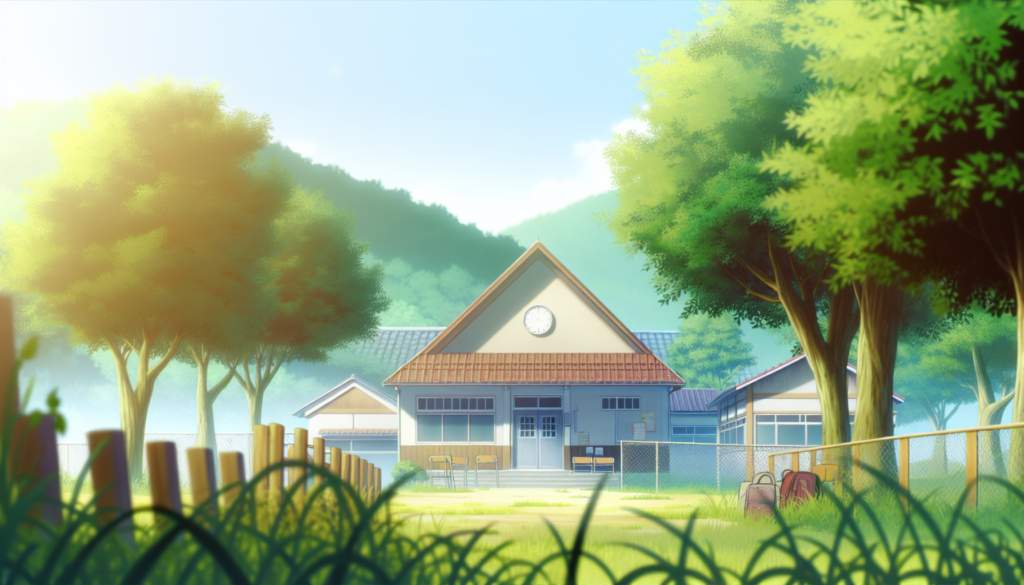
The setting of the work is a small “Asahioka Branch School” with only five students in the entire school. Surrounded by abundant nature, the rural landscape depicted in the work has received high praise as a piece that brings nostalgia and healing to viewers.
Reasons for Confusion with Ibaraki Prefecture
Similarity of Rural Landscapes in the Kanto Region
There are several reasons why many people consider the sacred sites of “Non Non Biyori Repeat” to be in Ibaraki Prefecture. First, the rural landscape depicted in the work is very similar to agricultural villages in Ibaraki Prefecture. Although Ibaraki is part of the Kanto region, there are many areas with abundant nature and remaining rural landscapes, which overlap with the anime’s atmosphere.
Image of Rural Areas Near the Kanto Region
The setting of the work strongly conveys the image of “rural Kanto,” making Saitama Prefecture, Ibaraki Prefecture, Tochigi Prefecture, and Gunma Prefecture easily associated with it. In fact, Ogawa Town in Saitama Prefecture, where the main sacred sites are located, is positioned relatively close to the prefectural border with Ibaraki Prefecture, making geographic confusion a contributing factor.
Existence of Closed Schools and Branch Schools
Ibaraki Prefecture also has many closed schools and suspended branch schools. School consolidation due to declining birth rates is a nationwide phenomenon, and similar situations can be seen in Ibaraki Prefecture as well. Because of this, many people associate Ibaraki Prefecture with the keyword “rural branch school.”
Actual Sacred Sites Are Not in Ibaraki Prefecture
In conclusion, the main sacred sites of “Non Non Biyori Repeat” do not exist in Ibaraki Prefecture. The author Atto has based his work on his birthplace and places he visited for research, with most of them distributed across Saitama Prefecture, Wakayama Prefecture, Niigata Prefecture, Chiba Prefecture, and other locations.
Primary Sacred Site ①: Ogawa Town, Saitama Prefecture “Ogawa Town Ogawa Elementary School Shimosato Branch School”
The School That Became the Model for Asahioka Branch School
The most important sacred site in the “Non Non Biyori” series is the “Ogawa Town Ogawa Elementary School Shimosato Branch School” located in Ogawa Town, Hiki District, Saitama Prefecture. This school served as the model for the “Asahioka Branch School” that appears in the work. It opened in 1874 (Meiji 7), closed in 2003 (Heisei 15), and was officially decommissioned in 2011 (Heisei 23).
Currently, it is not open to the general public, and visits are limited to viewing the exterior. However, it is a valuable sacred site where visitors can feel the atmosphere of the school building depicted in the anime as it is. The wooden school building, schoolyard, and surrounding rural landscape are places that embody the worldview of the work, and many fans visit them.
Characteristics of the School Building and Schoolyard
The Shimosato Branch School building has an exterior very similar to the Asahioka Branch School depicted in the anime. The two-story wooden school building, schoolyard play equipment, and surrounding nature reproduce the atmosphere of the work in meticulous detail. In particular, the windows and entrance of the building boast high fidelity when compared to scenes in the anime.
Play equipment such as horizontal bars and swings remain in the schoolyard, allowing visitors to recall scenes of Renge and others playing. However, as it is private property, entry into the premises is prohibited. Respectful viewing in compliance with regulations is required.
Access Method
The nearest station is “Ogawa Town Station” on the Tobu Tojo Line and JR Hachiko Line. From the station to Shimosato Branch School is approximately 7 kilometers, taking about an hour and a half on foot. Using a rental bicycle can get you there in 20-30 minutes. Rental bicycle services are available around Ogawa Town Station, and electric-assisted bicycles can also be rented.
By car, it is approximately 15 minutes from the Karasuyama-Ogawa IC on the Kanetsu Expressway. However, there is no parking lot around the branch school, so street parking should be avoided and consideration should be given to not inconveniencing the surrounding area.
Nearby Café “Mozart”
Near Shimosato Branch School is a café called “Mozart,” which is a renovated old house. It is a famous spot among Non Non Biyori fans and is used as a rest stop during sacred site pilgrimages. Homemade sweets and light meals can be enjoyed inside, where visitors can spend a leisurely time.
Since business days are limited, it is recommended to check operating information before visiting.
Primary Sacred Site ②: Amanoi Village, Katsuragi Town, Wakayama Prefecture
Water Mill and Rural Landscape
The water mill that appears in Episode 2 of “Non Non Biyori Repeat” is modeled after “Amanoi Village” in Ito District, Katsuragi Town, Wakayama Prefecture. This place, with its impressive rice terraces and water mill, became the setting for an important scene in the work.
Amanoi Village is located at the foot of Mount Koya, part of the World Heritage site “Sacred Sites and Pilgrimage Routes in the Kii Mountain Range,” and displays a historically significant rural landscape. The scenery around the water mill shows different beauty in each season—fresh greenery in spring and golden rice ears in autumn captivate visitors.
Access and Points for Viewing
From Kasada Station on the JR Wakayama Line, it is about 20 minutes by bus or taxi. Since public transportation is limited, visiting by rental car is more convenient. The water mill is currently preserved and the surrounding area can be freely explored.
As this is a rural area, care should be taken not to interfere with farm work, and unauthorized entry into private property should be avoided. Actions that respect the area as a place where local residents live are required.
Primary Sacred Site ③: Kakinoki Station Ruins, Uonuma City, Niigata Prefecture
Unmanned Station on the JR Tadami Line
“Non Non Biyori Repeat” features the “Kakinoki Station” (currently a closed station) on the JR Tadami Line in Uonuma City, Niigata Prefecture. The atmosphere of a rural unmanned station fits perfectly with the worldview of the work, and the station building and surrounding landscape are depicted in the anime.
The JR Tadami Line runs through a heavy snowfall area, surrounded by mountains in a natural environment. In winter, it is covered with deep snow, allowing visitors to actually experience the snowy landscape depicted in the work.
Precautions When Visiting
The Tadami Line was partially suspended due to heavy rainfall in 2011, and restoration work has been underway. Full-line operations resumed in 2022, but the number of trains is extremely limited, requiring careful planning for visits.
Winter is an area with extremely heavy snowfall, so adequate equipment and preparation are necessary for winter visits.
Other Sacred Sites
Dagashi Shop in Katsushika Ward, Tokyo
The model for the dagashi shop “Kagaya” that appears in the work is a real shop in Katsushika Ward, Tokyo. Called “Takahashi Store,” this actual dagashi shop with its assortment of traditional snacks maintains the very atmosphere of the anime.
Access is about a 10-minute walk from “Otanachasya Station” on the Keisei Line. Since business hours may be irregular, prior confirmation is recommended.
Rural Landscape in Minami-Boso City, Chiba Prefecture
In Minami-Boso City, Chiba Prefecture, there are places that served as models for the rural landscape and coastal scenery used as backgrounds in the work. The natural and abundant environment of the Boso Peninsula has an atmosphere perfect for the work’s setting.
Areas Around Chichibu City, Saitama Prefecture
In the Chichibu region adjacent to Ogawa Town, there are several places that served as models for scenery appearing in the work. The natural environment surrounded by mountains is an important element in shaping the worldview of the work.
Preparation and Etiquette for Sacred Site Pilgrimage
Prior Preparation
When conducting a sacred site pilgrimage, the following preparations are helpful:
- Confirming Access Methods: Checking public transportation schedules, making reservations for rental cars or rental bicycles
- Preparing Maps: Using smartphone map apps or paper maps
- Obtaining Reference Materials: Screenshots of anime or sacred site pilgrimage guides
- Equipment According to Season: Special care needed when visiting snowy regions like Niigata Prefecture
- Confirming Business Information: When visiting cafes or shops
Etiquette to Observe
During sacred site pilgrimages, be sure to follow the following etiquette:
- No Unauthorized Entry to Private Property: Especially Shimosato Branch School is private property
- Consideration for Residents: Do not speak loudly, do not litter
- Photography Cautions: Do not obstruct traffic, be mindful that others don’t appear in photos
- Respect for Farm Work: Do not enter fields, do not touch farming equipment
- Compliance with Traffic Rules: Avoid street parking, practice safe driving
Always remember that these are places where residents live and conduct yourself in a way that doesn’t cause inconvenience. If disrespectful visitors increase, access to sacred sites may become restricted.
Highlights by Season
Spring (March–May)
Spring is a season of fresh greenery and one of the most beautiful times for rural landscapes. During cherry blossom season, you can also enjoy the blossoms around Ogawa Town. At Amanoi Village in Wakayama Prefecture, the rice paddies filled with water before planting create a beautiful mirror-like landscape.
Summer (June–August)
Summer, the setting of the work, is an ideal season for sacred site pilgrimages. You can experience the landscape depicted in the anime as it is: lush green paddies, the sound of cicadas, and summer clouds. However, heat countermeasures and heat stroke prevention are essential.
Autumn (September–November)
Autumn, the harvest season, spreads a golden rural landscape. At Amanoi Village in Wakayama Prefecture, the rice ears on the terraces create a beautiful gradient, making it ideal for photography. The climate is also mild, making this an ideal season for sacred site pilgrimages.
Winter (December–February)
Around the Tadami Line in Niigata Prefecture, you can enjoy a winter landscape covered with deep snow. The landscape unique to snowy regions evokes episodes from the work’s winter story. However, precautions against snow-related traffic impacts and cold weather are necessary. Even in Ogawa Town, Saitama Prefecture, if snow falls, you can recreate the winter scenes from the work.
Surrounding Tourist Spots
Around Ogawa Town
Ogawa Town is known as the “Land of Japanese Paper” and is a production area for traditional handmade washi paper. The Saitama Crafts Museum offers experiences in papermaking. There are also restaurants around Ogawa Town Station using local ingredients that can be enjoyed alongside the sacred site pilgrimage.
If you venture into the Chichibu area, there are many tourist spots including Chichibu Shrine and the scenic gorge of Nagatoro.
Around Katsuragi Town, Wakayama Prefecture
Mount Koya, a World Heritage site, is nearby, and as a sacred site of Japanese Buddhism, there are many temples and temple lodgings. It is recommended to visit Amanoi Village in conjunction with a pilgrimage to Mount Koya. Additionally, Katsuragi Town is known for fruit cultivation, and fruit picking can be enjoyed by season.
Around Uonuma City, Niigata Prefecture
The Uonuma region is one of Japan’s leading producers of Koshihikari rice, where you can enjoy delicious rice and sake. There are also many hot spring areas, and it is good to enjoy hot spring hopping combined with a Tadami Line trip. Ski slopes operate in winter.
Ways to Enjoy Sacred Site Pilgrimages
Comparative Photography with Anime
Saving anime screenshots on a smartphone or tablet and taking photos from the same angle at the actual locations is “comparative photography,” which is the essence of sacred site pilgrimages. By comparing the anime with the real landscape as you go on your pilgrimage, your understanding of the work deepens.
Combining Multiple Sacred Sites
While it is difficult to visit all sacred sites in one day, grouping visits by region allows for efficient pilgrimages. For example, you might plan one day for Ogawa Town and the surrounding Chichibu area, and another day for Amanoi Village in Wakayama Prefecture and Mount Koya.
Enjoying Local Cuisine
Enjoying local specialties and regional dishes is also an important element of sacred site pilgrimages. In Ogawa Town, you can enjoy dishes using local vegetables; in Wakayama Prefecture, persimmon leaf sushi and pickled plums; in Niigata Prefecture, Uonuma Koshihikari rice and sake—each region offers unique flavors to savor.
Places in Ibaraki Prefecture Where You Can Enjoy a Similar Atmosphere
While not actual sacred sites, Ibaraki Prefecture has places where you can feel the atmosphere of “Non Non Biyori.”
Rural Areas of Ibaraki Prefecture
Northern and western Ibaraki Prefecture has many areas with beautiful rural landscapes. Particularly in the mountainous regions of Hitachi-Ota City and Daigo Town, the countryside scenery depicted in the work remains.
Facilities Using Closed Schools
Within Ibaraki Prefecture, there are several experience facilities and cafes utilizing closed schools. Although not actual sacred sites, it is interesting to visit places where you can feel the atmosphere of branch schools.
Conclusion
The sacred sites of “Non Non Biyori Repeat” are not in Ibaraki Prefecture but are primarily distributed across Ogawa Town in Saitama Prefecture, Katsuragi Town in Wakayama Prefecture, Uonuma City in Niigata Prefecture, and other locations. The confusion with Ibaraki Prefecture appears to stem from the similarity of rural landscapes in the Kanto region and geographic proximity.
When conducting sacred site pilgrimages, confirm access methods to each location in advance and always remember to show consideration for local residents, keeping in mind to act respectfully. Visiting the beautiful rural landscapes that serve as the setting for the work will deepen your understanding of the anime and lead to new discoveries.
The secret to a fulfilling sacred site pilgrimage is to enjoy the attractions of each region while traveling to the various sacred sites scattered across the country. Experience the world of “Non Non Biyori” while feeling the leisurely flow of time.