TARI TARI Kanagawa Prefecture Holy Land Pilgrimage Complete Guide|Thorough Explanation of the Stages of Enoshima, Kamakura, and Fujisawa
The anime “TARI TARI” broadcast in 2012 is a coming-of-age story set in Fujisawa City and Kamakura City in Kanagawa Prefecture, where high school students grow through chorus and music. The beautiful seas and cityscapes of Shonan are depicted carefully, and even more than 10 years after its broadcast, many fans visit for holy land pilgrimages.
This article provides detailed introductions to filming locations within Kanagawa Prefecture that appeared in “TARI TARI” for those planning a holy land pilgrimage for the series. We have compiled comprehensive information to maximize your enjoyment of the pilgrimage, including access methods, photography points, nearby tourist attractions, and recommended restaurants.
The Charm of Kanagawa Prefecture, the Stage of TARI TARI
Fujisawa City and Kamakura City, the stages of “TARI TARI,” are known as the Shonan area and are among Japan’s premier tourist destinations. Beautiful coastlines, historic temples and shrines, and stylish cafes and restaurants are scattered throughout, making it popular not only with anime fans but also with general tourists.
In the series, the coastal areas and streetscapes of Enoshima, the scenery of the Enoden train running, and the quiet residential neighborhoods of Kamakura are depicted with high accuracy. When you actually visit, the landscapes you saw in the anime spread out before you exactly as they appeared, and you experience the sensation of walking the same paths that the characters walked.
Access from the city center is also convenient, taking approximately one hour from Shinjuku Station via the Odakyu Line and approximately one hour from Tokyo Station via the JR Tokaido Line. While a day trip is sufficient, taking your time and visiting while staying overnight is also recommended.
Holy Land Pilgrimage Spots in the Enoshima Area
Enoshima Station and Surroundings
Enoshima Station on the Enoden Line is an important filming location that appears multiple times in the series. There are many impressive scenes, such as the main characters using it for commuting to school and conversation scenes at the station.
The station building is faithfully recreated from the actual location, and the station’s exterior and ticket gates are particularly popular photography spots. Since the Enoden is currently in operation, taking the actual train for transportation allows you to feel the daily lives of the characters more intimately.
Access Information:
- Approximately 3 minutes walk from Katase Enoshima Station on the Odakyu Enoshima Line
- Right at Enoshima Station on the Enoden
Enoshima Bentenbashi Bridge
Bentenbashi Bridge, which connects Enoshima and the mainland, is a symbolic filming location that frequently appears in the series. The bridge serves as the setting for many important scenes, such as characters crossing by bicycle and having conversations with the sea as a backdrop.
From the bridge, you can view the beautiful Sagami Bay and the full landscape of Enoshima, and on clear days, Mt. Fuji is also visible. At dusk, a spectacular view of the sunset sinking into the sea unfolds, allowing you to feel the anime’s atmosphere more deeply. The bridge is accessible to pedestrians and cyclists, but since it becomes crowded on weekends and during summer, visiting on weekdays or early in the morning is recommended. When photographing, please be mindful not to inconvenience other pedestrians.
Enoshima Yacht Harbour
Enoshima Yacht Harbour, which served as the venue for yachting at the 1964 Tokyo Olympics, is also depicted as an important location in the series. It is characterized by an open atmosphere along the sea and a landscape with many moored yachts.
Scenes in which characters converse by the seaside and practice music develop in this area. A walking path is maintained around the harbor, allowing you to walk leisurely while recalling scenes from the series.
Operating Hours: Open 24 hours (varies by facility)
Admission: Free (some facilities charge admission)
Shima no Chaya Aburaya
“Shima no Chaya Aburaya,” which appears in the series as the home of the protagonist Kanade Sakai, is an actual old-established tea shop on Enoshima. It is a historic building that has continued since the Edo period and is faithfully reproduced in the anime.
From inside the shop, you can enjoy a panoramic view of Sagami Bay, and you can enjoy sazae’s tsubo-yaki (turban shell) and seafood dishes, which are local specialties. It is an ideal rest stop for holy land pilgrimages and a precious place where you can enjoy meals while feeling the anime’s atmosphere.
Operating Hours: 10:00 AM to sunset (varies by season)
Closed Days: Irregular
Access: Within Enoshima, near Okutsu Shrine of Enshima Shrine
Chigogafuchi
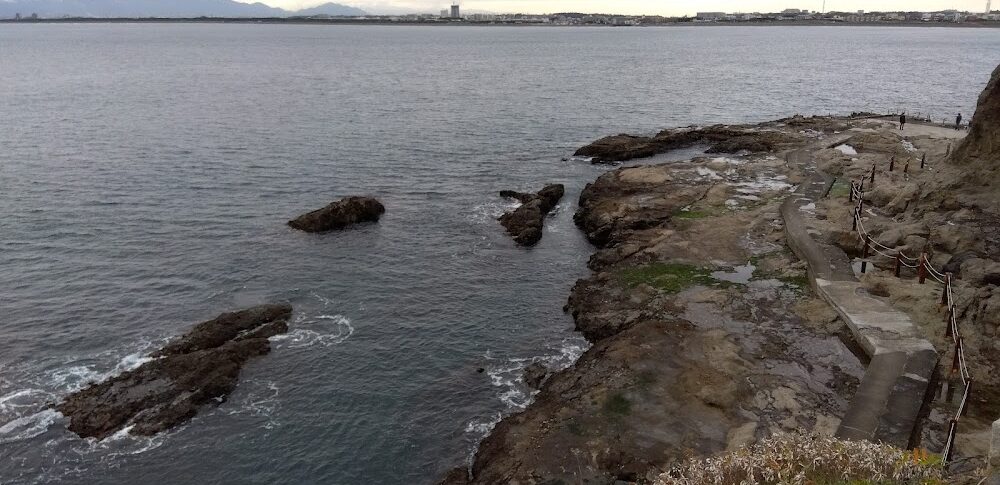
Located at the innermost part of Enoshima, Chigogafuchi is a scenic spot with rocky shores created by wave erosion. In the series, it serves as the setting for scenes where characters gaze at the sea while having important conversations.
When the tide recedes, you can also enjoy exploring the tide pools, and at dusk, a spectacular view of Mt. Fuji’s silhouette and the setting sun unfolds. However, the rocky shores are slippery, so visiting in easily walked shoes is recommended.
From the entrance of Enoshima, it takes approximately 20 to 30 minutes on foot, so plan to have plenty of time when visiting. Especially during the summer, the sun is intense, so it is advisable to bring a hat and drinks.
IL-CHIANTI CAFE Enoshima
“IL-CHIANTI CAFE Enoshima,” which served as the model for a restaurant appearing in the series, is an Italian restaurant located within Enoshima Island Spa. It is characterized by terrace seating overlooking the sea, allowing you to enjoy meals in the same location as scenes in the series.
Italian cuisine such as pasta and pizza is well-stocked, and lunchtime is particularly popular. You can experience the special opportunity of dining in the same space as the characters in the series during your holy land pilgrimage.
Operating Hours: 11:00 AM to 10:00 PM (Last order 9:00 PM)
Reservations: Available (reservations recommended on weekends)
Holy Land Pilgrimage Spots in the Kamakura Area
JR Kamakura Station West Exit
The station front clock plaza at JR Kamakura Station’s west exit appears in the series as the setting for a scene where Kurona Miyamoto sings. The actual station building and plaza atmosphere are faithfully recreated in the anime, making it a popular spot visited by many fans.
Although the station area is crowded with tourists, it is relatively quiet in the early morning or weekday mornings, making it recommended for those who want to photograph leisurely. There is also a tourist information office at the station, making it convenient as a base for Kamakura sightseeing.
Access: Right at the west exit of JR Yokosuka Line/Shonan-Shinjuku Line Kamakura Station
Kamakura High School-mae Station and Surroundings
Kamakura High School-mae Station on the Enoden is a world-famous photography spot representing Shonan. “TARI TARI” also features the area around the station and the railroad crossing, depicting it as the commute route of the characters.
From the station platform, you can see the sea, and the collaboration of the Enoden and the sea creates beautiful photographs. Especially at dusk, the orange-tinted sky and sea, and the silhouette of the Enoden create a fantastic atmosphere.
On Photography Manners:
Since many tourists visit the area around the crossing, consideration must be given so as not to inconvenience local residents and other pedestrians. Avoid running into the road or occupying space for long periods; enjoy photography with a spirit of mutual consideration.
Joteiji Temple
Located in Kita-Kamakura, Joteiji Temple is a historic Zen temple listed as the fourth among the Five Great Temples of Kamakura. In the series, the area around the temple appears as the background for scenes of a quiet residential neighborhood.
The temple grounds are lush with greenery, and especially during the spring new leaves and autumn foliage seasons, a beautiful landscape unfolds. Since it is relatively unvisited by tourists, it is a hidden gem spot where you can enjoy holy land pilgrimages quietly.
Viewing Hours: 9:00 AM to 4:30 PM
Admission: Adults 200 yen, junior and senior high school students 100 yen, elementary school students and under free
Access: Approximately 8 minutes walk from JR Yokosuka Line Kita-Kamakura Station
Hisaka (日坂)
Located in the residential neighborhood of Kamakura, Hisaka is a steep slope that characters in the series use as a commuting route. It is a steep slope in a quiet residential area where you can feel the atmosphere of Shonan.
From the top of the slope, you can view Sagami Bay, and on clear days, you can see all the way to the sea. Since it is a residential neighborhood, please be mindful of noise and trespassing on private property when photographing, and do not forget to show consideration to nearby residents.
Access: Approximately 10 minutes walk from Enoden Hase Station
In Front of Yokogin ATM (Around Komachi-dori Street)
In front of the Yokohama Bank ATM, which appears in a scene where Kanade Sakai eats a croquette in the series, actually exists near the east exit of Kamakura Station along Komachi-dori Street. Komachi-dori is a shopping street representing Kamakura, lined with food stalls and souvenir shops.
Along with croquettes, you can find various types of croquettes such as shrimp-whitebait croquettes and Kamakura vegetable croquettes at various shops, and you can enjoy eating while recreating scenes from the series.
Recommended Times: Weekday mornings (weekends are extremely crowded)
Holy Land Pilgrimage Spots in the Fujisawa Area
Ishinazaka Environmental Business Center
Fujisawa City’s Ishinazaka Environmental Business Center appears in episode 12 of the series. It is located approximately 12 minutes walk from Fujisawa Honcho Station on the Odakyu Enoshima Line.
While it is not a typical tourist attraction, it is known among dedicated fans as a holy land. Since it is a public facility, careful consideration is necessary so as not to hinder the facility’s operations when visiting or photographing.
Access: Approximately 12 minutes walk from Odakyu Enoshima Line Fujisawa Honcho Station
Around Shirohata Intersection
The area around Shirohata Intersection in Fujisawa City is a place where daily scenes of the characters appear. While it is a typical street, the landscape seen in the anime remains as it is, and there is a pleasure in finding holy lands within the everyday.
The surrounding area has local supermarkets and convenience stores, allowing you to feel the lives of local residents.
Holy Land Pilgrimage Spots in the Yokohama Area
Kanagawa Prefectural Music Hall
The Kanagawa Prefectural Music Hall, located in Minato Mirai, appears in episode 2 of the series as the venue for a combined performance by the chorus club. It is a historic music-dedicated hall that opened in 1954 and is known for its excellent acoustic design.
Since concerts and events are actually held, internal viewing is limited to concert times and event times, but the exterior can be photographed freely. It is recommended to visit while sightseeing in Minato Mirai.
Access: Approximately 10 minutes walk from JR/Yokohama City Subway Sakuragi-cho Station
Efficient Holy Land Pilgrimage Route Plans
One-Day Enoshima and Kamakura Course
Morning (9:00 AM to 12:00 PM):
- Start from JR Fujisawa Station or Odakyu Katase Enoshima Station
- Cross Enoshima Bentenbashi Bridge (photography point)
- Stroll around Enoshima Yacht Harbour
- Head to Enoshima Island (rest at Shima no Chaya Aburaya)
- Extend to Chigogafuchi
Afternoon (12:00 PM to 5:00 PM):
- Move to Kamakura High School-mae Station via Enoden (photograph around station)
- Move to Hase Station via Enoden, visit Hisaka
- Move to Kita-Kamakura Station via Enoden, visit Joteiji Temple
- Photograph at JR Kamakura Station West Exit
- Food stall hopping and souvenir shopping at Komachi-dori Street
Required Time: Approximately 8 hours
Budget: Transportation 2,000 yen + meals 3,000 yen + admission 500 yen = approximately 5,500 yen
Two-Day Thorough Course
Day 1: Enoshima and Fujisawa Areas
- Morning: Thoroughly explore Enoshima
- Afternoon: Visit holy lands throughout Fujisawa City
- Evening: Appreciate the sunset on Enoshima
Day 2: Kamakura and Yokohama Areas
- Morning: Explore from Kita-Kamakura to around Kamakura Station
- Afternoon: Move to seaside spots such as Kamakura High School-mae via Enoden
- Evening: Visit Kanagawa Prefectural Music Hall in Yokohama Minato Mirai
This plan allows you to enjoy leisurely photography and sightseeing at each spot, and you can also fully savor nearby tourist attractions and restaurants.
Recommended Restaurants for Holy Land Pilgrimages
Famous Shirasu Dishes
The Shonan and Enoshima area is a production center for raw shirasu (young sardines). The following shops are particularly recommended:
Tobitcho Main Store (Enoshima)
- Specialties: Raw shirasu bowl, boiled shirasu bowl
- Operating Hours: 11:00 AM to 8:00 PM
- Waiting Time: 1 to 2 hours wait on weekends possible
Kaisendon no Mise Kamakura
- Fresh seafood bowls are popular
- Located along Komachi-dori for easy access
Cafes and Sweets
bills Shichigahama
- Terrace seating overlooking the sea is popular
- Pancakes are famous
- Operating Hours: 8:30 AM to 5:00 PM
Cafes Along Kamakura Komachi-dori
- Multiple unique cafes scattered throughout
- Enjoy food stalls with matcha sweets and crepes
Access and Transportation Guide
Access by Train
From Tokyo:
- JR Tokaido Line to Fujisawa or via Onosu to Kamakura Station (approximately 1 hour)
- Odakyu Line from Shinjuku to Katase Enoshima Station (approximately 1 hour)
- Shonan-Shinjuku Line to Kamakura Station (approximately 1 hour)
From Yokohama:
- JR Yokosuka Line to Kamakura Station (approximately 25 minutes)
- Shonan Monorail toward Enoshima area
Money-Saving Ticket Information
Enoden One-Day Pass “Noriori-kun”
- Price: Adults 800 yen, children 400 yen
- Board and get off as many times as you want in one day between Fujisawa and Kamakura
- Discount benefits with partner facilities
Kamakura and Enoshima Pass (JR East)
- Price: Adults 700 yen (within free zone)
- Unlimited riding on JR and Enoden
- Round-trip discounts from Tokyo area also available
Odakyu Enoshima and Kamakura Free Pass
- Odakyu Line round trip + unlimited riding on Enoden
- Price varies by departure station (from Shinjuku: 1,640 yen)
Bicycle Rentals
The Kamakura and Enoshima area is also convenient for traveling by bicycle. Bicycle rental shops are located around each station, and electric-assist bicycles are also available for rental.
Price Range: 1,000 yen to 2,000 yen per day
Cautions: Bicycle entry is not allowed on Enoshima Island, many areas have slopes
Notes and Manners for Holy Land Pilgrimages
Photography Manners
- Do Not Trespass on Private Property
- Avoid unauthorized photography in residential neighborhoods and private properties
- Always confirm in advance if permission is needed
- Compliance with Traffic Rules
- Prioritize safety above all when photographing near railroad crossings and roads
- Be considerate so as not to interfere with other pedestrians
- Consideration for Noise
- Keep conversations quiet in residential neighborhoods
- Avoid visits early in the morning or late at night
Crowd Avoidance
Crowded Times and Periods:
- Weekends and holidays 11:00 AM to 3:00 PM
- Golden Week, summer vacation periods
- Year-end and New Year period
Recommended Visit Times:
- Weekday mornings (9:00 AM to 11:00 AM)
- Autumn to winter tourism off-season
- Rainy days (fewer tourists)
Checklist of Items to Bring
Essential Items:
- Camera/smartphone (charger, spare battery)
- Screenshots of scenes from the series
- Comfortable walking shoes (Enoshima has many stairs)
- Drinks, towel
Useful Items:
- Sunscreen, hat (summer)
- Folding umbrella (rain preparation)
- Mobile battery
- Eco-bag (for souvenirs)
- Small change (for coin lockers and vending machines)
Nearby Tourist Attractions
We introduce nearby tourist attractions to visit along with holy land pilgrimages.
Around Enoshima
New Enoshima Aquarium
- Displays marine life from Sagami Bay
- Dolphin shows and jellyfish displays are popular
- Operating Hours: 9:00 AM to 5:00 PM (varies by season)
- Admission: Adults 2,500 yen
Enoshima Shrine
- A shrine consisting of three shrines on Enoshima
- Worshipped as the deity of good matches and the arts
- The observation deck view is also excellent
Around Kamakura
Tsurugaoka Hachimangu
- A shrine representing Kamakura
- Historic structures related to Minamoto no Yoritomo
- Admission free, treasure hall admission paid
Hasedera Temple
- Famous for its eleven-faced Kannon statue measuring 9.18 meters tall
- The gardens with seasonal flowers are beautiful
- Admission: Adults 400 yen
Kamakura Daibutsu (Kotokuin Temple)
- A national treasure Buddha statue measuring 11.3 meters tall
- Interior viewing is also available (additional 20 yen)
- Admission: Adults 300 yen
Accommodation Information
We introduce lodging facilities for those who want to take two days to thoroughly enjoy holy land pilgrimages.
Enoshima and Fujisawa Area
Enoshima Island Spa
- A resort facility offering hot springs and spa
- Located on Enoshima Island
- Price: From 15,000 yen per night including two meals
Business Hotels Around Fujisawa Station
- Convenient station proximity
- Price: From 5,000 yen to 8,000 yen per night
Kamakura Area
Kamakura Prince Hotel
- Located on a hilltop in Shichigahama
- Ocean view guest rooms
- Price: From 10,000 yen per night
Kamakura Guest House
- Reasonable pricing
- Can also enjoy interaction with other travelers
- Price: From 3,000 yen to 5,000 yen per night
How to Enjoy by Season
Spring (March to May)
During cherry blossom season, temples and shrines in Kamakura become particularly beautiful. The cherry blossoms at Tsurugaoka Hachimangu and Hasedera are magnificent. The temperature is also mild, making it an ideal season for holy land pilgrimages.
Summer (June to August)
Since the stage in the series is mainly summer, this is the season where you can feel the anime’s atmosphere the most. Swimming is also possible, but it is extremely crowded, so visiting early in the morning is recommended. The hydrangea season (June) brings beautiful colors to Hasedera and Meigetsuin.
Autumn (September to November)
During the autumn foliage season, temples and shrines in Kamakura color with leaves, creating beautiful scenery. While there are many tourists, it is less crowded than summer, allowing you to enjoy holy land pilgrimages comfortably.
Winter (December to February)
A hidden gem season where few tourists visit and you can enjoy holy land pilgrimages slowly. The air is clear, so Mt. Fuji is often well-visible. While cold weather measures are necessary, you can immerse yourself in the work’s world quietly.
Conclusion: To Maximize Your Enjoyment of TARI TARI Holy Land Pilgrimage
Holy land pilgrimage for “TARI TARI” is a special experience that allows you to enjoy both the beautiful Shonan scenery and the world of the work simultaneously. By planning visits to holy lands spread across a wide range, centered on Fujisawa City and Kamakura City in Kanagawa Prefecture, including Enoshima, Kamakura, and Yokohama, your journey becomes fulfilling.
Utilizing the Enoden’s one-day pass, efficiently visit spots while also taking time to slowly enjoy Shonan’s sea and streets. Indulge in local cuisine and visit nearby tourist attractions, creating memories beyond just holy land pilgrimages.
Not forgetting about photography manners and consideration for local residents, visiting holy lands with love and respect for the work contributes to the preservation of holy lands for a long time. Using the information introduced in this article, please enjoy a wonderful “TARI TARI” holy land pilgrimage journey.
A journey tracing the blue skies and seas of Shonan and the paths where the characters walked will surely become a special experience that remains in your heart.