Introduction: “Karakai Jozu no Takagi-san³” and Shodoshima Island, Kagawa Prefecture
“Karakai Jozu no Takagi-san³” (Season 3), an anime based on the popular manga by Takaichirou Yamamoto, is a youth romantic comedy. This work depicts the bittersweet daily life of Nishikata and Takagi-san, middle school students, with Shodoshima Island in Kagawa Prefecture as the setting model. The beautiful landscapes, schools, and shopping streets that appear in the work are real locations, attracting many fans for sacred site pilgrimages.
Shodoshima is the second-largest island in Kagawa Prefecture floating in the Seto Inland Sea and is known for olive cultivation and soy sauce production. The warm climate, rich nature, and peaceful island atmosphere support the work’s worldview, and by actually visiting after watching the anime, the daily lives of Nishikata and Takagi-san become an appealing sacred site where one can re-experience their moments together.
This article comprehensively introduces sacred site pilgrimage spots for “Karakai Jozu no Takagi-san³” and provides detailed explanations of access methods, pilgrimage tips, and recommended routes.
Access Methods to Shodoshima
Ferry Access
Since Shodoshima is an island, ships are necessary for access. The main routes are as follows.
From Takamatsu Port
- Takamatsu Port~Tonosho Port: Ferry approximately 60 minutes, high-speed ship approximately 35 minutes
- Takamatsu Port~Ikeda Port: Ferry approximately 60 minutes
- Most frequent service and easiest access route
From Okayama Prefecture
- Shin-Okayama Port~Tonosho Port: Ferry approximately 70 minutes
- Hisui Port~Obe Port: Ferry approximately 60 minutes
From Kobe
- Kobe Port~Sakate Port: Jumbo ferry approximately 3 hours 20 minutes
- Night service also available, convenient for visitors from afar
Transportation within the Island
The following transportation methods are recommended for sacred site pilgrimages.
Rental Car
- Highest degree of freedom, most efficient pilgrimage
- Multiple rental car shops around Tonosho Port and Ikeda Port
- Advance reservations recommended
Rental Bicycle/Electric Bicycle
- Allows experiencing the work’s atmosphere while pilgrimaging
- Electric bicycles make hills easier to navigate
- Available at multiple tourist information centers and hotels
Local Bus
- Shodoshima Olive Bus operates throughout the island
- Limited frequency, so advance timetable confirmation is essential
- One-day pass (1,000 yen) offers good value
Taxi
- Convenient for efficient touring
- Sightseeing taxi plans also available
Detailed Major Sacred Site Pilgrimage Spots
Tonosho Town Tonosho Junior High School (Model: The Junior High School Nishikata Attends)
This real school serves as the model for the junior high school that Nishikata and Takagi-san attend in the work. The school building’s exterior, gate, and surrounding scenery are faithfully recreated in the work.
Notes When Visiting
- As it is an active school facility, entering the grounds is strictly prohibited
- Only view the exterior from the gate area and surrounding public roads
- Special consideration needed during class hours and commute times
- Avoid loud voices and extended stays
- Photography should be conducted discreetly from public roads
Access
- Approximately 5 minutes by car, approximately 20 minutes on foot from Tonosho Port
- Approximately 10 minutes on foot from Tonosho Honmachi bus stop
Angel Road (Heaven’s Promenade)
A sand path that appears with tidal changes, it is a representative tourist spot of Shodoshima. It also appears as the setting for important scenes in the work.
Features
- A mystical path that appears only twice daily for approximately 4 hours during low tide
- Also famous as a sacred site for couples, with a legend that wishes come true when crossed together
- One of the spots where the work’s atmosphere is most strongly felt
Visiting Tips
- Confirm low tide times in advance (available on the Shodoshima Tourism Association website)
- The approximately 2 hours before and after low tide is when the path is passable
- Especially beautiful during twilight hours, recommended for photography
- Slippery surface, so wear comfortable walking shoes
Access
- Approximately 5 minutes by car, approximately 15 minutes on foot from Tonosho Port
- Just below International Hotel bus stop
Shodoshima Olive Park
A Mediterranean-style park with windmills and olive groves, a beautiful location that also appears in the work.
Highlights
- Greek Windmill: An iconic symbol of Shodoshima
- Olive Memorial Hall: Exhibits olive history and products
- Herb Garden: Seasonal flowers to enjoy
- Kiki’s Delivery Service Location Set: Free witch’s broom rental available
Appearance in the Work
- Appears in scenes where Takagi-san and Nishikata visit
- Features an impressive shot with the windmill in the background
Access
- Approximately 25 minutes by car from Tonosho Port
- Approximately 7 minutes walk from Olive Park Entrance bus stop
Hours of Operation
- Park: Open 24 hours
- Olive Memorial Hall: 8:30~17:00
- Admission: Free
Twenty-Four Eyes Movie Village
A facility preserving the movie location set for Sakue Tsuboi’s novel “Twenty-Four Eyes,” retaining the Showa early period atmosphere.
Features
- Wooden school buildings and residences from the Taisho and early Showa periods reproduced
- The retro atmosphere matches well with the work’s worldview
- Appears as a background in the work
Facility Contents
- Set for the film “Twenty-Four Eyes”
- Recreation of a Showa classroom
- Kinema no Iori (film-related exhibits)
- Dining hall and café also available
Access
- Approximately 30 minutes by car from Tonosho Port
- Just below Taura Movie Village bus stop
Hours of Operation and Admission
- 9:00~17:00 (admission until 16:30)
- Admission: Adults 890 yen, Children 450 yen
Labyrinth Town (Tonosho Honmachi)
The old town center around Tonosho Port is called the “Labyrinth Town,” characterized by unique townscapes with intersecting narrow alleyways.
Features
- Complex town layout built as an anti-pirate measure
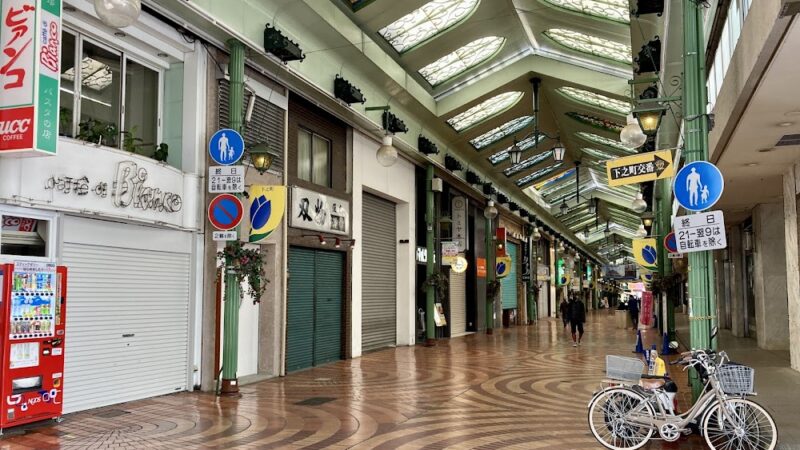
- Showa retro shopping street atmosphere
- Appears in scenes where Nishikata and Takagi-san walk
Highlights
- Yokai Art Museum: Collaboration exhibits with Mizuki Shigeru Road
- Historic townhouse cafés and general stores
- Photogenic alleyways
Strolling Tips
- Easy to get lost even with a map, so allow extra time
- Residents’ living space, so walk quietly
- Early morning or evening has particularly good atmosphere
Access
- Approximately 5 minutes on foot from Tonosho Port
Shodoshima Town Library
The model for the library where Nishikata and Takagi-san study and arrange to meet in the work.
Features
- An actual public library in use
- Reading room atmosphere similar to the work’s depiction
- Quiet and calm space
Notes When Visiting
- As it is an active library, be considerate of other users
- Photography inside is generally prohibited
- Maintain silence
- Even for sacred site pilgrimage purposes, strictly follow library etiquette
Access
- Approximately 5 minutes by car from Ikeda Port
- Approximately 5 minutes on foot from Kusukabe Honmachi bus stop
Kankakei Gorge
Counted among Japan’s three most beautiful gorges, this scenic spot also appears in the work as beautiful natural scenery.
Features
- Gorge and strange rocks formed by volcanic activity approximately 130 million years ago
- Access to mountaintop observation deck via ropeway
- Spring greenery and autumn foliage are particularly beautiful
Ropeway Information
- Operating hours: 8:30~17:00 (varies by season)
- Fares: Round trip Adults 1,890 yen, Children 950 yen
- Duration: Approximately 5 minutes one way
Access
- Approximately 25 minutes by car from Tonosho Port
- Just near ropeway station from Kouen-tei bus stop
Shio no Sato (Soy Sauce Village)
An area where the traditional soy sauce brewing industry of Shodoshima is preserved.
Features
- Retro scenery with black-walled soy sauce warehouses lined up
- Appears as background in the work
- Can also enjoy gourmet items like soy sauce soft serve ice cream
Main Viewing Spots
- Markin Soy Sauce Memorial Hall: Displays soy sauce-making history
- Yamaroku Soy Sauce: Traditional wooden barrel brewing can be viewed
- Direct sales shops at each soy sauce warehouse
Access
- Approximately 20 minutes by car from Tonosho Port
- Approximately 5 minutes walk from Nae/Maki bus stop
Shodoshima Coastline and Beaches
The coastline and beach scenes where Nishikata and Takagi-san gaze at the sea and summer episodes appear in the work.
Main Beaches
- Olive Beach: Calm beach near Olive Park
- Yoshida Coast: Quiet beach beloved by locals
- Tai Beach: Highly transparent and beautiful beach
Ways to Enjoy
- Sea bathing possible during summer
- Evening walks recommended
- Experience the work’s atmosphere while viewing the sea
Shopping Streets and Candy Stores
Locations that serve as models for the shopping streets and candy stores where Nishikata and friends stop by in the work.
Features
- Shopping streets with Showa retro atmosphere
- Actually operating candy stores and shops
- Interaction with local people is also an attraction
Notes When Visiting
- Shops are in operation, so be considerate of customers
- Obtain shop owner’s permission before photographing
- Contributing to the community by purchasing something, even small items
Recommended Sacred Site Pilgrimage Model Courses
One-Day Course (Rental Car)
Morning
- Arrive at Tonosho Port (9:00)
- View Tonosho Junior High School area (9:15~9:45)
- Explore Labyrinth Town (9:50~10:30)
- Angel Road (timed with low tide) (10:45~11:30)
- Shodoshima Olive Park (11:45~13:00, including lunch)
Afternoon
- Kankakei Gorge Ropeway (13:30~15:00)
- Soy sauce warehouse viewing and souvenir shopping in Shio no Sato (15:30~16:30)
- View coastline at sunset (17:00~17:30)
- Return from Tonosho Port (18:00 ferry departure)
One Night, Two Days Course (Leisurely Pilgrimage)
Day 1
- Morning: Arrive at Tonosho Port→Angel Road→Labyrinth Town
- Afternoon: Shodoshima Olive Park→Twenty-Four Eyes Movie Village
- Evening: Watch sunset on the coast
- Overnight: Hotel or minshuku on the island
Day 2
- Morning: Tonosho Junior High School area→Library→Shopping street exploration
- Afternoon: Kankakei Gorge→Shio no Sato→Souvenir shopping
- Evening: Return from Tonosho Port
Half-Day Course (Limited Time)
- Arrive at Tonosho Port
- Tonosho Junior High School area (30 minutes)
- Angel Road (45 minutes)
- Shodoshima Olive Park (1 hour)
- Return to Tonosho Port
Sacred Site Pilgrimage Essentials and Preparations
Essential Items
- Work Materials: Anime screenshots or sacred site pilgrimage maps
- Camera/Smartphone: For recording memories
- Map/Guidebook: Paper maps are useful as wireless signal is weak in some areas
- Drinks/Sunscreen: Especially essential in summer
- Comfortable Walking Shoes: Due to hills and stairs
- Mobile Battery: Battery drains quickly with photography
Convenient to Have
- Picnic Mat: For leisurely time at beaches or parks
- Hat/Parasol: For strong sunlight periods
- Rain Gear: To prepare for weather changes
- Eco-Bag: For souvenir purchases
Sacred Site Pilgrimage Manners and Rules
Basic Etiquette
- Prohibited Entry to Private Land and School Facilities
- View educational facilities like Tonosho Junior High School from outside the grounds
- Never enter private residences or private land
- Consideration for Noise
- Act quietly in residential areas and near schools
- Avoid loud conversations and screaming
- Photography Etiquette
- Be mindful that residents and other tourists don’t appear in photos
- Always obtain permission before photographing inside shops
- Photograph in locations that don’t obstruct traffic
- Always Take Trash Home
- To protect the island’s beautiful environment
- Few trash receptacles, so prepare to take trash with you
- Contributing to Local Economy
- Use local restaurants and shops
- Purchase souvenirs to support the community
Time Period Considerations
- School Areas: Avoid school commute times (7:30~8:30, 15:00~17:00)
- Residential Areas: Avoid early morning or evening visits
- Shops: Visit during business hours, avoid rest times
Shodoshima Gourmet and Souvenirs
Must-Try Cuisine
Olive-Related
- Olive Somen: Specialty product of Shodoshima
- Olive Oil Cuisine: Provided at many island restaurants
- Olive Soft Serve Ice Cream: Available at Olive Park and elsewhere
Soy Sauce-Related
- Soy Sauce Soft Serve: Surprisingly delicious
- Soy Sauce Dishes: Tsukudani, stewed dishes, etc.
- Soy Sauce Ramen: Available at island ramen shops
Seafood
- Fresh Seto Inland Sea fish and shellfish
- Seafood Rice Bowl: At food halls near ports
- Conger Eel Dishes: Local specialty of Shodoshima
Other
- Shio Donburi: Local specialty bowl in Shio no Sato area
- Tsukudani: Shodoshima is one of the birthplaces of tsukudani
Recommended Souvenirs
- Olive Oil: High-quality olive oil produced in Shodoshima
- Olive Cosmetics: Olive-based soap and cream
- Soy Sauce: Traditional wooden barrel-brewed soy sauce
- Somen: Shodoshima hand-drawn somen
- Tsukudani: Assorted tsukudani sets
- Olive Chocolate: Popular as a souvenir
- Work-Related Goods: Available at some tourist facilities and shops
Accommodation Information
Hotels and Resorts
- Shodoshima International Hotel: Near Angel Road, with hot spring
- Resort Hotel Olivian Shodoshima: Near Olive Park, resort atmosphere
- Shodoshima Grand Hotel Suimei: Near Tonosho Port, convenient access
Minshuku and Guest Houses
- Minshuku: Located throughout the island, homey atmosphere and reasonable prices
- Guest Houses: Popular with young travelers, places for interaction
- Farm Minshuku: Accommodations where agricultural experience is possible
Campgrounds
- Shodoshima Furusato Village Campground: Seaside campground
- Auto Campground: Facilities allowing vehicle entry
Reservation Tips
- Early reservations essential during high season (Golden Week, summer holidays, autumn foliage season)
- Prioritize locations convenient for sacred site pilgrimage
- Compare room-only plans with meal plans
- Check reviews for selection
Seasonal Highlights
Spring (March~May)
- Cherry blossoms blooming: Enjoyed at various island locations
- Fresh greenery at Kankakei Gorge: Beautiful vivid green
- Pleasant, mild climate
- Olive flowers: Small white flowers bloom late May~early June
Summer (June~August)
- Sea bathing season: July~August is best
- Summer festivals: Traditional festivals held in each district
- Blue sea and sky: Recreation of summer scenes from the work
- Strong sunlight, so heat stroke prevention essential
Autumn (September~November)
- Autumn foliage at Kankakei Gorge: Best viewed mid-to-late November
- Olive harvest: October~November
- Comfortable climate ideal for sacred site pilgrimage
- Autumn festivals: Traditional arts enjoyed
Winter (December~February)
- Warm climate: Relatively warm due to Seto Inland Sea climate
- Fewer tourists, quiet pilgrimage experience possible
- Clear air provides beautiful scenery
- Enjoy winter flavors like oysters
- Some facilities may have reduced hours or closures
Preliminary Knowledge to Further Enjoy the Work
About “Karakai Jozu no Takagi-san”
The original is a manga by Takaichirou Yamamoto, serialized in “Gesssan” (Shogakukan) since 2013. It depicts the bittersweet daily life of Nishikata, who is teased daily by his seatmate Takagi-san, and Takagi-san, who loves teasing Nishikata.
The anime aired Season 1 in 2018, Season 2 in 2019, Season 3 in 2022, and a theatrical film was released in 2022. In Season 3, the relationship between the two deepens further, generating significant buzz among fans.
Why Shodoshima Was Chosen as the Setting
Author Takaichirou Yamamoto is from Kagawa Prefecture, and it is said that Shodoshima’s calm atmosphere and beautiful nature matched the work’s worldview perfectly, leading to its selection as the setting model. Places actually visited during research are depicted faithfully in the work, and realistic background art is one of the work’s charms.
History of Sacred Site Pilgrimage
Following the broadcast of anime Season 1, the number of fans visiting Shodoshima increased, and it became recognized locally as a sacred site for “Karakai Jozu no Takagi-san.” The Tourism Association has also created sacred site pilgrimage maps, establishing an infrastructure that welcomes fans.
Nearby Tourist Attractions
Naoshima Island
A contemporary art island accessible by ship from Shodoshima. Internationally famous as Benesse Art Site Naoshima.
- From Shodoshima: Tonosho Port~Naoshima (Miyaura Port) approximately 20 minutes
- Yayoi Kusama’s “Red Pumpkin” and “Yellow Pumpkin” and other art works
- Chichu Art Museum, Benesse House Museum, etc.
Teshima Island
An island with art works scattered throughout, particularly famous for “Teshima Art Museum.”
- From Shodoshima: Tonosho Port~Teshima (Iie Port) approximately 25 minutes
- Calm island atmosphere
- Island exploration by rental bicycle recommended
Takamatsu City
Kagawa Prefecture’s prefectural capital and gateway to Shodoshima.
- Ritsurin Park: Garden designated as a National Special Scenic Spot
- Takamatsu Castle Ruins (Tamamo Park)
- Udon Tour: Sanuki udon’s original location
Frequently Asked Questions and Answers
Q: Can sacred site pilgrimage be completed in one day?
A: It’s possible to cover major spots in one day, but one night, two days is recommended for leisurely enjoyment. Consider island travel time and plan with flexibility.
Q: Can I do a pilgrimage without a driver’s license?
A: Yes, it’s possible. Combining rental bicycles (electric bicycles), local buses, and taxis allows you to reach major spots. However, limited bus frequency requires advance timetable confirmation.
Q: What is the best season for sacred site pilgrimage?
A: Spring (April~May) and autumn (October~November) are recommended for pleasant weather. Summer allows beach swimming but requires heat measures; winter has fewer tourists and allows quiet pilgrimages.
Q: Can Tonosho Junior High School be toured?
A: As it is an active school facility, no entry inside the grounds is allowed. Only view the exterior from the gate area and surrounding public roads. Be considerate not to disturb school staff and students.
Q: When can Angel Road be crossed?
A: The approximately 2 hours before and after low tide is when it can be crossed. Since low tide times change daily, confirm with the Shodoshima Tourism Association website or local tourist information centers.
Q: Are there souvenirs available only on Shodoshima?
A: Typical examples include Shodoshima-produced olive oil, hand-drawn somen, and traditionally wooden barrel-brewed soy sauce. Some shops also sell “Karakai Jozu no Takagi-san” related goods.
Q: Is accommodation advance reservation necessary?
A: Essential during high season (Golden Week, summer holidays, autumn foliage season). Even off-season, weekends may be crowded, so advance reservations are recommended.
Q: Is Wi-Fi available on the island?
A: Free Wi-Fi is available at major tourist facilities, hotels, and cafés, but it doesn’t cover the entire island. Preparing offline-compatible map apps is recommended for safety.
Conclusion: Key Points for Successful Sacred Site Pilgrimage
Kagawa Prefecture’s Shodoshima, a sacred site for “Karakai Jozu no Takagi-san³,” is a charming place to fully experience the work’s worldview. Here are key points for successful pilgrimage.
Advance Preparation is Important
- Confirm ferry timetables and secure round-trip reservations
- Research low tide times and plan Angel Road visits
- Reserve accommodations early
- Prepare work screenshots and sacred site pilgrimage maps
- Reserve rental cars or electric bicycles
Enjoy While Following Etiquette
- Don’t enter school facilities or private land
- Remember consideration for residents and other tourists
- Act quietly and avoid loud voices
- Always take trash home
- Support the region by using local shops
Efficient Route Planning
- Create realistic plans considering travel time
- Incorporate Angel Road timed to low tide
- Prioritize major spots
- Set flexible schedules with time cushions
Experience What Shodoshima Offers
- Enjoy local cuisine (olive, soy sauce, seafood)
- Appreciate beautiful natural scenery
- Interact with local people
- Take time to immerse yourself in the work’s worldview
Sacred site pilgrimage on Shodoshima is more than just visiting an anime’s stage—it’s filled with many attractions including the beautiful Seto Inland Sea nature, warm climate, delicious gourmet food, and encounters with warm island residents. Seeing the actual landscapes where Nishikata and Takagi-san spent their daily lives will deepen your understanding and affection for the work.
Enjoy a wonderful sacred site pilgrimage journey while following etiquette and showing respect for the community. May Shodoshima become a special place for you.