“Summer Pockets” ABOUT
“Summer Pockets” (サマーポケッツ, commonly known as Sumapoke) is a romantic adventure game released by VISUAL ARTS·Key on June 29, 2018, known for works such as “CLANNAD” and “Little Busters!”. The story depicts the protagonist Haori Takahara visiting a fictional island called “Torishiro Island” (Torishirojima) floating in the Seto Inland Sea to organize the belongings left behind by her late grandmother, and describes a summer story with girls she meets there.
A smartphone version was released in 2020, a Nintendo Switch version in 2023, and an anime adaptation was broadcast in 2024. With the production of the anime version, even more fans have been visiting the sacred sites in Kagawa Prefecture.
The model for “Torishiro Island,” the setting of the work, consists of three islands floating in the Seto Inland Sea off the coast of Takamatsu City, Kagawa Prefecture: Naoshima, Ogijima, and Megijima. Holy sites related to the work are scattered throughout each island, and the key to pilgrimage is visiting all three islands efficiently.
Characteristics of Kagawa’s Three Sacred Islands
Naoshima
Naoshima is an island belonging to Naoshima Town, Kagawa District, Kagawa Prefecture, and is world-renowned as a sacred site of contemporary art. Art works such as the Benesse House Museum, the Chichu Art Museum, and Yayoi Kusama’s “Red Pumpkin” and “Yellow Pumpkin” are scattered throughout, attracting many visitors from around the world.
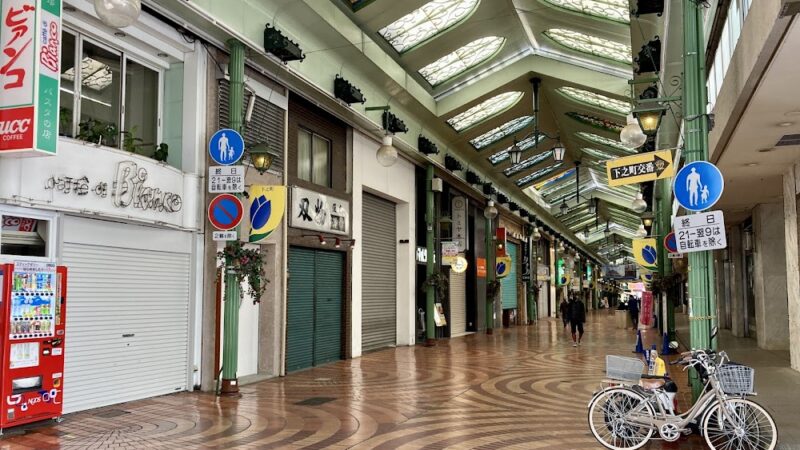
In Summer Pockets, many everyday scenes from the island are depicted, including Miyaura Port where the protagonist Haori first arrives, shopping streets, and shrines. The charm of Naoshima lies in being able to enjoy both art appreciation and pilgrimage simultaneously.
Ogijima
A small island approximately 7 kilometers in circumference, about 40 minutes by ferry from Takamatsu Port. Upon arrival, a unique sight unfolds where houses overlap like scales on a slope. This beautiful landscape enchants many fans as a scene symbolizing the work’s worldview.
Ogijima has many slopes and narrow alleys that wind like a maze. By taking a leisurely walk and soaking in the island’s atmosphere, you can immerse yourself in the world of the work.
Megijima
Megijima, also known as “Onigashima,” has excellent access at approximately 20 minutes from Takamatsu Port. Known as a place associated with the Momotaro legend, the island features tourist spots such as a large cave and statues of demons.
In Summer Pockets, scenes of the coastline and port areas appear. With a relatively flat terrain, pilgrimage using a rental bicycle is easier on this island.
Takamatsu City Area
Takamatsu Port
Takamatsu Port serves as the base for pilgrimage. As the gateway to Takamatsu City, the prefectural capital of Kagawa Prefecture, regularly scheduled ferries depart and arrive for Naoshima, Ogijima, and Megijima. The port area is also well-equipped with restaurants and souvenir shops, making it convenient for rest before and after pilgrimage.
The ferry terminal at Takamatsu Port is a modern building with a waiting room and tourist information center. It is important to carefully check the schedules for each island and plan an efficient travel route.
Access Information
Access by Train
- Approximately 10 minutes on foot from JR Takamatsu Station
- Approximately 5 minutes on foot from Kotoden Takamatsu Chikko Station
Access by Air
- Approximately 40 minutes by limousine bus from Takamatsu Airport, then on foot after getting off at JR Takamatsu Station
There are numerous accommodations in Takamatsu, making it ideal as a base for a 2-night, 3-day pilgrimage around all three islands.
Ogijima Area
Ogijima Port
Ogijima Port, the gateway to Ogijima, appears in important scenes within the work. From the moment you arrive at the port, you can enjoy the beautiful scenery of houses spread across the slope.
Around the port, there is the “Ogijima Exchange Hall” where you can obtain tourist information and take restroom breaks. The port is also known for having many cats and is referred to as the “cat island.”
Slopes and Alleyways
The most distinctive feature of Ogijima is its steep slopes and intricate alleyways. Many of the scenes depicted in the work are created by this unique topography.
On the pilgrimage, there is the joy of comparing screenshots from the game and searching for the same angles. Since the island has many slopes, it is recommended to visit wearing comfortable walking shoes.
Ogijima Lighthouse
The Ogijima Lighthouse at the northern tip of the island is a beautiful lighthouse characterized by black and white stripes. It appears as an impressive spot within the work.
The lighthouse is about 20 minutes on foot from the port. The scenery along the way is also magnificent, and you can take a walk while enjoying spectacular views of the Seto Inland Sea.
Pilgrimage Points for Ogijima
- Time Required: 2-3 hours
- Transportation: Walking (there are no rental bicycles on the island)
- Notes: Since there are many slopes, those without confidence in their stamina should take a slow pace
- Recommendation: Early morning or evening walks have a particularly good atmosphere
Megijima Area
Megijima Port
The area around Megijima Port, the gateway to Megijima, also appears in the work. Near the port is “Onigashima Oni no Yakata” where you can view exhibits related to the Momotaro legend.
The port area is relatively flat, and there are rental bicycle shops. Using a bicycle allows you to explore the island efficiently.
Coastline
The coastline of Megijima appears in seaside scenes within the work. You can enjoy summer-like scenery such as sandy beaches and breakwaters.
The coastline is especially beautiful at dusk, a spot where you can fully savor the atmosphere of the work.
Onigashima Great Cave
The Onigashima Great Cave, a major tourist attraction of Megijima, is a cave said to be where the demon from the Momotaro legend lived. It is worth visiting as a side trip during pilgrimage.
The cave is about 10 minutes from the port by bus or bicycle. Even in summer, the inside of the cave is cool, making it perfect for finding relief from the heat.
Pilgrimage Points for Megijima
- Time Required: 2-3 hours
- Transportation: Rental bicycle recommended
- Rental Bicycle Fee: Approximately 500 yen/day
- Notes: There are many tourist spots, so allow plenty of time
Naoshima Area
Miyaura Port
Miyaura Port, the gateway to Naoshima, is the model for the scene where the protagonist Haori arrives at Torishiro Island. Yayoi Kusama’s “Red Pumpkin” is located at the port, allowing you to enjoy both art appreciation and pilgrimage simultaneously.
Around the port, there are tourist information centers, rental bicycle shops, cafes, and more, making it convenient as a pilgrimage base.
Honmura District
The Honmura District, where the old townscape of Naoshima remains, appears in scenes of shopping streets and residential areas within the work. The scenery of narrow alleyways and old houses creates a nostalgic atmosphere.
Art works called the “House Project” are scattered throughout Honmura District, allowing you to combine pilgrimage and art appreciation.
Yamajinja Shrine
The model for the shrine appearing in the work is said to be Yamajinja Shrine. Located on a small hill, you can overlook the Seto Inland Sea from the shrine grounds.
The shrine requires climbing a steep staircase, but the sense of achievement upon arrival and the beauty of the view are exceptional.
Naoshima Dam, Ishii Store, and Iwata Confectionery
Naoshima Dam is an important location that appears in the work. Additionally, real shops such as Ishii Store and Iwata Confectionery have served as models, making them must-see points for fans.
Since these spots are operating private shops, be mindful of manners when visiting and avoid causing trouble.
Pilgrimage Points for Naoshima
- Time Required: Half day to one full day
- Transportation: Rental bicycle or town bus
- Rental Bicycle Fee: Approximately 300 yen to 1,000 yen/day (electric assist bicycles also available)
- Notes: Many art facilities are closed on Mondays. Visit Thursday through Sunday is recommended
Ferry Schedules and Access Information
Ferries Departing from/Arriving at Takamatsu Port
To Naoshima (Shikoku Steamship)
- Takamatsu Port → Miyaura Port: Approximately 50 minutes
- 4-5 ferries operated daily
- Fare: 520 yen one-way (as of 2024)
To Ogijima/Megijima (Meonsou Shipping Lines)
- Takamatsu Port → Megijima Port: Approximately 20 minutes
- Megijima Port → Ogijima Port: Approximately 20 minutes
- 6-7 ferries operated daily
- Fare: 370 yen one-way Takamatsu to Megijima, 510 yen one-way Takamatsu to Ogijima (as of 2024)
Notes on Ferry Usage
- Limited Number of Ferries: Particularly for Ogijima and Megijima ferries, the number of boats is limited, so checking the schedule in advance is essential
- Pay Attention to Last Ferry: If you miss the last ferry, you will need to stay overnight on the island, so time management is critical
- Cancellations Due to Weather: Ferries may be cancelled during rough weather, so check the day’s operating status
- Peak Seasons: During Golden Week, summer holidays, and art festival periods, ferries are crowded, so board early
Efficient Pilgrimage Model Courses
1-Night, 2-Day Course
Day 1
- 9:00 Arrive at Takamatsu Port
- 9:40 Depart Takamatsu Port → Megijima
- 10:00-12:00 Megijima pilgrimage
- 12:20 Depart Megijima → Ogijima
- 12:40-15:30 Ogijima pilgrimage
- 16:10 Depart Ogijima → Takamatsu Port
- 17:00 Overnight in Takamatsu
Day 2
- 9:00 Depart Takamatsu Port → Naoshima
- 9:50-16:00 Naoshima pilgrimage
- 16:30 Depart Naoshima → Takamatsu Port
- 17:30 Arrive at Takamatsu Port, depart for home
2-Night, 3-Day Course (Recommended)
Day 1
- Afternoon Arrive at Takamatsu, sightseeing in the city
- Overnight in Takamatsu
Day 2
- Morning Megijima pilgrimage
- Afternoon Ogijima pilgrimage
- Overnight in Takamatsu
Day 3
- Full day Naoshima pilgrimage + art appreciation
- Evening Depart from Takamatsu Port for home
With the 2-night, 3-day course, you can tour each island leisurely and secure sufficient time for photography and art appreciation.
Accommodation Information
Hotels in Takamatsu
Takamatsu has various types of accommodations. Hotels near the station or close to the ferry terminal are convenient.
- Business Hotels: 5,000 yen to 8,000 yen/night
- City Hotels: 8,000 yen to 15,000 yen/night
- Guest Houses: 3,000 yen to 5,000 yen/night
Island Accommodations
Naoshima has multiple accommodations, but Ogijima and Megijima have limited lodging options.
Naoshima
- Benesse House (luxury resort)
- Several minshuku and guest houses
Ogijima
- Several minshuku (reservation required)
Megijima
- Several minshuku (reservation required)
Island accommodations require reservations, and especially during peak seasons, early booking is necessary.
Pilgrimage Packing Checklist
Essential Items
- Game/Anime Screenshots: Essential for identifying pilgrimage sites
- Comfortable Walking Shoes: Especially important for Ogijima’s many slopes
- Sunscreen/Hat: The summer sun in the Seto Inland Sea is intense
- Drinking Water: There are few vending machines on the islands
- Mobile Battery: Photo taking drains batteries quickly
- Ferry Schedule: To avoid missing the last ferry
Useful Items
- Picnic Blanket: For resting at scenic spots
- Binoculars: For confirming distant views
- Towel: For wiping sweat
- Rain Gear: To prepare for sudden rain
- Coins: Many shops on the islands accept cash only
Pilgrimage Manners and Precautions
Consideration for Residents
Naoshima, Ogijima, and Megijima are islands where people actually live. When on pilgrimage, pay attention to the following points:
- Do Not Trespass on Private Property: Even if a spot is a photo location, do not enter private land
- Keep Noise Levels Down: Be quiet in residential areas
- Take Trash With You: Island garbage bins are for residents’ use
- Consideration for Operating Shops: Not only take photos but also consider making purchases
Photography Precautions
- Respect Other Tourists: Avoid occupying a location for extended periods
- Don’t Block Traffic: Be mindful of surroundings when photographing in narrow alleys
- Respect Privacy in SNS Posts: Post with consideration for residents’ privacy
Environmental Protection
Help protect the beautiful island scenery by cooperating with environmental conservation.
- Beach Cleanup Activities: Consider participating in cleanup activities organized by groups such as Kagawa Tokyu
- Don’t Damage Nature: Do not pick plants or draw on rocks
Seasonal Enjoyment
Spring (March-May)
With warm weather and comfortable climate, this is the ideal season for pilgrimage. During cherry blossom season, you can also enjoy viewing flowers on the islands.
Summer (June-August)
As the setting of the work, summer is the season where you can best experience its atmosphere. However, the sun is extremely strong, so heat stroke prevention is essential.
In years when the Setouchi Triennale is held (once every three years), the summer session allows you to enjoy both art appreciation and pilgrimage simultaneously.
Autumn (September-November)
With comfortable weather and less crowding than summer, you can pilgrimage at a leisurely pace. The air over the Seto Inland Sea in autumn is clear, making it a season of beautiful scenery.
Winter (December-February)
With fewer tourists, you can visit the sacred sites quietly. However, this is also a season when ferries are more likely to be cancelled, so checking the weather forecast is essential.
Kagawa Tourism to Enjoy Along with Pilgrimage
Udon Pilgrimage
Kagawa Prefecture is known as “Udon Prefecture.” Numerous famous restaurants can be found in Takamatsu and nearby areas, allowing you to enjoy authentic Sanuki udon during your pilgrimage.
Setouchi Triennale
A contemporary art festival held once every three years. Islands throughout the Seto Inland Sea, including Naoshima, are filled with art works. If you visit during an exhibition year, you can enjoy both pilgrimage and art appreciation simultaneously.
Takamatsu Castle Ruins (Tamarimo Park)
A historic site in Takamatsu with a rare castle featuring a moat fed by seawater. It is within walking distance of Takamatsu Port and can be visited during wait times.
Ritsurin Garden
A Japanese garden designated as a Special National Scenic Spot. Located in Takamatsu, it offers beautiful scenery.
Short Story
On a summer morning, I stepped off at Takamatsu Port, gripping a ferry ticket in my hand. I had traveled from a distant city to touch the world of “Summer Pockets.”
After 40 minutes on Meonsou, arriving at Ogijima, the scenery I had seen countless times on my game screen spread before me. Houses overlapping on slopes, narrow alleyways, and blue sea. Everything was exactly as in the work.
Climbing the slopes, I traced the path that Haori and the others had walked. Seeing the same scenery, feeling the same breeze. Just that alone brought the summer story back to life.
At the lighthouse, a spectacular view of the Seto Inland Sea unfolded. What must they have thought here? The summer within the game now overlaps with the summer of reality.
Pilgrimage is not merely sightseeing. It is a special experience of entering the world of a work and spending the same time as its characters. The islands of Kagawa provided such an experience.
Conclusion
The three islands of Naoshima, Ogijima, and Megijima in Kagawa Prefecture, sacred sites of Summer Pockets, each possess their own unique charm. Since ferry schedules are limited, prior planning is important, but with an efficient route, you can enjoy them even in a 1-night, 2-day visit.
For those wishing to experience the work’s world more deeply, I recommend a 2-night, 3-day course taken at a leisurely pace. Through each island’s scenery, art, cuisine, and interaction with local people, your understanding of the work will deepen further.
When on pilgrimage, remember to show consideration for residents and environmental protection, and enjoy while following proper manners. Preserving the beautiful scenery and culture of the islands for future generations is also an important role as a fan.
Create your own Summer Pockets memories on the three islands floating in the summer Seto Inland Sea.