
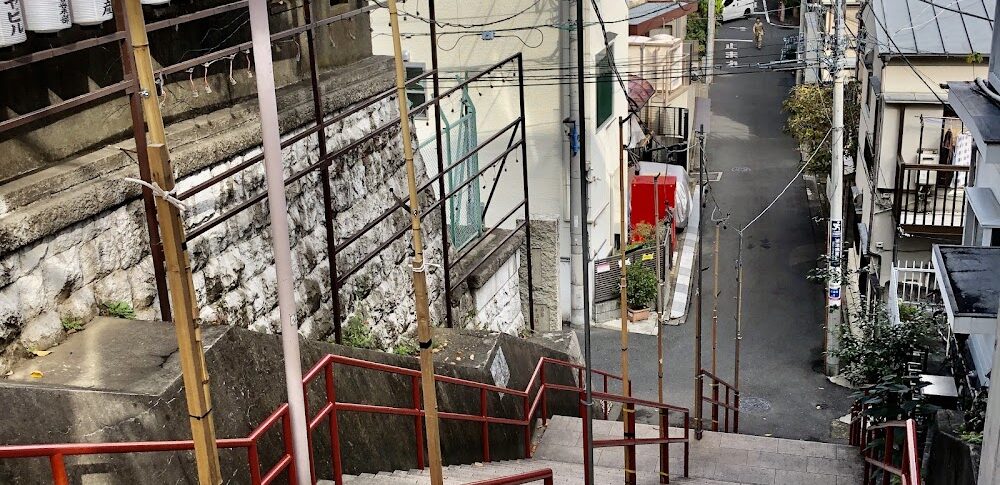
Released in 2016 and ranking as the second highest-grossing Japanese film of all time, director Makoto Shinkai’s animated film “Your Name” (Kimi no Na wa). The sacred site that became the setting for the most impressive scene in this work is Suga Shrine located in Yotsuya, Shinjuku Ward, Tokyo. The staircase where the protagonists Taki and Mitsuha have their fateful reunion has now become a sacred pilgrimage site visited by fans from all over the world.
This article comprehensively covers the information needed for a sacred pilgrimage, including detailed access methods to Suga Shrine, shooting points, nearby attractions, and precautions to take when visiting.
Suga Shrine: The Tutelary Shrine of Yotsuya’s Eighteen Districts
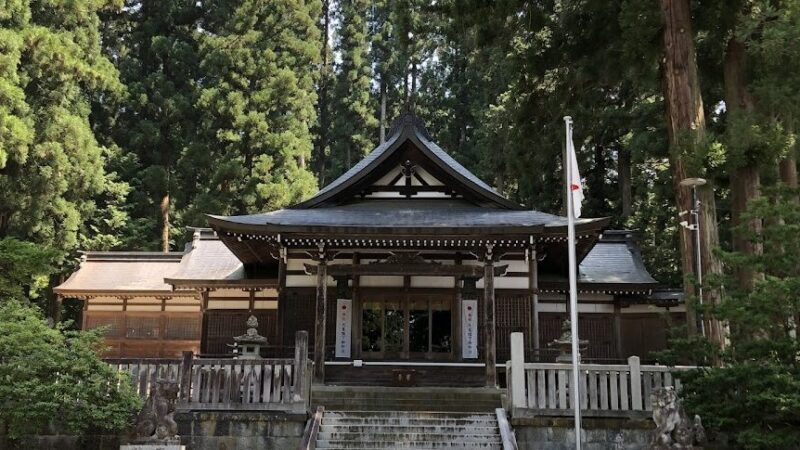
Suga Shrine is a historic shrine located in Suga-cho, Shinjuku Ward, Tokyo. Founded in Kanei 11 (1634) in the early Edo period, it has long been venerated by local residents as the tutelary shrine of Yotsuya’s eighteen districts.
Enshrined Deities and Benefits
The enshrined deities at Suga Shrine are Susanoo no Mikoto and Ukanomitama no Kami. Susanoo no Mikoto is revered as a deity of evil prevention and disaster relief, while Ukanomitama no Kami is venerated as a deity of abundant harvests and prosperity in commerce.
An Inari shrine is also enshrined on the grounds, said to provide benefits of matchmaking and good fortune. Following the reunion of Taki and Mitsuha in “Your Name,” it has recently garnered attention as a “sacred site of matchmaking.”
Suga Shrine Before the Film’s Release
Before the release of “Your Name,” Suga Shrine stood quietly as a local tutelary shrine. It was cherished by residents of the Yotsuya area and nearby office workers as a neighborhood shrine where people visited for New Year’s prayers and daily worship.
“Your Name” and Suga Shrine’s Staircase
The Setting of the Final Scene
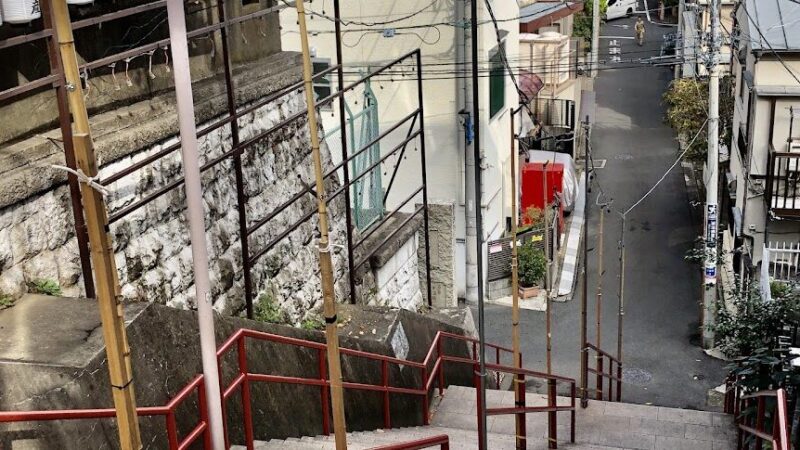
Suga Shrine became famous all at once because it appeared in the climactic scene of the film. It became the setting for the touching scene where Taki and Mitsuha, reunited in Tokyo after eight years, pass each other without recognizing one another, then turn around on opposite ends of the staircase to ask, “What’s your name?”
This staircase was also featured in the film’s poster and key visuals, becoming known worldwide as the symbolic location of “Your Name.”
Staircase Characteristics and Photography Points
The staircase at Suga Shrine is a steep stone flight known as the “men-zaka” (men’s slope). The view from the top of the staircase faithfully recreates the film’s scene, with the Shinjuku skyline visible in the distance.
The best photography points are as follows:
- From the top of the staircase: The same angle as the film’s final scene. Early morning light is particularly beautiful
- From the middle of the staircase: You can see the gradient of the stairs and the surrounding cityscape at a glance
- Looking up from the bottom: You can feel the atmosphere of the shrine’s approach path
The Beginning of the Sacred Pilgrimage Boom
After the film’s release, many fans began visiting Suga Shrine’s staircase daily. Particularly between 2016 and 2017, long queues formed for people wanting to take photos on the staircase.
Not only from within Japan but also from China, Taiwan, South Korea, and the West, many overseas tourists visit, making it an international sacred pilgrimage spot. While many people still visit on weekends and holidays, the crowding is less intense than at the time of the film’s release.
Access Methods to Suga Shrine
Routes from the Nearest Stations
Suga Shrine is accessible from multiple stations.
Access from Yotsuya Station (Shortest Route)
Travel time: Approximately 10 minutes on foot
- Get off at “Yotsuya Station” on the JR Chuo/Sobu Line or Tokyo Metro Marunouchi/Namboku Line
- Exit through the ticket gate toward Shinjuku-dori
- Continue on Shinjuku-dori toward Shinjuku and turn left at the “Yotsuya-sancho-me” intersection
- Climb the slope and proceed along the street through the residential area
- The staircase of Suga Shrine will come into view on your right
The route from Yotsuya Station is appealing because you can enjoy the Yotsuya streetscape that also appeared in the film.
Access from Yotsuya-sancho-me Station
Travel time: Approximately 5 minutes on foot
- Get off at “Yotsuya-sancho-me Station” on the Tokyo Metro Marunouchi Line
- Go above ground from Exit 2
- Go back slightly on Shinjuku-dori toward Yotsuya and turn left at the first corner
- Climb the slope and continue straight to reach Suga Shrine’s staircase
The route from Yotsuya-sancho-me Station is the closest and least confusing, making it recommended.
Access from Akebonebashi Station
Travel time: Approximately 8 minutes on foot
- Get off at “Akebonebashi Station” on the Toei Shinjuku Line
- Go above ground from Exit A2
- Continue on Yasukuni-dori toward Yotsuya and enter the residential area
- Follow the road and you will arrive at Suga Shrine
Access by Car and Parking Information
Suga Shrine does not have a dedicated parking lot. There are several coin parking facilities in the surrounding area, but spaces are limited, so we recommend using public transportation.
The nearest coin parking facilities are as follows:
- Shinjuku Ward Suga-cho Parking Lot (3-minute walk)
- Times Yotsuya-sancho-me (5-minute walk)
- Mitsui’s Repark Shinjuku Suga-cho (4-minute walk)
Parking tends to fill up on weekends and holidays, so we recommend visiting early or considering train access.
Attractions Within Suga Shrine Grounds
Main Hall and Worship Hall
At the top of the staircase, you will find Suga Shrine’s main hall in a modest shrine precinct. It’s a quiet space removed from the bustle of the city where you can worship peacefully.
The main hall retains architectural elements from the Edo period, conveying a sense of history. When worshiping, please offer two bows, two claps, and one bow with sincere respect.
Inari Shrine
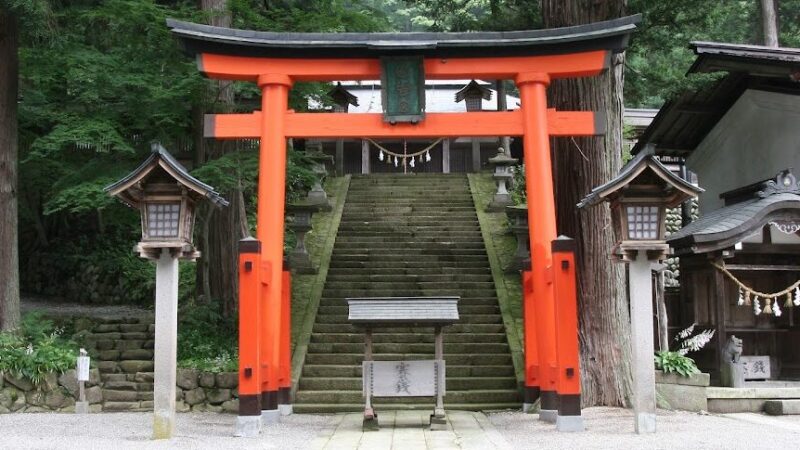
In one corner of the shrine grounds stands an Inari shrine. The distinctive vermillion torii gate impresses many visitors who come to pray for business prosperity and abundant harvests.
Ema (Votive Plaques)
Ema (votive plaques) can be obtained at Suga Shrine. The shrine office is located on the grounds and is typically open from 9 AM to 5 PM.
The ema are inscribed with “Suga Shrine” and stamped with the shrine’s seal, with an initial offering of 300 yen. Original ema plaques are also sold, perfect as a memento of your sacred pilgrimage.
Omamori (Protective Amulets) and Ema
Suga Shrine offers various protective amulets and votive plaques. Matchmaking amulets in particular are popular with “Your Name” fans.
Many people write their impressions of the film or wishes on the votive plaques and offer them, and you can see plaques written in languages from all over the world.
Sacred Sites in the Yotsuya Area from “Your Name”
Beyond the staircase at Suga Shrine, there are several locations from the film scattered throughout the Yotsuya area. To make your sacred pilgrimage more fulfilling, consider visiting these spots as well.
Around Yotsuya Station
JR Yotsuya Station Platform
The JR Yotsuya Station platform appears in the scene where Taki jumps onto a train while searching for Mitsuha. The characteristic orange Chuo Line trains and platform atmosphere are faithfully depicted in the film.
When filming, please be careful not to disturb other passengers and to prioritize safety.
Pedestrian Overpass in Front of Yotsuya Station
The pedestrian overpass in front of the station also appears in the film. In the scene where Taki walks around the city, the view of Shinjuku-dori from this overpass is depicted.
Along Shinjuku-dori
The area along Shinjuku-dori from Yotsuya Station to Suga Shrine frequently appears as the film’s background. Simply walking and observing the streetscape allows you to immerse yourself in the work’s world.
Café “La Bohème”
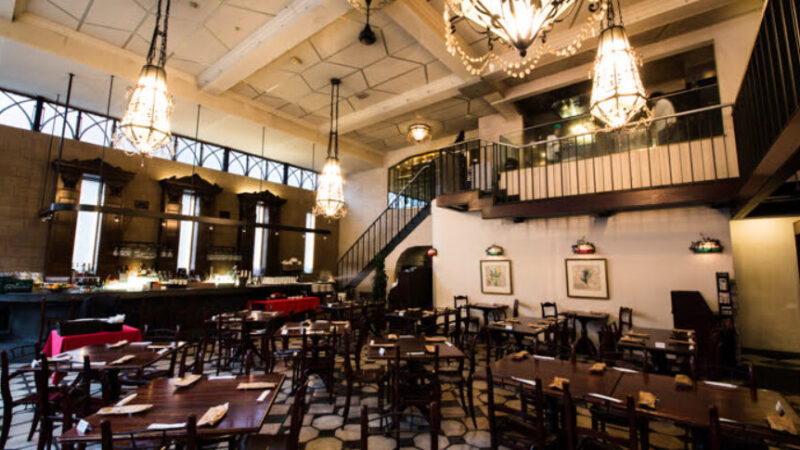
While not appearing in the film, “La Bohème,” an Italian restaurant near Suga Shrine, is said to be where director Makoto Shinkai held meetings. It’s a popular rest stop for sacred pilgrims.
Manners and Precautions When Filming
Before being a tourist destination, Suga Shrine is a sacred place where local residents regularly worship. When enjoying your sacred pilgrimage, please observe the following etiquette:
Remember It’s a Residential Neighborhood
The area surrounding Suga Shrine is a quiet residential neighborhood. Avoid speaking loudly or visiting early in the morning or late at night. Please be considerate of the daily lives of nearby residents.
Photography Manners on the Staircase
The staircase is a shrine approach path and is regularly used by local residents. When taking photos, please note the following:
- Avoid occupying the space for long periods
- Do not block the staircase
- Give priority to people passing through
- Avoid using tripods during crowded times
- Be considerate when filming in large groups
Always Take Trash With You
Do not litter in the shrine grounds or around the staircase. Refrain from bringing food and beverages, and if you do bring anything, be sure to take all trash with you.
Mindset as a Worshiper
In addition to taking photos, be sure to also worship at the shrine. Bow before the main hall and express your gratitude, making your sacred pilgrimage more meaningful.
No Entry to Private Property
Absolutely avoid entering private property or restricted areas while searching for photography spots.
Recommended Times to Visit and Seasons
Attractions by Time of Day
Early Morning (7:00-9:00)
Few people are around, allowing you to take photos leisurely. The staircase bathed in morning light is especially beautiful and captures an atmosphere close to the film’s scene. However, considering it’s a residential neighborhood, please visit quietly.
Morning (9:00-12:00)
The shrine office is open, and you can receive omamori (protective amulets) and ema. This is a relatively quiet time when you can worship and take photos in a calm atmosphere.
Afternoon (12:00-17:00)
This is the most crowded time of day. Especially on weekends and holidays, expect congestion, and photography may take longer.
Evening (17:00-19:00)
The staircase at dusk has a different atmosphere than during the day. The time when streetlights begin to light up is especially romantic.
Highlights by Season
Spring (March-May)
Fresh greenery is beautiful, and the weather is pleasant. During cherry blossom season, you can also enjoy the cherry blossoms lining the area.
Summer (June-August)
You can experience the summer atmosphere that served as the film’s setting. However, don’t forget heat protection and hydration.
Autumn (September-November)
The autumn foliage season is particularly beautiful, and the view from the staircase is colored with autumn leaves. The pleasant weather makes it ideal for sacred pilgrimage.
Winter (December-February)
The clear air allows for far-reaching views. The New Year pilgrimage period is crowded, but worshiping in the clear winter air is truly special.
Nearby Restaurants and Cafés
We introduce recommended dining establishments around Yotsuya where you can stop by during your sacred pilgrimage.
Cafés and Tea Houses
“Suga”
An old-fashioned tea house right next to Suga Shrine. With many local regulars, you can rest in a calm atmosphere.
“Café de Crié Yotsuya-sancho-me Branch”
A chain café near Yotsuya-sancho-me Station. WiFi is available, making it convenient for planning your sacred pilgrimage.
Restaurants
“Menjo Honden”
A popular ramen shop near Yotsuya-sancho-me Station. Famous for its rich seafood broth, lines often form at this renowned establishment.
“Tori Chaya Betei”
A yakitori (grilled chicken) restaurant along Shinjuku-dori. Lunch sets are offered during lunch hours, allowing you to dine reasonably.
Other Tokyo Sacred Sites from “Your Name”
Beyond Suga Shrine, there are numerous locations throughout Tokyo that appear in the film. If time permits, consider visiting these spots as well.
National Art Center, Tokyo (Roppongi)
The model for the Italian restaurant where Taki works part-time. The building’s exterior and interior café appear in the film.
Shinanomachi Station Area
It appears in the scene where Taki and his senior Okidera go on a date. The station’s surroundings are faithfully depicted.
Yoyogi
The area contains a model of the exterior of the apartment where Taki lives. Since it’s a residential area, special care is needed when filming.
Shinjuku
The Shinjuku cityscape appears in the film’s opening and climax. The high-rise buildings and busy districts are depicted impressively.
History and Cultural Background of Suga Shrine
History Dating Back to the Edo Period
Suga Shrine’s founding dates back to Kanei 11 (1634). Initially enshrined as an Inari shrine at Akasaka Hitotsugi-dai, it was relocated to its current location in Yotsuya in Kanei 20 (1643).
Throughout the Edo period, as the tutelary shrine of Yotsuya’s eighteen districts, it was the object of local faith and played a central role in the community through festivals and annual events.
Changes Since the Meiji Period
With the coming of the Meiji period, due to the Shinbutsu Separation Edict, it was renamed from Inari Shrine to Suga Shrine. At this time, Susanoo no Mikoto became the principal enshrined deity.
Having survived the Great Kanto Earthquake and the devastation of World War II, the current shrine building was reconstructed after the war.
Connection with the Community
Suga Shrine remains the local tutelary shrine today, accompanying the milestones of local residents’ lives through New Year prayers, Shichigosan (children’s blessing ceremony), and evil prevention. The annual summer festival held in June, where portable shrines are carried through the streets, is an important event that deepens community bonds.
The Impact of “Your Name”
Changes as a Tourist Destination
Before the film’s release, it was a quiet shrine known only to local residents, but after release it transformed into a tourist attraction visited by tens of thousands annually from home and abroad.
The shrine has undertaken various measures to accommodate the rapidly increasing number of visitors, including installing directional signs and providing foreign language support.
Economic Benefits to the Area
The sacred pilgrimage boom has brought many film fans to restaurants and shops in the surrounding Yotsuya area. Especially on weekends, you can see the lively scenes of movie fans.
The community has implemented town revitalization initiatives taking advantage of this opportunity, contributing to a new promotion of Yotsuya’s attractions.
Cultural Significance
The relationship between “Your Name” and Suga Shrine has become a symbolic example of the contemporary cultural phenomenon of anime sacred pilgrimage. When fictional stories connect with real locations, understanding of the work deepens, and new cultural experiences are born.
Tips for Maximum Enjoyment of Your Sacred Pilgrimage
Pre-Visit Preparation
Preview the Film
We recommend rewatching the film before visiting. Understanding which scenes feature which locations will deepen your emotion at the actual site.
Plan Your Route
If you want to visit other sacred sites throughout Tokyo, plan an efficient route in advance. Using Google Maps is convenient.
Camera Preparation
A wide-angle lens is useful for photographing the staircase. A smartphone is sufficient, but using panorama mode allows you to capture an angle closer to the film.
How to Enjoy the Site
Allow Ample Time
Since crowding can occur, visit with plenty of time to spare. It’s more important to savor the atmosphere slowly than to rush through photography.
Interaction with Locals
Exchanging greetings with locals or asking for their recommendations may lead to discoveries not found in guidebooks.
Enjoy All Five Senses
Beyond photography, actually climb and descend the stairs, feel the quiet of the shrine grounds, and experience the sacred site using all five senses.
Conclusion: Experience the World of “Your Name” at Suga Shrine
Suga Shrine in Yotsuya, Tokyo, is etched in the hearts of many fans as the setting for the touching final scene of “Your Name.” Standing on that impressive staircase in person will make the film’s world feel closer.
Through a sacred pilgrimage, not only does your understanding of the work deepen, but you also come into contact with the charm of Yotsuya as a place and the history of a shrine rooted in the community.
When visiting, remember it is a sacred place and enjoy responsibly while following proper etiquette. Then, like Taki and Mitsuha, reflect on the miracle of precious bonds and encounters as you gaze out at the Tokyo cityscape from the top of the staircase.
We hope your sacred pilgrimage becomes a wonderful memory just like in the film.


完全ガイド|聖地巡礼マップと撮影スポット-800x450.jpg)