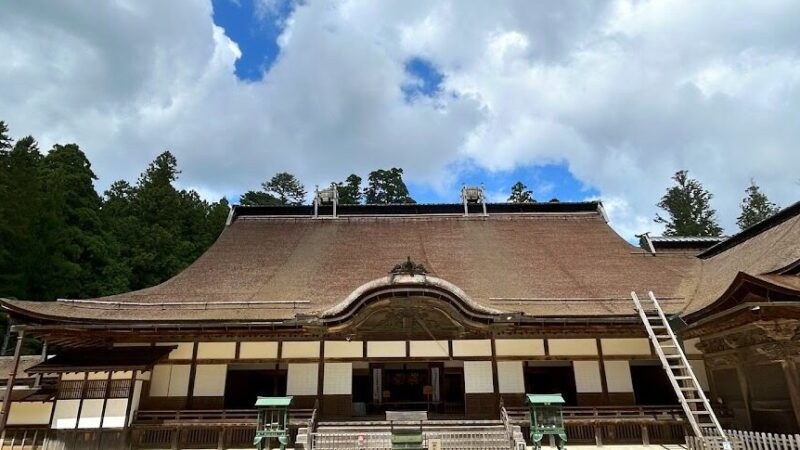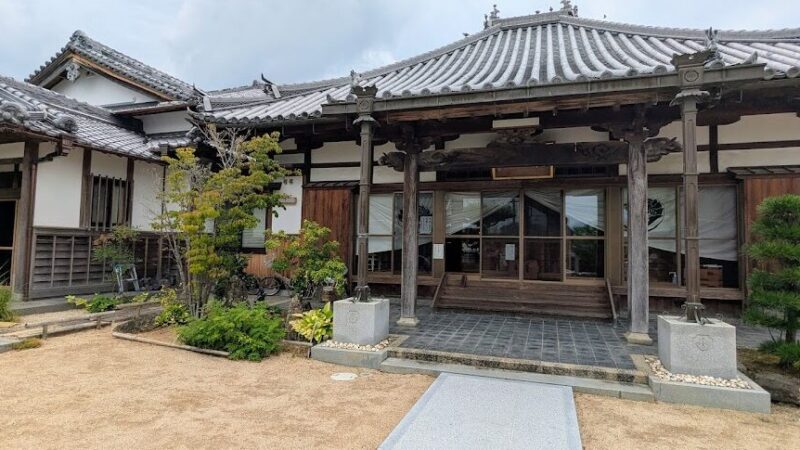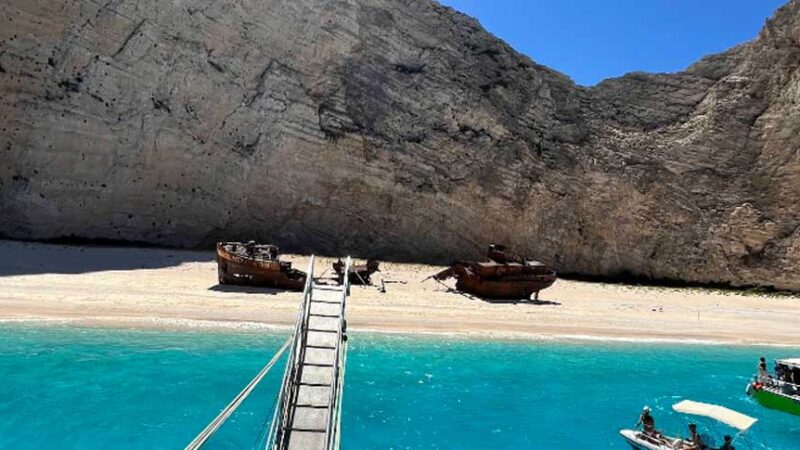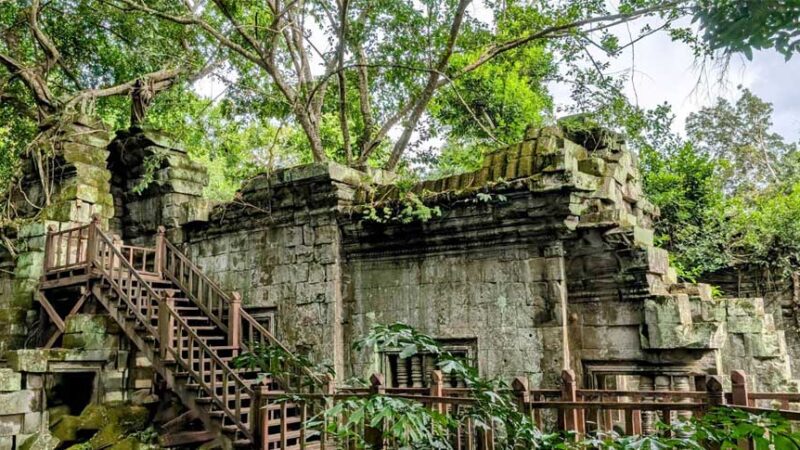

Tomogashima, an archipelago floating in the Kitan Strait off Wakayama Prefecture, has recently drawn attention as a mysterious island that evokes the worldview of Studio Ghibli’s timeless masterpiece “Castle in the Sky.” In particular, the ruins of the former Japanese military gun emplacements remaining on Okinoshima and the brick structures covered in ivy are landscapes that can truly be said to be Laputa itself. This article comprehensively explains information you should know before visiting, from the charm of Tomogashima and Okinoshima to access methods and precautions for tourism.
What is Tomogashima? Basic Information and History
Overview of Tomogashima
Tomogashima is a general term for a group of uninhabited islands belonging to Kada, Wakayama City, Wakayama Prefecture. Located in the Kitan Strait (Kii Channel), it consists of four islands: Okinoshima, Chinoshima, Torashima, and Kamishima. Among these, the island that tourists can visit is the largest, Okinoshima, which has an area of approximately 1.27 square kilometers and a circumference of approximately 9 kilometers.
Currently designated as part of the Seto Inland Sea National Park, it has become a valuable spot where rich natural beauty and historical heritage coexist. Despite being an entirely uninhabited island, it is a popular tourist destination that attracts many visitors year-round.
Historical Background of Tomogashima
The history of Tomogashima is deeply connected to its role as a military fortress during the Meiji period. In the Meiji era, five gun emplacements were constructed on the island for the purpose of defending Osaka Bay. Because of its strategically important location in the Kitan Strait, it was developed as a fortress to prevent the intrusion of foreign fleets.
After the end of World War II, these gun emplacements ended their duty, and the island became uninhabited. Over the long years, the ruins gradually returning to nature have created a unique atmosphere, and the island is now affectionately known as “Laputa Island.”
Why Is It Called “Laputa Island”?
Similarities to Studio Ghibli Works
The reason Tomogashima is attracting attention as a model location for “Castle in the Sky” lies in its unique scenery. While there is no official record that director Hayao Miyazaki actually visited Tomogashima, the atmosphere of the ruins remaining on the island remarkably matches the worldview of the film.
The following elements in particular evoke the world of Laputa:
- Brick structures covered in ivy and plants: The landscape where nature and artificial structures merge truly evokes the castle of Laputa
- Moss-covered stone walls and stairs: Historic ruins full of greenery that convey the passage of time
- Abandoned gun emplacement ruins: The sight of civilization’s traces being swallowed by nature
- Structures suddenly appearing in deep forests: A configuration that stirs the spirit of exploration
“Laputa Island” Spreading on Social Media
Since the 2010s, photos of Tomogashima posted on SNS like Instagram and Twitter have become a hot topic as “Like Laputa!”, and its popularity has surged, especially among younger generations. It has become a photogenic spot that evokes a fantastical atmosphere, and many tourists have come to visit.
As a place where the worldview of Laputa, known for the incantation “Balus!”, can be actually experienced, it has drawn attention not only from anime fans but also from photography enthusiasts and history lovers.
Complete Guide to the Highlights of Tomogashima and Okinoshima
Third Gun Emplacement Ruins
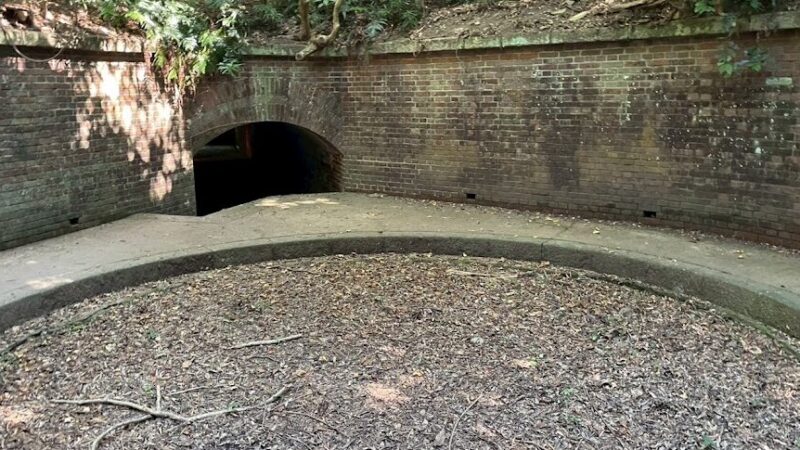
The most famous tourist spot on Tomogashima is the Third Gun Emplacement Ruins. Brick arches and ammunition magazines remain, and a world that is truly “Laputa” spreads out.
Characteristics:
- Underground passage approximately 160 meters long
- Remains of a gun position where a 28-centimeter howitzer was installed
- Fantastic atmosphere covered with ivy and moss
- The interior is dim, requiring a flashlight
The Third Gun Emplacement Ruins are well-preserved, allowing good observation of the original structure. The interior of the tunnel is cool even in summer, creating a unique atmosphere. It is also popular as a photography spot, with beautiful contrasts of light and shadow.
Second Gun Emplacement Ruins
While the Second Gun Emplacement Ruins are not as well-known as the Third, they have a unique charm as ruins returning more to nature.
Characteristics:
- Stronger sense of unity with nature
- Crumbling structures convey history
- Few visitors, allowing quiet exploration
- The way plants cover buildings is more pronounced
The path to the Second Gun Emplacement Ruins is somewhat unclear, so it is recommended to check a map in advance.
First Gun Emplacement Ruins
Located in the northwest of the island, the First Gun Emplacement Ruins is also a spectacular viewpoint overlooking the sea.
Characteristics:
- A scenic spot with an expansive view of the Kitan Strait
- Relatively easy access location
- The gun emplacement structure is easy to understand
- On clear days, Awaji Island is also visible
Torashima Viewpoint
An observation platform near the highest point of the island where you can enjoy the natural beauty of Tomogashima.
Characteristics:
- 360-degree panoramic view
- Views of the other islands of Tomogashima
- On clear weather, visible as far as Shikoku
- Hiking courses for forest bathing
Tomogashima Lighthouse
A historic lighthouse first lit in 1872 (Meiji 5) and currently still in active operation.
Characteristics:
- A beautiful white lighthouse
- Surrounding open grassland ideal for rest
- Photography spot where the blue of the sea and sky stands out
- Spectacular views of the sea from the lighthouse vicinity
Kosuke Matsu Beach
A beach near the dock with beautiful sandy shores and highly transparent seawater.
Characteristics:
- Contrast of white sand and blue sea
- Ocean swimming possible in summer (facilities are limited)
- Rocky areas for tide pool exploration
- A healing spot for relaxing time
Access Methods to Tomogashima
Ferry from Kada Port
The only way to access Tomogashima is by ferry from Kada Port in Wakayama Prefecture, operated by Tomogashima Kisen.
Operating Information:
- Travel Time: Approximately 20 minutes
- Fare: Adult round trip ¥2,200, Child round trip ¥1,100 (as of 2024, subject to change)
- Operating Schedule: Approximately 4 round trips per day (varies by season)
- Capacity: Approximately 100 passengers
Important Notes:
- Frequent cancellations due to weather (especially in winter and rough seas)
- Reservations recommended during busy periods (Golden Week, summer vacation, autumn foliage season)
- Must check operating status on Tomogashima Kisen’s official website in advance
- Always confirm final ferry time and avoid missing it
Access to Kada Port
By Train:
- Approximately 15-minute walk from Nankai Electric Railway “Kada Station”
- Approximately 30 minutes from Wakayama City Station to Kada Station
- Approximately 1 hour 30 minutes from Osaka Namba Station
By Car:
- Approximately 40 minutes from “Wakayama IC” on the Hanwa Expressway
- Paid parking available around Kada Port (approximately ¥500-1,000 per day)
- Parking lots may be full during busy periods, so early arrival is recommended
Recommended Duration and Model Courses for Tomogashima Tourism
Recommended Stay Duration
For Tomogashima sightseeing, it is recommended to secure a minimum of 3-4 hours. With all gun emplacements visited, photography, and breaks included, 5-6 hours allows for a more fulfilling experience.
Half-Day Course (3-4 Hours)
- Arrival and Dock (10 minutes) – Restroom, map confirmation
- Third Gun Emplacement Ruins (60 minutes) – Thorough exploration of main spot
- Torashima Viewpoint (40 minutes) – Hiking and scenic enjoyment
- Tomogashima Lighthouse (30 minutes) – Rest near lighthouse
- Second Gun Emplacement Ruins (40 minutes) – Ruins exploration
- Return to Dock (30 minutes) – Boarding return ferry
Full-Day Course (5-6 Hours)
- Arrival and Dock (15 minutes)
- Kosuke Matsu Beach (30 minutes) – Coastal exploration
- Third Gun Emplacement Ruins (90 minutes) – Leisurely photography
- Lunch and Rest (60 minutes) – Homemade lunch recommended
- Torashima Viewpoint (60 minutes)
- First Gun Emplacement Ruins (40 minutes)
- Tomogashima Lighthouse (40 minutes)
- Second Gun Emplacement Ruins (50 minutes)
- Return to Dock (30 minutes)
Precautions and Packing List for Tomogashima Tourism
Essential Items
Tomogashima is an uninhabited island with very limited facilities. Be sure to prepare the following items.
Absolutely Necessary:
- Flashlight or Headlamp: The interior of gun emplacements is pitch dark
- Drinking Water: No vending machines on the island (2 liters or more recommended in summer)
- Food: No restaurants or shops, bring a packed lunch or snacks
- Hat and Sunscreen: Some areas have little shade
- Insect Repellent Spray: Essential especially in summer
- Towel and Wet Wipes: For wiping sweat and washing hands
- Trash Bags: Always take it with you
- Map and Smartphone: To avoid getting lost (though signals are unstable)
- Mobile Battery: To guard against phone battery depletion
Convenient to Have:
- Trekking shoes or comfortable walking shoes (sandals are dangerous)
- Long sleeves and long pants (for insect bites and injury prevention)
- Rain gear (to prepare for weather changes)
- Camera and tripod (for photography)
- First aid kit (band-aids, disinfectant, etc.)
- Portable toilet (only dock restroom available on island)
About Clothing
- Comfortable, mobile clothing: Clothing suitable for hiking
- Well-worn shoes: Recommend sneakers or trekking shoes due to mountain paths and stairs
- Seasonal adjustments: Summer heat measures, winter cold protection
- Minimize skin exposure: To prevent insect bites and injury
Safety Precautions
- Danger of Ruins: Avoid off-limit areas as structures are unstable
- Watch Your Footing: Many steps, holes, and slippery places exist
- Activity in Dark Areas: Always use flashlight inside gun emplacements
- Avoid Solo Exploration: Travel with multiple people when possible
- Weather Changes: Be cautious of sudden rain and strong winds, don’t overdo it
- Heat Stroke Prevention: Especially in summer, take frequent water breaks and rest
- Wildlife: Be cautious of snakes, don’t enter brush without reason
Manners and Rules
- Always take trash with you: To preserve island beauty
- Don’t damage plants: For nature conservation
- No graffiti: Treat historical heritage with respect
- Don’t raise your voice: Show consideration for other tourists
- Smoke in designated areas: For fire prevention
- Drone Photography: May require permission, confirm in advance
Best Seasons for Tomogashima Tourism
Spring (March to May)
Recommendation: ★★★★★
- Mild climate ideal for tourism
- Fresh greenery is beautiful and photogenic
- Cherry blossom season (late March to early April) is particularly popular
- Golden Week is crowded, so early reservations recommended
Summer (June to August)
Recommendation: ★★★☆☆
- Blue sea and sky are beautiful
- Can also enjoy swimming
- Heat prevention and insect repellent are essential
- Rainy season (June) sees many cancellations
- Summer vacation period is extremely crowded
Autumn (September to November)
Recommendation: ★★★★★
- Weather is stable, ideal for tourism
- Autumn colors are beautiful (November)
- Relatively uncrowded period
- Perfect season for photography
Winter (December to February)
Recommendation: ★★☆☆☆
- Few tourists, can enjoy quietly
- Clear air provides crystal-clear views
- Frequent weather-related cancellations
- Warm clothing is essential
- Limited operating days may occur
Nearby Tourist Attractions
Kada Town Streets
Kada, the gateway to Tomogashima, is a charming town retaining the character of an old fishing village.
- Kada Harubi Shrine: Famous as a shrine for romantic relationships
- Awashima Shrine: Known for doll rituals, impressive with Hina dolls
- Awashima Sakana Line (Nankai Electric Railway Kada Line): Enjoy a local train journey
- Kada Seafood Cuisine: Small restaurants scattered about with fresh fish
Wakayama City Attractions
- Wakayama Castle: One of the Tokugawa Three Lords, seat of the Kii Tokugawa clan
- Kizamidera Temple: Famous ancient temple known for cherry blossoms
- Wakayama Marina City: Theme park and hot spring facilities
- Kuroshio Market: Market where you can enjoy fresh seafood
Accommodation in Tomogashima
Tomogashima is essentially an uninhabited island with no general accommodation. However, the Tomogashima Campground operates seasonally (usually April to November).
Tomogashima Campground
- Operating Period: April to November (varies by year)
- Reservation: Advance reservation required
- Facilities: Tent sites, cooking facilities, restrooms
- Notes: Limited electricity and water, bring your own food
Using the campground allows you to experience the mystical Tomogashima at sunset and early morning. Stargazing is also a highlight.
Accommodations Near Kada
While day trips are standard, there are hot spring inns and hotels in the Kada area.
- Kyuka-son Kishu Kada: Public accommodation with hot springs and ocean views
- Kada Awashima Hot Spring: Seaside hot spring inn
- Private Lodgings: Affordable with seafood cuisine
Learn More About Tomogashima’s History
Fortification in the Meiji Period
Tomogashima was fortified in the 1890s. At that time, Japan was strengthening the defense of major ports against threats from Western powers. Osaka Bay was the gateway to Japan’s economic and political center, making its defense a matter of national importance.
Five gun emplacements were constructed on Tomogashima:
- First Gun Emplacement: Completed 1890 (Meiji 23)
- Second Gun Emplacement: Completed 1892 (Meiji 25)
- Third Gun Emplacement: Completed 1895 (Meiji 28)
- Fourth Gun Emplacement: Left incomplete
- Fifth Gun Emplacement: Completed 1901 (Meiji 34)
These gun emplacements were equipped with the most advanced artillery of the time, and it is said approximately 2,000 soldiers were stationed there.
Post-War to Present
After the end of World War II, Tomogashima’s military installations ended their role, and in 1947 (Showa 22) the island became uninhabited. Subsequently, in 1950 it was incorporated into the Seto Inland Sea National Park, attempting to balance nature conservation and tourism.
The gun emplacement ruins, which had been left alone for many years, are gradually being reclaimed by nature while still retaining their original appearance, and they are now drawing attention as valuable modern heritage. Today, as a tourist destination where historical value and natural beauty merge, it is loved by many people.
Voices of People Who Visited Tomogashima
Positive Impressions
- “I truly felt like I had stumbled into the world of Laputa”
- “The harmony of ruins and nature was beautiful, and photography was enjoyable”
- “I could spend quiet time forgetting the hustle and bustle of the city”
- “I had a valuable experience that made me feel history”
- “As hiking, it had appropriate exercise and was enjoyable”
Voices Raising Points of Caution
- “Summer was hotter than expected, and I ran out of water”
- “The inside of the gun emplacements is truly pitch dark, without a flashlight it’s dangerous”
- “There’s more walking than expected, sneakers are essential”
- “During busy periods there were many people, so I couldn’t enjoy the quiet atmosphere”
- “Weather-related cancellations make scheduling difficult”
Tips to Succeed in Tomogashima Tourism
Thorough Preparation
- Check Weather Forecast: Monitor weather from several days before
- Ferry Operating Status: Final confirmation the morning of visit
- Equipment Checklist: Confirm items the night before
- Build Stamina: Develop a regular walking habit
Practice Early Action
- Aim for First Ferry: Fewer people, can enjoy leisurely
- Reserve During Busy Periods: Recommended advance reservation for Golden Week and summer break
- Flexible Schedule: Manage time to make final ferry
Photography Tips
- Soft Morning Light: Ideal for photographing Third Gun Emplacement Ruins
- Use Backlighting: Shooting from tunnel interior outward creates mystical effect
- Wide-Angle Lens: Convenient for capturing entire ruins
- Tripod: Useful for photography in dark places
- Include People: Creates sense of scale, more impressive photos
Frequently Asked Questions (FAQ)
Q1: Is Tomogashima Really the Model for Laputa?
A1: Studio Ghibli has never officially announced that Tomogashima was the model for “Castle in the Sky.” However, the atmosphere of the ruins remaining on the island so closely resembles the worldview of Laputa that fans affectionately call it “Laputa Island.” You will be amazed by the similarity when you actually visit.
Q2: Can Beginners Enjoy It?
A2: Yes, absolutely. The island has well-maintained hiking courses, and those without great stamina can still visit the main attractions. However, minimum equipment (comfortable shoes, drinking water, flashlight) is essential. If you enjoy tourism at a comfortable pace, beginners can fully enjoy this spot.
Q3: Can I Bring Children?
A3: Children from elementary school age and up are fine, but caution is necessary. The ruins are dark and have uneven footing, so adults must accompany and never take their eyes off children. Strollers cannot be used, so it is best to avoid bringing infants.
Q4: Are There Restrooms?
A4: The only restroom on the island is near the dock. There are no restrooms around the gun emplacement areas, so be sure to use them before exploring. Those worried may want to bring a portable toilet.
Q5: Can I Sightsee on Rainy Days?
A5: Light rain allows visiting, but it is not recommended. Footing becomes slippery and dangerous. Also, in strong winds or rough weather, ferries are cancelled, so you cannot reach the island. Check the weather forecast and choose a sunny day for your visit.
Q6: Can I Bring Pets?
A6: Pets can board the ferry, but on the island they must always be leashed and show consideration for other tourists. Also, on hot days the environment becomes harsh for animals, so ensure adequate water and breaks.
Q7: Can I Visit in Winter?
A7: It’s possible, but weather-related cancellations become more frequent. Also, ferry operating schedule may be reduced, so check in advance. With proper cold weather preparation, you can enjoy a quiet Tomogashima with few people.
Q8: Can I Enjoy It Alone?
A8: You can fully enjoy it as a solo traveler. However, considering safety, it is recommended to visit during busy hours (morning to early afternoon). It is also reassuring to inform family or friends of your destination in advance.
Conclusion: Embark on an Adventure to Another World at Tomogashima
Tomogashima (Okinoshima) in Wakayama Prefecture is a one-of-a-kind tourist spot where you can experience the worldview of “Castle in the Sky.” The unique landscape of a Meiji-era military fortress gradually returning to nature moves all who visit.
Abandoned gun emplacement ruins, brick tunnels covered with ivy, beautiful sea, and rich nature—all these elements merge to create Tomogashima, a place that captivates photographers, history enthusiasts, anime fans, and all who seek adventure.
Due to its nature as an uninhabited island, facilities are limited, and advance preparation is essential for a visit. However, this very inconvenience creates special experiences unavailable in the city. The tension of advancing through dark tunnels with flashlight in hand, the spectacular views from observation platforms, the weight of history carved into ruins—all of these are precious experiences found only at Tomogashima.
Because visits are affected by weather and ferry operations, flexible planning is necessary, but the joy of actually reaching the island is all the greater for it. Please thoroughly prepare and embark on Tomogashima’s adventure. It will surely become an unforgettable memory.
Balus! A magical time awaits you at Tomogashima.