
The anime “Zatsutabi -That’s Journey-” is a short anime series based on a manga by Kenta Ishizaka, with settings throughout various regions of Japan. Among these, Wakayama Prefecture stands out as an important stage featuring abundant nature and numerous historical tourist attractions.
In this article, we provide a thorough explanation of the pilgrimage spots in Wakayama Prefecture depicted in Zatsutabi, offering information to help fans who wish to actually visit these locations.
What is Zatsutabi -That’s Journey-
“Zatsutabi -That’s Journey-” is a work about a manga artist protagonist and their editor traveling throughout Japan under the guise of conducting research. Actual tourist destinations and famous sites are depicted faithfully, making it ideal “pilgrimage” content that viewers can actually visit.
The work’s distinctive feature is that while it includes elements of a travel guide, it also features witty banter among characters and lighthearted developments. Despite each episode lasting only about three minutes, it conveys the charm of each location in condensed form.
In the Wakayama Prefecture episodes, many representative tourism resources of the prefecture were featured, including Koyasan, which is registered as a UNESCO World Heritage site, the Kumano Kodo pilgrimage route, Shirahama hot springs, and Wakayama ramen.
Why Wakayama Prefecture Became the Setting
Wakayama Prefecture is a region with abundant tourism resources. In addition to the UNESCO World Heritage site “Sacred Sites and Pilgrimage Routes in the Kii Mountain Range,” it is filled with diverse attractions including hot springs, sea, mountains, and historic buildings.
The production team likely chose Wakayama Prefecture for the following reasons:
- Existence of UNESCO World Heritage sites: Two major UNESCO World Heritage sites—Koyasan and the Kumano Kodo
- Good accessibility: Relatively close to Osaka, easy to visit in a day trip or one-night stay
- Diverse tourist resources: Wide range of themes including religion, history, nature, and cuisine
- Visual appeal: Beautiful scenery that photographs well in anime
Sacred Sites in the Koyasan Area
Kongobuji Temple
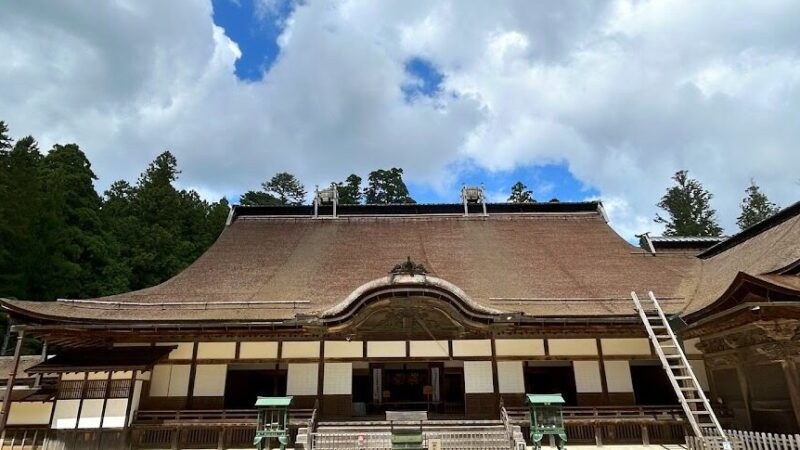
Kongobuji Temple, the head temple of Koyasan Shingon Buddhism, appeared as an important setting in Zatsutabi. As the sacred site of esoteric Buddhism founded by Kobo Daishi Kukai, it boasts over 1,200 years of history.
Highlights:
- Fusuma paintings in the main hall: Beautiful paintings depicting nature through the four seasons
- Banryutei Stone Garden: One of Japan’s largest stone gardens
- Kitchen: Once prepared meals for 2,000 people with its enormous stoves
Access: About 10 minutes by bus from “Koyasan Station” on the Nankai Koyasan Line
Visiting hours: 8:30 AM-5:00 PM (final admission 4:30 PM)
Admission fee: 1,000 yen (general)
Okunoin
This is the most sacred place in Koyasan, where Kobo Daishi entered eternal meditation. In Zatsutabi, the approximately 2 km approach path from Ichinohashi to the Mausoleum was depicted impressively.
Features:
- Approach path surrounded by Japanese cedar trees hundreds of years old
- Over 200,000 tombstones and memorial pagodas
- Solemn and mystical atmosphere
Walking the path, you can see many historically interesting memorial pagodas of feudal warlords and famous companies. Visiting early morning or at dusk allows you to experience an even more quiet and sacred atmosphere.
Danjo Garan
A central group of religious facilities in Koyasan that serves as a training ground for esoteric Buddhism. The vermillion Konpon Daito (Root Fundamental Pagoda) is particularly impressive and was depicted symbolically in Zatsutabi.
Main buildings:
- Konpon Daito: A 48.5-meter-tall two-tiered pagoda with a three-dimensional mandala inside
- Kondo Hall: The main temple of Koyasan
- Mieidō Hall: Enshrines Kobo Daishi’s portrait
Koyasan Temple Lodging Experience
Zatsutabi also featured the experience of staying at temple lodges. Koyasan has 52 temple lodges where visitors can experience Buddhist culture through vegetarian cuisine and morning prayers.
Temple lodging experience highlights:
- Vegetarian cuisine: Traditional dishes without meat or fish
- Morning prayers: Can participate in early morning chanting
- Calligraphy and meditation experiences: Spiritual training to calm the mind
Popular temples fill up quickly, so advance reservations are recommended, especially on weekends and holidays.
Sacred Sites in the Kumano Area
Kumano Kodo (Nakaheji Route)
The Kumano Kodo, registered as a UNESCO World Heritage site, appeared as an important setting in Zatsutabi. The Nakaheji route in particular was introduced as a course easy for beginners to walk.
Recommended sections:
- Hasshinmon Oji to Kumano Hongu Taisha: About 7 km, takes about 3 hours
- Daimon-zaka to Nachi Falls: About 2.5 km, takes about 1 hour
Equipment and precautions:
- Trekking shoes are essential
- Bring drinking water and light snacks
- Rain gear to prepare for sudden weather changes
- Insect repellent spray in summer
Kumano Hongu Taisha
One of the three Kumano shrines and the head shrine of over 3,000 Kumano shrines nationwide. In Zatsutabi, the large torii gate, famous as Japan’s largest, was depicted impressively.
Highlights:
- Shrine buildings with cypress bark roofing: A solemn atmosphere
- Ooyuno-hara: The former main shrine site with a giant torii gate
- Yatagarasu amulets: Symbol of Kumano
Access: About 2 hours by bus from Kii-Tanabe Station
Kumano Nachi Taisha and Nachi Falls
Nachi Falls, with a drop of 133 meters, is Japan’s most famous waterfall, and its powerful appearance was depicted in Zatsutabi. The waterfall itself is revered as a deity.
Viewing points:
- Hiryū Shrine: Can view the falls up close
- Nachi Falls observation platform: 300 yen admission fee for a front-facing view
- Three-tiered pagoda and falls composition: Excellent photo spot
A photograph combining the vermillion three-tiered pagoda and Nachi Falls is known as one of Wakayama’s most iconic scenic views.
Kumano Hayatama Taisha
One of the three Kumano shrines, located in Shingū City. The vermillion shrine buildings are beautiful, and the grounds feature an ancient Nagi tree over 1,000 years old, designated as a Japanese natural treasure.
Features:
- Vibrant vermillion shrine buildings
- Enshrines Kumano Hayatama-no-Ōkami and Kumano Fususumi-no-Ōkami
- Shinnōkan museum where you can learn about the history of Kumano faith
Sacred Sites in the Shirahama Area
Shirahama Beach
A beach with white sand and highly transparent water, which appeared in Zatsutabi as a summer scene. The white sand beach stretching about 640 meters is a sister beach with Waikiki Beach in Hawaii.
Ways to enjoy:
- Swimming (early July to late August)
- Beach volleyball and marine sports
- Walking during sunset
You can also walk on the beach in winter, and the quiet sea during the off-season has its own appeal.
Engetsu Island (Takarajima)
An iconic symbol of Shirahama, this small island features a circular marine cave at its center. Zatsutabi impressively depicted the scenic moment of the sunset passing through the cave.
Best timing:
- Around the spring and autumn equinoxes: Sunset passes through the center of the cave
- 30 minutes before sunset: Sky and sea tinged with orange
Best photo spot: Best viewed from the Rinkai-ura coastline
Adventure World
A complex facility combining a zoo, aquarium, and amusement park famous for panda breeding. Zatsutabi depicted scenes of interaction with giant pandas.
Highlights:
- Giant Panda Family: Multiple pandas in residence
- Safari World: Close observation of lions, giraffes, and more
- Marine Live: Dolphin and sea lion performances
Operating hours: 10:00 AM-5:00 PM (varies by season)
Admission fees: Adults 5,300 yen, high school/middle school students 4,300 yen, children/elementary school students 3,300 yen
Shirahama Hot Springs
One of Japan’s three ancient hot springs, this historic hot spring resort was featured in Zatsutabi with scenes of relaxing in the thermal waters.
Features:
- Hot spring quality: Sodium chloride spring
- Benefits: Neuralgia, muscle pain, cold sensitivity, etc.
- Many seaside open-air bathhouses
Day-use bathing facilities are well-equipped, allowing visitors to enjoy hot springs during sightseeing breaks.
Sacred Sites in Wakayama City
Wakayama Castle
Known as the former castle of the Kishu Tokugawa family, one of the Tokugawa branches, Wakayama Castle appeared in Zatsutabi as a symbol of Wakayama City.
Highlights:
- Tenshu (main tower): Observation platform with panoramic city views
- Ohashirō corridor: A rare slanted corridor bridge
- Momiji Valley Garden: A beautiful garden designated as a national scenic site
Opening hours: 9:00 AM-5:30 PM (final admission 5:00 PM)
Admission fee: Adults 410 yen
Wakayama Ramen
This local specialty, now famous throughout Japan, was introduced in Zatsutabi as an important part of the food culture.
Characteristics:
- Pork bone soy sauce-based broth
- Thin straight noodles
- Often paired with hayazushi (mackerel sushi)
Famous shops:
- Ide Shōten: The original Wakayama ramen restaurant
- Marui: Rich pork bone soy sauce ramen
- Maru-san: Light soy sauce ramen
Kii Miiji Temple
The second temple of “Saigoku Kannon Pilgrimage Route 33,” also known as a cherry blossom viewing spot. Zatsutabi impressively depicted the 231 stone steps and cherry blossoms.
Highlights:
- Spring cherry blossoms: Famous as one of Kansai’s earliest blooming cherry trees
- Rōmon gate: Designated as important cultural property
- View from temple grounds: Panoramic views of Wakanoura and Wakayama City
Efficient Pilgrimage Model Routes
1-Night 2-Day Course: Koyasan and Kumano Hongu
Day 1:
- Morning: Travel to Koyasan on the Nankai Koyasan Line
- Noon: Visit Kongobuji Temple and Danjo Garan
- Afternoon: Pay respects at Okunoin
- Evening: Stay at a temple lodge, enjoy vegetarian cuisine
Day 2:
- Early morning: Participate in morning prayers
- Morning: Travel from Koyasan to Kumano Hongu Taisha (about 2 hours by car)
- Noon: Pay respects at Kumano Hongu Taisha, view Ooyuno-hara
- Afternoon: Explore the Kumano Kodo (Hasshinmon Oji to Kumano Hongu)
2-Night 3-Day Course: Wakayama Complete Plan
Day 1:
- Morning: Sightseeing in Wakayama City (Wakayama Castle, Kii Miiji Temple)
- Noon: Enjoy Wakayama ramen
- Afternoon: Travel to Shirahama
- Evening: Stay at a Shirahama hot spring resort
Day 2:
- Morning: Sightseeing at Shirahama Beach and Engetsu Island
- Noon: Adventure World
- Evening: Extended stay at Shirahama hot spring
Day 3:
- Morning: Visit Kumano Nachi Taisha and Nachi Falls
- Noon: Hike the Kumano Kodo (Daimon-zaka)
- Afternoon: Pay respects at Kumano Hayatama Taisha and return home
Day Trip Course: Concentrated Koyasan Plan
Schedule:
- 8:00 AM Depart from Namba Station
- 10:00 AM Arrive at Koyasan, visit Kongobuji Temple
- 11:30 AM Visit Danjo Garan
- 12:30 PM Lunch (vegetarian cuisine or Koyasan specialties)
- 1:30 PM Pay respects at Okunoin (round trip from Ichinohashi)
- 4:00 PM Depart Koyasan
- 6:00 PM Arrive at Namba Station
Convenient Transportation for Sacred Site Pilgrimages
Train and Bus Access
Koyasan direction:
- Limited express on the Nankai Koyasan Line from “Namba Station” to “Koyasan Station” takes about 1 hour 30 minutes
- From Koyasan Station, use the Nankai Rinkan Bus to access various locations
Kumano direction:
- JR Kii Peninsula Line to Kii-Tanabe or Shingū Station
- From each station, route buses connect to the three Kumano shrines
Shirahama direction:
- Limited express Kuroshio from Shin-Osaka to “Shirahama Station” takes about 2 hours 20 minutes
- From Shirahama Station, route buses connect to various tourist sites
Touring by Rental Car
Since public transportation is limited in some areas of Wakayama Prefecture, touring by rental car is convenient.
Advantages:
- Free to move without worrying about schedules
- Can efficiently visit multiple spots
- Luggage transportation is easier
Precautions:
- Mountain roads surround Koyasan and Kumano Kodo areas
- Watch for snow and ice in winter
- Verify parking availability beforehand
Discount Tour Passes
Koyasan & World Heritage Pass:
- Round-trip from Osaka City to Koyasan plus unlimited bus rides in Koyasan
- Includes admission fee discounts
Kii Peninsula Free Pass:
- Unlimited rides on limited express and regular trains throughout a broad Kii Peninsula area
- Valid for 3 days
Preparation and Etiquette for Sacred Site Pilgrimages
Packing Checklist
Essential items:
- Comfortable walking shoes (especially for hiking Kumano Kodo)
- Drinking water and towel
- Rain gear (folding umbrella or rain jacket)
- Mobile battery
- Cash (some mountain areas don’t accept cashless payment)
Convenient to have:
- Trekking poles (for Kumano Kodo)
- Insect repellent spray (summer)
- Sunscreen
- Goshuin stamp book
- Camera or smartphone
Etiquette for Visiting Shrines and Temples
Proper procedures at shrines and temples:
- Bow before passing through torii gates or temple gates
- Purify hands and mouth at water basins
- Remain quiet during worship, being considerate of other visitors
- Respect photography-prohibited areas
Precautions at Koyasan:
- Photography is prohibited beyond the Okumichi Bridge at Okunoin
- Observe lights-out times at temple lodges
- Finish vegetarian meals completely as an expression of gratitude
Etiquette on the Kumano Kodo:
- Always take trash with you
- Don’t collect plants or stones
- Greet people you pass
- Stay on designated paths
Seasonal Highlights and Events
Spring (March-May)
Cherry blossom viewing spots:
- Kii Miiji Temple: Famous for early spring blossoms in Kansai (late March to early April)
- Wakayama Castle: About 600 cherry trees (early April)
- Negoro-ji Temple: 1,000 cherry trees and a nationally treasured pagoda (early April)
Events:
- Koyasan Spring Ceremony (May 3-5)
Summer (June-August)
Swimming season:
- Shirahama Beach opens (early July)
- Sunset viewing at Engetsu Island
Events:
- Nachi Fire Festival (July 14): Annual festival of Kumano Nachi Taisha
- Shirahama Fireworks Festival (late July to August)
Autumn (September-November)
Autumn foliage spots:
- Koyasan: Foliage at Danjo Garan and Okunoin (late October to early November)
- Dorogō Gorge: River sightseeing with autumn leaves (early to mid-November)
Events:
- Koyasan Autumn Foliage Festival (mid-October to mid-November)
Winter (December-February)
Hot spring season:
- Shirahama Hot Springs: Winter outdoor baths are exceptional
- Ryūjin Hot Springs: One of Japan’s three most beautiful hot springs
Events:
- Snowy scenery at Koyasan: Solemn atmosphere
- New Year visits: Many worshippers visit Kumano shrines and Koyasan
Recommended Spots Near Zatsutabi for Fans
Negoro-ji Temple
The main temple of the Shingi Shingon school, famous for its nationally treasured pagoda. Though not featured in the main Zatsutabi series, it’s worth visiting alongside Koyasan.
Highlights:
- Pagoda: 40-meter-tall two-tiered pagoda, designated a national treasure
- Spring cherry blossoms: About 1,000 trees in the temple grounds
- Negoro lacquerware: Traditional craft
Tomoe Island
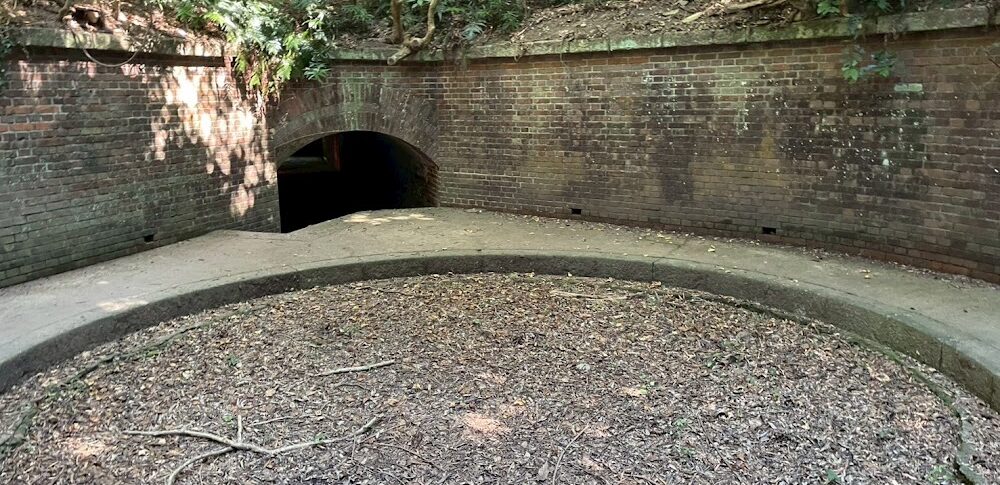
An uninhabited island with Meiji-era artillery battery ruins, popular for its Laputa-like atmosphere. Accessible by ship in about 20 minutes from Wakayama City.
Highlights:
- Third Artillery Battery ruins: Brick masonry ruins
- Observation platform scenic views
- Hiking courses
Doro Gorge
A scenic valley spanning Nara, Mie, and Wakayama prefectures with emerald-green clear waters.
Ways to enjoy:
- Water jet boat: Thrilling river descent
- Former Doro Hotel: Meiji-era romance atmosphere
- Autumn foliage season panorama
Wakayama Prefecture Specialties and Souvenirs
Standard Souvenirs
Koyasan area:
- Sesame tofu: Koyasan specialty with rich flavor
- Koyasan cypress: Popular as auspicious item
- Prayer beads and amulets: Available at temples
Kumano area:
- Nachi-kuro stone: Black stone used for go stones
- Kumano beef: Premium branded beef
- Pickled plums: Made with Kishu Nanko variety
Shirahama area:
- Panda merchandise: Limited to Adventure World
- Shirasu (young fish): Fresh seafood specialty
- Kishu binchotan charcoal: Premium quality charcoal
Wakayama City:
- Persimmon leaf sushi: Wakayama regional cuisine
- Arida mandarins: Brand mandarin oranges
- Soy sauce: Yuasa soy sauce is famous
Gourmet Information
Must-try cuisine:
- Wakayama ramen: Rich pork bone soy sauce broth
- Vegetarian cuisine: Traditional Koyasan cooking
- Kue fish dishes: Premium winter fish
- Maguro tuna: Fresh tuna from Katsuura port
- Mehire sushi: Kumano regional dish
How to Choose Accommodations
Temple Lodges in Koyasan
Recommended temple lodges:
- Ichijoin: Beautiful gardens, popular lodge
- Kegō-in: Offers Ajikan meditation experience
- Fukuchi-in: Rare lodge with natural hot spring
Reservation tips:
- Ideal to book 2-3 months in advance
- Popular among international tourists, gets crowded
- Experience offerings differ by lodge
Shirahama Hot Spring Inns and Hotels
Recommendations by type:
- Luxury inns: Hamachidori-no-Yu Kaishukan, Shirahama Kogo-no-I Resort & Spa
- Budget-friendly: Shirahama-kan, Musashi
- Ocean view: Hotel Kawakyu, Nanki Shirahama Marriott Hotel
Business Hotels and Guest Houses
To reduce costs, business hotels in Wakayama or Tanabe City, or guest houses in the Kumano area are recommended.
Methods to Record Your Sacred Site Pilgrimage
Collecting Goshuin Stamps
At Wakayama Prefecture’s shrines and temples, you can receive goshuin stamps as proof of your visit.
Main locations offering goshuin:
- Kongobuji Temple
- Kumano Hongu Taisha
- Kumano Nachi Taisha
- Kumano Hayatama Taisha
- Kii Miiji Temple
- Wakayama Castle
Goshuin stamp etiquette:
- Receive after visiting
- Prepare a goshuin stamp book (written copies available if you don’t have one)
- Initial fee is typically 300-500 yen
- Make your request politely
Tips for SNS Sharing
Tips when sharing pilgrimage memories on SNS:
Hashtags:
- #Zatsutabi
- #Wakayama Sacred Site Pilgrimage
- #Koyasan
- #Kumano Kodo
- #Shirahama
Photography spots:
- Konpon Daito and blue sky
- Nachi Falls and three-tiered pagoda
- Sunset at Engetsu Island
- Shirahama Beach
- Wakayama ramen
Important notes:
- Respect photography-prohibited areas
- Be considerate of other visitors who might appear in photos
- Be cautious about sharing location information
Conclusion: Making Your Zatsutabi Wakayama Sacred Site Pilgrimage Successful
The “Zatsutabi -That’s Journey-” Wakayama Prefecture sacred site pilgrimage offers a diverse journey visiting UNESCO World Heritage Koyasan and the Kumano Kodo, beautiful seaside Shirahama with its hot springs, and historic Wakayama City.
Keys to success:
- Advance planning: Narrow down desired locations and organize an efficient route
- Choosing the right season: Select a time that matches your goals (cherry blossoms, new greenery, autumn foliage, hot springs, etc.)
- Securing transportation: Decide in advance whether to use rental car or public transportation
- Early lodging reservations: Especially important for Koyasan temple lodges and popular Shirahama inns
- Appropriate equipment: Particularly important when hiking the Kumano Kodo
- Observing proper etiquette: Pay attention to conduct in sacred places
- Building in time: Avoid overscheduling and maintain a relaxed itinerary
By actually experiencing the charm of Wakayama Prefecture depicted in Zatsutabi, your understanding of the work will deepen, making for a more fulfilling sacred site pilgrimage. We hope this article serves as a helpful reference for your Wakayama Prefecture pilgrimage.
Wakayama Prefecture has so much to see that it’s difficult to visit everything in a single trip. We recommend visiting multiple times to enjoy the differences between seasons. While retracing the world of Zatsutabi, discover the charm of Wakayama that is uniquely yours.



完全ガイド|歴史・御利益・アクセス情報-800x450.jpg)