What is Zatsu-Tabi? Deep Connection with Hiroshima Prefecture
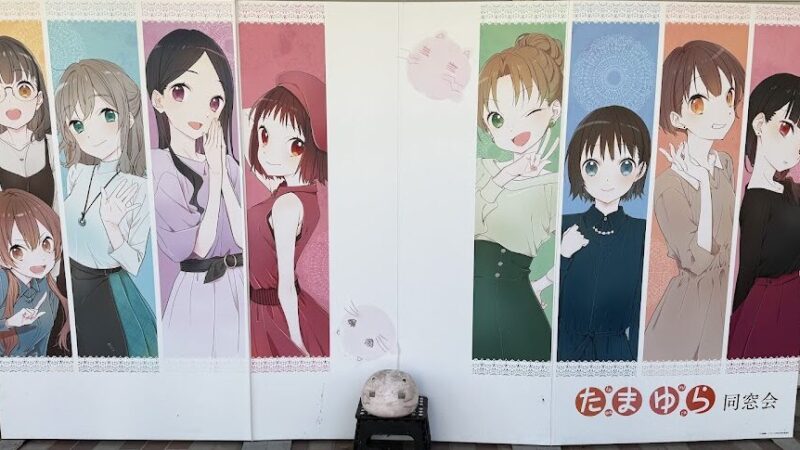
“Zatsu-Tabi -That’s Journey-” is a popular travel manga by Kenta Ishizaka that depicts the main characters traveling around Japan using the Seishun 18 Kippu (Youth 18 Ticket). It is known for its realistic depiction of travel atmosphere and careful description of regional charm, and has been adapted into an anime.
Hiroshima Prefecture is particularly prominently featured in the work, showcasing diverse attractions including the beautiful scenery of the Seto Inland Sea, historic structures, and local cuisine. The locations that appear in the work are faithful recreations of actual places, making it a highly worthwhile area for pilgrimage fans to visit.
Appeal of Zatsu-Tabi
- Realistic depiction of travel: Actual stations and townscapes are depicted with precision
- Introduction of regional culture: Learn about local food and history unique to each place
- Authentic travel experience: A perspective that values everyday scenery as well as special tourist destinations
- How to use Seishun 18 Kippu: Full of tips for affordable travel
Major Sacred Sites in Hiroshima Prefecture
Hiroshima Station Vicinity Area
Hiroshima Station is an important hub that appears frequently in the work. As the largest terminal station in the Chugoku region where the Sanyo Main Line and Sanyo Shinkansen intersect, it is depicted as the starting point and transit point for the main characters’ journey.
Scenes inside the station and at the station plaza appear in the work, with the southern exit scenery being particularly memorable. Currently undergoing redevelopment, there are changes compared to when the work was created, but the basic structure remains the same.
Pilgrimage points:
- Check the layout and atmosphere inside the station
- Views from the southern plaza
- Station bento box shops (possibly appearing in the work)
- Surrounding convenience stores and restaurants
Miyajima and Itsukushima Shrine Area
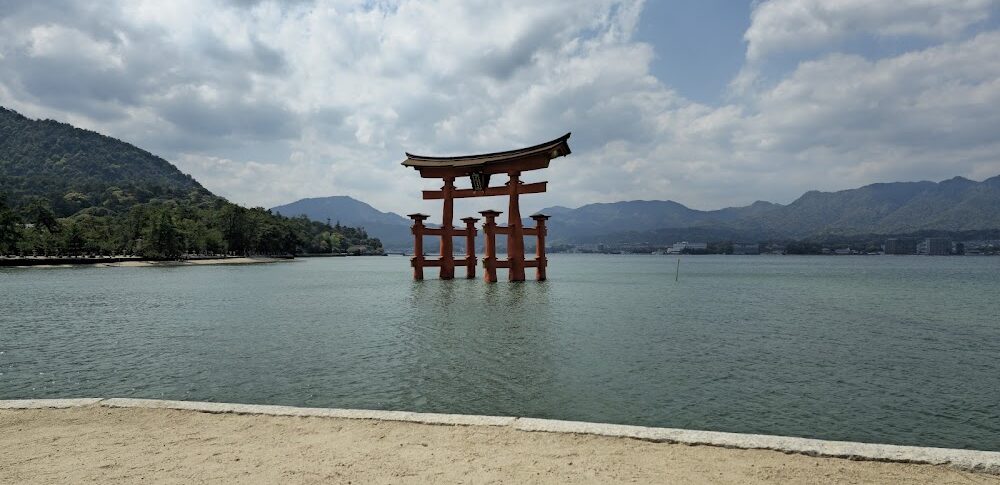
Miyajima, Hiroshima Prefecture’s representative tourist destination, appears as an important spot in Zatsu-Tabi. The world heritage Itsukushima Shrine, the great torii gate, and the charming scenery of the entire island are beautifully depicted in the work.
The vermillion shrine buildings and torii gate floating on the sea at Itsukushima Shrine, and the landscape that changes with the tides, are used as impressive scenes in the work. The shopping street of the approach and interactions with deer are also depicted as experiences unique to Miyajima.
Main attractions:
- Itsukushima Shrine main hall and covered corridors
- Great torii gate (※Please check current restoration work status in advance)
- Omote-sando shopping street
- Momiji Valley Park
- Senjoji Ropeway
Access:
- About 5 minutes walk from JR Miyajima-guchi Station to Miyajima-guchi Pier
- About 10 minutes by ferry
- Hiroshima Electric Railway Hiroshima Dentetsu Miyajima-guchi Station also available
Onomichi Area
Onomichi City is known as a city of slopes and is a charming port town with unique scenery. In Zatsu-Tabi, Onomichi’s back alleys, slopes, and views overlooking the Seto Inland Sea are depicted in detail.
The view of Onomichi Strait from Senkoji Mountain Ropeway, temple hopping, and the atmosphere of the shopping street all appear in the work, showcasing Onomichi’s multifaceted appeal.
Sacred site pilgrimage spots:
- Senkoji Park: A viewpoint overlooking all of Onomichi
- Senkoji Mountain Ropeway: Appears as a means of transportation in the work
- Onomichi Honmachi Shopping Street: A shopping street with a retro atmosphere
- Cat’s Alley: A lane popular with cat lovers
- Onomichi Ramen Restaurants: Likely featured as local cuisine
Access:
- Within walking distance from JR Onomichi Station
- About 15 minutes walk from the station to Senkoji Mountain Ropeway
Kure Area
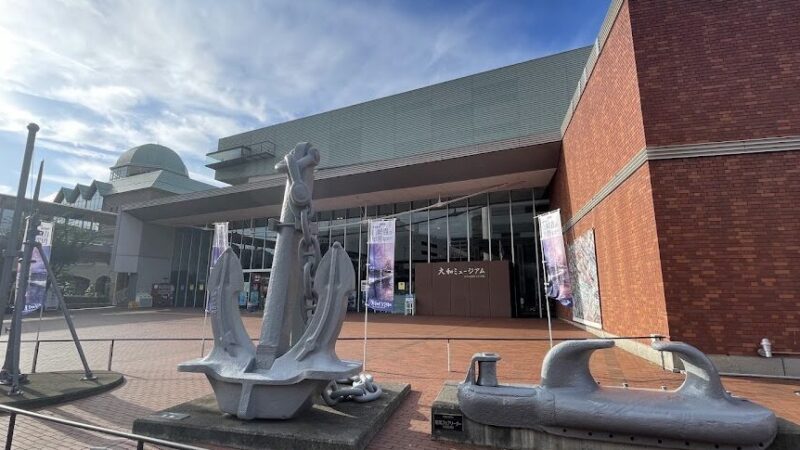
Kure City is a town that developed as a military port, with unique tourist resources such as the Yamato Museum (Kure City Maritime History Science Museum) and the Iron Whale Museum.
In the work, Kure’s atmosphere as a port town, its terrain with many slopes, and local cuisine such as Kure Naval Curry are depicted. JR Kure Station vicinity and scenery along the harbor become featured spots.
Major spots:
- Yamato Museum: A 1/10 scale model of the Yamato battleship is displayed
- Iron Whale Museum: An actual submarine on display
- Kure Central Wharf Terminal: Harbor scenery
- Arei-kara-suko-jima: Can view submarines up close
- Kure Naval Curry: Local cuisine
Access:
- About 30-45 minutes from Hiroshima Station on the JR Kure Line
- Major tourist destinations within walking distance from Kure Station
Fukuyama and Tomo-no-ura Area
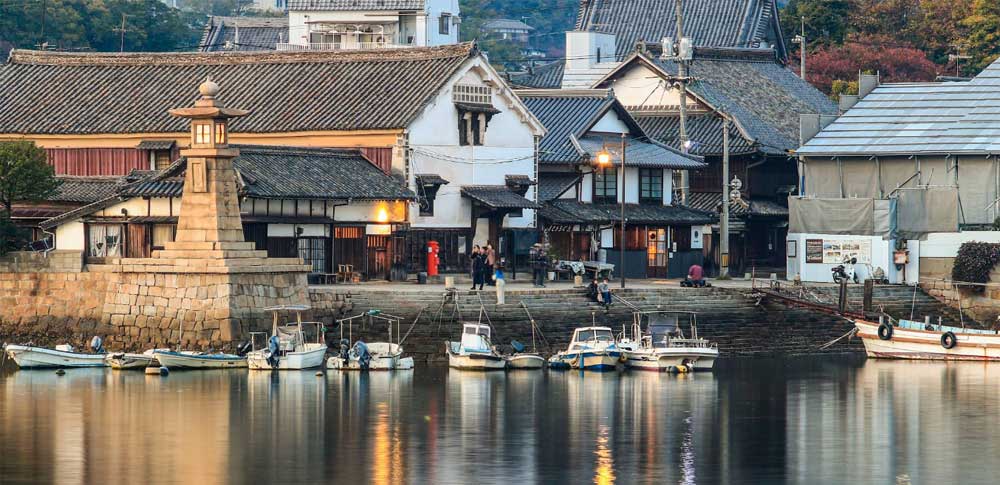
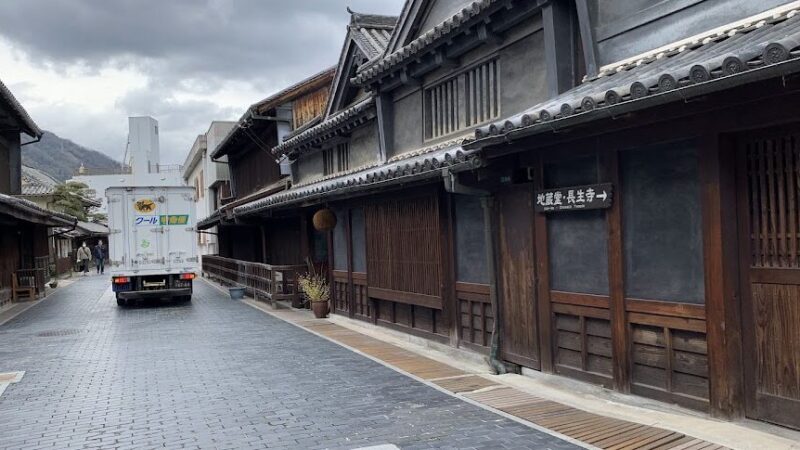
Tomo-no-ura is a representative port town of the Seto Inland Sea, charming with its well-preserved Edo period townscape. In Zatsu-Tabi, this picturesque port town’s scenery and landmarks such as the eternal lantern are depicted.
Attractions:
- Eternal Lantern: Symbol of Tomo-no-ura
- Taishoro: The viewing from the guest hall of Fukuzenji Temple
- Sensuiijima: 5 minutes by ferry from Tomo-no-ura Port
- Old townscape of Tomo-no-ura: Back alley exploration
- Hōmei-shu: Famous as local sake
Access:
- About 30 minutes from JR Fukuyama Station by Tomo Railway Bus
- Get off at Tomo-no-ura Bus Stop
Model Courses for Hiroshima Sacred Site Pilgrimages
1-Day Course: Central Hiroshima City
Morning:
- 9:00 Arrive at Hiroshima Station and explore the station area
- 10:00 Move to Miyajima-guchi by Hiroshima Electric Railway
- 11:00 Board Miyajima ferry
- 11:30 Visit Itsukushima Shrine and view the great torii gate
Afternoon:
- 12:30 Lunch at Omote-sando shopping street (conger eel rice, maple leaf cake)
- 14:00 Explore Momiji Valley Park
- 15:30 Return to Miyajima-guchi
- 17:00 Dinner with Hiroshima-style okonomiyaki near Hiroshima Station
2-Day Course: Touring Eastern Hiroshima Prefecture
Day 1:
- Morning: Move from Hiroshima Station to Onomichi (about 1 hour 20 minutes on JR Sanyo Main Line)
- Explore Onomichi: Senkoji, shopping street, cat’s alley
- Lunch: Onomichi ramen
- Afternoon: Move to Tomo-no-ura (about 1 hour by bus)
- Explore Tomo-no-ura: Eternal lantern, old townscape
- Stay in Fukuyama City
Day 2:
- Morning: Move from Fukuyama to Kure
- Kure sightseeing: Yamato Museum, Iron Whale Museum
- Lunch: Naval curry
- Afternoon: Return to Hiroshima Station
- If time permits, tour Hiroshima City
3-Day Course: Complete Hiroshima Prefecture Conquest
In addition to the 2-day course above:
- Setouchi Shimanami Kaido (starting from Onomichi)
- Takehara’s preserved townscape district
- Miyoshi City and other inland areas
- Hiroshima Peace Memorial Park and Atomic Bomb Dome
Tips for Enjoying Sacred Site Pilgrimages
Utilizing Seishun 18 Kippu
Just like the main characters in Zatsu-Tabi, travel using the Seishun 18 Kippu is recommended. JR lines are well-developed throughout Hiroshima Prefecture, allowing for efficient movement.
Operating periods:
- Spring: March 1 – April 10
- Summer: July 20 – September 10
- Winter: December 10 – January 10
Examples of use within Hiroshima Prefecture:
- Hiroshima Station ⇔ Onomichi Station: About 1 hour 20 minutes
- Hiroshima Station ⇔ Fukuyama Station: About 1 hour
- Hiroshima Station ⇔ Kure Station: About 30-45 minutes
- Hiroshima Station ⇔ Mihara Station: About 1 hour
Photography Tips
One of the pleasures of sacred site pilgrimages is taking photos from the same angles as scenes in the work.
Photography tips:
- Preparation: Prepare screenshots or manga pages of relevant scenes
- Time of day: Match the time of day in the work (morning, afternoon, evening)
- Season: If possible, visit in the same season as depicted in the work
- Angle: Adjust height and angles to recreate the author’s perspective
- Manners: Avoid taking photos at private properties or places that would be bothersome
Enjoying Local Cuisine
In Zatsu-Tabi, local cuisine is also an important element. Hiroshima Prefecture has abundant and attractive food culture.
Must-try cuisine:
- Hiroshima-style okonomiyaki: Many famous restaurants throughout Hiroshima City
- Oysters: Fresh oyster dishes in Miyajima and Kure
- Conger eel rice: A specialty of Miyajima
- Onomichi ramen: Soy-flavored ramen characterized by back fat
- Kure Naval Curry: Curry made from Japan Self-Defense Force recipes
- Maple leaf cakes: A standard Hiroshima souvenir
- Lemon products: Products made with Seto Inland Sea lemons
Choosing Accommodations
When conducting a multi-day sacred site pilgrimage, the choice of lodging is also important.
Recommended areas:
- Hiroshima Station vicinity: Excellent access, many business hotels
- Onomichi: Can stay in a charming town
- Miyajima: Island accommodation allows you to enjoy quiet Miyajima mornings and evenings
- Fukuyama: Base for Tomo-no-ura sightseeing
Accommodation types:
- Business hotels: Affordable and convenient
- Guest houses: Enjoy exchanges with fellow travelers
- Inns: Enjoy local meals and hot springs
- Capsule hotels: Budget accommodations
Seasonal Enjoyment
Spring (March – May)
Highlights:
- Cherry blossoms at Miyajima (late March – early April)
- Cherry blossoms at Senkoji Park (early April)
- Cherry blossoms at Peace Memorial Park
- Mild weather perfect for exploration
Cautions:
- Golden Week crowds
- Need to reserve accommodations early
Summer (June – August)
Highlights:
- Swimming at Seto Inland Sea beaches
- Miyajima underwater fireworks festival (August)
- Numerous summer festivals and events
- Lemon season
Cautions:
- Heat protection essential (hat, hydration)
- Sunscreen
- Peak tourist season
Autumn (September – November)
Highlights:
- Miyajima autumn foliage (mid to late November)
- Beautiful autumn leaves at Momiji Valley Park
- Autumn foliage at Senkoji Park
- Pleasant weather
- Oyster season begins (October -)
Recommendation:
- Autumn is the best season for Hiroshima tourism
- Autumn foliage illumination events available
Winter (December – February)
Highlights:
- Oysters are most delicious during this period
- Miyajima winter scenery
- Fewer tourists, quieter atmosphere
- Illumination events
Cautions:
- Cold weather protection necessary
- Early sunset
- Some facilities have shortened operating hours
Transportation and Access Information
Access to Hiroshima Prefecture
Airplane:
- Limousine bus from Hiroshima Airport to Hiroshima Station in about 50 minutes
- Direct flights available from Tokyo, Osaka, Sapporo, Okinawa, etc.
Shinkansen:
- Tokyo to Hiroshima: About 4 hours
- Osaka to Hiroshima: About 1 hour 30 minutes
- Fukuoka to Hiroshima: About 1 hour
Conventional lines (Seishun 18 Kippu):
- Osaka to Hiroshima: About 5-6 hours
- Fukuoka to Hiroshima: About 5-6 hours
Transportation within Hiroshima Prefecture
JR Lines:
- Sanyo Main Line: Hiroshima ~ Onomichi ~ Fukuyama
- Kure Line: Hiroshima ~ Kure ~ Mihara
- Geibisen Line: Hiroshima ~ Miyoshi (inland)
Streetcars:
- Hiroshima Electric Railway: Connects Hiroshima City and Miyajima-guchi
- Charming vintage vehicles
- All-day pass is economical (700 yen for adults)
Buses:
- Local buses: Operated in each area
- Express buses: Inter-city travel
- Sightseeing loop buses: Tour major tourist destinations
Ferries:
- Miyajima route: Miyajima-guchi ~ Miyajima (JR West Japan, Miyajima Matsudai Steamship)
- Routes to islands in the Seto Inland Sea
Car Rental:
- Convenient for visiting remote sacred sites
- Many car rental shops around Hiroshima Station
Preparation and Packing for Sacred Site Pilgrimages
Essential Items
- Work materials: Manga books, e-books, screenshots
- Maps and navigation apps: Google Maps, train transfer apps
- Camera: Smartphone is fine, charger, mobile battery
- Notebook: Record visits and discoveries
- Seishun 18 Kippu: If applicable during operating period
- Cash: Many rural shops accept cash only
Useful Items
- Compact umbrella (for sudden rain)
- Comfortable walking shoes (for slopes and long-distance walking)
- Sunscreen and hat (summer)
- Warm clothing (winter)
- Eco bag (for souvenir purchases)
- Water bottle (for hydration)
Smartphone Apps
- Train transfer: Jorudan, Yahoo! Train Transfer
- Maps: Google Maps, Yahoo! Maps
- Sacred site pilgrimage app: Stage Meguri (if work is supported)
- Weather forecast: tenki.jp, Yahoo! Weather
- Dining: Tabelog, Google Maps
Manners and Precautions
Sacred Site Pilgrimage Manners
- No entry to private property: Do not enter private land without permission
- Be mindful of noise: Move quietly in residential areas
- Take litter with you: Environmental protection and good manners
- Respect photography restrictions: Obey photography rules at shrines and temples
- Be considerate of residents: Remember these are living spaces
- Follow traffic rules: Be especially careful when photographing on roads
Safety Precautions
- Slopes and stairs: Pay attention to footing on steep streets like Onomichi
- Heat stroke prevention: Stay hydrated regularly in summer
- Getting lost prevention: Confirm your location when exploring back alleys
- Valuables management: Watch out for pickpockets at tourist sites
- Weather confirmation: Check weather especially when using ferries like for Miyajima
Further Enjoying Sacred Site Pilgrimages
Experiences Unique to the Location
Miyajima:
- Early morning visit to Itsukushima Shrine (fewer tourists)
- Climbing Mount Senjoji (excellent views from the summit)
- Interaction with deer
- Night exploration of Miyajima (for lodge guests only)
Onomichi:
- Slope and back alley exploration
- Meeting cats
- Temple hopping
- Evening views of Onomichi Strait
Kure:
- Learning history at the Yamato Museum
- Viewing actual submarines
- General public opening of escort ships (irregular)
Social Media Posting
By sharing records of sacred site pilgrimages on social media, you can connect with other fans of the same work.
Recommended hashtags:
- #ざつ旅
- #聖地巡礼
- #広島観光
- #青春18きっぷ
- #宮島
- #尾道
Posting tips:
- Comparison photos with work scenes
- Introduction of pilgrimage routes
- Local cuisine reports
- Impressions and discoveries from pilgrimage
Interacting with Locals
Connecting with local people through sacred site pilgrimages is also a pleasure of travel.
- Conversations at local restaurants
- Information gathering at tourism information centers
- Shopping at shopping streets
- Participation in local events
Local people are often pleased to hear about the work, and you may discover unexpected information.
Rediscovering the Charm of Hiroshima Prefecture
By visiting Hiroshima Prefecture through Zatsu-Tabi, you can experience the lives of local people and the atmosphere of the city in ways not found in travel guidebooks.
Mundane scenery and everyday moments depicted in the work take on special meaning when you actually visit. Waiting for a train on a station platform, walking through a shopping street, eating at a local diner—all of these become precious experiences connecting the work and reality.
Diverse Charms of Hiroshima Prefecture
- History: Peace Memorial Park, Atomic Bomb Dome, Itsukushima Shrine
- Nature: Seto Inland Sea, Miyajima’s primeval forest, Setouchi Shimanami Kaido
- Culture: Traditional crafts, festivals, local dialect
- Cuisine: Okonomiyaki, oysters, lemons, sake
- Townscapes: Onomichi’s slopes, Tomo-no-ura’s port town, Takehara’s townscape
Summary: What You Gain from Zatsu-Tabi Sacred Site Pilgrimages
A Zatsu-Tabi Hiroshima sacred site pilgrimage is a special experience distinct from ordinary sightseeing. By actually visiting places you learned about through the work, you can re-experience the perspectives of the author and characters, deepening your understanding of the work.
At the same time, you discover the diverse charms of Hiroshima Prefecture as a region, and experience the rich culture, history, and lives of people in Japanese regional cities. The unhurried pace of travel using Seishun 18 Kippu brings small discoveries and encounters that efficiency-focused tourism would overlook.
Using this guide, plan your own Zatsu-Tabi sacred site pilgrimage. By visiting locations featured in the work, seeing the same scenery, and breathing the same air, the work becomes more personal and Hiroshima becomes increasingly special.
Prepare yourself, bring a camera, and carry your love for the work—a wonderful sacred site pilgrimage journey in Hiroshima Prefecture awaits you.