Tomo no Ura (Tomonoura), located in Fukuyama City, Hiroshima Prefecture, is a port town known worldwide as the setting for Studio Ghibli’s acclaimed animated film “Ponyo on the Cliff by the Sea.” Director Hayao Miyazaki actually stayed in this town and drew inspiration from its scenery to create the work, making it a pilgrimage site visited by many fans from around the world.
This article provides a detailed explanation of the relationship between Tomo no Ura and Ponyo, must-see pilgrimage spots, access methods, and tourism tips—information you’ll want to know before visiting.
What is Tomo no Ura? The Birthplace of “Ponyo on the Cliff by the Sea”
A Historic Port Town Facing the Seto Inland Sea
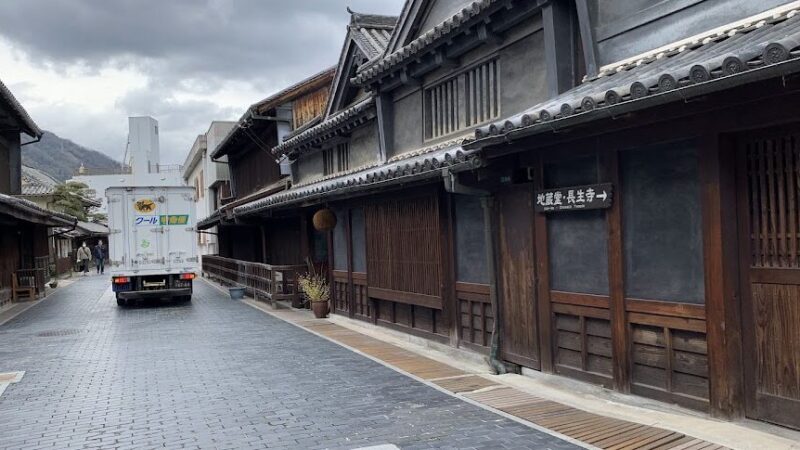
Tomo no Ura is a port town at the southern end of Fukuyama City, Hiroshima Prefecture, facing the Seto Inland Sea. It has long been known as a “tidal port” and is recognized as a picturesque place where Edo-period townscapes and stone-paved alleys still remain.
Located near the center of the Seto Inland Sea, this port played an important role in the era when ships navigated using tidal flows. As a result, many vessels anchored there, and it developed as a lively port town where merchants and travelers came and went.
Director Hayao Miyazaki’s Meeting with Tomo no Ura
In 2005, Director Hayao Miyazaki stayed in Tomo no Ura for approximately two months to conceive a new film. He lodged at the “Tomo no Ura Hot Spring Inn Oufutei,” situated on a high plateau overlooking the port, and reportedly spent each day sketching while walking through the town.
The director was captivated by Tomo no Ura’s intricate alleys, slopes, ships floating in the harbor, and above all, the serene landscape of the Seto Inland Sea. The inspiration gained during this stay became the foundation for the world of “Ponyo on the Cliff by the Sea,” which was released in 2008.
The Relationship Between “Ponyo on the Cliff by the Sea” and Tomo no Ura
While Studio Ghibli has not officially stated that “it was modeled after a specific location,” it is widely recognized that Tomo no Ura was an important source of inspiration, based on the fact of Miyazaki’s stay and the similarities between landscapes appearing in the film and the town.
The atmosphere of the port town depicted in the film, the narrow alleys, slopes, and the landscape where sea and town are integrated, share many features with Tomo no Ura. In particular, many fans point out that the view of the harbor seen from the cliff-top house where the protagonist Sosuke lives is remarkably similar to Tomo no Ura’s topography.
Complete Guide to Tomo no Ura’s Pilgrimage Spots
1. Taichoro (Opposing Tide Tower)
Taichoro is the guest hall of Fukuzen Temple, built in the Edo period and designated as a national historic site. The view of the Seto Inland Sea from here is praised as “Nittou Daiichi Keishou” (Japan’s most beautiful scenic spot), and it is said that Korean envoys also admired it.
This location, from which one can view the harbor and sea from a high plateau, is popular as a spot where visitors can feel the world of Ponyo. The calm sea viewed from the tatami room evokes scenes from the film.
Access Information:
- Address: 2 Tomo-cho, Fukuyama City, Hiroshima Prefecture
- Business Hours: 8:00–17:00
- Admission: Adults ¥200, Junior and Senior High School Students ¥150, Elementary School Students ¥100
2. Joyacho (Eternal Night Lantern)
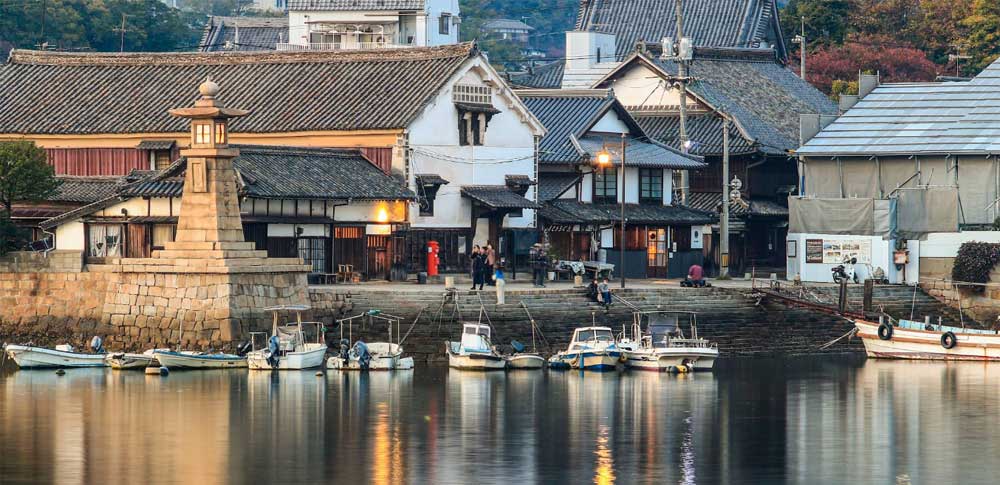
The Joyacho, a symbol of Tomo no Ura, is a stone lantern built in 1859. Standing approximately 5.5 meters tall, it is said to be one of the largest existing Edo-period lanterns in Japan.
This lantern, standing on the harbor’s pier, glows softly at night, creating a nostalgic atmosphere. For Ponyo fans, it is an unmissable photography spot as a symbol of the port town.
Photography Tips:
- Sunset photography is recommended
- Capturing the lantern, harbor, and boats together creates a photo close to Ponyo’s world view
3. Tomo Harbor and Sensui Island (Sensuijima)
Tomo Harbor is believed to be the model for the harbor depicted in the film. The landscape of small fishing boats moored and gentle waves washing ashore is exactly the setting of Ponyo.
Sensui Island, approximately 5 minutes away by ferry from the harbor, is part of the Seto Inland Sea National Park with beautiful remaining nature. From the island, one can view Tomo no Ura’s townscape from the sea side, allowing visitors to enjoy the pilgrimage site from a different angle than the film.
Ferry Information to Sensui Island:
- Operating Hours: 5:30–22:30 (approximately every 30 minutes)
- Fares: Adults ¥240 one-way, ¥460 round-trip
- Travel Time: Approximately 5 minutes
4. Slopes and Alleys of Tomo no Ura
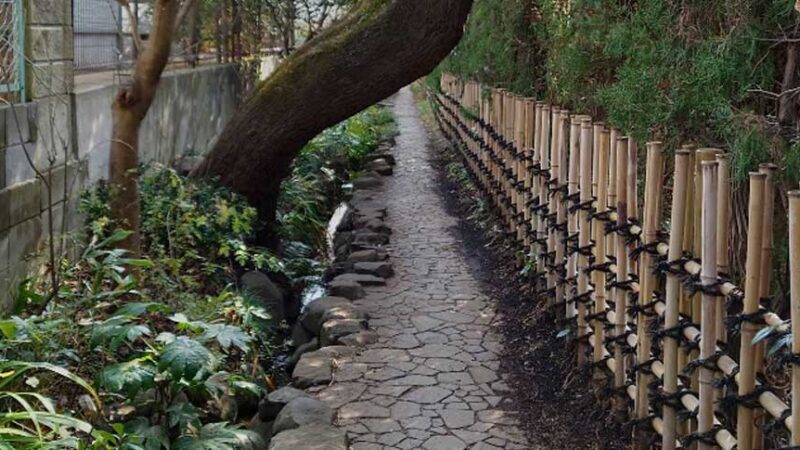
The charm of Tomo no Ura lies in its intricate slopes and narrow alleys. As you climb the stone-paved slopes, the view suddenly opens to reveal the sea—a sensation of stepping into Ponyo’s world.
In particular, the slope leading from the harbor to the high plateau evokes scenes of Sosuke running around. The alleys lined with old houses and stone walls create an atmosphere as if you’ve traveled back in time, making even a simple stroll enjoyable.
Strolling Tips:
- It is recommended to visit wearing comfortable walking shoes
- Since the alleys are narrow, please be considerate of residents’ daily lives while strolling
- Early morning or evening strolls offer a quieter, more charming atmosphere
5. Tomo no Ura Hot Spring Inn Oufutei
This is the hot spring inn where Director Hayao Miyazaki actually stayed. Positioned on a high plateau, guest rooms and outdoor baths overlook the Seto Inland Sea.
The room where the director stayed still exists (not open to the general public), and the scenery visible from this place is said to have greatly influenced the conception of “Ponyo on the Cliff by the Sea.” Even without staying overnight, day bathing is available during certain hours, making it a special experience for Ponyo fans.
Facility Information:
- Address: 136 Tomo-cho, Fukuyama City, Hiroshima Prefecture
- Day Bathing: 11:00–15:00 (please confirm)
- Charges: Approximately ¥1,100 for adults (varies by season)
6. Ioji Temple and Taishi Hall
From high-altitude Ioji Temple, one can see the townscape of Tomo no Ura and the Seto Inland Sea. The view from the surroundings of Taishi Hall in the temple grounds is particularly spectacular and is known as a viewpoint where visitors can feel Ponyo’s world view.
Cherry blossoms in spring and autumn foliage are beautiful, allowing visitors to enjoy seasonal scenery throughout the year. While climbing stone steps is necessary, the view upon arrival is exceptional.
7. Tomo no Ura History and Folklore Museum
This museum allows visitors to learn about Tomo no Ura’s history and culture. Understanding the town’s appearance in the Edo period and its history as a prospering port allows for a deeper understanding of the background of the town that became Ponyo’s setting.
The building itself has historical value, and while viewing exhibits, one can reflect on life during that era.
Access Methods to Tomo no Ura
Access by Train and Bus
From JR Fukuyama Station:
- Take the Tomo Railway Bus bound for “Tomo Harbor” from the south exit of JR Fukuyama Station
- Travel Time: Approximately 30 minutes
- Fare: ¥550 one-way
- Buses operate approximately 2–3 times per hour
Exiting at the final stop, “Tomo Harbor” bus stop, the Joyacho and harbor are within walking distance. You can also enjoy views of the Seto Inland Sea from the bus windows.
From Hiroshima Airport:
- Take a limousine bus from Hiroshima Airport to JR Fukuyama Station (approximately 60 minutes)
- Transfer to the bus mentioned above from Fukuyama Station
Access by Car
Using the Sanyo Expressway:
- Approximately 15 minutes from Fukuyama East IC
- Approximately 30 minutes from Fukuyama West IC
Parking Information:
Tomo no Ura has several parking lots, but since the streets in the town center are narrow, using the public parking lots around the harbor is recommended.
- Tomo no Ura Municipal Parking Lot: ¥450/day for regular vehicles
- Tomo no Ura Tourism Information Center Parking Lot: Free (limited spaces)
Expect congestion on weekends and during peak tourist seasons, so arriving early is recommended.
Access by Ferry
As part of a scenic route touring the islands of the Seto Inland Sea, it is also possible to visit Tomo no Ura by ferry. Routes from Onomichi and other Seto Inland Sea islands are available, offering a special experience of approaching Tomo no Ura from the sea.
Best Season and Time Needed for Tomo no Ura Tourism
Recommended Visiting Periods
Spring (March–May):
The cherry blossom season is particularly beautiful, and the warm weather is ideal for strolling. While Golden Week is crowded, mid-April is recommended.
Summer (June–August):
The Seto Inland Sea’s blue waters are most beautiful during this season. However, heat precautions are essential. Early morning or evening strolls are recommended.
Autumn (September–November):
The weather is mild, making it the optimal season for tourism. Fall foliage is beautiful, and autumn flavors are abundant.
Winter (December–February):
Recommended for those who wish to explore the pilgrimage site quietly with fewer tourists. The Seto Inland Sea viewed in winter’s clear air is also exceptional.
Time Required for Tourism
Half-Day Course (3–4 hours):
A course covering main spots (Joyacho, Taichoro, and harbor area). Sufficient time for a day trip from Fukuyama Station.
Full-Day Course (6–8 hours):
A course including a ferry trip to Sensui Island, leisurely strolling, and dining. Allows visitors to fully experience Tomo no Ura’s appeal.
Overnight Stay Course:
Staying at a hot spring inn and experiencing Tomo no Ura from evening to night and early morning. Visitors can sense the passage of time just as Director Miyazaki did during his stay.
Gourmet and Local Products to Enjoy in Tomo no Ura
Sea Bream Cuisine
Tomo no Ura is known as a famous production area for sea bream. Cuisine made with fresh local sea bream is a must-try delicacy.
- Sea Bream Rice: A specialty dish of Tomo no Ura
- Sea Bream Sashimi: Fresh local sea bream
- Sea Bream Vermicelli: A traditional dish of the Seto Inland Sea
Homei-shu (Longevity Wine)
An herbal liqueur originating from Tomo no Ura with approximately 350 years of history. A sweet-flavored liqueur made by infusing 16 types of medicinal herbs, it is popular as a souvenir.
Multiple breweries exist, each producing it using their own methods, making a tasting comparison enjoyable.
Shirasu and Marine Products
Fresh seafood caught in the Seto Inland Sea is abundant. Especially shirasu (whitebait) is superb and ideal as a souvenir.
Tomo no Ura’s Established Cafes
Cafes created by renovating old houses have increased, allowing visitors to enjoy coffee and sweets in a retro atmosphere. Perfect for taking a break during strolls.
Precautions and Etiquette for Tomo no Ura Tourism
Consideration for Residents
While Tomo no Ura is a tourist destination, it is also a town where local residents actually live. Please observe the following:
- Trespassing on private property is strictly prohibited
- Refrain from photographing residences
- Avoid loud conversations early in the morning or at night
- Always take trash with you
Road Conditions
The alleys of Tomo no Ura are extremely narrow, and vehicle passage is difficult in many places.
- Use walking as the basis for strolling
- If arriving by car, park in the harbor area and explore on foot
- Many one-way streets and dead ends exist, so check map applications
Slopes and Stairs
Accessing high plateaus requires climbing slopes and stairs.
- Visit wearing comfortable walking shoes
- Prepare for hydration
- Take special precautions against heat stroke in summer
Nearby Attractions Around Tomo no Ura
Fukuyama Castle
Fukuyama Castle, located just a 5-minute walk from JR Fukuyama Station, had its main keep undergone major renovations in 2022 and has reclaimed its beautiful appearance. Visiting it along with Tomo no Ura is also recommended.
Onomichi
Approximately 40 minutes by car from Tomo no Ura, Onomichi, known as the “Town of Slopes,” is also a popular tourist destination featured in films. It is also good to visit as part of a tour around the Seto Inland Sea region.
Shimanami Kaido
The Shimanami Kaido, connecting Onomichi to Imabari, is a scenic route linking the islands of the Seto Inland Sea. You can experience the beauty of the Seto Inland Sea through cycling or driving.
Special Ways for Ponyo Fans to Enjoy
Stroll with a Sketchbook
Why not sketch the landscape yourself, just as Director Miyazaki did during his sketching sessions? Drawing helps you feel the town’s charm more deeply.
Tour While Comparing with Film Scenes
Rewatching the film before visiting allows for discoveries like “this scene might be from here,” making the experience more enjoyable. Saving screenshots from the film on your smartphone is also recommended.
Early Morning or Sunset Strolls
Tomo no Ura is particularly beautiful early in the morning or at sunset when there are fewer tourists, allowing you to fully enjoy the quiet port town atmosphere. Staying overnight and experiencing how the scenery changes throughout the day is also lovely.
Interaction with Local People
Talking with locals at shops and eateries can provide information not found in guidebooks and teach you about the town’s history.
Historical and Cultural Value of Tomo no Ura
A Port Town Continuing from the Manyō Era
Tomo no Ura is a historic port mentioned in the Manyōshū (collection of Japanese poetry). The poem “At Tomo no Ura, awaiting the tide, the moon fills…” remains, showing that it was an important port in ancient times.
Korean Envoys and Tomo no Ura
In the Edo period, this was an important port where Korean envoys would stop. Records of the envoys’ stay remain at Taichoro, testifying to its role in international exchange during that era.
Sakamoto Ryoma and Tomo no Ura
In the late Edo period, the ship “Iroha-maru,” which carried Sakamoto Ryoma, collided with a Kii domain vessel off the coast of Tomo no Ura. Negotiations for this “Iroha-maru Incident” took place in Tomo no Ura, making it a place associated with Ryoma.
Selection as an Important Traditional Building Preservation District
Tomo no Ura’s townscape has been recognized for its historical value, and selection as an Important Traditional Building Preservation District is being considered. As a valuable port town preserving the appearance of the Edo period, efforts toward preservation and utilization are progressing.
Seasonal Appeal of Tomo no Ura
Spring in Tomo no Ura
Spring, when cherry blossoms bloom, is one of the most vibrant seasons in Tomo no Ura. When cherry blossoms bloom in full around Ioji Temple and the harbor area, the contrast with the historic townscape is beautiful, attracting many photography enthusiasts.
In May, the “Tomo no Ura Benten Island Fireworks Festival” is held (subject to change by year), with fireworks launched over the Seto Inland Sea creating a magical atmosphere.
Summer in Tomo no Ura
Summer at the Seto Inland Sea is calm, with beautiful contrast between the blue sea and sky. Swimming at Sensui Island or evening relaxation at the harbor can be enjoyed.
Summer festivals are also held, allowing visitors to witness traditional events.
Autumn in Tomo no Ura
Autumn has the mildest weather, making it ideal for strolling. Autumn foliage is beautiful, and the area around Ioji Temple is particularly known as a spectacular foliage viewing spot.
Autumn flavors are also abundant, and cuisine using fresh seafood becomes even more delicious.
Winter in Tomo no Ura
Winter in Tomo no Ura has fewer tourists, allowing one to experience the quiet port town atmosphere. The Seto Inland Sea viewed in winter’s clear air has a different beauty than in summer.
Warming yourself at a hot spring while gazing at the winter sea is also exceptional.
Lodging Information for Visiting Tomo no Ura
Hot Spring Inns
Tomo no Ura has several hot spring inns overlooking the Seto Inland Sea.
- Tomo no Ura Hot Spring Inn Oufutei: The inn where Director Miyazaki stayed
- Scenic Hall Renjutei: Popular for its open-air bath facing the sea
- Hotel Oufutei Annex: Enjoy hot springs at reasonable prices
- Folk Inns and Guest Houses
Increasing numbers of guesthouses created by renovating old houses offer affordable lodging. Exchange with locals is possible, and the homey atmosphere is appealing.
Hotels in Fukuyama City
Around JR Fukuyama Station, numerous accommodations ranging from business hotels to city hotels are available. Using Fukuyama Station as a base for a day trip to Tomo no Ura is also convenient.
Conclusion: Experience the World of “Ponyo on the Cliff by the Sea” in Tomo no Ura
Tomo no Ura, a beautiful port town in Fukuyama City, Hiroshima Prefecture, was the source of inspiration for “Ponyo on the Cliff by the Sea.” Because Director Hayao Miyazaki actually stayed here and created his work’s world view from this town’s scenery, it has become a special place for Ghibli fans worldwide.
Historic townscapes continuing from the Edo period, the calm Seto Inland Sea, intricate alleys and slopes, and ships floating in the harbor—all these elements allow one to experience Ponyo’s world in reality.
Beyond visiting as a pilgrimage site, Tomo no Ura is an attractive tourist destination where visitors can also enjoy its history and culture, delicious cuisine, and hot springs. By all means, take time to stroll leisurely.
You too can experience the atmosphere of the port town where time flows slowly, which the director must have felt in this place. Rewatching the film before visiting will allow you to feel Tomo no Ura’s charm even more deeply.
Walking down slopes (where Ponyo and Sosuke may have run about) while listening to the gentle sound of Seto Inland Sea waves—such a special experience awaits you in Tomo no Ura.