Fleet Collection (Kancolle) is a browser game that began service in 2013, featuring “Kanmusu” (ship girls) who are anthropomorphizations of Imperial Japanese Navy vessels, and continues to captivate many admirals (players). One of the locations that served as a model for the “Chinjufu” (naval base) setting of the game is the Kure Chinjufu, centered in Kure City, Hiroshima Prefecture.
In this article, we provide detailed explanations of pilgrimage spots in Hiroshima Prefecture that every Kancolle fan should visit at least once, from access methods to highlights. We will guide you on a journey where you can touch the history of actual warships and develop a deeper understanding of the stories of the Kanmusu.
Why Hiroshima Prefecture is a Kancolle Sacred Site
Historical Significance of Kure Chinjufu
Kure City prospered as one of the four major Chinjufu of the Imperial Japanese Navy from the Meiji era through the Showa period. Alongside Yokosuka, Sasebo, and Maizuru as important bases, many warships were built and deployed from this location.
The Kure Naval Arsenal in particular is known for building the world’s largest battleship, the Yamato, and many of the Kanmusu featured in Kancolle have deep connections to this place. Many of the beloved Kanmusu, including Yamato and Musashi, as well as Akagi, Kaga, Shoukaku, and Zuikaku, were born in Kure or conducted operations based there.
Collaboration Between Kancolle and Kure City
Kure City actively pursues official collaborations with Kancolle. In 2016, “Kure Chinjufu 130th Anniversary / Japan Heritage Recognition Memorial Kancolle Kure Chinjufu Tour” was held. During this event, character panels were installed at various locations throughout the city, and many admirals visited Kure.
Subsequently, collaborative events have been held regularly, and Kure City has established itself as a “sacred site” for Kancolle fans. Local shopping streets and tourist facilities have an atmosphere of welcoming Kancolle fans, making it safe for first-time visitors to enjoy pilgrimage tourism.
Must-See Spots in Central Kure City
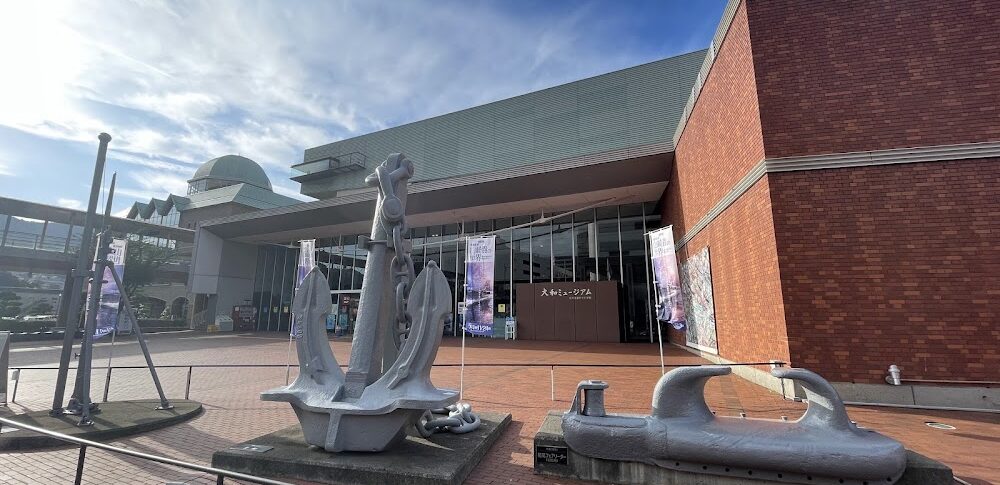
Yamato Museum (Kure City Maritime History Science Museum)
Basic Information
- Address: 5-20 Takaramachi, Kure City, Hiroshima Prefecture
- Opening Hours: 9:00 AM – 6:00 PM (admission until 5:30 PM)
- Closed: Tuesdays (or the following day if a holiday), December 29 – January 3
- Admission: Adults ¥500, High School Students ¥300, Elementary and Junior High School Students ¥200
- Access: About 5 minutes walk from JR Kure Station
Highlights
The Yamato Museum is the most important spot for Kancolle pilgrimage tourism. The museum displays a 1/10 scale model of the battleship Yamato (26.3 meters in length), and many admirals are moved by its overwhelming presence.
In the Yamato Plaza on the first floor, you can observe the precisely recreated bridge and main guns of the Yamato up close. For admirals operating the Yamato in Kancolle, you can appreciate how truly massive the actual ship was compared to its in-game appearance.
The Ship Building Technology Exhibition Room on the third floor displays abundant materials demonstrating the high technical capabilities of the Kure Naval Arsenal. Learning about the technology used to build the Kanmusu deepens your understanding of the game.
The museum shop occasionally sells Kancolle collaborative goods, with many fans visiting to find limited items. The selection of Yamato-related books and models is also extensive, making souvenir shopping enjoyable.
Tetsu no Kujira Museum (Maritime Self-Defense Force Kure Historical Materials Museum)
Basic Information
- Address: 5-32 Takaramachi, Kure City, Hiroshima Prefecture
- Opening Hours: 9:00 AM – 5:00 PM (admission until 4:30 PM)
- Closed: Tuesdays (or the following day if a holiday), December 29 – January 3
- Admission: Free
- Access: About 5 minutes walk from JR Kure Station, next to the Yamato Museum
Highlights
The Tetsu no Kujira Museum is a rare facility where an actual submarine, “Akishio,” is displayed on land. Many submarine Kanmusu appear in Kancolle, making this a valuable opportunity to view the interior of an actual submarine.
The interior is cramped, allowing visitors to experience the harsh conditions under which crew members operated. Viewing the exhibition while imagining the activities of submarine Kanmusu such as I-168, I-19, and I-58 that appear in Kancolle is particularly meaningful.
The museum also has extensive displays on minesweepers and the activities of the postwar Maritime Self-Defense Force. Despite free admission, the content is rich, making a visit in combination with the Yamato Museum highly recommended.
Former Kure Chinjufu Headquarters (Maritime Self-Defense Force Kure Regional Commander Headquarters)
Basic Information
- Address: 8-1 Saiwaicho, Kure City, Hiroshima Prefecture
- Viewing: Exterior only (grounds are off-limits)
- Access: About 15 minutes walk from JR Kure Station, or by bus to “Soukanbu-mae” stop
Highlights
The former Kure Chinjufu Headquarters is currently used as the Maritime Self-Defense Force Kure Regional Commander Headquarters, and interior viewing is not possible, but there is value in seeing the exterior alone. The heavy red brick building was constructed in 1889 (Meiji 22), and it embodies the image of the “Chinjufu” that appears on the Kancolle game screen.
Photography from in front of the main gate is possible, but as it is a military facility, careful attention to photography etiquette is essential. Avoid using telephoto lenses, prolonging your stay, and always follow the instructions of security personnel.
Occasionally, general public opening days are held, at which time you can enter the grounds. The schedule can be confirmed on the official website of the Maritime Self-Defense Force Kure Regional Commander Headquarters, so if the timing works out, please try to participate.
Kure City Naval Cemetery
Basic Information
- Address: Naganoki-cho, Kure City, Hiroshima Prefecture
- Open: Always accessible
- Admission: Free
- Access: From JR Kure Station by bus to “Nagatako,” then about 10 minutes walk
Highlights
The Kure City Naval Cemetery is where officers and personnel of the Imperial Japanese Navy rest. Many who served on warships featured in Kancolle are buried here, and admirals can be seen praying quietly.
From the cemetery, you can overlook Kure Port, seeing the sea from which the Kanmusu once departed. Rather than a tourist destination, this is a place for remembrance, so visitors should approach with a reverent spirit and observe proper etiquette.
Cherry blossoms bloom beautifully in spring, and in the quiet environment, you can reflect on the history of the Kanmusu and actual warships.
Sacred Sites Around Kure City
Arei Karasukkojima (Submarine Wharf)
Basic Information
- Address: Showa-cho, Kure City, Hiroshima Prefecture
- Open: Always accessible
- Admission: Free
- Access: By bus from JR Kure Station to “Sensuuitai-mae,” immediate vicinity
Highlights
Arei Karasukkojima is one of Japan’s rare spots where you can see active submarines up close. Maritime Self-Defense Force submarines are moored here, and their enormous size and power are awe-inspiring.
Developed as a park, you can sit on benches and view the submarines. This is a must-see spot for admirals who like submarine Kanmusu, and photography is freely available (however, refrain from detailed photography with telephoto lenses).
Nearby is the boarding point for “Kure Ship Sightseeing,” where you can participate in a cruise to view Kure’s ships from the sea. The cruise takes approximately 35 minutes, offering a valuable experience of viewing escort ships and submarines from the water.
Oto Strait and Oto Bridge
Basic Information
- Address: Kegoya, Kure City, Hiroshima Prefecture
- Access: By bus from JR Kure Station for approximately 30 minutes, get off at “Oto Watasenfuguchi”
Highlights
The Oto Strait separates Honshu and Kurashiki Island and is known for its fast currents. The beautiful red Oto Bridge is an iconic symbol of Kure and has served as a model for Kancolle event sea areas.
From the observation deck, you can see a panoramic view of the Seto Inland Sea, observing the waters where warships once navigated. The scenery at sunset is particularly beautiful and is popular as a photography spot.
Nearby is a stone monument of the “Hikizaki Legend,” where it is said that Taira no Kiyomori cut through the strait in a single day, and historical exploration is also enjoyable.
Etajima – Former Naval Academy (Maritime Self-Defense Force 1st Service School)
Basic Information
- Address: Kuniyou-muban, Etajima-cho, Etajima City, Hiroshima Prefecture
- Viewing: Guided tours by advance reservation only
- Tour Times: 3 times on weekdays, 4 times on weekends/holidays (approximately 1 hour 30 minutes each)
- Participation Fee: Free
- Access: About 20 minutes by ship from Kure Port, about 10 minutes walk from Etajima Port
Highlights
The former Naval Academy on Etajima was an educational institution that trained the captains and crew members of the Kanmusu featured in Kancolle. Currently operated as the Maritime Self-Defense Force 1st Service School, you can participate in guided viewing tours with advance reservation.
The beautiful red brick school buildings are Meiji-era architecture with high historical value, impressing visitors. The Educational Reference Museum displays valuable materials related to the Imperial Japanese Navy, a treasure trove for Kancolle fans.
Particularly, the section displaying the last letters and belongings of special attack unit members causes visitors to contemplate the tragedy of war and the value of peace anew. Viewing requires identification, and reservations are mandatory, so please confirm details on the official website before visiting.
Kancolle-Related Kanmusu and Hiroshima Prefecture
Battleships “Yamato” and “Musashi”
The representative battleship Kanmusu Yamato and Musashi were both built at the Kure Naval Arsenal. Yamato was completed on December 16, 1941, and Musashi was built at Mitsubishi Heavy Industries Nagasaki Shipyard, but both have deep connections to Kure.
At the Yamato Museum, you can learn about how a massive factory was built for secrecy at the time of construction and the efforts of engineers who built the world’s largest battleship. The Yamato, sometimes called a “hotel” in-game, was actually a crystallization of the highest technology of the time.
Aircraft Carriers “Akagi” and “Kaga”
Akagi and Kaga, which comprised the First Carrier Division, are also warships with deep ties to Kure. In particular, Akagi underwent large-scale refurbishment at the Kure Naval Arsenal and was transformed from its three-flight-deck configuration to the form now known.
The Yamato Museum also features carrier-related displays, allowing you to learn how aircraft carriers as a warship type developed. This exhibition is especially recommended for admirals whose main fleet consists of carriers.
Heavy Cruiser “Atago” and “Takao”
Atago and Takao of the Takao-class heavy cruisers were also built in Kure. While Atago is famous in Kancolle for the line “Panpaka Paan!,” the actual ship was an elite warship that saw action in the First Solomon Islands Campaign.
Reference museums in Kure provide detailed information on the development of heavy cruisers and their combat records.
Destroyers “Yukikaze” and “Shigure”
Yukikaze, known as the “Miracle Destroyer,” and Shigure, who alongside Yukikaze earned the reputation “Yukikaze of Kure, Shigure of Sasebo,” also conducted operations based in Kure. Yukikaze in particular survived numerous fierce battles and remained moored in Kure until being transferred to the Republic of China after the war.
The Tetsu no Kujira Museum and Yamato Museum display the roles and combat records of destroyers, allowing visitors to reappreciate the activities of the small but crucial destroyer Kanmusu.
Model Courses for Pilgrimage Tourism
Day Trip Course (Central Kure City)
9:00 AM Arrival at JR Kure Station
About 30 minutes from Hiroshima Station via the Kure Line, or about 45 minutes from the Hiroshima Bus Center via express bus.
9:30 AM – 12:00 PM Yamato Museum
Thorough viewing takes over 2 hours. Using an audio guide is also recommended.
12:00 PM – 1:00 PM Lunch
Enjoy Kure specialties such as “Navy Curry” or “Kure Cold Noodles.” The café in the Yamato Museum or nearby restaurants are convenient.
1:00 PM – 2:30 PM Tetsu no Kujira Museum
Despite free admission, this facility is full of content. Viewing the interior of the submarine is a must-see.
2:45 PM – 3:30 PM Former Kure Chinjufu Headquarters
Viewing is exterior only, but don’t forget to take a commemorative photo.
3:45 PM – 4:30 PM Arei Karasukkojima
Travel by bus and view active submarines. If time permits, participating in the Kure Ship Sightseeing cruise is also recommended.
5:00 PM Shopping and dinner around Kure Station
Purchase Kancolle merchandise and Kure souvenirs, then have dinner before returning to Hiroshima.
1 Night, 2 Day Course (Kure City + Etajima)
Day 1
- Morning: Visit the Yamato Museum and Tetsu no Kujira Museum as per the day trip course above
- Afternoon: Extend to Arei Karasukkojima and the Oto Strait
- Evening: Stay at a hotel in Kure City
Day 2
- Morning: Travel by ship from Kure Port to Etajima, participate in the former Naval Academy viewing tour (advance reservation required)
- Afternoon: Explore the Naval Academy Reference Museum and surrounding areas on Etajima
- Evening: Return to Hiroshima via Kure Port, or visit the Kure City Naval Cemetery
This course allows you to leisurely visit major spots in Kure and Etajima.
2 Night, 3 Day Course (Hiroshima Prefecture + Extensions)
With ample time, combining sightseeing in Hiroshima City, Okunoshima Island (Rabbit Island) in Takehara City, Onomichi, and other areas creates a more enriching experience.
Access Information
From Hiroshima Airport
- Limousine bus to Hiroshima Station (approximately 45 minutes), then JR Kure Line to Kure Station (approximately 30 minutes)
- Or, limousine bus directly to Kure Station (approximately 50 minutes, limited service)
When Using the Shinkansen
- Get off at Hiroshima Station and take the JR Kure Line rapid train to Kure Station (approximately 30 minutes)
- Or, take the “Kure Line” express bus from Hiroshima Bus Center to Kure Station (approximately 45 minutes)
By Car
- From Hiroshima City via Route 31 (approximately 40 minutes)
- From Yamada Expressway “Hiroshima East IC” (approximately 40 minutes)
- Multiple paid parking lots are available around the Yamato Museum
Movement Within Kure City
Kure City has a well-developed bus network operated by “Kure City Bus” and “Hiroden Bus.” Purchasing a one-day pass (approximately ¥500) is convenient. Most major spots are within walking distance, so touring on foot is also possible.
Rental bicycles are also available and can be rented at the Kure Station front tourist information desk. Electric-assist bicycles make navigating Kure City’s many hills more comfortable.
Accommodation Information
Hotels in Kure City
- Kure Hankyu Hotel: 5 minutes walk from Kure Station, convenient location near the Yamato Museum
- Claydon Bay Hotel: Hotel facing Kure Port, rooms with ocean views available
- Comfort Hotel Kure: Affordable and clean, complimentary breakfast service
- Business Hotel Seifuu: Community-focused business hotel, good value for money
Expect crowding on weekends and during Kancolle collaboration event periods, so early booking is recommended. Alternatively, you can stay in Hiroshima City and make a day trip to Kure.
Dining Information
Navy Curry
A must-try when visiting Kure is “Navy Curry,” which recreates recipes from the Imperial Japanese Navy, with each establishment adding its own original touches. The “Yamato” café within the Yamato Museum also serves it and is popular with Kancolle fans.
Kure Cold Noodles
“Kure Cold Noodles,” known as a local Kure specialty, is a unique dish of flat Chinese noodles with a sweet vinegar sauce. Particularly popular in summer, it is served at Chinese restaurants throughout the city.
Birthplace of Nikujaga
Kure City is said to be the birthplace of “Nikujaga” (beef and potato stew), though this is disputed with Maizuru, Kyoto Prefecture. Supposedly devised by Admiral Togo as ship cuisine, it is served as Navy-related food at restaurants throughout the city.
Oyster Dishes
Hiroshima Prefecture boasts Japan’s highest oyster production, and fresh oyster dishes are available around Kure City. Seasonal in winter, but oyster fries and oyster hot pot are exquisite.
Souvenirs and Merchandise Information
Yamato Museum Shop
Kancolle collaborative goods are occasionally sold, but since this is not constant, confirm availability at the time of your visit. Yamato-related books, models, and stationery are well-stocked and enjoyable even for non-Kancolle fans.
Shopping Streets in Kure City
Shopping streets around Kure Station occasionally sell limited merchandise during Kancolle collaboration events. Even normally, stores carrying naval merchandise and Kure souvenirs are available, making exploration enjoyable.
Recommended Souvenirs
- Kure Navy Curry (Retort): Allows you to recreate navy curry at home
- Yamato Merchandise: Keychains, clear files, T-shirts, and more
- Kure Cold Noodles (Dried Noodles): Enjoy Kure’s flavor at home
- Ship Models: From plastic models to precision models, diverse selection
Pilgrimage Tourism Etiquette and Manners
Photography Etiquette
- Near active Self-Defense Force facilities such as the former Kure Chinjufu Headquarters and Arei Karasukkojima, careful attention to photography is necessary
- Avoid detailed photography with telephoto lenses, limiting yourself to ordinary commemorative photos
- Always follow instructions from security personnel and Self-Defense Force members
Manners at Commemorative Sites
- The Kure City Naval Cemetery is a place for remembrance, not a tourist destination
- Refrain from loud conversation and disrespectful behavior
- Always take your trash with you and observe silence when paying respects
Consideration for Local Residents
- Avoid loud voices and early morning or late-night activities in residential areas
- Do not trespass on private property without permission
- Remember that these are spaces where local people live and conduct their lives
Crowd Management During Events
- The Kancolle collaboration event period experiences significant crowding
- Early reservations for accommodations and restaurants are essential
- Leave extra time for travel as public transportation will also be congested
How to Obtain Kancolle Event Information
Official Information Sources
- Kancolle Official Twitter: Latest collaboration information is announced first here
- Kure City Tourism Association Official Website: Confirm event information in Kure City
- Yamato Museum Official Website: Special exhibitions and event information are posted
Fan Communities
In Kancolle fan SNS communities and blogs, pilgrimage reports and latest information are shared. Checking before your visit yields information on efficient pilgrimage routes and hidden gems.
Nearby Tourist Attractions
Hiroshima City
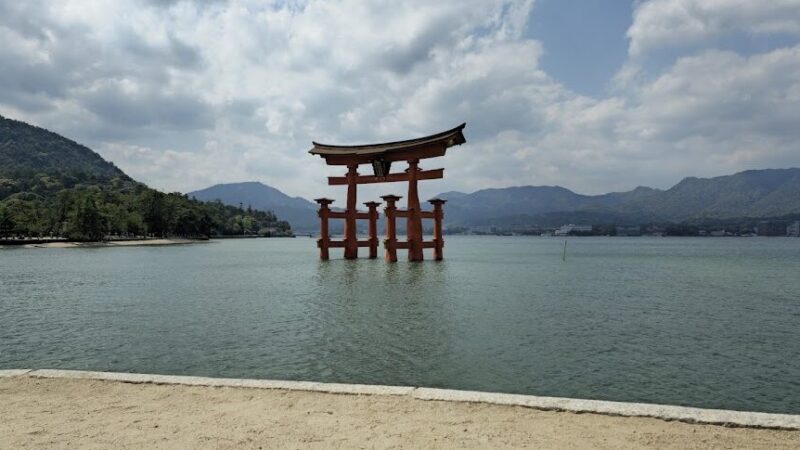
Hiroshima City is approximately 30 minutes by train from Kure. It features numerous tourist attractions including the Atomic Bomb Dome, Peace Memorial Park, and Miyajima (Itsukushima Shrine), which are among the world’s heritage sites. Enjoying Hiroshima sightseeing alongside pilgrimage tourism is recommended.
Takehara City
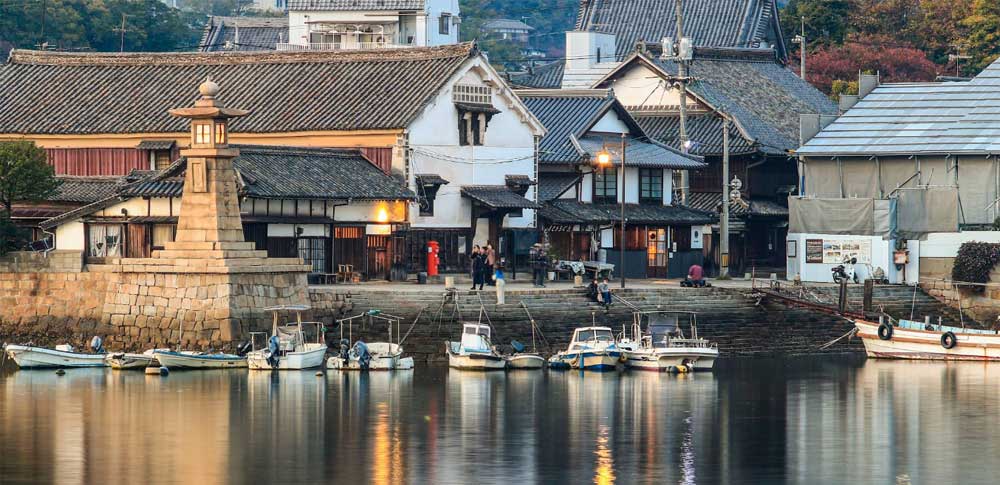
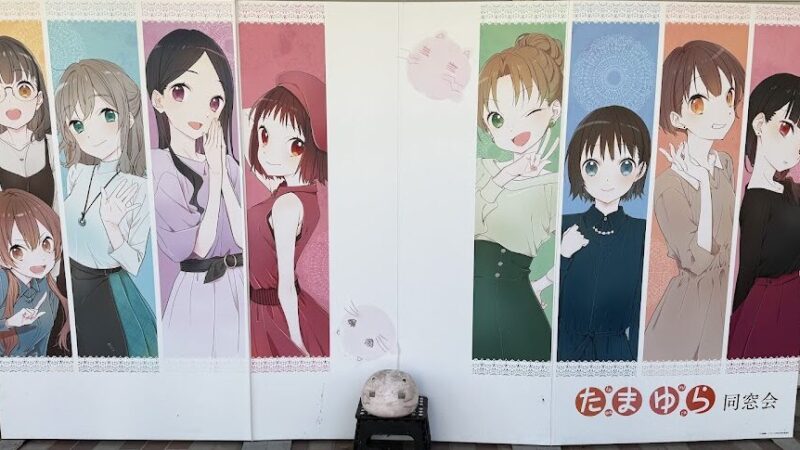
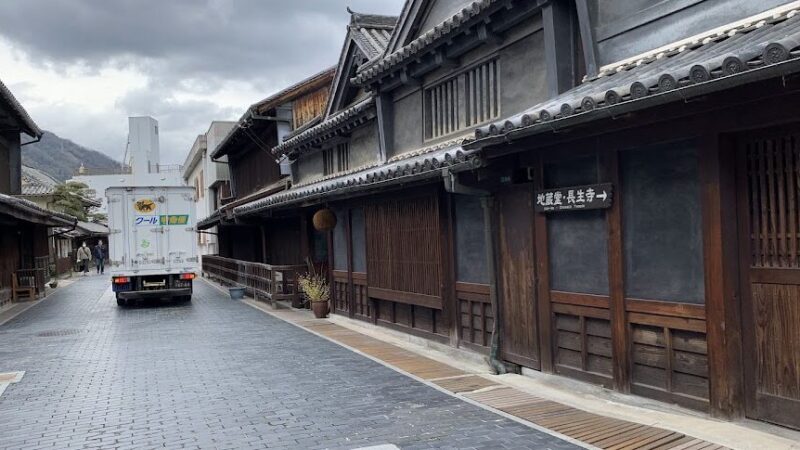
Takehara City, called the “Little Kyoto of Aki,” is a tourist destination known for its beautiful old streetscapes. It is also known as the sacred site of the anime “Tamayura.” About 40 minutes by car from Kure.
Shimanami Kaido
The Shimanami Kaido, which connects the Seto Inland Sea islands, is famous as a cycling mecca. About 1 hour by car from Kure, it offers spectacular scenic drives and cycling experiences.
Conclusion: What You Gain from Kancolle Pilgrimage Tourism
Kancolle pilgrimage tourism centered on Kure City, Hiroshima Prefecture, carries meaning beyond typical game fan tourism. You can feel firsthand the history of actual warships, the efforts of engineers and crew members of the time, and the tragedy of war and the value of peace.
Understanding the actual warships behind the Kanmusu that you have come to know in-game—where they were born, how they were deployed, and what became of them—deepens your understanding and affection for Kancolle as a game.
When looking up at the 1/10 scale Yamato in the Yamato Museum, when walking through the cramped interior of a submarine at the Tetsu no Kujira Museum, when standing before the former Kure Chinjufu Headquarters, admirals may hear the “voice” of the Kanmusu.
Kure City warmly welcomes Kancolle fans. If you observe proper etiquette and approach the sacred sites with reverence, it will surely become an unforgettable memory. Why not plan a pilgrimage to Kure City, Hiroshima Prefecture for your next vacation?
Admirals, we await you at Kure Chinjufu!