What is Tamayura? A Healing Anime Set in Takehara City, Hiroshima Prefecture
“Tamayura” is a Japanese anime work directed by Junichi Sato, a heartwarming story set in Takehara City, Hiroshima Prefecture. It depicts the growth of the protagonist Kaede Sawatari as she takes photographs around the town of Takehara with a Rolleiflex camera, a keepsake from her late father.
The OVA “Tamayura” was released in 2010, and the first season of the television anime “Tamayura ~hitotose~” aired in 2011. Afterwards, the second season “Tamayura ~more aggressive~” aired in 2013, and a four-part theatrical series was released from 2015 to 2016, becoming a work beloved by many fans.
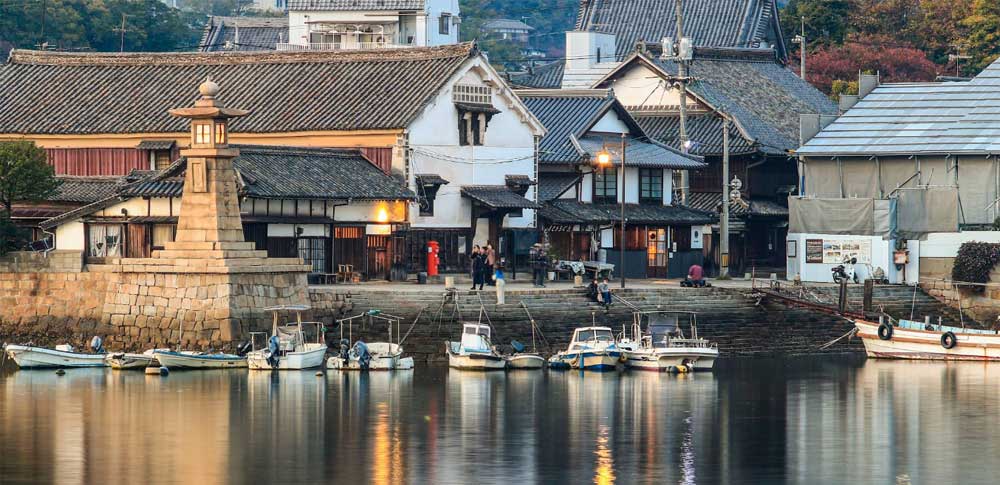
The greatest charm of the work is how carefully the real landscapes of Takehara City are depicted. The old town streets, the calm scenery of the Seto Inland Sea, and the warmth of local people wrap around the entire work, giving viewers deep healing and comfort.
Takehara City, Hiroshima Prefecture | The Little Kyoto of the Seto Inland Sea
History and Culture of Takehara City
Takehara City is a quiet town of approximately 25,000 people located in the southern part of Hiroshima Prefecture along the Seto Inland Sea coast. Also called the “Little Kyoto of Aki,” it retains historic townscapes that flourished from the Edo period through salt production and sake brewing.
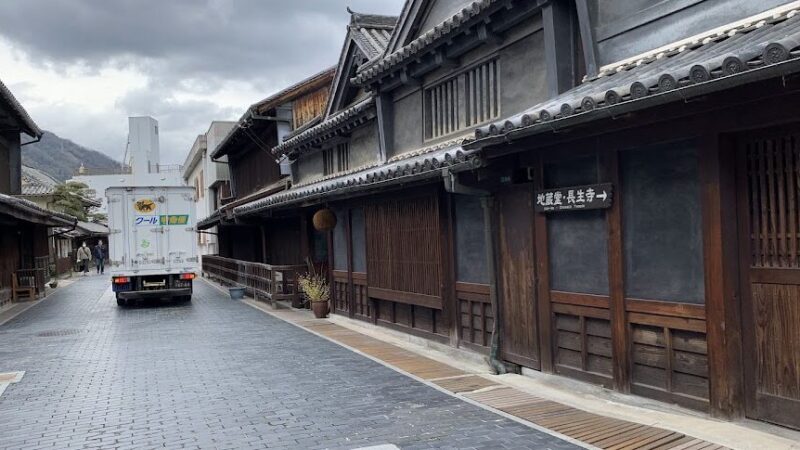
In particular, the “Takehara Townscape Preservation District” has been designated as a National Important Preservation District for Historic Buildings and Structures, maintaining beautiful scenery with latticed-window merchant houses, white-walled storehouses, and temples and shrines. This historic townscape was a major reason why “Tamayura” chose this location as its stage.
How to Access
By Train
- Get off at Takehara Station on the JR Kure Line
- About 45 minutes from Hiroshima Station, about 20 minutes from Mihara Station
- About 15 minutes walk from the station to the townscape preservation district
By Car
- About 20 minutes from “Kawachi IC” on the Sanyo Expressway
- About 25 minutes from “Hongo IC” on the Sanyo Expressway
- Parking is available at Michi-no-Eki Takehara and municipal parking lots
By Bus
- About 30 minutes from Hiroshima Airport on Geiyō Bus
Tamayura Pilgrimage Sites | Main Location Spots
Takehara Townscape Preservation District
The historic townscape area that became the center stage of the work. The stone-paved roads where Kaede and her friends walked daily, old houses with latticed windows, white-walled storehouses, and other elements actually exist, allowing you to enjoy scenery just as it appears in the anime.
Points of Interest
- Honmachi Street: Main street featuring many scenes
- Hutokudō: Model of the place where Kaede’s group gathered
- Shōren-ji Temple: Beautiful views of the townscape from the temple grounds
Shōkei-no-Michi (Path of Yearning)
The largest event in Takehara City held every late October. The entire townscape preservation district is illuminated by approximately 1,000 bamboo lanterns, creating a fantastical atmosphere. It also served as the stage for important scenes in “Tamayura,” and after the work’s release, many anime fans have come to visit.
Takehara Seaside Station
A tourist facility facing the Seto Inland Sea that also appears in the work. You can purchase fresh local seafood and specialty products, and the restaurant offers dishes using Seto Inland Sea delicacies. The scenery along the sea embodies the healing atmosphere of the work.
Saiho-ji Temple and Fumeikaku Pavilion
A representative tourist attraction in Takehara City that appears as an important location in “Tamayura.” From the Fumeikaku Pavilion on a high plateau, you can overlook Takehara’s townscape and the Seto Inland Sea, bringing to mind the scenes where Kaede took photographs in the work. The scenery at dusk is particularly breathtakingly beautiful.
Visiting Information
- Visiting Hours: 9:00 – 17:00
- Admission Fee: 200 yen for adults
- Time Required: Approximately 30 minutes
Asahi Mountain
A model of a scenic viewpoint that Kaede and friends often visited. From the summit you can see the Takehara cityscape and the islands of the Seto Inland Sea, and on clear days you can even see Shikoku. The mountain trail is well-maintained and takes approximately 30 minutes to climb one way.
Michi-no-Eki Takehara
A roadside station along National Route 185, convenient as a base for Takehara tourism. Local agricultural products and specialty items are available, and you can also obtain tourism information. A similar place appears in the work and has become a popular stop for fans.
Takehara Station
The station where Kaede arrived in Takehara from Yokohama. A small station on the JR Kure Line, but for fans of the work it is the starting point of pilgrimage. There is also a tourist information office in front of the station where you can obtain a pilgrimage map.
Traces of Tamayura | Anime-Related Facilities in Takehara City
Tamayura Pilgrimage Map
The Takehara City Tourism Association distributes a “Tamayura” pilgrimage map. This detailed map allows you to cross-reference locations that appear in the work with actual filming sites, making it possible to tour efficiently. It is available at the tourist information office in front of Takehara Station and at Michi-no-Eki Takehara.
Collaboration with Local Shopping Streets
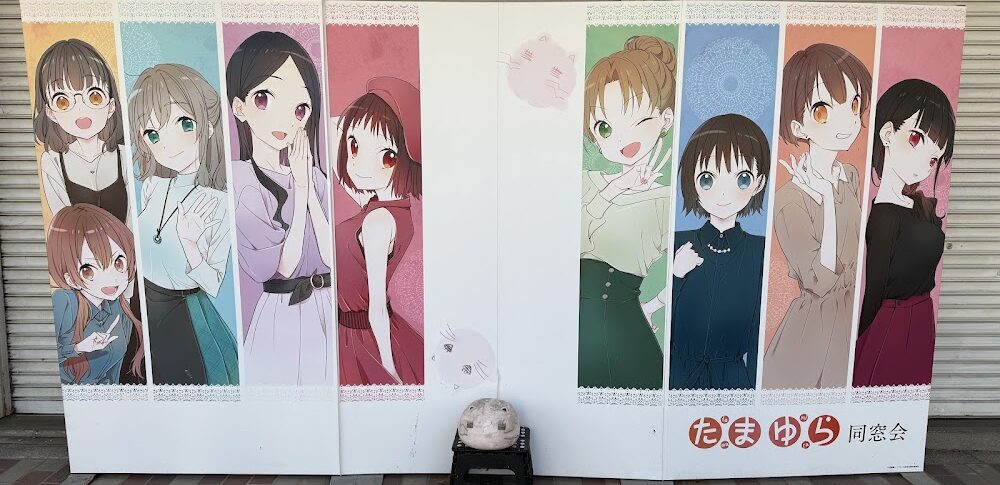
During the broadcast of the work, shopping streets in the townscape preservation district collaborated with “Tamayura,” installing character panels and selling original merchandise. Currently, some shops still handle related products, and interaction with fans continues.
Events and Fan Activities
Takehara City has regularly held events for “Tamayura” fans. Voice actor talk shows, stamp rallies, photo exhibitions, and other events have been held, strengthening the connection between the work and the region.
Gourmet in Takehara City | Foods That Appeared in Tamayura
Taketsuru Sake Brewery
A sake brewery that appears as an important location in “Tamayura.” It is also known as the birthplace of Masataka Taketsuru, the protagonist of the NHK asadora “Massan.” The sake “Koshizaya Taketsuru” is highly regarded nationwide, and tours and tastings are available.
Visiting Information
- Touring Hours: By reservation required
- Retail Shop Hours: 9:00 – 16:30
- Closed: Sundays and holidays
Fujii Sake Brewery
Another major sake brewery representing Takehara. It produces the premium sake “Ryūsei” and offers sake brewery tours and tasting experiences. Located within the townscape preservation district, it also has value as a historic building.
Local Seafood Cuisine
Facing the Seto Inland Sea, Takehara offers fresh seafood delicacies. Oysters, octopus, and sea bream are particularly famous, bringing to mind the dining scenes that appeared in the work.
Recommended Restaurants
- Restaurant inside Takehara Seaside Station
- Dining establishments around the townscape preservation district
- Local set meal restaurants
Takehara Bamboo Crafts and Specialty Products
Bamboo crafts, which are also the origin of the name Takehara, are a specialty. Small bamboo craft items and bamboo charcoal products are popular as souvenirs. Also famous is “Kaito no Mozio” salt, which was born from the history of salt fields, and scenes of salt-making appear in the work.
Best Seasons for Pilgrimage and Model Courses
Recommended Seasons
Spring (March – May)
The cherry blossom season makes the townscape even more beautiful, and the mild weather is ideal for walking tours.
Autumn (October – November)
Late October when “Shōkei-no-Michi” is held is the best season. The autumn leaves are also beautiful, and you can feel the atmosphere of the work most strongly during this period.
Summer (June – August)
The season when the blue sea and sky of the Seto Inland Sea are beautiful. However, heat precautions are essential.
Winter (December – February)
Fewer tourists allow you to tour the pilgrimage sites peacefully. The cold is not severe, and the winter townscape has its own charm.
One-Day Model Course
Morning
- 9:00 Arrive at Takehara Station, obtain pilgrimage map at tourist information office
- 9:30 Visit Saiho-ji Temple and Fumeikaku Pavilion to view the townscape
- 10:30 Tour the townscape preservation district (Honmachi Street, Hutokudō, etc.)
- 11:30 Visit Taketsuru Sake Brewery or Fujii Sake Brewery
Afternoon
- 12:30 Lunch at a local restaurant
- 14:00 Enjoy the scenery of the Seto Inland Sea at Takehara Seaside Station
- 15:00 Climb Asahi Mountain (depending on fitness level)
- 16:30 Purchase souvenirs at Michi-no-Eki Takehara
- 17:00 Depart from Takehara Station
Accommodation Plans
There are several inns and hotels in Takehara City, making it possible to stay and relax. With an overnight stay, you can also enjoy the quiet townscape at dusk and early morning, allowing you to immerse yourself more deeply in the world of “Tamayura.”
The Impact of Tamayura on Takehara City
A Success Story of Anime Tourism
“Tamayura” is noted as a success story of how an anime work contributes to regional revitalization. After the work’s broadcast, the number of tourists visiting Takehara City increased significantly, particularly among younger visitors.
Good Relationship Between Region and Fans
The relationship between Takehara City and “Tamayura” fans is excellent, and local residents warmly welcome anime fans. This relationship of mutual respect has created a sustainable pilgrimage culture.
Increased Interest in Townscape Preservation
Through the work, the value of Takehara’s historic townscape has been reappreciated, and interest in preservation activities has also increased. It has become an opportunity for younger generations to take interest in traditional Japanese townscapes.
Manners and Requests for Pilgrimage Sites
Consideration for Residents
The townscape preservation district is both a tourist destination and a place where local residents live. Please observe the following manners.
- Do not speak loudly or make noise
- Do not trespass on private property without permission
- Be considerate of surroundings when taking photographs
- Always take trash with you
- Avoid visiting early morning or late at night
Precautions When Taking Photographs
- Obtain permission before photographing shops or private homes
- Be considerate if people appear in photographs
- Use of tripods should not inconvenience others
- Photography on roads should not obstruct traffic
Contribution to Local Economy
During pilgrimage, you can contribute to the local economy by using local restaurants and shops. Through souvenir purchases and dining, you can further discover the charm of Takehara City.
Attractions in Takehara City Beyond Tamayura
Historic Buildings
- Former Matsusaka Residence: A wealthy merchant’s mansion from the Edo period
- Former Kasai Residence: A merchant house that prospered in the salt production industry
- Shōren-ji Temple: Takehara’s oldest temple
Natural Scenery
- Bamboo Joy Highland: A park with a bamboo theme
- Matoba Beach: A calm Seto Inland Sea beach
- Kamo River Riverside Walking Path: Enjoy nature in all seasons
Cultural Experiences
- Bamboo Craft Experience: Touch traditional crafts
- Sake Brewery Tours: Learn the sake-making process
- Salt-Making Experience: Experience the history of salt production
Nearby Tourist Attractions
Ōkunoshima (Rabbit Island)
About 15 minutes by ferry from Tadanoumi Port in Takehara City. A popular domestic and international tourist destination known for its many wild rabbits. It also appears in “Tamayura,” with a scene where Kaede and friends visit the island.
Onomichi City
About 40 minutes by car from Takehara, this hillside town is famous as the setting for anime and films, and many fans visit both locations.
Kure City
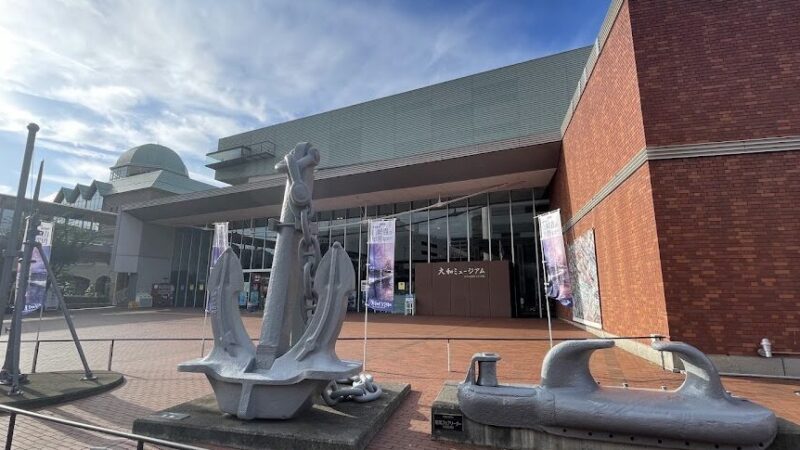
Known as a naval town, Kure City is about 30 minutes from Takehara by train. It is rich with attractions including the Yamato Museum and the Japan Maritime Self-Defense Force Kure Museum.
Conclusion | The Lasting Bond Between Tamayura and Takehara City
“Tamayura” is a work that, set in the real town of Takehara City in Hiroshima Prefecture, depicts connections between people through photography, growth, and healing. Through the work’s careful depiction, the beautiful townscape and warm atmosphere of Takehara City became known throughout the country.
Through pilgrimage sites, anime fans can experience the world of the work firsthand, while simultaneously touching the history and culture of Takehara City and the warmth of local people. This is not merely tourism, but a special cultural exchange nurtured together by the work and the region.
When visiting Takehara City, like Kaede in “Tamayura,” walk slowly through town, gaze at the calm scenery of the Seto Inland Sea, and cherish encounters with local people. You will surely feel the “tamayura” moment—the brilliance of an irreplaceable instant—that the work sought to convey.
Together with the anime “Tamayura,” Takehara City will continue to provide healing and emotion to many people going forward. Please, visit this beautiful Little Kyoto of the Seto Inland Sea at least once and find your own “tamayura.”