Introduction: Zatsu Tabi and the Charm of Mie Prefecture
“Zatsu Tabi -That’s Journey-” is a unique anime work in which the protagonists Chika and Riri travel throughout Japan based on SNS survey results. In Episodes 7 and 8, the Ise-Shima area of Mie Prefecture becomes the stage, featuring many tourist spots including Ise Grand Shrine, a sacred site representing Japan, the Meoto Iwa rocks at Futami UraCCF, and Oharaimachi shopping street.
In this article, we provide a chronological introduction to sacred sites in Mie Prefecture that appeared in the anime, with thorough explanations of access methods, travel time, and recommended routes for actual pilgrimage. This information-packed guide will be useful not only for fans but also for those planning tourism in Mie Prefecture.
What is Zatsu Tabi -That’s Journey-?
“Zatsu Tabi -That’s Journey-” is based on a travel essay manga by Kenta Ishizaka and was adapted into a television anime in 2024. The protagonists Chika and Riri decide their destinations according to SNS survey results, enjoying unexpected places and encounters, creating content that sets itself apart from conventional travel works.
The appeal of the work lies in rediscovering the charm of various locations from a “zatsu” (miscellaneous/casual) perspective not found in tourist guidebooks. In the Mie Prefecture edition, while visiting Ise Grand Shrine, one of Japan’s most prominent sacred sites, they also explore local restaurants and surprising hidden gems, depicting Mie Prefecture’s charms from multiple angles.
Overview of the Mie Prefecture Edition and Featured Episodes
Mie Prefecture appears in Episode 7 “A Town Where You Can Meet Gods? And…” and Episode 8. Chika and Riri had planned a trip to the Ise Bay area, but when Riri suggests “let’s go meet the gods,” they head to Ise City in Mie Prefecture.
The work carefully depicts major tourist spots in the Ise-Shima area including the Outer and Inner Shrines of Ise Grand Shrine, restaurants along the approach, Oharaimachi shopping street, and the Meoto Iwa rocks at Futami Ura. The story also unfolds with unique episodes characteristic of Zatsu Tabi, including interactions with local people and mysterious encounters with gods (perhaps?).
Detailed Explanations of Pilgrimage Spots
Shirako Fishing Port (Shirako Gyoko)
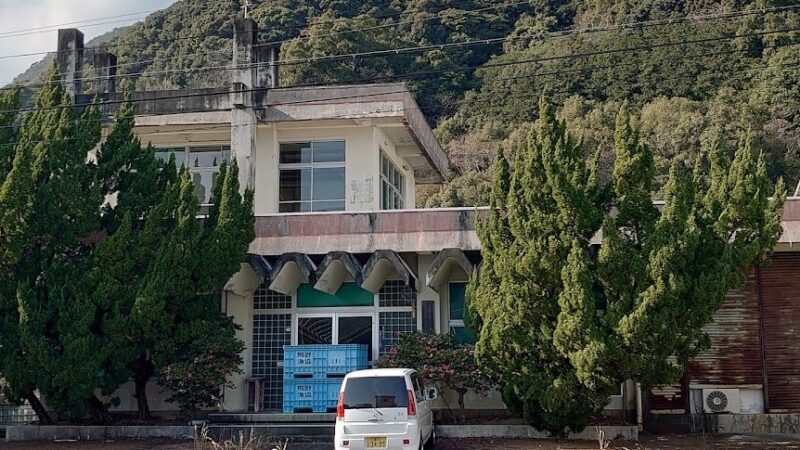
Shirako Fishing Port in Suzuka City, Mie Prefecture, appears in the opening scenes of the anime. Located on Ise Bay, this fishing port functions as a hub for local fishing industry and has a charm of unspoiled, rustic atmosphere.
In the anime, it’s depicted as a coastal landscape, and actually visiting allows you to feel the sea breeze and the vitality unique to fishing ports. If you visit early morning, you might observe fishing boats coming and going, and freshly caught seafood being unloaded.
Access Information:
- About 15 minutes walk from “Shirako Station” on the Kintetsu Nagoya Line
- By car: about 15 minutes from “Mie Kawagoe IC” on the Ise Bay Expressway
- Public parking available around the fishing port
Ise City Station
Ise City Station serves as the gateway to Ise Grand Shrine and is used by many pilgrims as a major station. In the anime, the station building and the atmosphere in front of the station are depicted in scenes showing Chika and Riri’s arrival.
The station building is modern, though it incorporates Japanese-style design elements befitting a gate town to Ise Grand Shrine. There’s a tourist information center in front of the station where you can obtain tourist maps and pamphlets for the Ise-Shima area. It’s recommended to gather information here first, as this serves as the base for pilgrimage.
Access Information:
- JR Sangu Line / Kintetsu Yamada Line “Ise City Station”
- About 1 hour 30 minutes by Kintetsu limited express from Nagoya
- About 2 hours by Kintetsu limited express from Osaka
- Bus terminal in front of the station with frequent buses to Outer and Inner Shrines
Ise Grand Shrine Outer Shrine Approach
The approach to the Outer Shrine from Ise City Station is depicted impressively in the anime. Along the approximately 400-meter approach are lined souvenir shops and restaurants, making for pleasant walks before and after worship.
The approach maintains the traditional atmosphere of an ancient gate town while harmonizing with modern shops, creating a unique space. It presents different faces depending on the time of day—serene atmosphere in early morning, bustling with pilgrims during daytime, and settling into quiet charm in the evening.
Visiting Tips:
- About 5 minutes walk from Ise City Station
- Many shops along the approach deal in local specialties
- Dining options are abundant, with local dishes like Ise udon and te-kone sushi available
- A pleasant stroll takes about 30-45 minutes
Wakamatsuya (Wakamatsu Shop)
“Wakamatsuya” featured in the anime where Chika enjoys food walking is an established restaurant on the Outer Shrine approach. The “Hiryozu” (fried tofu cake) that appeared in the work is known as a specialty of this shop.
Hiryozu is a fried dish based on tofu, characterized by its fluffy texture and gentle flavor. Crispy outside and fluffy inside, it’s topped with savory sauce. Many fans who watched the anime visit here, and it has become a standard spot for pilgrimage.
Shop Information:
- Business hours: Around 10:00-17:00 (may close when sold out)
- Closed: Irregular holidays
- Hiryozu can be purchased individually, available for eating while walking
- The aged shop structure offers wonderful atmosphere
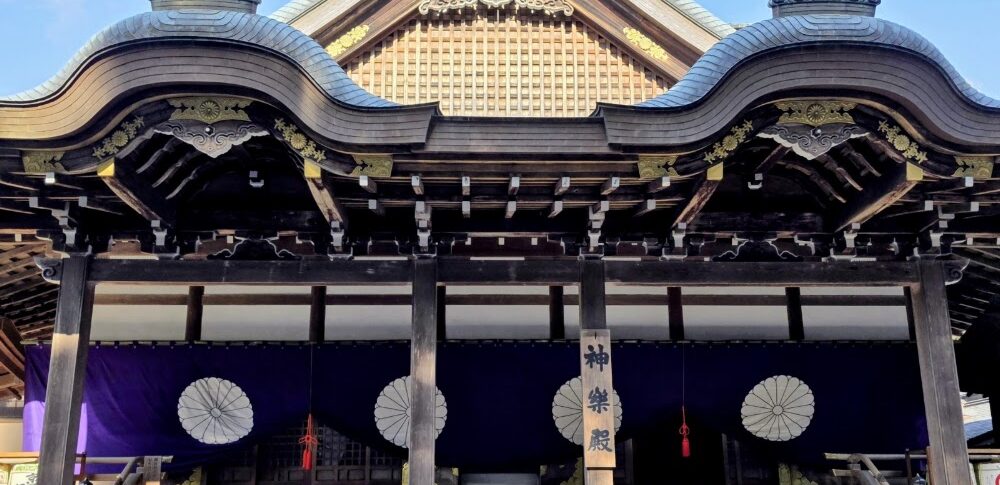
Ise Grand Shrine Outer Shrine (Toyoke Daijingu)
Ise Grand Shrine consists of 125 shrines centered on two main shrines—the Inner and Outer. The Outer Shrine, formally called “Toyoke Daijingu,” enshrines Toyoke Oomikami who presides over clothing, food, and shelter. Following the ancient custom of “Gaigu Saisai” (Outer Shrine first), it is traditionally proper to begin worship at the Outer Shrine.
In the anime, the torii gate, approach, and main shrine of the Outer Shrine are depicted with care, with the sacred atmosphere masterfully expressed. When actually visiting, you can walk a path surrounded by cedar trees hundreds of years old, experiencing a special moment enveloped in pure air and silence.
Worship Tips:
- Worship time: 30 minutes to 1 hour
- The approach to the main shrine is a gravel path; comfortable shoes recommended
- Photography possible outside the torii; main shrine photography prohibited
- Early morning worship (around 5:00-6:00) has fewer visitors, allowing more sacred feelings
Akane Shrine (Toyokawa Akane Inari Shrine)
Akane Shrine, formally called “Toyokawa Akane Inari Shrine,” is one of the auxiliary shrines within the Outer Shrine grounds and also appears in the anime. Located on the Outer Shrine worship route, it is visited by many pilgrims.
Though a small shrine, it’s impressive with its vermillion torii gate and conveys the atmosphere of Inari faith. A visit here during Outer Shrine worship makes for a more fulfilling pilgrimage experience.
Access:
- Located within Outer Shrine grounds, visitable while worshiping the main shrine
- Several minutes walk from the main shrine
Ise Grand Shrine Inner Shrine (Koutai Jingu)
The Inner Shrine, formally called “Koutai Jingu,” is the central existence of Ise Grand Shrine, enshrining Amaterasu Oomikami, the ancestral deity of the imperial household. Featured as an important stage in the anime, the Temizuya purification area of the Isuzu River, the Uji Bridge, approach, and main shrine are beautifully depicted.
Crossing the Uji Bridge marks the entrance to the sacred domain. Walking the approach while hearing the murmur of the Isuzu River creates a refreshing, purified feeling. The approach to the main shrine is lined on both sides with centuries-old cedar and cypress trees, enveloped in solemn atmosphere.
Worship Tips:
- Worship time: 1 to 1.5 hours
- Keep to the right on the Uji Bridge (left on return)
- The Isuzu River purification area allows hand cleansing
- Main shrine: photography prohibited; worship quietly
- The Inner Shrine is larger than the Outer; visit with ample time
Access Information:
- About 15 minutes by bus from the Outer Shrine; get off at “Naiku-mae”
- About 20 minutes by bus from Ise City Station
- Parking available (public transport recommended during peak seasons)
Oharaimachi Shopping Street
Oharaimachi shopping street, which flourished as a gate town for the Inner Shrine, recreates the townscape from the late Edo to early Meiji periods. Along the approximately 800-meter street, buildings with traditional architecture are lined up, allowing a time-slip experience.
In the anime, scenes of Chika and Riri strolling the street are depicted, with the bustling atmosphere and beauty of the historical townscape being impressive. The charm includes eating Ise udon, te-kone sushi, Matsusaka beef skewers and other Mie specialty cuisines.
Recommended Points:
- Travel time: 1 to 2 hours (including meals and shopping)
- Akafuku main shop and numerous restaurants and souvenir shops line the street
- Okage Yokocho (within Oharaimachi) is also must-see
- Abundant eating-while-walking options; Ise croquettes and goheimochi are popular
Toba Area
The anime includes scenes of travel toward Toba. Toba is part of the Ise-Shima National Park, featuring beautiful rias coastline and fresh seafood attractions.
With good access about 30 minutes by train from Ise Grand Shrine, it’s worth visiting if time permits. Attractions include the Toba Aquarium and Toba Bay cruises.
Access:
- About 15 minutes by JR Sangu Line / Kintetsu Toba Line from Ise City Station
- About 40 minutes by bus from Naiku-mae
Futami Ura
Futami Ura, located between Ise City and Toba City, is a scenic spot famous for the Meoto Iwa rocks. Featured as an important story stage in the anime, the beautiful coastal landscape is depicted impressively.
Along the Futami Ura coast are lined traditional inns and souvenir shops, retaining the atmosphere of a traditional seaside hot spring town. Strolling while feeling the sea breeze offers an open feeling different from Ise Grand Shrine worship.
Access:
- About 15 minutes walk from “Futami Ura Station” on the JR Sangu Line
- About 20 minutes by bus from Ise City Station; get off at “Meoto Iwa Higashiguchi”
Meoto Iwa (Husband and Wife Rocks)
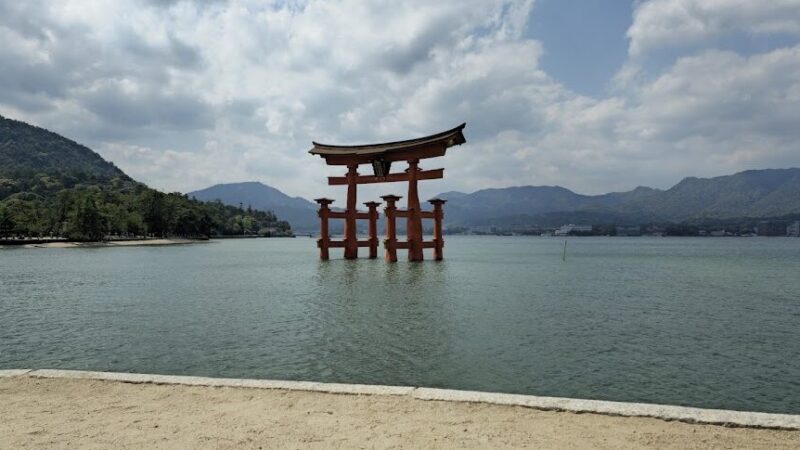
The Meoto Iwa rocks, which appear impressively in the anime, are a scenic point within the grounds of Futami Okitama Shrine. The image of two rocks bound together by a sacred rope has long been revered as a symbol of marriage and matchmaking.
The large rock (male rock) stands 9 meters high, and the small rock (female rock) stands 4 meters high, with the sacred rope connecting them measuring 35 meters long and weighing 40 kilograms. This sacred rope is replaced three times yearly, with major sacred rope ceremonies in May, September, and December drawing many worshipers.
In the work, they appear in scenes with an older man (a god?), serving as an important turning point in the story. Actually visiting reveals a mystical sight woven by sea, rocks, and the sacred rope, truly moving the heart.
Viewing Tips:
- Around the summer solstice, sunrise can be seen between the Meoto Iwa rocks (weather dependent)
- Don’t forget to worship at Futami Okitama Shrine
- The grounds feature other sights like “Ama no Iwaya” and “Ryugu Sha”
- Travel time: 30 minutes to 1 hour
Akafuku Futami Branch
“Akafuku Futami Branch,” which Chika and Riri visited in the anime, is a branch of Akafuku near the Meoto Iwa rocks. The work depicts a scene where they eat “Akafuku Kakigori” (shaved ice), attracting many fans for pilgrimage.
Akafuku Kakigori is a popular summer-limited menu item where fluffy ice is topped with akafuku mochi and matcha syrup. It differs from ordinary shaved ice, with delicate ice that melts on the tongue and the gentle sweetness of akafuku mochi combining exquisitely.
Shop Information:
- Business hours: Varies by season (early opening in summer)
- Akafuku Kakigori: Summer limited (around late April to late September)
- Prepare for 1+ hour waits during peak periods
- Ocean views from inside the shop; wonderful atmosphere
- Regular akafuku mochi (year-round product) also delicious
Efficient Pilgrimage Routes
Here we introduce model courses to efficiently cover Mie Prefecture’s sacred sites in one day.
One-Day Course (8:00-18:00)
8:00 Arrive at Ise City Station
↓ 5 minutes walk
8:10 Outer Shrine approach stroll and Wakamatsuya hiryozu
↓ 5 minutes walk
8:30 Ise Grand Shrine Outer Shrine worship (1 hour)
↓ 15 minutes by bus
10:00 Ise Grand Shrine Inner Shrine worship (1.5 hours)
11:30 Lunch and stroll at Oharaimachi (2 hours)
↓ 20 minutes by bus
14:00 Arrive at Futami Ura
14:15 Meoto Iwa and Futami Okitama Shrine worship (1 hour)
15:30 Akafuku Kakigori at Akafuku Futami Branch (1 hour including wait)
↓ 40 minutes by train/bus
17:00 Arrive at Ise City Station
18:00 Departure
One-Night, Two-Day Course
For those wishing to take leisure time, a one-night, two-day course is recommended.
Day 1:
- Morning: Visit Shirako Fishing Port (Suzuka City)
- Afternoon: Arrive at Ise City Station, Outer Shrine worship, Outer Shrine approach exploration
- Evening: Stay at an inn in Ise City or Futami Ura
Day 2:
- Early morning: Early morning Inner Shrine worship (around 6:00)
- Morning: Oharaimachi stroll and shopping
- Afternoon: Futami Ura, Meoto Iwa, Akafuku Futami Branch
- If time permits, extend to Toba area
Detailed Access and Transportation Information
Access from Major Cities
From Nagoya:
- Kintetsu Limited Express: About 1 hour 30 minutes, 2,470 yen one-way
- JR Local Limited Express Mie: About 1 hour 30 minutes, 1,980 yen one-way
- By car: About 2 hours via Tomei Expressway and Ise Expressway
From Osaka:
- Kintetsu Limited Express: About 2 hours, 3,290 yen one-way
- By car: About 2 hours 30 minutes via Meihan National Route and Ise Expressway
From Tokyo:
- Shinkansen + Kintetsu Limited Express: About 3 hours 30 minutes, around 12,000 yen one-way
- Airplane: About 3 hours via Chubu Centrair Airport (including ground transport)
Local Transportation Options
Bus:
- Mie Transportation network is well-developed
- “Gaiku Naiku Loop Bus” between Outer and Inner Shrines convenient (15-minute intervals)
- One-day pass (800 yen for adults) is economical
Taxi:
- About 5 minutes from Ise City Station to Outer Shrine, around 1,000 yen
- About 15 minutes from Outer Shrine to Inner Shrine, around 2,500 yen
Rental Bikes:
- Available around Ise City Station
- Electric-assist bicycles recommended (around 1,000 yen per day)
Walking:
- About 4 kilometers from Outer Shrine to Inner Shrine, about 50 minutes walk
- Designated as “Jingu Pilgrimage Walking Course”
Important Notes and Etiquette When Visiting
Worship Etiquette
Ise Grand Shrine is Japan’s representative sacred site; maintain proper etiquette during worship.
- Bow when passing through torii gates
- The center of the approach is said to be the god’s passage; walk along the edge
- Photography at the main shrine is prohibited
- Basic worship is “two bows, two hand claps, one bow”
- Speak quietly and worship reverently
Clothing and Belongings
- Comfortable walking shoes are essential (approach has gravel paths)
- Summer: umbrella, hat, sunscreen
- Winter: warm clothing
- Rain gear (weather changes frequently)
- Drinking water (especially summer)
Crowded Seasons
Visit with ample time during these particularly crowded periods:
- New Year period (January 1-3)
- Golden Week (April 29-May 5)
- Obon (August 13-16)
- Weekends and holidays
Early morning (6:00-8:00) and weekdays are relatively uncrowded for leisurely worship.
Recommended Nearby Cuisine
Ise Udon
Mie’s local dish of thick, soft noodles topped with rich tamari soy sauce. Fukusuke and Okadaya on Oharaimachi are famous.
Te-kone Sushi
Originated as fishermen’s food, this local sushi features soy-marinated fish cuts atop vinegared rice, offering a refreshing taste.
Matsusaka Beef
Mie Prefecture’s representative brand beef. Oharaimachi has many shops offering Matsusaka beef skewers and croquettes, ideal for eating while walking.
Ise Lobster and Abalone
The Ise-Shima area is a treasure trove of seafood. Ise lobster and abalone especially are exquisite, available at inns and restaurants.
Guide to Choosing Accommodation
Ise City Area
- Convenient access to Outer and Inner Shrines
- Abundant choices from business hotels to luxury inns
- Area around Ise City Station is optimal as a base
Futami Ura
- Many coastal hot spring inns
- Good access to Meoto Iwa
- Charm of breakfast with ocean views
Toba/Shima
- Well-equipped with resort hotels and luxury inns
- Can enjoy seafood
- Some distance from Ise Grand Shrine, but rich natural environment
Utilizing Pilgrimage Maps
The official site provides a “Zatsu Map” summarizing anime-featured spots. Access via smartphone and confirm on-site during pilgrimage.
You can also enjoy sharing comparison photos of spots with anime scenes on social media, connecting with other fans. Utilize hashtags like “#ZatsuTabi Pilgrimage” and “#ZatsuTabi Mie.”
Highlights by Season
Spring (March-May)
- Cherry blossom season (late March-early April): cherry blossoms along the Isuzu River are beautiful
- Mild weather ideal for worship
- Note: Golden Week is crowded
Summer (June-August)
- Around summer solstice (around June 21): sunrise visible between Meoto Iwa rocks
- Enjoy Akafuku Kakigori (late April-late September)
- Heat precautions essential; early morning worship recommended
Autumn (September-November)
- Autumn colors season (mid-November-early December): colorful approach leaves
- Excellent weather; most worship-friendly period
- Autumn food abundance
Winter (December-February)
- New Year period (Jan 1-3): most crowded time
- Worship in clear winter air is exceptional
- Ensure thorough cold preparations
Conclusion: The Appeal of Zatsu Tabi Mie Prefecture Pilgrimage
The Mie Prefecture edition of “Zatsu Tabi -That’s Journey-” centers on Ise Grand Shrine, representing Japan, with a setting where history, culture, nature, and fine dining harmonize beautifully. It’s ideal not only for anime fan pilgrimages but also as a journey rediscovering Mie Prefecture’s charms.
From Shirako Fishing Port through Ise Grand Shrine’s Outer and Inner Shrines, Oharaimachi shopping street, to Meoto Iwa rocks at Futami Ura, each spot has unique appeal. Actually visiting places depicted in anime deepens work understanding while allowing touch with Mie Prefecture’s profound attractions.
Whether taking time for leisurely rounds or efficiently covering major spots, enjoy “zatsu” travel at your own pace. Perhaps you’ll have mysterious encounters with gods.
Through pilgrimage, fully savor the anime world and real Mie Prefecture’s charms, creating wonderful memories.