About High School Fleet
“High School Fleet” (nicknamed: Hai-Furi) is an original television anime that began airing in April 2016. Produced by Production Aims (now: LAY-DUCE), it depicts a marine adventure story of girls aspiring to become Blue Mermaids in Japan, which has become an ocean nation.
When broadcasting began, the title was announced as “Hai-Furi,” but after the first episode aired, the official title “High School Fleet” was announced using this innovative approach, which became a hot topic. Subsequently, a theatrical film version of “High School Fleet” was released in 2020, continuing to fascinate many fans.
The setting of the work is Yokosuka City, Kanagawa Prefecture. Starting with “Yokosuka Girls’ Marine Academy,” which the protagonists attend, many real landscapes and buildings of Yokosuka appear in the anime, making it a popular sacred site pilgrimage destination among anime fans.
The Setting of High School Fleet: Yokosuka City, Kanagawa Prefecture
Overview and Charm of Yokosuka City
Yokosuka City in Kanagawa Prefecture occupies most of the Miura Peninsula and is a city with a population of approximately 400,000. Facing Tokyo Bay and Sagami Bay, it has a history of developing as a military port city since ancient times. Currently, with Japan Maritime Self-Defense Force bases and U.S. military facilities, a unique and internationally diverse culture has been formed.
Yokosuka is also known as the birthplace of “Naval Curry,” making it popular as a gourmet spot. Additionally, it is rich in tourism resources including natural landscapes such as Sarushima Island and Kannonzaki, and the rose garden at Verny Park.
Why Yokosuka Was Chosen as the Setting
The reason “High School Fleet” chose Yokosuka as its setting is clear. As one of Japan’s foremost military port cities, with history and culture deeply rooted in the ocean, Yokosuka was the ideal location for this work set in a marine academy.
In the work, the streetscapes of Yokosuka and the scenery of the port are depicted with precision, and local residents can tell “that’s the place!” with such realism. This realistic background depiction has become a factor in increasing fans’ interest in sacred site pilgrimages.
Preparation for Sacred Site Pilgrimage and Access
How to Access Yokosuka
Multiple major railway stations are located within Yokosuka City, with sacred sites scattered throughout each.
Access by Train:
- Keikyū Line: Approximately 45 minutes from Shinagawa Station on the Keikyū Main Line to Yokosuka-Chuo Station
- JR Yokosuka Line: Approximately 1 hour 10 minutes from Tokyo Station to Yokosuka Station
- Using the Keikyū Line Limited Express, approximately 40 minutes at the shortest from Shinagawa to Yokosuka-Chuo
Access by Car:
- Using the Yokohama-Yokosuka Expressway, from Yokosuka IC to the city center
- However, parking in the city center is limited, so public transportation is recommended
Discount Ticket Information
Keikyū Electric Railway sells convenient discount tickets for touring the Yokosuka area.
Yokosuka Satisfaction Ticket:
- A set of round-trip train tickets on designated sections of the Keikyū Line and a free-ride ticket for the Yokosuka area
- Discount benefits at partner facilities
- Economical when moving between multiple stations during sacred site pilgrimages
Misaki Maguro Ticket:
- Convenient for touring the entire Miura Peninsula
- Includes meal vouchers and leisure facility usage tickets
Sacred Site Pilgrimage Duration and Recommended Route
“Hai-Furi” sacred sites in Yokosuka are concentrated mainly in an area centered on Yokosuka-Chuo Station. If toured efficiently, the main spots can be visited in half a day to a full day.
Recommended Model Course (1-Day Plan):
- Morning: Yokosuka-Chuo Station Area (Dobita Street, Y Deck, etc.)
- Lunch: Yokosuka Naval Curry
- Afternoon: Shiiotsu Station Area (Verny Park, Military Harbor Cruise)
- Evening: Yokosuka Station Area
Complete Sacred Sites Guide by Area
① Yokosuka-Chuo Station Area
Yokosuka-Chuo Station is a major Keikyū Line station and the center of “Hai-Furi” sacred site pilgrimages. Numerous sacred sites are concentrated around the station.
Y Deck:
A pedestrian deck connecting the east and west exits of Yokosuka-Chuo Station, which frequently appears in the work and is an important location. It is known as the place where the petition activity scene was filmed in anime Episode 1 and OVA Part 2. A modern-designed overpass and a symbolic presence of Yokosuka.
Dobita Street:
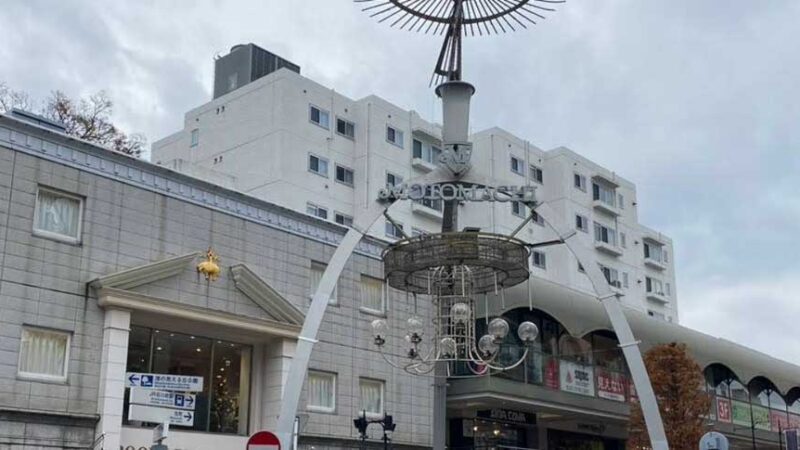
A shopping street adjacent to the U.S. military base with an American atmosphere characteristic of Yokosuka, representing a major tourist spot. It appears several times as a background in the work, featuring Ska-jacket shops, American bars, and military shops.
Some stores also sell “Hai-Furi” collaboration goods, making it perfect for purchasing souvenirs for sacred site pilgrimages. Many restaurants serve Yokosuka Naval Curry.
Yokosuka-Chuo Station Front Shopping Street:
The station-front shopping street also appears in the work. Everyday streetscapes are depicted carefully, and it is fun to compare the anime and real scenery while walking through this area.
Toward Mikasa Park:
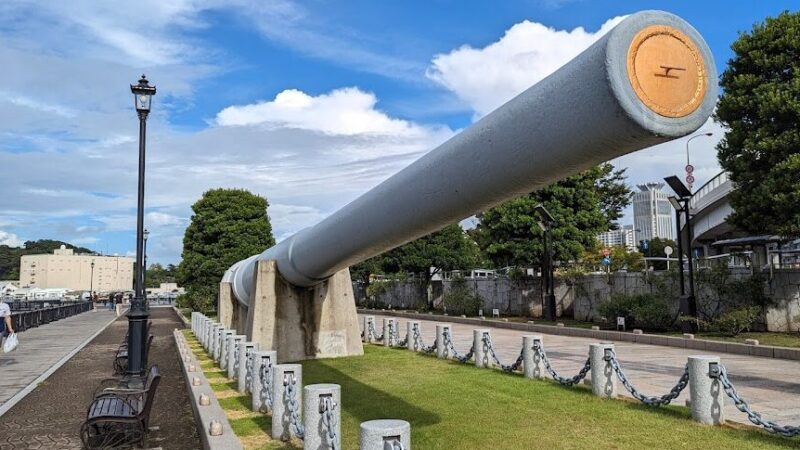
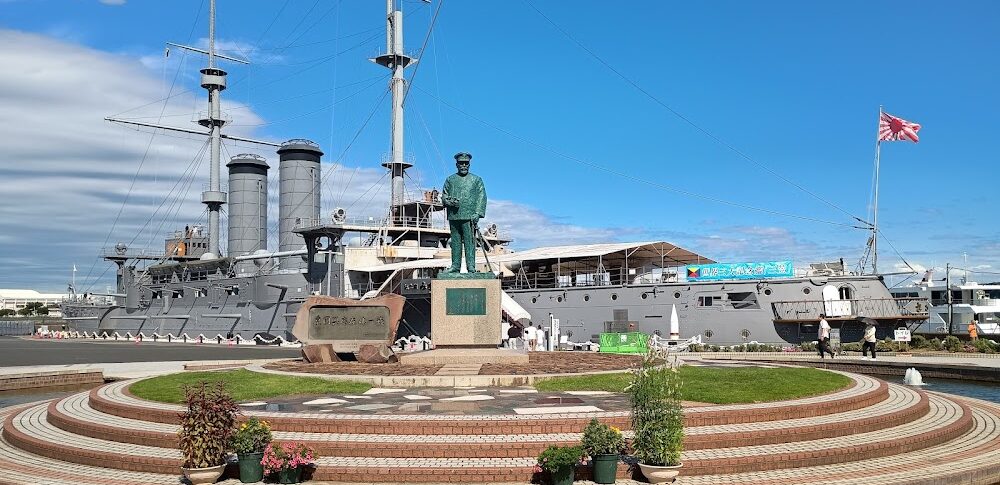
Mikasa Park, located approximately 15 minutes on foot from Yokosuka-Chuo Station, is a historical spot where the memorial ship “Mikasa” is preserved. There are scenes in the work where the marine academy students visit, and the military ship and marine-related exhibits match the “Hai-Furi” world view.
② Shiiotsu Station Area
Shiiotsu Station is the next station from Yokosuka-Chuo Station and features a seaside location.
Verny Park:
A seaside park a short walk from Shiiotsu Station. Named after French engineer Verny, it is known as a beautiful park with approximately 2,000 rose bushes planted.
It frequently appears in scenes with the sea as a backdrop. From the park, you can see Yokosuka Main Harbor and moored ships, making it an excellent spot to experience the marine world of “Hai-Furi.”
Verny Memorial Hall:
A memorial hall within Verny Park where you can learn about Yokosuka’s shipbuilding and naval history. Free admission, and it helps you understand the “Hai-Furi” world view more deeply.
Military Harbor Cruise Boarding Area:
The “YOKOSUKA Military Harbor Cruise” departs near Verny Park and offers close viewing of Japan Maritime Self-Defense Force and U.S. Navy ships. It is a valuable experience for “Hai-Furi” fans to view actual military vessels.
A approximately 45-minute cruise tour of Yokosuka Harbor with guide commentary. If fortunate, you may see escort ships, submarines, aircraft carriers, and more.
③ Yokosuka Station Area
There are spots appearing in the work around JR Yokosuka Station.
Yokosuka Station Building:
Although Yokosuka Station underwent renovation in 2020, the scenery of the old station building era is depicted in the work. The atmosphere of the station area remains today and has become a memorial photo spot for sacred site pilgrimages.
Yokosuka Performing Arts Theater:
A cultural facility near the station where the building’s exterior appears in the work. Features a large glass contemporary architecture.
Yokosuka Harbor:
The harbor area within walking distance of the station is also used as the background for scenes of marine academy student activities.
④ Kinugasa Station Area
Kinugasa Station is located two stations on the Keikyū Line from Yokosuka-Chuo Station.
Kinugasa Shopping Street:
The shopping street that became the model for one appearing in the work. A locally rooted shopping street retaining Showa-era atmosphere, depicting everyday scenery.
Kinugasa Mountain Park:
A park known as a cherry blossom viewing spot, possibly used as the background for cherry blossom scenes in the work. The high ground offers a panoramic view of Yokosuka.
⑤ Other Yokosuka City Spots
Kannonzaki:
A cape located at the eastern end of the Miura Peninsula, at the entrance to Tokyo Bay. With Kannonzaki Lighthouse and Kannonzaki Park, this scenic area matches the “Hai-Furi” world view with its ocean theme.
Hashirizu Coast:
A coastline near Kannonzaki with beautiful scenery overlooking the sea. A location possibly serving as a model for coastal scenes in the work.
Sarushima:
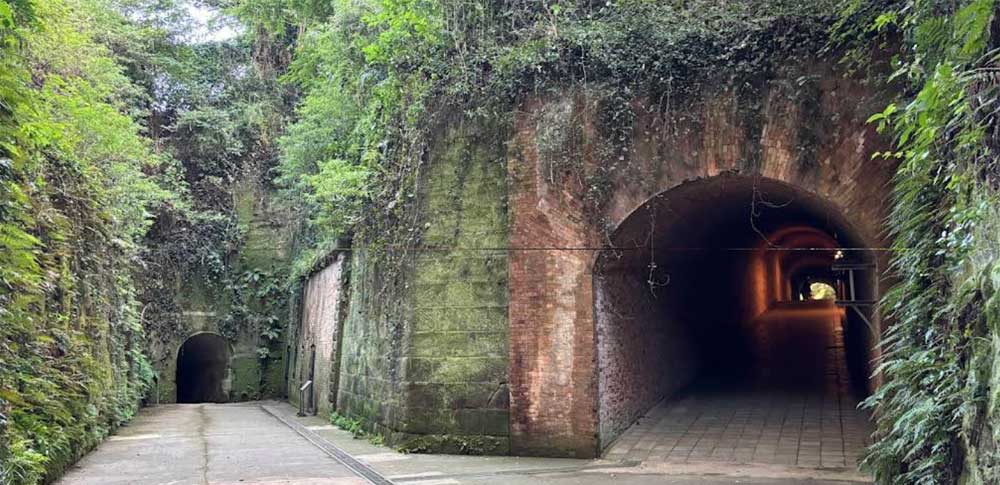
An uninhabited island floating off Yokosuka, accessible by ship in about 10 minutes from Mikasa Pier. With remains of a former Japanese military fortress, it is a historic island where you can experience the militaristic world view of “Hai-Furi.”
Sacred Sites of the Theatrical Version High School Fleet
In the theatrical version of “High School Fleet” released in 2020, new spots differing from the television series also appear.
Newly Appearing Spots in the Theatrical Version:
- Scenery around Yokosuka Museum of Art
- Specific angles of Kannonzaki Park
- New perspectives of harbor descriptions
The theatrical version features even more detailed background art than the TV series, fully depicting Yokosuka’s charm. Even previously visited spots from the TV series offer new discoveries when revisited from the theatrical version’s perspective.
Tips for Enjoying Sacred Site Pilgrimages More
Collaboration Event Information
Yokosuka regularly hosts collaboration events with “Hai-Furi.”
Past Major Events:
- “Hai-Furi” booth at Yokosuka Curry Festival
- Theater version release commemorative “Yokosuka Girls’ Marine Academy Pop-up Shop”
- Stamp rally projects
- Life-size panel exhibitions
- Limited merchandise sales
The latest event information can be found on the official website of Yokosuka Tourism Association and “Hai-Furi” official Twitter.
Merchandise and Souvenir Information
“Hai-Furi” Collaboration Goods:
Stores around Yokosuka-Chuo Station carry “Hai-Furi” related merchandise.
- Original clear files
- Keychains
- T-shirts
- Enamel badges
- Postcards
Yokosuka-Specific Souvenirs:
- Yokosuka Naval Curry (retort)
- Yokosuka Naval Curry Bread
- Ska jackets
- Military ship merchandise
Yokosuka Gourmet
Yokosuka gourmet to enjoy between sacred site pilgrimages:
Yokosuka Naval Curry:
A recreation of curry served in the navy during the Meiji era and a specialty dish of Yokosuka. You can experience authentic naval curry at certified restaurants in the city. Perfect for the “Hai-Furi” world view.
Yokosuka Navy Burger:
Authentic American burger influenced by the U.S. military base. Voluminous and satisfying.
Seafood Dishes:
Abundant dishes using fresh seafood befitting a port town.
Photography Manners and Etiquette
When on sacred site pilgrimages, consideration for local residents and other tourists is important.
Manners to Observe:
- No trespassing on private property
- Be considerate not to obstruct passage in shopping streets
- Refrain from loud conversation and noise
- Always take trash home
- Photography is strictly prohibited in designated no-photo areas
- Take special care with photography near military facilities
These sacred sites exist through the understanding and cooperation of local people. By following proper manners, your pilgrimage will be enjoyable.
Nearby Tourism Spots
Yokosuka and Miura Peninsula tourism spots to visit along with “Hai-Furi” sacred site pilgrimages:
Yokosuka Museum of Art:
An art museum located in Kannonzaki Park offering spectacular scenery overlooking the sea. The architecture itself is beautiful, allowing simultaneous enjoyment of art appreciation and views.
Soleil no Oka:
An experience-based agricultural park on the Miura Peninsula. Enjoy seasonal flowers, animal interaction, and activities.
Joga Island:
An island at the southern tip of the Miura Peninsula with beautiful coastline and lighthouse views. Also offers fresh seafood cuisine.
Kamakura and Enoshima:
Popular tourist destinations accessible from Yokosuka by train in 30 minutes to 1 hour. Recommended to visit along with sacred site pilgrimages.
Accommodation Information
Various types of accommodations are available in and around Yokosuka City.
Hotels in Yokosuka City:
- Yokosuka-Chuo Station Area: Centered on business hotels, convenient for sacred site pilgrimages
- Yokosuka Station Area: Relatively affordable accommodations
- Kannonzaki Area: Resort hotels and pensions
Nearby Areas:
- Yokohama: Wide variety from luxury to budget hotels
- Kamakura and Enoshima: Convenient for accommodations combined with tourism
For those wanting to enjoy sacred site pilgrimages thoroughly, staying in Yokosuka is recommended. The atmosphere of Yokosuka Harbor at night is exceptional.
Sacred Sites in Hiroshima Prefecture
While “High School Fleet” sacred sites are centered on Yokosuka City, Kanagawa Prefecture, scenery from Hiroshima Prefecture also appears in some scenes.
Etajima City:
Etajima, home to the Japan Maritime Self-Defense Force Command and Staff College, is suspected to have served as a model for the marine academy. Historic structures of the actual naval academy remain, allowing experience of the “Hai-Furi” world view.
Kure City:
Kure City, a city that prospered as a military port, houses the Yamato Museum (Kure City Maritime History Science Museum) where you can learn about naval history. The realism of the ship depictions in the work is considered to reference the atmosphere of such existing military port cities.
Hiroshima’s sacred sites are fewer than Yokosuka’s, but valuable for fans wishing to gain deeper understanding of the marine academy and warship world view.
Summary: For a Successful Sacred Site Pilgrimage
“High School Fleet” sacred site pilgrimages can be toured efficiently centered on Yokosuka-Chuo Station. Main spots are concentrated within walking distance, making a full day sufficient to enjoy.
Points for a Successful Sacred Site Pilgrimage:
- Pre-plan desired visit spots
- Take photos while comparing with anime scenes
- Also enjoy Yokosuka gourmet
- Target periods when collaboration events are held
- Show consideration to the local community by following manners
- Plan with time to spare
Yokosuka is both a sacred site for “Hai-Furi” and a charming port town where history and culture thrive. The appeal of sacred site pilgrimages is being able to re-experience the anime’s world while discovering the charm of Yokosuka as a city itself.
Why not spend a special day experiencing the “High School Fleet” world while feeling the sea breeze of Yokosuka? It will surely become an unforgettable memory.
FAQs
Q1: Can beginners enjoy sacred site pilgrimages in Yokosuka?
A1: Yes, absolutely. Major spots are concentrated around Yokosuka-Chuo Station and accessible on foot. Even distant spots are accessible by local buses. If you confirm information in this guide beforehand, even first-timers can smoothly conduct pilgrimages.
Q2: How much does a sacred site pilgrimage cost?
A2: For a day trip from Tokyo, transportation is approximately 2,000 to 3,000 yen round trip, meals 1,500 to 3,000 yen, and optional activities like military harbor cruises approximately 1,400 yen. A total of 5,000 to 8,000 yen is the guideline. You can save further by using Keikyū’s discount tickets.
Q3: Where can I buy “Hai-Furi” collaboration merchandise?
A3: Available at select stores around Yokosuka-Chuo Station. However, sales are often limited to event periods rather than permanent sales. Check the latest information on Yokosuka Tourism Association or “Hai-Furi” official SNS.
Q4: What is the best season for sacred site pilgrimages?
A4: Spring (March to May) and autumn (October to November) are climatically recommended. Spring especially sees Verny Park’s roses in bloom and offers cherry blossoms. Summer features many ocean events making the “Hai-Furi” world view easy to experience, though heat measures are necessary. Winter is relatively warm, but sea winds are cold, so winter clothing is recommended.
Q5: Do I need to reserve for the military harbor cruise?
A5: Day-of tickets are generally possible, but weekends, holidays, and major holiday periods become crowded, so advance reservation is recommended. You can reserve via the official website. The cruise takes approximately 45 minutes with multiple departures daily.
Q6: Can families with children also enjoy it?
A6: Yes, they can. Yokosuka is well-developed as a tourist destination with family-friendly facilities. Mikasa Park and military harbor cruises are attractions children can enjoy. However, long walking distances are involved, so for families with small children, planning with frequent rest breaks is recommended.