
Uma Musume Pretty Derby and Omotesando Hills
“Uma Musume Pretty Derby” is a transmedia project developed by Cygames that depicts a world where personified racehorses called “Uma Musume” (Horse Girls) are active. Various content including anime, games, and music have been released, captivating many fans.
Omotesando Hills is a complex commercial facility located in Shibuya Ward, Tokyo, and appears as an important location in the Uma Musume series. Particularly in the anime series, it is depicted as the stage where Uma Musume such as Tokaiteio practice Winning Live, making it an essential pilgrimage spot for fans conducting sacred site tours.
This article comprehensively explains detailed information about sacred site tours at Omotesando Hills, access methods, photography points, and nearby related spots to provide helpful information for those planning to visit.
Basic Information about Omotesando Hills
Facility Overview
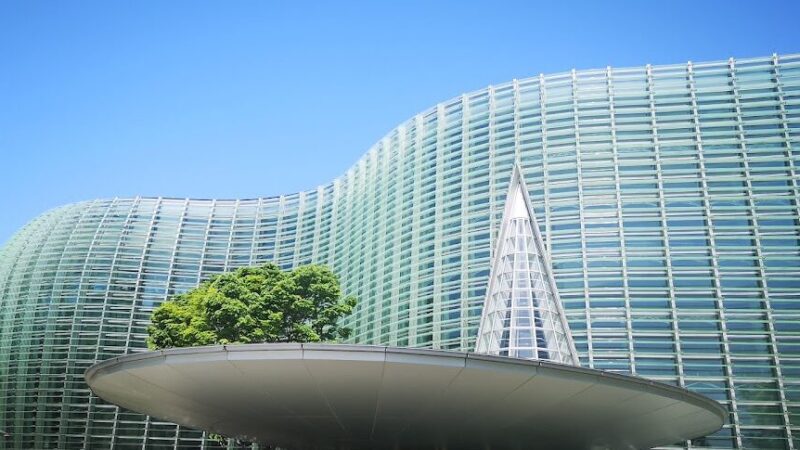
Omotesando Hills is a commercial facility that opened in 2006 with three floors above ground and three floors below ground. Designed by architect Tadao Ando, this facility features a distinctive structure with a low above-ground section to harmonize with the zelkova trees lining Omotesando.
Facility Name: Omotesando Hills
Address: 〒150-0001 4-12-10 Jingu-mae, Shibuya Ward, Tokyo
Business Hours:
- Shops 11:00~21:00 (until 20:00 on Sundays)
- Restaurants 11:00~23:00 (varies by establishment)
Closed Days: Irregular closures (confirmation via official website recommended)
Official Website: https://www.omotesandohills.com/
Appearance in Uma Musume Series
In the anime “Uma Musume Pretty Derby,” Omotesando Hills and surrounding areas appear as locations where popular characters such as Tokaiteio, Mejiro Mcqueen, and Rice Shower practice Winning Live.
In the work, the distinctive glass exterior of Omotesando Hills and its open spaces are depicted impressively, showing Uma Musume undergoing training and practice on a daily basis. This location is a precious scene where fans can glimpse the daily lives of Uma Musume outside of racetracks, leaving a lasting impression on many viewers.
Access Methods and Routes from Nearest Stations
Access by Train
Omotesando Hills is accessible via multiple train lines. The most convenient option is Omotesando Station served by Tokyo Metro lines.
Access from Omotesando Station
- 2 minutes walk from Exit A2 of Tokyo Metro Ginza Line, Hanzomon Line, and Chiyoda Line “Omotesando Station”
- From the exit, head right (toward Aoyama) and the entrance to Omotesando Hills will come into view
Access from Meiji-Jingu-mae Station
- 3 minutes walk from Exit 5 of Tokyo Metro Chiyoda Line and Fukutoshin Line “Meiji-Jingu-mae (Harajuku) Station”
- Walk along Omotesando toward Aoyama to access the facility
Access from Harajuku Station
- 7 minutes walk from the Omotesando exit of JR Yamanote Line “Harajuku Station”
- Continue straight along Omotesando toward Aoyama
Access from Fuchu Area
When accessing Omotesando Hills from the Fuchu area where Tokyo Racecourse is located, transfers are necessary. Many fans visit the racecourse in the Fuchu area for Uma Musume sacred site tours before heading to Omotesando Hills, so here are efficient routes.
Recommended Route 1 (Via Keio Line)
- Fuchu Station (Keio Line) → Shinjuku Station (approximately 20 minutes)
- Transfer to Tokyo Metro Fukutoshin Line at Shinjuku Station
- Get off at Meiji-Jingu-mae Station (approximately 9 minutes)
- Arrive at Omotesando Hills in 3 minutes walk
Recommended Route 2 (Via JR)
- Fuchu-Honcho Station (JR Nanbu Line) → Tachikawa Station (approximately 10 minutes)
- Transfer to JR Chuo Line at Tachikawa Station
- Get off at Shinjuku Station (approximately 30 minutes)
- Transfer to Tokyo Metro Fukutoshin Line at Shinjuku Station
- Get off at Meiji-Jingu-mae Station (approximately 9 minutes)
- Arrive at Omotesando Hills in 3 minutes walk
Allow approximately 50 minutes to 1 hour total travel time.
Car Access and Parking Information
Omotesando Hills is equipped with underground parking.
Parking Overview
- Capacity: Approximately 180 vehicles
- Operating Hours: 8:30~23:00
- Rates: 350 yen per 30 minutes
- Discount services available with facility usage
However, the Omotesando area tends to be congested on weekends and holidays, and parking often reaches capacity. Public transportation is recommended.
Photography Spots and Highlights for Sacred Site Tours
Main Entrance Area
The main entrance of Omotesando Hills is an open space facing the zelkova trees. It is recognized as the stage for scenes where Uma Musume gather or head off to practice as depicted in the work.
Photography Points
- Capturing the entire facility from the Omotesando side
- Photographing the glass exterior from the plaza in front of the entrance
- Composition that includes both the zelkova trees and the building
When photographing, be considerate of passersby and other visitors, and avoid using tripods.
Glass Exterior
The distinctive glass exterior of Omotesando Hills is depicted impressively in the anime. Particularly during evening to night hours when interior lighting is on, you can capture photographs that more closely match the work’s atmosphere.
Recommended Photography Times
- 4:00 PM to 6:00 PM: Time when natural light and artificial lighting balance well
- Night: Opportunity to capture the fantastical atmosphere of the illuminated building
Spiral Slope
The “Spiral Slope,” a symbolic structural feature inside Omotesando Hills, is a gentle spiral passage continuing from the basement 3rd floor to the 3rd floor above ground. This space may also appear in the work, offering unique architectural beauty to enjoy.
When photographing inside, follow the rules as a commercial facility and avoid directly photographing stores or products. Instead, focus on the architectural space itself.
Precautions and Etiquette During Visits
Sacred Site Tour Etiquette
Omotesando Hills is a commercial facility used by many general visitors. When conducting sacred site tours, observe the following etiquette:
- Don’t obstruct traffic: When photographing or observing, move to the side of the passageway and ensure you don’t block other visitors
- Keep conversations quiet: Move quietly within the facility and be considerate not to make noise
- Avoid prolonged occupation: At popular photography spots, consider other pilgrims and move along promptly after photographing
- Restrict tripod usage: Tripod use may be restricted in commercial facilities. Confirm with the facility beforehand or base your photography on handheld shooting
- Comply with commercial facility rules: Avoid unauthorized photography inside stores and refrain from photographing merchandise
Congestion Times and Best Visiting Times
Omotesando Hills is a popular commercial facility, so congestion varies significantly depending on time of day.
Relatively less crowded times
- Weekday mornings (shortly after opening 11:00~12:00)
- Weekday afternoons around 3:00 PM to 5:00 PM
Crowded times
- Weekends and holidays afternoons (1:00 PM~5:00 PM)
- Friday evenings
- During sales periods
For those visiting for sacred site tours wishing to enjoy photography and observation leisurely, weekday mornings or early afternoons are recommended.
Photography-Related Precautions
- Consideration for privacy: Be careful that other visitors don’t appear in your shots. If they do, apply appropriate processing before posting publicly
- Respect copyright: Artworks and decorative items inside the facility have copyright. Avoid making these the main subject of photography
- Flash photography restrictions: Flash photography may be prohibited inside stores
- Consideration when posting on SNS: When posting photographed images on SNS, be careful with location data handling and avoid causing excessive congestion
Surrounding Uma Musume Sacred Site Tour Spots
When visiting Omotesando Hills, you can enjoy a more fulfilling experience by also visiting related spots in the surrounding area.
Harajuku and Omotesando Area
Around Harajuku Station
Harajuku Station, within walking distance from Omotesando Hills, may also appear as daily urban scenes in the work. With many tourist attractions such as Takeshita Street and Meiji Shrine nearby, you can enjoy them together with sacred site tours.
Meiji Shrine
Located a short walk from Harajuku Station, Meiji Shrine is one of Tokyo’s leading power spots. It’s also an ideal place to pray for the victory of the Uma Musume.
Major Racetracks in Tokyo
At Uma Musume sacred site tours, racetracks are indispensable spots.
Tokyo Racecourse (Fuchu Area)
One of the most important locations as a stage for the work. The stage where races featuring many Uma Musume including Special Week took place. You can actually experience locations depicted in the work such as the paddock and racing grounds.
- Location: 1-1 Hiyoshi-cho, Fuchu, Tokyo
- Access: Directly below Keio Line Fuchu Racecourse Front Gate Station
- Holding Days: Check JRA official website
Ohi Racecourse
Appears as a local racing venue. Night holding “Twinkle Race” is also attractive.
- Location: 2-1-2 Katsushima, Shinagawa Ward, Tokyo
- Access: 2 minutes walk from Tokyo Monorail Ohi Racecourse Station
Tachikawa Area
Tachikawa Station area may appear in the work as a potential location, and being on the access route from Fuchu to Omotesando makes it an easily accessible stop.
Kichijoji Area
Inokashira Park and other everyday urban scenery in Tokyo that may appear in the work. It’s about 30 minutes from Omotesando via the Chuo Line and easily accessible.
Shopping and Gourmet Information at Omotesando Hills
Enjoy shopping and dining at Omotesando Hills during your sacred site tour.
Recommended Restaurants
Omotesando Hills houses approximately 30 restaurants and cafes.
Main Building 3rd Floor Restaurant Floor
Diverse dining genres are available including Japanese, Western, Italian, and French. It’s recommended to enjoy an elegant lunch or dinner while envisioning the Uma Musume world.
Cafes and Sweets
Well-stocked cafes are ideal for tour breaks. At a refined cafe befitting Omotesando, you can plan your next destination.
Shopping
With approximately 100 stores including famous domestic and international brands, select shops, and miscellaneous stores. While there are no stores handling Uma Musume merchandise, you can enjoy fashion and lifestyle goods.
Experiencing Uma Musume Pretty Derby’s World More Deeply
Work Background Knowledge
“Uma Musume Pretty Derby” depicts a world where characters modeled after actual racehorses are active. By reproducing the glory stories of real famous horses in the form of Uma Musume, the work conveys the appeal of horse racing not only to racing fans but also to those unfamiliar with the sport.
Main Appearing Characters
- Special Week: 1998 Japan Derby horse
- Tokaiteio: Legendary racehorse known as an unbeaten Triple Crown winner
- Mejiro Mcqueen: Famous horse known for consecutive wins in the Emperor’s Cup (Spring)
- Rice Shower: A memorable racehorse that pulled off a major upset
The scenes where these Uma Musume practice Winning Live at Omotesando Hills represent important moments depicting their daily lives and growth beyond their “main job” of winning races.
Anime Series Viewing
It is recommended to watch the anime series beforehand to enjoy sacred site tours more fully.
Anime Series
- Season 1 (aired April~June 2018): Story with Special Week as protagonist
- Season 2 (aired January~June 2021): Story with Tokaiteio as protagonist
- Season 3 (aired October~December 2023): Story with Kitasan Black as protagonist
Different Uma Musume stories are depicted in each season, including scenes featuring Omotesando Hills.
Experience in Game App
The smartphone game “Uma Musume Pretty Derby” allows you to enjoy a raising simulation game where you nurture Uma Musume and aim for victory in races. The game also features Winning Live scenes, and immersing yourself in the work’s world becomes deeper when imagining the practice scenes at Omotesando Hills while playing.
Recording and Sharing Sacred Site Tours
Photography Tips
Here are photography techniques for beautifully preserving memories of sacred site tours.
Composition Points
- Recreate scenes from the work: Prepare screenshots of the relevant anime scenes beforehand and search for the same angles to photograph
- Utilize architectural beauty: Be conscious of compositions that highlight Omotesando Hills’ distinctive architectural design
- Changes over time: Photographing at different times—morning, afternoon, evening, and night—allows you to record diverse expressions
Smartphone Photography Techniques
- Display grid lines to maintain horizontal alignment
- Utilize HDR mode to adjust contrast
- Use portrait mode to blur the background and emphasize the subject
SNS Sharing
When sharing photographs on SNS, the following hashtags help you connect with fans with similar interests:
- #ウマ娘
- #ウマ娘聖地巡礼
- #表参道ヒルズ
- #聖地巡礼
- #ウマ娘プリティーダービー
However, refrain from sharing detailed location information that could cause excessive congestion, and maintain a posture that encourages etiquette-conscious tours.
Creating Tour Records
Points when creating tour records on blogs or SNS:
- Visit date/time and weather: The same location appears different depending on weather and season
- Access information: Record the routes you actually used and the time required
- Detailed photography points: Share specific location information for reference by other pilgrims
- Points you noticed: Share differences from the work and new discoveries
- Information about etiquette: Include precautions for consideration of subsequent pilgrims
Other Sacred Sites in Tokyo Besides Omotesando Hills
Uma Musume sacred sites are scattered throughout Tokyo. Here are spots you may want to visit together with Omotesando Hills.
Nakayama Racecourse (Chiba Prefecture)
Nakayama Racecourse, easily accessible from central Tokyo, is also one of the important stages in the work.
- Location: 1-1-1 Kosaku, Funabashi, Chiba Prefecture
- Access: Bus from JR Sobu Line Funabashi Station, or walk from Keisei Nakayama Station
- Features: Stage for important races such as the Arima Memorial
Sacred Sites in the Kansai Region
Osaka Prefecture, Kyoto Prefecture, Shiga Prefecture
Sacred sites related to Uma Musume also exist in the Kansai region, including Hanshin Racecourse (Hyogo Prefecture) and Kyoto Racecourse (Kyoto Prefecture). While the distance from Tokyo is considerable, many fans visit these locations in combination with trips.
Event Information and Collaborations
Past Collaboration Events
The Uma Musume project has conducted various collaborations with facilities and events. Official events at Omotesando Hills have not been confirmed at this point, but future developments are anticipated.
How to Obtain Latest Information
Official event and collaboration information can be confirmed via:
- Uma Musume Official Portal Site: https://umamusume.jp/
- Official Twitter: Latest information distributed in real-time
- In-App Notices: Announcements within the game
There is also potential for limited-time events to be held coinciding with new releases such as the movie “Uma Musume Pretty Derby: The Door to a New Era” (May 2024 release), so regularly check official information.
Advice When Planning Sacred Site Tours
Organizing Efficient Tour Routes
Since Uma Musume sacred sites are scattered throughout Tokyo, efficient route planning is important.
Example of a 1-Day Course
- Morning: Tokyo Racecourse (Fuchu) *on racing days only
- Lunch: Around Fuchu Station
- Afternoon: Omotesando Hills (Harajuku/Omotesando)
- Late Afternoon: Exploring Harajuku and Omotesando area
- Night: Shibuya area
Example of a 2-Day Course
- Day 1: Tokyo Racecourse, Ohi Racecourse, other racing-related spots in Tokyo
- Day 2: Omotesando Hills, Harajuku and Omotesando area, other spots in Tokyo
Budget Estimate
Transportation
- 1-day all-area pass: approximately 800 yen~1,000 yen
- Fuchu ⇔ Omotesando round trip: approximately 600 yen~800 yen
Meals
- Lunch at Omotesando Hills: 1,500 yen~3,000 yen
- Cafe breaks: 500 yen~1,000 yen
Other
- Merchandise purchases: varies by budget
- Racecourse admission: 200 yen (JRA racecourse)
Plan for approximately 5,000 yen~10,000 yen per day overall.
Packing Checklist
- Smartphone (camera, map apps)
- Mobile battery
- Screenshots of relevant work scenes
- Transit IC card
- Drinking water (heat stroke prevention)
- Rain gear (folding umbrella)
- Notepad and pen (for records)
- Comfortable walking shoes
Conclusion: Enjoying the Uma Musume World at Omotesando Hills
Omotesando Hills is a precious sacred site spot where you can experience the world of Uma Musume Pretty Derby. Many fans visit this location where Tokaiteio and others practiced Winning Live.
When conducting sacred site tours, remember to observe etiquette as a commercial facility and show consideration for other visitors while contemplating the work’s world. It will be a special experience to feel the daily lives of Uma Musume in the refined Omotesando area.
With good access from Tokyo Racecourse in Fuchu, it’s also possible to visit both the “main job” scenes at the racecourse and the “daily life” scenes at Omotesando Hills in a single day. Including the surrounding Harajuku and Omotesando area, plan a fulfilling sacred site tour.
The charm of the Uma Musume world lies in depicting the growth, friendship, and effort of characters based on actual horse racing history. Through sacred site tours at Omotesando Hills, your understanding and affection for the work will deepen further.
With latest event information and new anime and movie releases, there may be new discoveries awaiting you at Omotesando Hills. While checking official information, fully enjoy the Uma Musume experience at Omotesando Hills as a sacred site you’ll want to visit again and again.