完全ガイド|歴史・御利益・アクセス情報.jpg)
Katsuragi-ni-imasu-Honoinoikadzuchi Shrine (葛木坐火雷神社), located in Katsuragi City, Nara Prefecture, is an ancient shrine with approximately 2,000 years of history. Locally known as “Usui Shrine (笛吹神社),” it has been deeply revered by firefighters and musicians as a shrine dedicated to the god of fire and the god of music.
In recent years, the shrine has gained attention as a pilgrimage site for fans of the popular anime “Demon Slayer,” as the name of Tanjiro’s companion Zenitsu’s ultimate technique “Honoinoikadzuchi no Kami (火雷神)” matches the name of the shrine’s enshrined deity. This article provides detailed information about the history, enshrined deities, blessings, notable features within the grounds, and access methods to Katsuragi-ni-imasu-Honoinoikadzuchi Shrine.
History and Origins of Katsuragi-ni-imasu-Honoinoikadzuchi Shrine
Ancient Shrine Founded in the Age of Gods
While the exact founding date of Katsuragi-ni-imasu-Honoinoikadzuchi Shrine is unclear, according to shrine tradition, it dates back to either the Age of Gods or the reign of Emperor Jinmu. This area flourished as the base of the ancient Katsuragi clan and the shrine has been revered as their tutelary deity.
The shrine is listed in the Engi Shiki Jinmyo-cho (Engi Era Register of Deities) as “Great Nara Province, Katsuragi District, Katsuragi-ni-imasu-Honoinoikadzuchi Shrine, Major Deity,” indicating it already held the high status of a major shrine by the Heian period. A major shrine was a particularly important shrine recognized by the imperial court, with a prestigious status where state-sponsored rituals were conducted.
Tutelary Shrine of the Former Oshio District
During the Edo period, it served as the tutelary shrine for 14 villages in the former Oshio District, fulfilling the role of guardian deity for the entire region. During the Meiji period’s shrine ranking system, it was designated as a village shrine (gōsha), and has been cherished as the center of local residents’ faith to the present day.
Origin of the Alternate Name “Usui Shrine”
The local name “Usui Shrine” derives from Amagakayamano Mikoto, one of the main enshrined deities, being revered as the ancestral deity of the Usui no Muraji (笛吹連), a guild of flute players. The Usui no Muraji was an ancient clan that performed music at the imperial court. Due to this historical background, the shrine receives special reverence from those seeking improvement in music and instrumental performance.
Enshrined Deities and Blessings
Primary Enshrined Deity: Honoinoikadzuchi no Okami (火雷大神)
Honoinoikadzuchi no Okami is, as the name suggests, a deity governing fire and lightning. As a fire deity, it is deeply worshipped by those engaged in fire-related professions, particularly firefighters, cooks, and blacksmiths. Additionally, the shrine is believed to offer blessings for fire prevention and household safety, and many visitors come to pray for fire safety in daily life.
As a thunder deity, the shrine has long been the focus of prayers for rain and abundant harvests. Symbolizing the great power of nature, it is believed to protect people from various calamities.
Primary Enshrined Deity: Amagakayamano Mikoto (天香山命)
Amagakayamano Mikoto, also known as “Usui Daimyōjin,” is the deity of music. As the ancestral deity of the Usui no Muraji, it offers blessings related to music and performing arts.
Today, musicians and music enthusiasts visit to seek improvement in the performance of all instruments, from flutes and recorders to other wind instruments. Students preparing for music university entrance exams and professional musicians also visit to pray for technical improvement and successful performances.
Enshrined Supporting Deities
In addition to the primary deities, the following are enshrined as supporting deities:
- Ōhirume no Muchi no Mikoto (大日霊貴尊): An alternative name for Amaterasu Ōmikami, the supreme solar deity
- Takaimusuhi no Mikoto (高皇産霊尊): One of the three creative deities involved in the creation of heaven and earth
- Amatsuiko Honininigi no Mikoto (天津彦火瓊瓊杵尊): The primary deity of the descent of the heavenly grandson
- Ikohitsuhe no Mikoto (伊古比都幣命): A deity related to the Usui no Muraji
By enshrining these deities together, the shrine becomes a place offering diverse blessings.
Specific Blessings
The main blessings available at Katsuragi-ni-imasu-Honoinoikadzuchi Shrine include the following:
- Fire prevention and fire safety: Through the virtues of Honoinoikadzuchi no Okami, protection of homes and property from fire
- Safety prayers for firefighters: Prayers for the safety of those engaged in dangerous duties
- Improvement in music and performing arts: Through the grace of Amagakayamano Mikoto, enhancement of instrumental and vocal skills
- Household safety: Protection of daily peace and family health
- Abundant harvests: Prosperity in agriculture and bountiful crops
- Warding off misfortune and calamities: Protection from various misfortunes
Connection to Demon Slayer
Tanjiro and Honoinoikadzuchi no Kami
Katsuragi-ni-imasu-Honoinoikadzuchi Shrine has gained attention as a “pilgrimage site” for “Demon Slayer” fans due to its connection to a popular character in the series.
Tanjiro is a practitioner of Thunder Breathing, and the ultimate technique he independently developed is called “Honoinoikadzuchi no Kami (火雷神).” Because this technique name exactly matches the name of the shrine’s enshrined deity “Honoinoikadzuchi no Okami (火雷大神),” it has come to be recognized as a “sacred site” among fans.
Spread of Fan Pilgrimages
Following the anime broadcast, particularly from around 2020, visits by Demon Slayer fans increased dramatically. Visitors began taking commemorative photos in front of the shrine’s nameplate with the characters “Honoinoikadzuchi no Kami,” and fans in cosplay costumes also started appearing.
The shrine grounds display numerous votive plaques (ema) with illustrations of Demon Slayer characters, with drawings and messages about the series and its characters, particularly Tanjiro, arranged together. These plaques demonstrate that the shrine has become a place where contemporary pop culture and traditional faith converge.
Shrine’s Response
While welcoming Demon Slayer fans, Katsuragi-ni-imasu-Honoinoikadzuchi Shrine maintains its commitment to preserving the original significance and history of the shrine as a sacred place. It places emphasis on educating visitors about proper conduct and providing information about the shrine’s history, hoping that fans can enjoy the series while also gaining opportunities to learn about Japanese traditional culture and Shinto.
Notable Features Within the Shrine Grounds
Main Hall and Prayer Hall
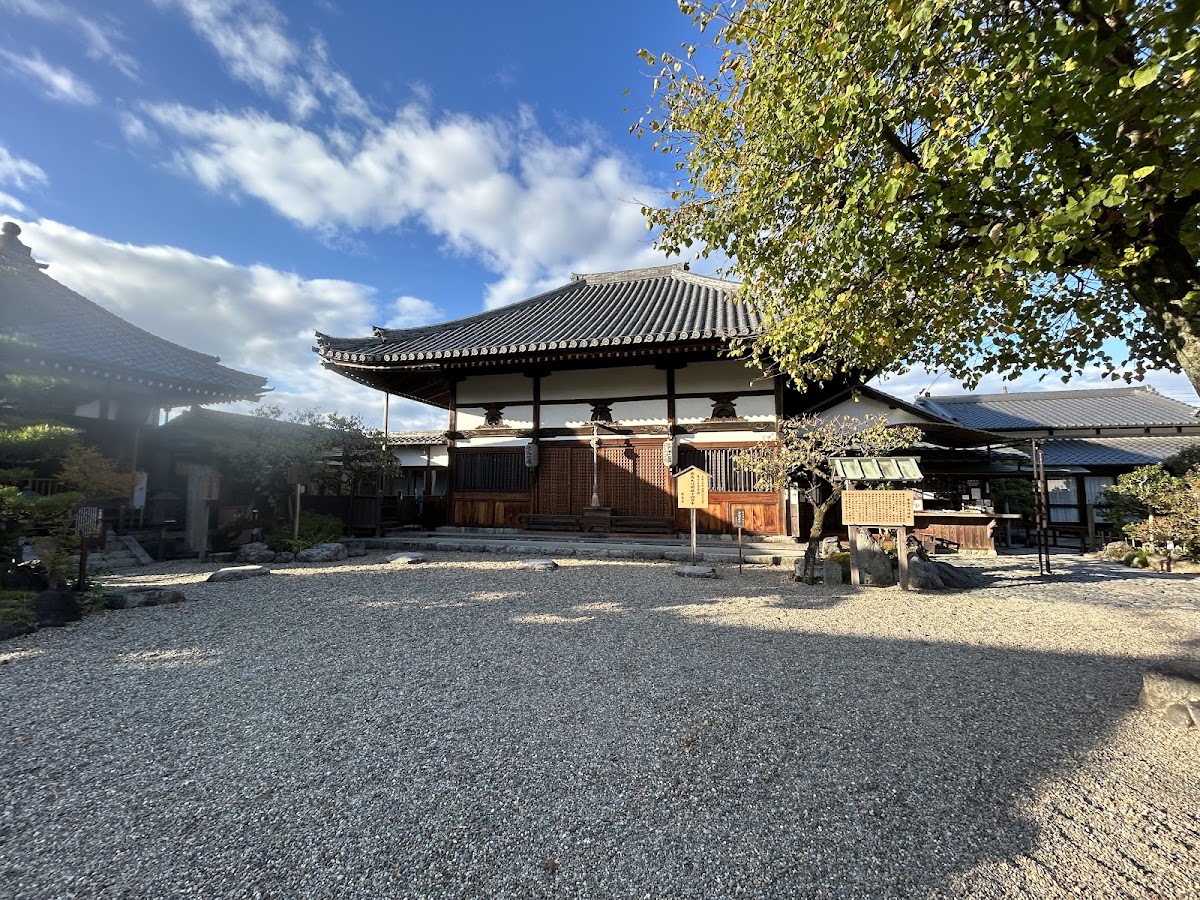
The main hall of Katsuragi-ni-imasu-Honoinoikadzuchi Shrine is constructed in the traditional Shinto architectural style. Visitors offer prayers at the prayer hall facing the main hall, following the proper etiquette of two bows, two claps, and one final bow.
The shrine grounds are enveloped in a solemn atmosphere, and walking along the approach lined with ancient trees creates a sense of spiritual purification.
Shrine Nameplate and Stone Monuments
The shrine nameplate at the entrance bears the characters “Katsuragi-ni-imasu-Honoinoikadzuchi Shrine,” and the “Honoinoikadzuchi” characters have become a popular photo spot for Demon Slayer fans. Stone monuments within the grounds record the shrine’s history and origins, which visitors are encouraged to read.
Russian Cannon
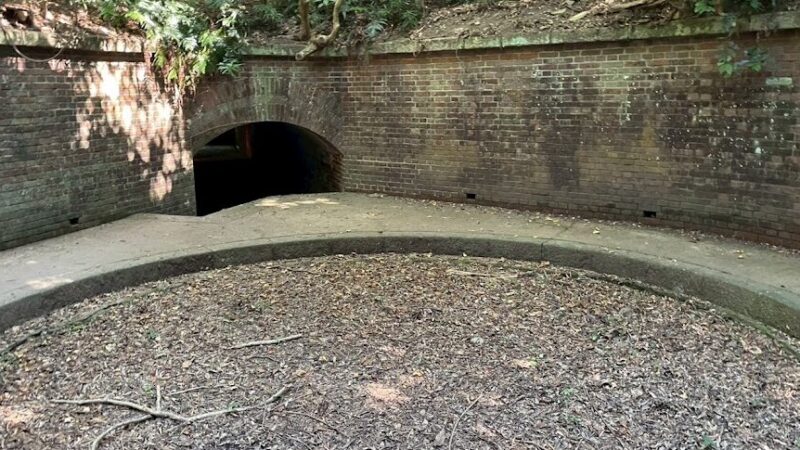
A particularly striking feature in the shrine grounds is a Russian cannon presented as a war trophy from the Russo-Japanese War. This artifact from the Meiji era holds significant historical value and is preserved as a relic conveying the importance of peace.
This cannon tells the story of the difficult battles experienced by Japan at the time and is carefully maintained as part of the shrine’s history.
Votive Plaque Display Area
The votive plaque display area contains both traditional plaques for music improvement and fire prevention wishes, as well as numerous colorful plaques featuring Demon Slayer characters. Some fans create professional-quality illustrations to present as plaques, making the space enjoyable simply to view.
The plaques contain wishes such as “I want to become as strong as Tanjiro” and “I hope my music skills improve,” naturally connecting the message of the series with the shrine’s blessings.
Purification Basin
A purification basin for cleansing the body and mind before worship is also maintained. By properly cleansing hands and mouth before worship, visitors can show greater respect to the deity.
Annual Events and Festivals
Annual Grand Festival
Katsuragi-ni-imasu-Honoinoikadzuchi Shrine holds its annual grand festival each autumn. This traditional festival, with community-wide participation, features a sacred palanquin procession and dedication ceremonies. It preserves the history of the shrine functioning as the center of the community.
Fire Burning Ritual
Fitting for a shrine dedicated to the fire deity, the fire burning ritual is an important annual observance. A sacred fire ritual is performed before the altar to pray for health throughout the year and protection from fire.
New Year Visits and Year-Round Observances
Many visitors come during the New Year period to pray for peace throughout the year. Various Shinto rituals are performed throughout the year, including the Bean-Throwing Festival and the Mid-Year Purification Ceremony.
Proper Conduct and Etiquette When Visiting
Basic Visiting Etiquette
The basic etiquette for visiting a Shinto shrine is as follows:
- Bow at the torii gate: Before entering the sacred grounds, bow at the torii gate
- Purify at the basin: At the purification basin, cleanse the left hand, right hand, and mouth in that order
- Walk along the edge of the approach: The center of the approach is considered the path of the deity, so walk along the sides
- Worship at the prayer hall: Offer prayers using the proper etiquette of two bows, two claps, and one final bow
- Bow upon departure: Turn and bow as you exit through the torii gate
Important Points When Cosplaying
While some Demon Slayer fans visit in costume, the following points require attention:
- Remember that a shrine is a sacred place and conduct yourself with appropriate decorum
- Be considerate of other visitors and avoid causing disturbance
- Respect photography restrictions and areas closed to visitors
- Avoid loud conversations and noise
- Take all trash with you
How to Present Votive Plaques
When presenting votive plaques, follow these steps:
- Receive a plaque from the shrine office
- Write your wishes and name carefully (if drawing an illustration, do so with care)
- Present the plaque in the display area
- Offer your wishes with heartfelt sincerity
When drawing illustrations on plaques, maintain dignity by considering that other visitors will view them.
Access Information
Access by Train
From Kintetsu Goseisen Line “Oshio Station”
- Approximately 15 minutes on foot (about 1.2 km)
- About 5 minutes by taxi
From Kintetsu Minami-Osaka Line “Shakudo Station”
- Approximately 20 minutes on foot (about 1.5 km)
- About 7 minutes by taxi
The route from Oshio Station is most common, exiting the station heading northwest through residential areas to reach the shrine. Directional signs along the way make it relatively easy for first-time visitors.
Access by Car
From the Osaka direction
- Approximately 10 minutes from “Katsuragi IC” on the Minami-Hankoku Expressway
- Approximately 15 minutes from “Kashiba IC” on the Nishi-Meishin Expressway
From the Kyoto and Nara direction
- Approximately 15 minutes from “Gose IC” on the Kyo-Nana Expressway
The shrine has a dedicated visitor parking lot.
Parking Information
- Operating hours: 7:00 AM to 5:00 PM
- Number of spaces: Approximately 20 (free)
- Note: Expect congestion on holidays and during festival periods, so early arrival is recommended
Bus Access
It is possible to use Nara Kotsu buses from Kintetsu Goseisen Station or Kintetsu Shinjō Station, but since bus frequency is limited, checking the schedule in advance is recommended.
Nearby Tourist Attractions
Taimaji Temple
Located about 10 minutes by car from Katsuragi-ni-imasu-Honoinoikadzuchi Shrine, Taimaji Temple is an ancient temple founded during the Nara period. It offers abundant attractions including the National Treasure east and west pagodas and the Taimaji Mandala, famous from the legend of Princess Chūjō.
Katsuragi Mountain
Katsuragi Mountain, the symbol of Katsuragi City, is a 959-meter peak accessible by ropeway to the summit. Beautiful azaleas appear in spring and autumn foliage in fall, making it a popular hiking spot.
Sekkōji Temple
Known as the “Kansai Flower Temple,” Sekkōji Temple is famous for peonies and herbaceous peonies. In spring, approximately 4,000 peonies bloom, attracting many tourists.
Nijōzan Mountain
Located on the border between Katsuragi City and Osaka Prefecture, Nijōzan Mountain has been an object of worship since ancient times. Also known for being the burial site of Prince Ōtsu, it is popular with history enthusiasts.
Shrine Office Information and Available Items
Shrine Office Hours
- Hours: 8:30 AM to 4:30 PM
- Closed: Generally open year-round (hours may change during year-end and New Year’s period)
Calligraphic Seals
Katsuragi-ni-imasu-Honoinoikadzuchi Shrine offers calligraphic seals (goshuin) written carefully at the shrine office, which are popular as commemorative items of worship. You may bring your own seal book or purchase one provided by the shrine.
Protective Amulets and Available Items
The shrine offers the following protective amulets and items:
- Fire Prevention Amulet: An amulet for fire prevention through the virtues of Honoinoikadzuchi no Okami
- Music Improvement Amulet: An amulet for improvement in instrumental and vocal skills through the grace of Amagakayamano Mikoto
- Household Safety Amulet: An amulet protecting family health and peace
- Traffic Safety Amulet: An amulet for safety in automobiles and bicycles
- Votive Plaques: Plaques for writing wishes and presenting (illustrations may also be drawn)
These items are provided with careful explanation at the shrine office.
Appropriate Dress and Items to Bring
Dress Code
There is no specific dress code for shrine visits, but considering the sacred nature of the place, wear clean and appropriate clothing. Pay particular attention to the following:
- Avoid excessively revealing clothing
- Choose comfortable walking shoes over sandals (the grounds have gravel paths)
- Remember sun protection in summer and warm clothing in winter
Items to Bring
Items that are convenient to bring when visiting include:
- Seal book: Essential for those collecting calligraphic seals
- Camera: For photographing the beautiful scenery and taking commemorative photos (follow photography etiquette)
- Cash: For monetary offerings and purchasing items (the shrine office often does not accept cashless payment)
- Drinks: Especially in summer for heat stroke prevention
- Handkerchief/towel: For drying hands after purification
Attractions of Katsuragi City
Katsuragi City, where Katsuragi-ni-imasu-Honoinoikadzuchi Shrine is located, is positioned in the western part of Nara Prefecture and has been a stage of history since ancient times. As the base of the Katsuragi clan, it has numerous historical sites and ancient temples and shrines scattered throughout the city.
History and Culture
Katsuragi City, as the base of the ancient Katsuragi clan, played an important role in the establishment of the Yamato state. Frequently appearing in both the “Kojiki” and “Nihon Shoki,” it is known as a place where mythology and history intersect.
Natural Environment
Surrounded by mountains such as Katsuragi Mountain and Nijōzan Mountain, Katsuragi City is blessed with abundant natural environment. It offers beautiful scenery throughout the seasons and is popular as a hiking and nature exploration destination.
Local Specialties and Cuisine
Local specialties of Katsuragi City include hand-drawn noodles from Tōma no Ya and fresh vegetables cultivated locally. Additionally, numerous restaurants in the area serve Nara Prefecture’s regional cuisine, allowing visitors to enjoy local food along with sightseeing.
Conclusion: A Sacred Place Where History and Contemporary Culture Intersect
Katsuragi-ni-imasu-Honoinoikadzuchi Shrine (Usui Shrine) is a place of unique charm, combining approximately 2,000 years of history as a revered shrine with connections to contemporary pop culture.
The two primary enshrined deities, Honoinoikadzuchi no Okami and Amagakayamano Mikoto, each offer specific blessings—fire prevention and music improvement respectively—and have been deeply revered by people of specific professions and skills throughout history. This traditional faith continues unchanged today, with firefighters and musicians regularly visiting to worship.
On the other hand, the shrine’s role as a pilgrimage site for “Demon Slayer” has brought new groups of visitors to the shrine. When fans of the series visit, they have an opportunity to encounter Japanese traditional culture and Shinto, serving as a bridge between younger generations and shrine culture.
The vividly colored votive plaques dedicated by fans and visitors in cosplay costumes may seem different from the traditional image of a shrine. However, shrines are fundamentally places that change with the times while continuing to accept the wishes and prayers of people. In that sense, Katsuragi-ni-imasu-Honoinoikadzuchi Shrine exemplifies one form that shrines take in the contemporary world.
When visiting Katsuragi City in Nara Prefecture, be sure to visit Katsuragi-ni-imasu-Honoinoikadzuchi Shrine. Whether as a Demon Slayer fan seeking pilgrimage, a music lover praying for skill improvement, or a history enthusiast exploring an ancient place of faith, you will discover the shrine’s appeal from your own perspective.
When visiting, remember that the shrine is a sacred place, and by following proper etiquette and offering heartfelt prayers, you will have a more profound experience. May the blessings of Honoinoikadzuchi no Okami and Amagakayamano Mikoto be upon you all.
Basic Information
Shrine Name: Katsuragi-ni-imasu-Honoinoikadzuchi Shrine (葛木坐火雷神社)
Common Name: Usui Shrine (笛吹神社)
Location: 448 Usui, Katsuragi City, Nara Prefecture 639-2135
Phone Number: 0745-62-5024
Shrine Office Hours: 8:30 AM to 4:30 PM
Parking: Available (free, approximately 20 spaces) 7:00 AM to 5:00 PM
Shrine Rank: Engi-shiki-registered shrine (major shrine), former village shrine
Enshrined Deities: Honoinoikadzuchi no Okami, Amagakayamano Mikoto
Supporting Deities: Ōhirume no Muchi no Mikoto, Takaimusuhi no Mikoto, Amatsuiko Honininigi no Mikoto, Ikohitsuhe no Mikoto
Primary Blessings: Fire prevention, music improvement, household safety, misfortune prevention
Nearest Station: Kintetsu Goseisen Line “Oshio Station,” approximately 15 minutes on foot
Official Website: None (information available through Katsuragi City Tourism Association, etc.)