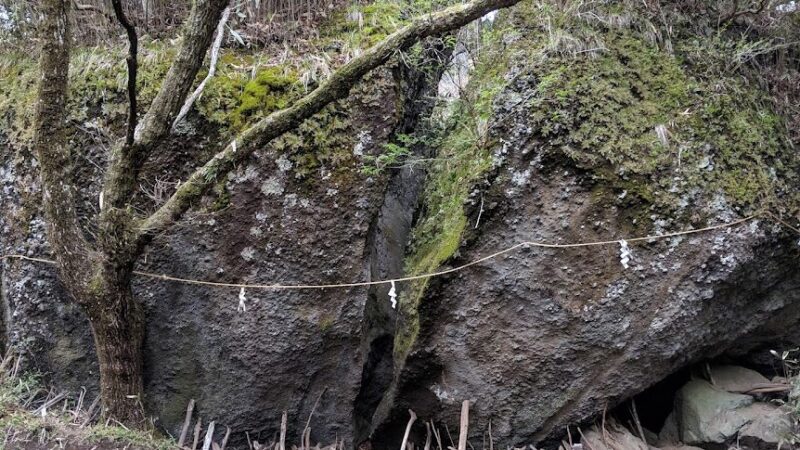
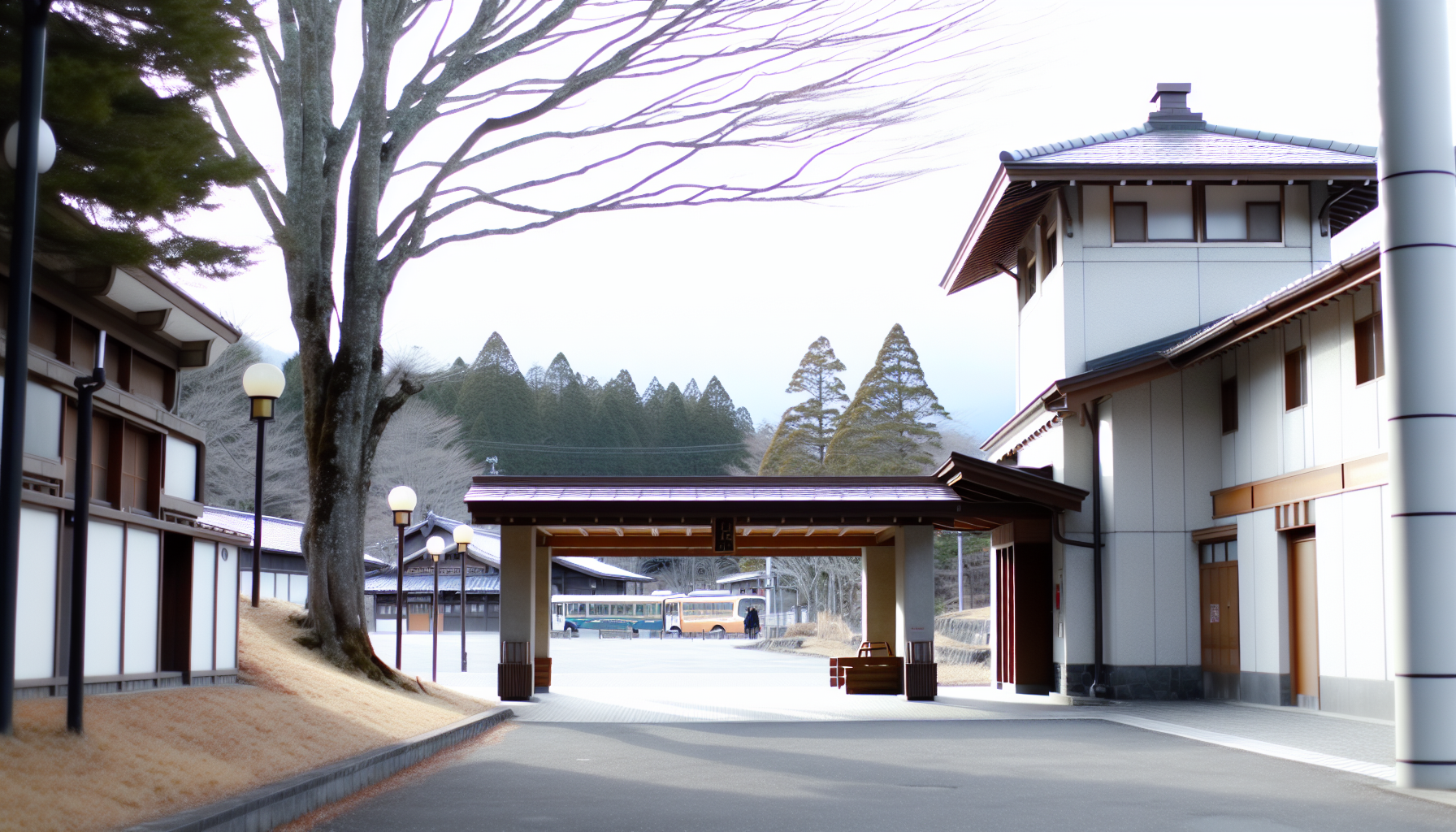
The hit work “Demon Slayer: Kimetsu no Yaiba” has attracted the attention of many fans through the Nasu Onsen Shrine, which stands in Nasu Town, Nasu District, Tochigi Prefecture, as a place where visitors can experience the world of the series. This article provides detailed information useful for those planning a pilgrimage to sacred sites, including why Nasu Onsen Shrine has become a topic as a sacred site for Demon Slayer, the history and background of the shrine, highlights to see during visits, and access methods.
Why Nasu Onsen Shrine is Drawing Attention as a Sacred Site for Demon Slayer
A Mystical Atmosphere That Overlaps with the Series’ World
Nasu Onsen Shrine is a sanctuary with a mystical atmosphere that evokes various scenes from Demon Slayer. The moment you step into the grounds, a tranquil space surrounded by deep forest spreads before you, creating a landscape that overlaps with the mountain training sites and shrine scenes depicted in the series.
In particular, the pathways lined with ancient trees, stone steps, and the solemn atmosphere around the main building remind visitors of the places where Tanjiro and others trained and the scenes of shrines visited by the Demon Slayer Corps members. Combined with the beautiful natural scenery of each season, it truly feels as though one has stepped into the world of the series.
Common Ground with the Theme of Hot Springs and Healing
As its name suggests, Nasu Onsen Shrine has deep connections to hot springs. In Demon Slayer’s “Swordsmith Village Arc,” hot springs play an important role as a setting where injured corps members heal their bodies through hot spring therapy. The history of Nasu Onsen Shrine being revered as the guardian deity of the Nasu hot spring area perfectly aligns with the themes of hot springs and healing in the series.
The Nasu Yumoto Hot Spring town spreads around the shrine, making it possible to actually enjoy hot springs, turning Nasu Onsen Shrine into a premier pilgrimage spot where visitors can experience the world of the series more deeply.
Recognition as a Sacred Site Spread Through Social Media
The widespread recognition of Nasu Onsen Shrine as a sacred site for Demon Slayer has largely been due to fans sharing information on social media. Photos of the mystical shrine grounds and posts pointing out connections to the series have spread, gaining popularity as a “place where one can feel the world of Demon Slayer.”
It has also become popular among cosplayers as a photography spot, with many photos of people dressed as characters from the series being posted. However, since a shrine is a sacred place, it is important to show consideration to other visitors and follow proper etiquette when taking photographs.
The History and Background of Nasu Onsen Shrine
An Ancient Shrine with Over 1,300 Years of History
The founding of Nasu Onsen Shrine is said to trace back to around the 7th century. According to shrine records, when a hunter who had injured a deer while hunting followed it into the mountains, an old man appeared and told him of the existence of a hot spring where the deer was healing its wounds. The shrine is said to have been founded when a shrine was built in gratitude for the discovery of this hot spring.
This origin story resonates with the themes of “healing” and “rebirth” in Demon Slayer, holding special significance for fans of the series.
A Prestigious Shrine Recorded in the Engi Shiki Jinmeicho
Nasu Onsen Shrine is recorded in the Engi Shiki Jinmeicho (an official registry of shrines compiled in the early 10th century). While there are ten shrines nationwide bearing the name of hot springs, the spiritual power of Nasu Onsen Shrine has been particularly highly evaluated.
Official records from the Nara period, such as documents in the Shosoin, indicate that nobility visited the shrine to bathe in its hot springs, establishing it as a central location in “hot spring worship” throughout history.
A Sacred Site for Prayers of Victory Associated with Nasu Yoichi
Nasu Onsen Shrine is also famous as the place where Nasu Yoichi, an expert archer who distinguished himself in the Genpei War, prayed for victory in battle. A tradition remains that he prayed at this shrine before shooting the fan target at the Battle of Yashima.
From this history, Nasu Onsen Shrine became known for its benefit of prayers for victory, and to this day it attracts visitors praying before exams and competitions. It is recognized as a powerful spiritual power spot that connects to the themes of battle and victory in Demon Slayer.
The Grounds and Highlights of Nasu Onsen Shrine
The Solemn Grand Torii Gate and Approach Path
The entrance to Nasu Onsen Shrine is greeted by a magnificent grand torii gate. Passing through this gate, a pathway enveloped in deep green continues, guiding visitors into a sacred space removed from the hustle and bustle of everyday life.
On both sides of the pathway stand towering cedar trees with ages exceeding several hundred years, their solemn atmosphere evoking the mountain landscapes depicted in Demon Slayer. Especially at dawn or dusk, the light filtering through the trees creates a fantastical scenery, allowing visitors to feel the world of the series even more strongly.
The Austere Main Hall and Worship Hall
As you proceed along the pathway, the heavy structure of the main hall and worship hall comes into view. Built during the Edo period, these buildings convey the beauty of traditional shrine architecture to the present day, their appearance inspiring a sense of sacredness that transcends time.
The tranquil atmosphere around the main hall overlaps with scenes of sacred places and rituals in Demon Slayer, and many fans experience a sense of unity with the world of the series here. During worship, we recommend slowly taking in the atmosphere of the shrine grounds while observing shrine etiquette.
Sacred Trees and the Power of Nature
Multiple sacred trees with ages exceeding several hundred years exist within the grounds, each known as a powerful spiritual power spot. These giant trees, having accumulated natural energy over long years, bestow healing and vitality upon those who visit.
In Demon Slayer, the power of nature and breathing techniques are important elements, and standing before the sacred trees of Nasu Onsen Shrine allows one to realize the “unity with nature” depicted in the series. By taking deep breaths while feeling the energy of the trees, visitors can refresh both body and mind.
The Sacred Hot Spring Source Where Waters Flow
The greatest characteristic of Nasu Onsen Shrine is the presence of a hot spring source near the shrine grounds. This source is known as “Shika no Yu” (Deer Hot Spring) and is the historical hot spring that inspired the founding of the shrine. The area around the sulfur-scented source evokes the atmosphere of the hot spring scenes in the “Swordsmith Village Arc.”
The source is located a short walk from the shrine, and multiple hot spring facilities where visitors can actually bathe are in the nearby area. After pilgrimage, visitors can experience the series’ worldview by bathing in the hot springs to heal their fatigue.
The Benefits and Talismans of Nasu Onsen Shrine
Benefits of Prosperous Business, Household Safety, and More
Nasu Onsen Shrine is known for a wide range of benefits including prosperous business, household safety, recovery from illness, physical health, and good fortune in love. Particularly, as the deity of hot springs, it is said to possess strong benefits related to health and healing.
With benefits that align with Demon Slayer’s themes of “bonds of family” and “bonds of comrades,” many visitors pray for the health and happiness of loved ones.
A Spiritual Power Spot for Prayers of Victory
As mentioned earlier, it is also famous for benefits of victory in prayer due to the legend of Nasu Yoichi. Visitors come without end before important turning points in life such as exams, job interviews, and sports competitions.
This resonates with the messages in Demon Slayer of “a heart that does not give up” and “courage to face difficulties,” making the shrine a sacred site for fans to apply the strength gained from the series to real-world challenges.
Special Talismans and Sacred Seals
Nasu Onsen Shrine distributes various types of talismans. Visitors can choose talismans suited to their purpose, such as those for health, victory, or romance.
Sacred seals are also popular, with many receiving them as mementos of their visit. We recommend adding Nasu Onsen Shrine’s sacred seal to your seal book as a keepsake of your pilgrimage. However, it is important to understand that a sacred seal is evidence of worship, not a stamp rally, and to receive it with proper respect.
Access Methods and Precautions During Visits
Access by Train and Bus
When using JR:
- Get off at JR Tohoku Main Line “Kuroiso Station”
- Board the Tono Transportation bus heading toward “Nasu Yumoto”(approximately 35 minutes)
- Get off at “Nasu Yumoto” bus stop, approximately 5 minutes walk
Since buses from Kuroiso Station run about one to two times per hour, it is recommended to check the schedule in advance. In particular, it is important to know the time of the return bus.
Access by Car and Parking Information
When using a car:
- Approximately 20 minutes from “Nasu IC” on the Tohoku Expressway
- Address: 325-0301 Nasu Town, Nasu District, Tochigi Prefecture, Yumoto 182
Important Note:
There have been reports of being directed to a different location when entering “Nasu Onsen Shrine” into a car navigation system. When you see the shrine’s grand torii gate, please park at the prefectural parking lot in front of the gate. This parking lot can be used free of charge.
The distance from the parking lot to the shrine is just a short walk, but since the pathway has stone steps, we recommend wearing comfortable shoes for your visit.
Etiquette and Attire During Visits
Nasu Onsen Shrine is both a tourist destination and a sacred place revered by local residents. Please observe the following etiquette during your visit:
Basic Visit Etiquette:
- Bow once before passing through the torii gate
- Avoid walking in the center of the pathway (the center is where the deity passes)
- Purify your hands and mouth at the water purification basin
- Offer worship at the worship hall with the ritual of two bows, two claps, and one bow
- Refrain from loud conversation or disruptive behavior
Notes on Photography:
- Be considerate so as not to disturb other visitors
- Do not photograph in areas such as the interior of the main hall where photography is prohibited
- Obtain prior confirmation and permission from the shrine before cosplay photography
- When posting to social media, do not forget respect for the shrine
Regarding Attire:
- Avoid clothing with excessive skin exposure
- The pathway has stone steps and slopes, so choose comfortable shoes
- Take appropriate measures for temperature depending on the season
Appropriate Seasons and Times for Visiting
Nasu Onsen Shrine has beautiful aspects throughout all four seasons, each with different attractions:
Spring (April to June):
Fresh greenery is beautiful, and visitors can enjoy worship in clear, refreshing air. The Golden Week period may be crowded.
Summer (July to August):
The grounds, enveloped in deep green, are cool and ideal as a summer retreat. As the Nasu highlands become a tourist season, early morning visits are recommended.
Autumn (September to November):
The autumn foliage season is particularly beautiful, allowing visitors to feel the world of Demon Slayer even more strongly. Mid-October through early November is the best time to view the foliage.
Winter (December to March):
The shrine covered in snow is fantastical, with its tranquil atmosphere becoming more pronounced. Winter tires and non-slip shoes are necessary due to the possibility of icy roads.
Recommended Times of Day:
Early morning (around 7 to 9 AM) has fewer visitors, allowing for quiet worship. Visiting in the clear morning air allows one to feel the world of the series more deeply.
Sacred Site Pilgrimage Spots Around Nasu Onsen Shrine
Hot Spring Experience in Nasu Yumoto Hot Spring Town
Right near Nasu Onsen Shrine, the Nasu Yumoto Hot Spring town spreads out. “Shika no Yu,” the historical hot spring that inspired the shrine’s founding, currently offers day-trip bathing. A sulfur hot spring with strong therapeutic benefits, it is exactly where one can experience the bathhouses of the “Swordsmith Village Arc.”
The hot spring town has multiple day-trip bathing facilities and traditional inns, perfect for healing from the fatigue of pilgrimage. While soaking in the hot springs, visitors can recall scenes of the series’ characters finding healing in hot springs.
Sesshoseki Stone and the Nature of Nasu Highlands
Within walking distance of Nasu Onsen Shrine is the famous “Sesshoseki” (Killing Stone). This location features barren landscapes where volcanic gases emit, evoking an atmosphere reminiscent of the otherworldly or demonic realms in Demon Slayer.
Surrounded by the legend of the nine-tailed fox, the area around Sesshoseki is a mystical spot woven together by unique sulfurous odors and rugged nature. Visiting both Nasu Onsen Shrine and Sesshoseki allows one to experience the contrast of “light and darkness” and “sacred and profane” in the series.
The Wisteria of Ashikaga Flower Park
Another famous Demon Slayer sacred site in Tochigi Prefecture is “Ashikaga Flower Park” in Ashikaga City. This location is talked about as the model for “Mount Fujizakura” in the series, and is particularly spectacular when wisteria flowers bloom from late April through early May.
Located about an hour and a half by car from Nasu Onsen Shrine, it is possible to visit both in a single day. During wisteria season, a fantastical landscape evoking important scenes from the series spreads before visitors.
Ashikaga School and Nagakusa Megaliths
Also in Ashikaga City, “Ashikaga School” is a topic of discussion as a spot resembling the atmosphere of the Ubuyashiki Mansion. Known as Japan’s oldest school, this historically significant building has a solemn atmosphere reminiscent of the Demon Slayer Corps headquarters.
Additionally, the “Nagakusa Megaliths” in Ashikaga City, with massive rocks scattered throughout as if cleaved by the rocks Tanjiro cut during training, have become pilgrimage sites. In particular, the “Benkel’s Split Stone” is impressive with its boulder split cleanly in two.
Sacred Site Pilgrimage Model Courses Including Nasu Onsen Shrine
Day Trip Course: Concentrated Nasu Area Plan
9:00 AM Nasu Onsen Shrine visit
10:00 AM Sesshoseki viewing
11:00 AM Hot spring experience at Shika no Yu
12:30 PM Lunch at Nasu Yumoto Hot Spring town
2:00 PM Nasu Highlands nature walk (enjoying seasonal beauty)
4:00 PM Shopping at Nasu souvenir shops
5:00 PM Return journey
This course, concentrated in the Nasu area, minimizes travel time and allows for a leisurely pilgrimage experience.
One Night, Two Day Course: Complete Conquest of Tochigi Prefecture Demon Slayer Sacred Sites
Day 1:
10:00 AM Arrival in Ashikaga City, Ashikaga Flower Park (during wisteria season)
1:00 PM Ashikaga School visit
3:00 PM Visit Nagakusa Megaliths (Benkel’s Split Stone)
5:00 PM Move to Kinugawa Hot Spring area, overnight stay
Day 2:
9:00 AM Nasu Onsen Shrine visit
10:30 AM Sesshoseki viewing
12:00 PM Lunch and hot spring experience at Nasu Yumoto Hot Spring
2:00 PM Shopping at Nasu Highlands
4:00 PM Return journey
This course efficiently covers the main Demon Slayer sacred sites in Tochigi Prefecture. By staying in the Kinugawa Hot Spring area, visitors can also experience the theme of a “hot spring tour.”
Special Experiences at Nasu Onsen Shrine
Seasonal Festivals and Religious Rites
Throughout the year, Nasu Onsen Shrine performs various festivals and rites. The following events in particular are worth seeing:
Annual Festival (October):
The most important festival at the shrine, featuring traditional rites and dedicated events. It is a precious opportunity to feel the depth of local residents’ faith.
New Year’s Worship (January):
New Year visits are particularly crowded. The shrine grounds are filled with activity as visitors pray for health and happiness in the coming year.
By timing your visit with these festivals, you can experience the shrine’s living faith and deepen your understanding of the sacred ceremony scenes in the series.
The Joy of Collecting Sacred Seals
Nasu Onsen Shrine’s sacred seals are popular as evidence of a visit. Bring your seal book, worship carefully, and then visit the administrative office to receive the seal.
By collecting seals from other Demon Slayer-related shrines throughout Tochigi Prefecture, your pilgrimage memories become even more special. Remember that a sacred seal is not merely a commemorative stamp but proof of your spiritual connection with the deity, and receive it with proper respect.
Appeal as a Photography Spot
Within the shrine grounds of Nasu Onsen Shrine, there are many photo-worthy spots:
- The grand torii gate and approach pathway: particularly beautiful when morning light shines through
- Stone steps in front of the main hall: capture a solemn atmosphere
- Sacred trees: compositions that convey natural power
- Autumn foliage and spring greenery: the harmony of seasonal beauty with the shrine
When taking photos, remember to consider other visitors and maintain respect for the shrine’s sanctity. When posting to social media, consideration should be given to the possibility of location identification and overcrowding.
Tips for Enjoying Pilgrimage to Sacred Sites
Deepen Your Understanding of the Series Before Visiting
To enjoy Nasu Onsen Shrine even more, we recommend thoroughly understanding the world of Demon Slayer before visiting. In particular, reviewing the hot spring scenes in the “Swordsmith Village Arc,” training scenes, and episodes at sacred places will multiply the emotion you feel on location.
By experiencing the series in various forms—anime, manga, and film—and engraving the characters’ feelings and the story’s themes in your heart before visiting, the experience becomes something special beyond mere sightseeing.
Respect and Consideration for the Community
Pilgrimage to sacred sites is, above all, an act of visiting places that are part of the daily lives and faith of local residents. Nasu Onsen Shrine, before being a tourist destination, is a shrine cherished by local people.
Please be mindful of the following points and conduct pilgrimage in a way that does not trouble the community:
- Do not speak loudly or cause commotion
- Always take your trash with you
- Do not trespass on private property
- Follow local rules and etiquette
- Use local shops and facilities, contributing to the local economy
Combining Multiple Sacred Sites
By combining visits to Nasu Onsen Shrine with other sacred sites in Tochigi Prefecture and nearby prefectures, you can create a more fulfilling pilgrimage journey. Using the model courses mentioned above as reference, plan your own route.
Throughout the country, there are numerous sacred sites related to Demon Slayer. By using maps to plan an efficient route and experiencing the world of the series from various angles, your understanding and affection for the series will deepen further.
Conclusion: Experience the World of Demon Slayer at Nasu Onsen Shrine
Nasu Onsen Shrine in Nasu Town, Tochigi Prefecture, is both a shrine with over 1,300 years of history and a special pilgrimage destination for Demon Slayer fans.
The mystical grounds surrounded by deep forest, deep connections to hot springs, and its aspect as a spiritual power spot for prayers of victory where legends of Nasu Yoichi remain—these various elements interweave with the world of the series. In particular, the themes of hot springs and healing in the “Swordsmith Village Arc” can actually be experienced at Nasu Onsen Shrine and the surrounding hot spring town.
When visiting, it is important to observe shrine etiquette, never forget respect for the community, and approach with affection for and gratitude toward the series. By combining visits with nearby hot springs, nature, and other sacred sites, your pilgrimage journey will become even more fulfilling.
Why not visit Nasu Onsen Shrine and experience the world of Demon Slayer with all your senses, engraving the message the series conveys in your heart? It will surely deepen your understanding of the series and become an unforgettable memory.