
What is Japan Taisho Village? Its Deep Connection with Demon Slayer
Japan Taisho Village is a tourist facility located in Akechimachi, Ena City, Gifu Prefecture, that preserves and recreates the culture and architecture of the Taisho era. This unique “village,” which opened in 1984, has long captivated many tourists as a valuable place conveying the atmosphere of the Taisho era to the present day.
In recent years, it has garnered attention among fans as a “sacred site” due to the popular anime “Demon Slayer” being set in the Taisho era. The worldview of the work aligns perfectly with the streetscape of Japan Taisho Village, becoming a hot topic as a place where visitors can experience stepping directly into the story.
Fully Recreating the Atmosphere of the Taisho Era
At Japan Taisho Village, buildings and streetscapes from the Taisho era (1912-1926) are preserved, and historical structures from the actual Taisho era are scattered throughout. Retro Western-style mansions, wooden houses, stone-paved streets—the world of Taisho romance spreads in every detail.
Since it completely aligns with the historical setting in which the protagonist of “Demon Slayer,” Tanjiro Kamado, is active, it has become a precious place for fans of the work to actually experience the world they had imagined.
History and Origins of Japan Taisho Village
Japan Taisho Village is an unusual tourism concept nationwide where the entire Akechimachi is viewed as a “village.” As part of a town revitalization initiative, prominent figures associated with the Taisho era have been invited to serve as “village mayors” and “village council members,” aiming to preserve and pass down Taisho culture.
The first honorary village mayor was novelist Yoshitaka Takahashi, and subsequently figures such as Kiyotaka Kasugano (former Yokozuna Tochishiki) and Yoko Tsukasa (actress) have served as mayors. The current mayor is Keiko Takeshita, continuing to promote the charm of Taisho culture nationwide.
The Connection Between Akechimachi and the Taisho Era
Akechimachi originally thrived as a sericulture and silk-weaving region during the Taisho era. Since many buildings from that period remained, initiatives began to use these buildings to pass down Taisho culture to future generations.
The entire town functions as a “living museum,” where visitors can tour buildings from the Taisho era scattered across approximately 4 square kilometers, experiencing the lifestyles and culture of the time.
Must-See Spots for Demon Slayer Fans! Highlights of Japan Taisho Village
Taisho Alley
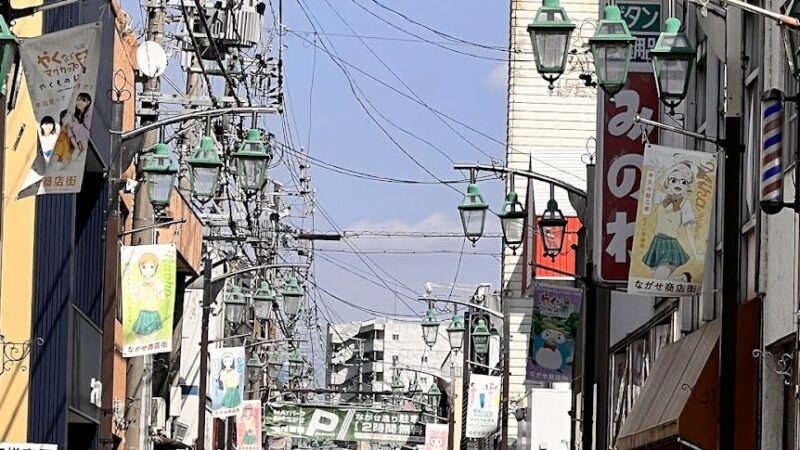
“Taisho Alley,” the main street of Japan Taisho Village, is an area where Taisho-era shops and residences line a stone-paved street. Retro signs and lanterns are displayed, perfectly embodying the world of “Demon Slayer.”
The scenery evokes the streets that Tanjiro visits on his missions, making it a popular spot for cosplay photography. Particularly at dusk, when gas-lamp-style lighting is turned on, you can immerse yourself even more deeply in the world of the story.
Taisho Village Office (Former Akechimachi Town Hall)
This wooden two-story government building constructed during the Taisho era is an iconic symbol of Japan Taisho Village. It retains the architectural style of the period, and the interior is open for viewing. The office displays materials and photographs from the Taisho era, allowing visitors to learn about the administration and daily life of the time.
It’s a spot where you can feel the atmosphere of the Demon Slayer Corps headquarters and government offices that Tanjiro and his companions visit in “Demon Slayer.”
Taisho Roman Hall
“Taisho Roman Hall,” housed in a former bank building, is an exhibition facility introducing Taisho-era culture and art. The hall displays Taisho-era fashion, posters, magazines, and household items, allowing visitors to experience the richness of the era’s culture.
In particular, the exhibition of women’s kimonos and Western clothing is valuable reference material that can give a sense of Taisho Roman aesthetics, which also inspired the character designs in “Demon Slayer.”
Taisho Era Museum
A facility introducing education and school life of the Taisho era, with a recreated classroom from that time. Displays include wooden desks and chairs, blackboards, and organs that evoke nostalgia.
Viewing the exhibition while imagining the training facilities of the Demon Slayer Corps where Tanjiro’s fellow members Zenitsu Agatsuma and Inosuke Hashibira studied allows for deeper immersion in the work’s world.
Yagasuri House
A facility where you can view and experience “yagasuri” (arrow-feather pattern) kimonos, a symbol of Taisho-era schoolgirls. Yagasuri is famous as the pattern of the kimono worn by the heroine of “Demon Slayer,” Nezuko Kamado, making it a particularly meaningful spot for fans.
A service allowing visitors to try on yagasuri kimonos and have their photos taken is extremely popular, with many experiencing how it feels to be Nezuko.
Taisho Village Romantei
A restaurant and café housed in a recreated Taisho-era Western mansion where you can enjoy meals and refreshments in the atmosphere of the time. The menu features Taisho-era dishes and sweets that were popular then, offering a time-slip experience.
The interior recalls Western mansion scenes from “Demon Slayer,” making it a place to relax and immerse yourself in the story’s world.
Access Information | How to Get to Japan Taisho Village
Train Access
From the Nagoya area:
- Get off at “Ena Station” on the JR Chuo Main Line
- Transfer to the Akechitetsu Railway to “Akechitetsu Station” (approximately 50 minutes)
- About 15 minutes walk from Akechitetsu Station, or about 5 minutes by taxi
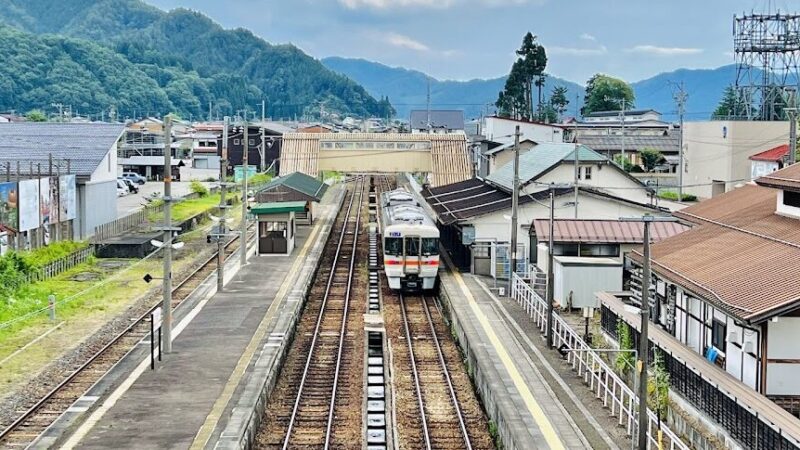
The Akechitetsu Railway is a local line retaining a Taisho-era atmosphere, and the views from the train windows are also enjoyable. Among Demon Slayer fans, many enjoy the railway journey itself.
Car Access
From the Nagoya area:
- Approximately 20 minutes from “Ena IC” on the Chuo Expressway
- Via Route 363 to Achechimachi
Parking Information:
- Japan Taisho Village has multiple free parking lots
- Approximately 50 parking spaces around the Taisho Village Office
- Early arrival is recommended as the area may become congested during tourist season and on weekends
Highway Bus Access
Highway buses operate between Nagoya and Ena City. From Ena Station, the typical route involves transferring to the Akechitetsu Railway to reach Akechitetsu Station.
Admission Fees and Business Hours
Basic Information
- Village Entry Fee: Free (since the entire town functions as the “village,” exploring itself is free)
- Individual Facility Entry Fees: Varies by facility
- Combination ticket for Taisho Village Office, Taisho Roman Hall, and others: Adults ¥500, Elementary/Junior High Students ¥300
- Individual facilities: Approximately ¥200–¥300
- Business Hours: 9:00 AM–5:00 PM (varies by facility)
- Closed Days: Mondays (following day if Monday is a holiday), year-end/new year holidays
※Outdoor streetscape exploration is open year-round
Money-Saving Information
Purchasing combination tickets is economical when visiting multiple facilities. Additionally, discounted ticket packages combining the Akechitetsu Railway’s all-day pass with Japan Taisho Village facility admission are also available.
Ways to Enjoy Japan Taisho Village | Sacred Site Pilgrimage Tips
Cosplay Photography
Many “Demon Slayer” cosplayers visit Japan Taisho Village for photography. The Taisho-era streetscape matches the work’s worldview perfectly, allowing you to capture photos that look just like anime scenes.
Photography Etiquette:
- Be considerate not to disturb other tourists
- Obtain prior permission for photography within facilities
- Separate application is required for commercial use
- Handle weapon replicas with consideration for surroundings
Rental Kimono and Yagasuri Experience
Services at Yagasuri House and similar locations allow you to rent Taisho-era kimonos and explore the village. Many fans enjoy the pilgrimage while wearing the yagasuri-patterned kimono that Nezuko wears.
Dressing services are provided, so even first-time kimono wearers can enjoy the experience safely. Rental fees are typically around ¥2,000–¥3,000 for 2–3 hours of wear.
Taisho-Era Gourmet Experience
At Taisho Village Romantei and nearby dining establishments, you can taste dishes and sweets that were popular during the Taisho era.
Recommended Menu Items:
- Curry rice (representative of the Taisho-era Western food boom)
- Croquettes
- Omelette rice
- Cream soda in a milkshop style
- Taisho coffee
Imagining what Tanjiro and his companions ate during their missions and savoring these dishes brings you closer to the work’s world.
Photo Spot Tour
Japan Taisho Village has numerous photo spots where you can feel the worldview of “Demon Slayer.”
Popular Photography Locations:
- Stone pavement and wooden architecture of Taisho Alley
- Front entrance of the Taisho Village Office
- Retro signs lining the shopping district
- Garden in front of Yagasuri House
- Gas-lamp-style lighting at dusk
Many fans take Instagram-worthy photos and share memories of their sacred site pilgrimage on social media.
Nearby Tourist Spots | Places to Visit Together
Iwamura Castle Ruins (One of Japan’s Three Great Mountain Castles)
Located about 20 minutes by car from Japan Taisho Village, Iwamura Castle Ruins is a historic spot known as one of Japan’s three great mountain castles. The panoramic views from the summit are spectacular, and you can also enjoy the historic atmosphere of the castle town.
The mountainous terrain evokes the battle scenes in “Demon Slayer,” and many fans visit both locations together.
Enakyo Gorge
Ena City’s representative scenic spot, where you can enjoy the gorge beauty of the Kiso River. A scenic cruise lasting about 30 minutes allows you to experience nature through the seasons.
Especially beautiful during autumn foliage season, the scenery reminds you of the natural imagery depicted in “Demon Slayer.”
Akechitetsu Railway Sightseeing Train
The Akechitetsu Railway used to access Japan Taisho Village is itself a tourist attraction. Particularly popular are dining trains like the “Jinenjo Train” and “Kinoko Train,” where you can enjoy dishes made with local ingredients aboard the train.
You can experience the Taisho-era atmosphere of a local railway while enjoying a leisurely train journey.
Historic Streets of Iwamura Town
Iwamura Town, which thrived as the castle town of Iwamura Castle, has old streetscapes with buildings remaining from the Edo period through the Meiji and Taisho eras. Historic sake breweries and merchant houses line the streets, offering a historic atmosphere.
Visiting Iwamura Town together with Japan Taisho Village allows you to feel history and culture more deeply.
Accommodation Information | Lodging Near Japan Taisho Village
Hotels and Inns in Ena City
While there are few large hotels immediately around Japan Taisho Village, Ena City has multiple accommodation options.
- Business Hotels: Several available near Ena Station at reasonable prices
- Hot Spring Inns: Hot spring inns around Enakyo Gorge allow you to enjoy both tourism and hot springs
- Guesthouses and Pensions: Offers a homey atmosphere where you can enjoy local cuisine
Accommodations in Akechimachi
Small accommodation facilities also exist within Akechimachi, recommended for those wanting to stay closer to Japan Taisho Village. Converted traditional houses and guesthouses are available, allowing you to enjoy the Taisho Roman atmosphere throughout your stay.
Day Trip from Nagoya is Possible
Since the distance is manageable (approximately 2 hours one-way) from Nagoya, day-trip tourism is entirely feasible. With an early departure, you can tour Japan Taisho Village and surrounding tourist spots in a single day.
Precautions and Etiquette for Your Visit
Consideration for Local Residents
While Japan Taisho Village is a tourist facility, it is also a town where people actually live. Avoid loud voices in residential areas and nighttime noise, respecting the daily life of local residents.
Photography Etiquette
- Never trespass on private property without permission
- Be considerate so other tourists don’t appear in your photos
- Obtain permission before photographing in shops and restaurants
- Exercise caution regarding location tags when posting to SNS
Seasonal Clothing
- Spring/Autumn: Mornings and evenings can be cool, so bring layers
- Summer: Intense sunlight requires hats and sunscreen
- Winter: Located in mountainous terrain with severe cold; proper winter clothing is essential
- Rainy Days: Stone pavement is slippery, so wear appropriate shoes
Estimated Time Required
- Main facility viewing only: 2–3 hours
- Leisurely exploration and photography: 4–5 hours
- Including nearby tourism: 1 day–2 days/1 night
Event Information | Annual Events at Japan Taisho Village
Taisho Village Festival (May)
Japan Taisho Village’s largest annual event, held every May. Parades with people in Taisho-era costumes, period music performances, and food stalls fill the village with festival atmosphere.
Taisho Romance Festival (October)
An autumn event where exhibitions and workshops introducing Taisho-era culture and art are held. Hands-on programs such as kimono dressing experiences and Taisho-era game experiences are popular.
Christmas Illuminations (December)
During winter, Japan Taisho Village’s streetscape is illuminated. The fusion of retro buildings with modern light displays creates a magical atmosphere.
Reviews and Feedback from Demon Slayer Fans
“Demon Slayer” fans who have visited Japan Taisho Village have provided the following feedback:
- “It truly felt like time-traveling to the Taisho era. I was moved to see streets where Tanjiro and his companions might have walked.”
- “The photo I took wearing a yagasuri kimono is a lifetime treasure. Being able to become Nezuko was amazing.”
- “It’s larger than expected with lots to see. I recommend taking a full day to explore leisurely.”
- “The local people were warm and answered my questions patiently.”
- “The entire experience, including the Akechitetsu Railway journey, became a pilgrimage.”
Souvenir Information | Goods Available at Japan Taisho Village
Japan Taisho Village Original Souvenirs
Each facility at Japan Taisho Village sells original souvenirs.
- Retro postcards from the Taisho era
- Yagasuri-patterned goods (handkerchiefs, drawstring bags, etc.)
- Limited-edition Taisho Village Japanese sweets
- Handicrafts themed around Taisho romance
Local Specialties
Local specialties from Akechimachi and Ena City are also popular souvenirs.
- Kuri kinton (famous Ena City confection)
- Local sake (such as sake from Iwamura Brewing)
- Natural mountain yam products
- Locally-produced vegetables and processed foods
Demon Slayer-Related Goods
While not official collaboration products, goods themed around the Taisho era are popular with fans as they match the worldview of “Demon Slayer.”
Summary | Experience the World of Demon Slayer at Japan Taisho Village
Japan Taisho Village in Akechimachi, Ena City, Gifu Prefecture, is a dream-come-true sacred site for “Demon Slayer” fans. With the Taisho era’s streetscape perfectly preserved, it is a valuable place to realistically experience the work’s worldview and will likely attract even more attention in the future.
Despite being accessible as a day trip from Nagoya, Japan Taisho Village offers an extraordinary, time-slipped experience. As a space for cosplay photography, kimono experiences, Taisho cuisine, and most importantly, sharing love for the work, many fans visit.
For those wanting to deepen their understanding of “Demon Slayer” and feel the air of the era in which Tanjiro and his companions lived, please consider planning a pilgrimage to Japan Taisho Village. It will surely become an unforgettable memory.
Japan Taisho Village, where the flavor of the Taisho era intersects with the story of “Demon Slayer.” Why not experience becoming part of the story at this special village?