
“Yakumaragu” (Yaku mo), which depicts the youth of Mino ware and high school girls set in Tajimi City, Gifu Prefecture, has become a popular pilgrimage destination after its anime adaptation in 2021, with the city selected for two consecutive years on the “88 Anime Pilgrimage Sites Worth Visiting in Japan” list, attracting fans from across the country. This article provides a comprehensive guide to satisfying your journey to Tajimi City, covering major pilgrimage sites featured in the work, efficient pilgrimage routes, and local cuisine.
What is “Yakunaragu Magcup”? The Charm of the Work and Its Relationship with Tajimi City
“Yakunaragu Magcup” is a free comic based on Planet’s original work, depicting a coming-of-age story centered on Mino ware set in Tajimi City, Gifu Prefecture. The narrative follows Himeno Toyokawa, the main character, as she moves to Tajimi, her father’s hometown, joins the pottery club, and grows alongside her friends while experiencing the charm of Mino ware.
Anime Adaptation and Recognition as a Pilgrimage Site
The first season aired in April 2021 and the second season in October 2021, attracting attention for its faithful recreation of actual landscapes in Tajimi City. The work features numerous symbolic locations in the city, including Tajimi Station, Honcho Oribes Street, and Kokkeikei Canal Plaza. The Tajimi City government has established the “Yakunaragu Magcup Promotion Utilization Council” to prepare systems for accepting pilgrimage visitors.
The Fusion of Mino Ware Tradition and Modernity
Tajimi City is a major producer of Mino ware with a history of over 1,300 years. The work serves not merely as tourism promotion but also plays an important role in passing traditional crafts to future generations. Through anime, more fans have developed interest in Mino ware and are participating in actual pottery experiences, significantly contributing to regional revitalization.
The Base of Pilgrimage: The Area Around JR Tajimi Station
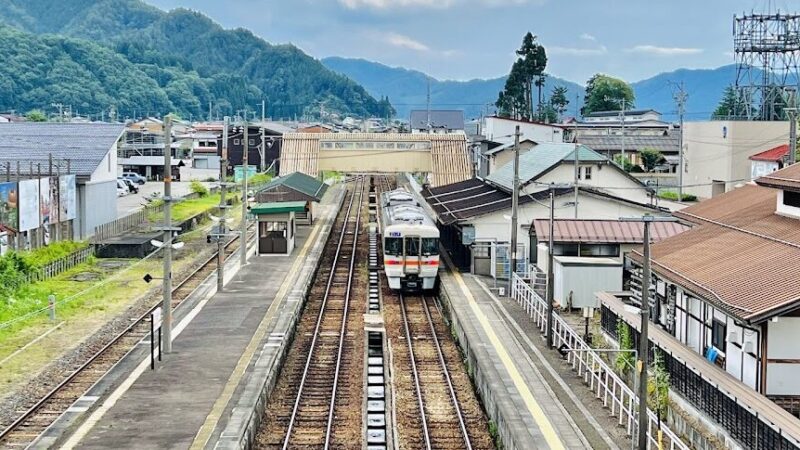
JR Tajimi Station serves as the starting point for pilgrimage visits. With good accessibility at about 40 minutes from Nagoya Station via the Chuo Main Line, the station building and surrounding area contain numerous work-related exhibits.
Points of Interest Inside Tajimi Station
Upon entering the station, you’ll immediately notice large banners and posters of “Yakumo.” Just past the ticket gates, character panels and display spaces recreating anime scenes are set up. The tourist information office inside the station distributes pilgrimage maps for free, allowing first-time visitors to start their pilgrimage with confidence.
Tajimi City PR Center and Toto Creation Hall
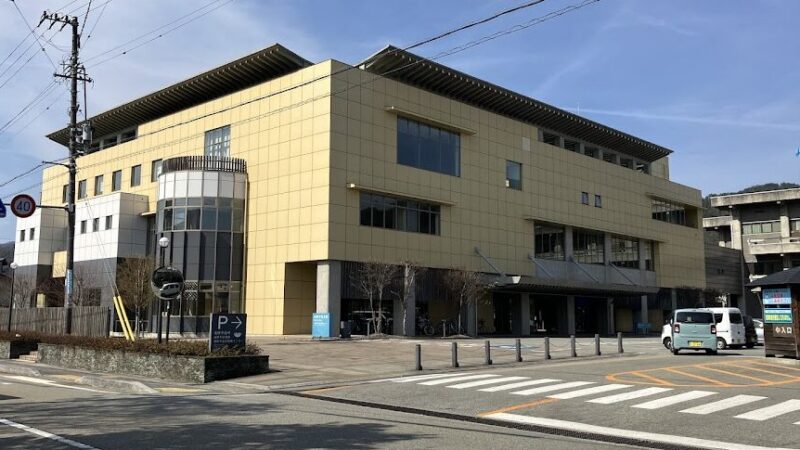
Located about a 3-minute walk from the north exit of Tajimi Station, the Toto Creation Hall is a facility that appears in important scenes in the work. The first floor houses the Tajimi City PR Center, where “Yakumo”-related goods and Mino ware exhibitions are displayed. This is a must-visit spot for fans, as exclusive goods only available here are sold.
Inside the building, visitors can learn about the history and manufacturing process of Mino ware, deepening their understanding of the work. Regular special exhibitions are held, offering new discoveries with each visit.
Tajimi City Hall North Station Building
The Tajimi City Hall North Station Building near the Toto Creation Hall is another building that appears in the anime. Its exterior is faithfully used in the work, and visitors enjoy taking comparison photographs. The area around city hall is an open plaza, perfect for taking photos recreating scenes from the work.
The Main Stage of the Work: Honcho Oribes Street Pilgrimage
Located about a 10-minute walk from the south exit of Tajimi Station, Honcho Oribes Street is the primary setting for “Yakumo.” This quaint shopping district lined with Mino ware ceramic stores, galleries, and cafes is the place where you can most vividly feel the world of the work.
The History and Charm of Oribes Street
Honcho Oribes Street is named after Oribe Furuta, a tea master from the Momoyama period. Inheriting the spirit of Oribe Furuta, who created Oribe ware from Mino ceramics, urban development emphasizing the fusion of tradition and innovation is progressing. Along the stone-paved street, a unique landscape where modern architecture harmonizes with traditional storehouses unfolds.
Details of Pilgrimage Spots
On Oribes Street, there are multiple stores modeled after ceramic shops and cafes visited by Himeno and her friends. Each store displays “Yakumo” posters and panels, welcoming fans warmly. By purchasing Mino ware dishes or enjoying menu items featured in the work at cafes, you can immerse yourself more deeply in the world of the work.
Gallery and Workshop Tours
Around Oribes Street, galleries and workshops operated by active potters are scattered throughout. You can visit places where you can actually see the pottery techniques depicted in the work, experiencing the depth of Mino ware. Pottery experience classes are also held with advance reservations, and creating your own original mug is an excellent keepsake from your pilgrimage.
Nagase Shopping Street and Kokkeikei Canal Plaza Area
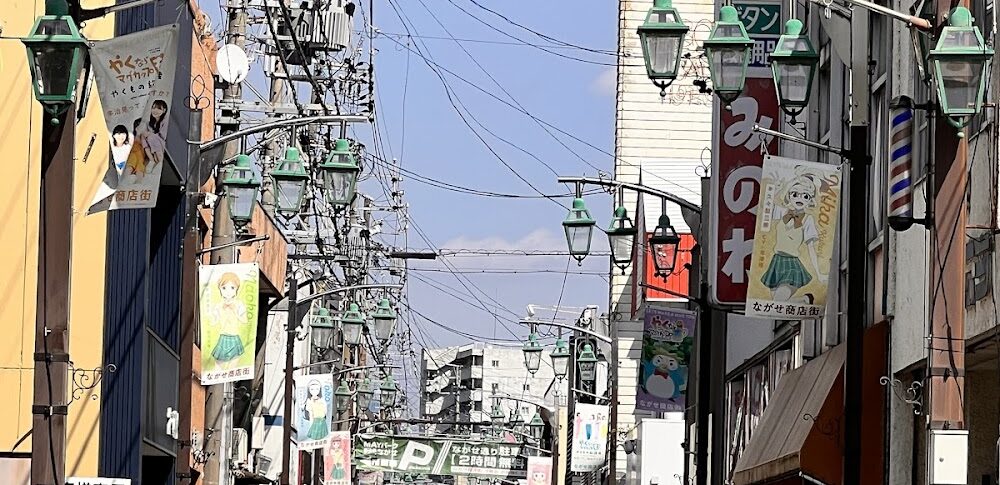
Nagase Shopping Street, extending south from Tajimi Station, and the Kokkeikei Canal Plaza beyond it are also important pilgrimage sites that frequently appear in the work.
Points of Interest in Nagase Shopping Street
Nagase Shopping Street is an arcade shopping street connecting from the south exit of Tajimi Station to Honcho Oribes Street. It is depicted in the work as a place where Himeno and her friends pass through daily, and its approachable atmosphere reflecting the life of local people is appealing. The street is lined with diverse stores, from traditional family shops to new establishments, with abundant dining options serving local cuisine.
Character panels and posters of “Yakumo” are displayed throughout the shopping street, and it’s fun to walk along with the pilgrimage map, checking each one.
Kokkeikei Canal Plaza: An Emblematic Location of the Work
Kokkeikei Canal Plaza is a pilgrimage site particularly featured in impressive scenes in “Yakumo.” It’s a plaza that conveys the history of Kokkeikei Canal, constructed during the Edo period, featuring a walking trail and rest spaces along the waterway. In the anime, scenes of Himeno and friends gathering and conversing take place here, making it recognized by fans as the “holy site among holy sites.”
The plaza has explanatory panels about the work, allowing visitors to enjoy taking photos while comparing anime scenes with actual landscapes. Particularly on sunny afternoons, the lighting matches the anime perfectly, offering ideal shooting timing.
Hidden Pilgrimage Sites Nearby
Around Kokkeikei Canal Plaza, there are hidden pilgrimage sites that appear briefly in the anime. Many fine details are worth checking, including buildings and alleys used as backgrounds. Since some locations are not listed on the pilgrimage map, there’s fun in exploring while rewatching the anime.
Efficient Pilgrimage Model Courses
Here are recommended model courses for visiting major pilgrimage sites within limited time.
Half-Day Course (Approximately 4 hours)
Starting in the morning:
- JR Tajimi Station (30 minutes): View exhibits inside the station, obtain pilgrimage map
- Toto Creation Hall and Tajimi City PR Center (45 minutes): Purchase goods, view Mino ware exhibits
- Tajimi City Hall North Station Building (15 minutes): Photography of exterior
- Nagase Shopping Street (30 minutes): Browse shopping street, have lunch
- Honcho Oribes Street (60 minutes): Visit ceramic shops, take café break
- Kokkeikei Canal Plaza (45 minutes): Photography, explore surroundings
This course allows you to efficiently visit major pilgrimage sites. Since it’s primarily walking, comfortable shoes are recommended.
Full-Day Course (Approximately 8 hours)
For those with more time, a full-day course adding pottery experience and Mino ware museum visits is recommended.
Additional spots for the full-day course:
- Mino Ware Museum: Facility affiliated with Tajimi Ceramic Design Research Institute where you can deeply learn Mino ware history
- Pottery Experience Workshop: Experience creating mugs or plates (reservation required, 2-3 hours)
- Kokkeikei Mountain Eihoji Temple: Zen temple with national treasure architecture, allowing you to touch Tajimi’s history
- Mosaic Tile Museum: Art museum designed by architect Terunobu Fujimori in the neighboring Kasahara Town
With a full-day course, you can deeply understand not just the work’s settings but also the culture and history of Tajimi City.
Recommended Visit Times by Season
Tajimi City is known as “Japan’s hottest city,” with summer temperatures sometimes approaching 40 degrees Celsius. The optimal visiting period for pilgrimage is as follows:
- Spring (March-May): Mild climate ideal for walking tours. Cherry blossom season makes Kokkeikei Mountain Eihoji Temple particularly beautiful
- Autumn (September-November): Fall foliage season offers beautiful scenery, with many events like ceramic festivals
- Winter (December-February): Cold but fewer tourists, allowing leisurely pilgrimage
- Summer (June-August): Heat precautions essential. Use early morning or evening hours for activities
Enjoying Tajimi Cuisine and Mino Ware Experiences During Pilgrimage
The enjoyment of pilgrimage extends beyond visiting the work’s settings. Experience the unique appeal of Tajimi.
Enjoying Local Cuisine with Mino Ware Dishes
Most restaurants in Tajimi City serve dishes using local Mino ware. Model shops of cafes featured in the work serve coffee in beautiful Mino ware mugs. By experiencing the feel and mouthfeel differences of the ceramic, you can more deeply understand the charm of pottery depicted in the work.
Recommended food spots:
- Cafes around Oribes Street: Lunch and sweets served in Mino ware dishes
- Long-established eateries in Nagase Shopping Street: Set meals and noodles beloved by locals
- Izakayas near Tajimi Station: Enjoy local sake in Mino ware drinking vessels
Pottery Experience: Creating Your Own Mug
Just like the main characters in “Yakumo,” actually experiencing pottery is the highlight of pilgrimage. Several pottery experience facilities in Tajimi City welcome beginners to participate easily.
Types of pottery experience:
- Hand-building experience: Shaping clay by hand using traditional methods. High freedom allows creating highly original works
- Electric wheel experience: Shaping on a rotating platform. Experience feeling like a professional potter
- Painting experience: Paint designs on pre-made pottery. Takes short time, often takeable the same day
Most experiences require advance reservation, with completed works sent later by mail (except painting experiences). Experience time is approximately 1.5 to 3 hours, with prices ranging from 2,000 to 5,000 yen.
Enjoying Mino Ware Shopping
Purchasing Mino ware dishes as a pilgrimage memento is recommended. Around Honcho Oribes Street, numerous shops handle diverse Mino ware from traditional Oribe ware to contemporary designs.
Shopping tips:
- Daily-use mugs and rice bowls are available from 2,000 yen
- Artist-made one-of-a-kind pieces can exceed tens of thousands of yen
- “Yakumo” collaboration goods are available at Toto Creation Hall and the PR Center
- The twice-yearly “Mino Ware Festival” offers purchases at lower prices than usual
“Yakumo”-Related Events and Collaboration Information
Throughout the year, Tajimi City hosts “Yakumo”-related events and collaboration projects.
Regularly Held Events
Mino Ware Festival (Spring and Autumn):
Tajimi City’s largest ceramic market, held twice yearly during Golden Week (spring) and around October (autumn). During these periods, “Yakumo” collaboration booths are set up, selling limited edition goods and displaying character panels.
Yakumo Stamp Rally:
Occasionally held pilgrimage stamp rallies. Collecting stamps at major pilgrimage sites yields original goods. Event information can be confirmed on the official website of the “Yakunaragu Magcup Promotion Utilization Council.”
Collaboration Goods Information
The following “Yakumo” collaboration goods are sold at Toto Creation Hall and Tajimi City PR Center:
- Character-designed mugs (Mino ware)
- Acrylic stands, keychains
- Clear files, postcards
- Pilgrimage map attached guidebook
- Limited-time collaboration products
Since many items are limited quantity, checking stock availability on the official website before visiting is recommended.
Voice Actor Events and Fan Exchange
Voice actor talk events and autograph sessions have previously been held in Tajimi City. Latest event information is regularly announced on anime official sites and Tajimi City tourism association social media accounts.
Access Methods and Surrounding Tourism Information
Introduction of access methods to Tajimi City and nearby spots worth visiting alongside pilgrimage.
Access to Tajimi City
By train:
- From Nagoya Station: About 40 minutes via JR Chuo Main Line rapid (680 yen fare)
- From Tokyo area: Via Shinkansen to Nagoya Station
- From Osaka area: Via Shinkansen to Nagoya Station
- From Gifu Station: About 50 minutes via JR Takayama and Tano lines
By car:
- From Tajimi IC on the Chuo Expressway: About 10 minutes to city center
- From Tajimi-Shirakawa IC on the Tokai Ring Expressway: About 15 minutes
- Parking: Multiple coin parking lots near Tajimi Station (200 yen per hour and up)
Accommodation Information
For those wanting to thoroughly enjoy pilgrimage, staying in Tajimi City or nearby areas is recommended.
Accommodation within Tajimi City:
- Business hotels: Multiple near Tajimi Station (5,000-8,000 yen per night)
- Inns: Japanese-style inns where meals are served on Mino ware dishes
- Guesthouses: Affordable prices with opportunities to interact with locals
Nearby accommodation areas:
- Nagoya City: Abundant hotel options, 40 minutes to Tajimi by train
- Toki City: Home to outlet malls, allowing shopping combined with itinerary
Nearby Tourist Spots
Tourist spots in Tajimi City and nearby areas worth visiting alongside pilgrimage:
Within Tajimi City:
- Kokkeikei Mountain Eihoji Temple: Ancient Rinzai Zen temple with national treasure Kannon Hall and Kaisan Hall. Also famous as a red foliage viewing spot
- Tajimi City Mosaic Tile Museum: Tile-specialized art museum in Kasahara Town. Architect Terunobu Fujimori’s innovative building is also noteworthy
- Monastery: Tajimi Monastery is a quiet prayer space with beautiful gardens
Nearby areas:
- Toki Premium Outlet: About 15 minutes by car. Enjoy shopping
- Enakyo Gorge: About 30 minutes by car. Scenic area with sightseeing boats and ropeway
- Magome Juku and Tsumago Juku: About 1 hour by car. Historic post towns retaining Edo period atmosphere
Precautions and Etiquette for Pilgrimage
Consideration for local residents and other tourists is important for enjoyable pilgrimage.
Photography Etiquette
- Always obtain permission before photographing on private property or inside shops
- Be mindful of noise in residential areas; avoid photographing early morning or late night
- Photograph from locations that don’t obstruct traffic
- When using tripods, ensure they don’t interfere with pedestrians
Consideration for Community
- Always take trash with you or dispose of it in designated bins
- Support the local economy by purchasing local products from shops
- Respect residents’ daily lives with restrained behavior
- Avoid unauthorized entry to locations not listed on the pilgrimage map
Heat Precautions (Summer Season)
Tajimi City becomes extremely hot during summer months.
- Make frequent water intake a habit (vending machines available throughout the city)
- Bring heat protection items like hats, umbrellas, and sunscreen
- Avoid extended outdoor activities; take breaks at cafes and indoor facilities
- If experiencing heat illness symptoms (dizziness, headache, nausea), immediately rest in a cool place
SNS Posting Precautions
- Keep location tags to general areas rather than specific addresses
- Check photos before posting to confirm no residents or other tourists are unwantedly featured
- Use spoiler-aware hashtags
Conclusion: Discover Tajimi’s Charm Through “Yakumo” Pilgrimage
“Yakunaragu Magcup” pilgrimage transcends mere anime location visiting, becoming a valuable experience touching Mino ware—a traditional craft—along with Tajimi City’s history and culture. With major pilgrimage sites concentrated within walking distance from Tajimi Station to Kokkeikei Canal Plaza and Honcho Oribes Street, a fulfilling pilgrimage is possible in half to a full day.
By actually experiencing the pottery charm depicted through the work, enjoying cuisine with Mino ware dishes, and feeling the warmth of local people, you can more deeply understand “Yakumo’s” world. With new discoveries on each visit, Tajimi’s pilgrimage sites possess charm worthy of repeated visits.
At the pilgrimage site of anime “Yakunaragu Magcup” in Tajimi City, Gifu Prefecture, fully experience the work’s world and the beauty of traditional craftsmanship. Viewing the same landscapes and breathing the same air as Himeno and her friends will deepen your affection for the work.
Frequently Asked Questions (FAQ)
Q1: What is the optimal duration for pilgrimage?
A1: About half a day (approximately 4 hours) suffices for efficiently visiting major sites. For those including pottery experience and nearby sightseeing, allocating a full day (about 8 hours) is recommended. Since pottery experience takes 2-3 hours, schedule generously when including it.
Q2: Where can I obtain the pilgrimage map?
A2: The map is freely distributed at the tourist information office inside JR Tajimi Station and at the Tajimi City PR Center in Toto Creation Hall. A PDF version is also available for download on the “Yakunaragu Magcup Promotion Utilization Council” official website. With major sites and photos marked, first-time visitors can navigate easily.
Q3: Is advance reservation necessary for pottery experience?
A3: Most pottery experience facilities require advance reservation. Especially on weekends and holidays, one week or more advance reservation is recommended. While some facilities accept same-day reservations, full sessions may prevent participation. Reservations are made through facility websites or phone.
Q4: Where can I purchase “Yakumo” collaboration goods?
A4: Main purchase locations include the Tajimi City PR Center in Toto Creation Hall and stores at Tajimi Station. Character mugs, acrylic stands, and clear files are sold. Popular items may become unavailable, so checking inventory before visiting is wise. Special collaboration products are sometimes sold during ceramic festival periods.
Q5: Is walking alone sufficient for moving within Tajimi City?
A5: Yes, all major sites (Tajimi Station, Toto Creation Hall, Nagase Shopping Street, Honcho Oribes Street, Kokkeikei Canal Plaza) are within walking distance, with Kokkeikei Mountain Eihoji, the furthest, about 20 minutes on foot. For visiting surrounding spots like Kokkeikei Mountain Eihoji Temple and Mosaic Tile Museum, buses, taxis, or rental bikes are convenient. The community bus “Kikyo Bus” also operates within Tajimi City.
Q6: Is Tajimi truly hot in summer? Are precautions necessary?
A6: Yes, Tajimi City is known as “Japan’s hottest city” with summer maximum temperatures often exceeding 38 degrees Celsius, particularly July-August. For outdoor pilgrimage walking, heat protection items like hats, umbrellas, water, and salt tablets are essential. Morning visits or late afternoon tours are recommended. Take adequate breaks at cafes and indoor facilities, progressing at a comfortable pace.
Q7: Can I enjoy it without having watched the work?
A7: Absolutely. As a Mino ware production center, Tajimi City offers abundant attractions including ceramic shops, cafes, and historic structures. However, watching the work beforehand deepens understanding of each spot’s significance and background, enhancing pilgrimage enjoyment significantly. Watching at least several episodes of Season 1 before visiting is recommended.
Q8: Can families with children enjoy it?
A8: Yes, families find it fully enjoyable. Pottery experience offers children’s programs for family participation in art creation. Kokkeikei Canal Plaza’s open space allows children to play, and Nagase Shopping Street has many dining options for family lunches. However, summer heat requires special attention; spring or autumn visits are recommended for young children.


完全ガイド|聖地巡礼と刀鍛冶文化の魅力-800x450.jpg)