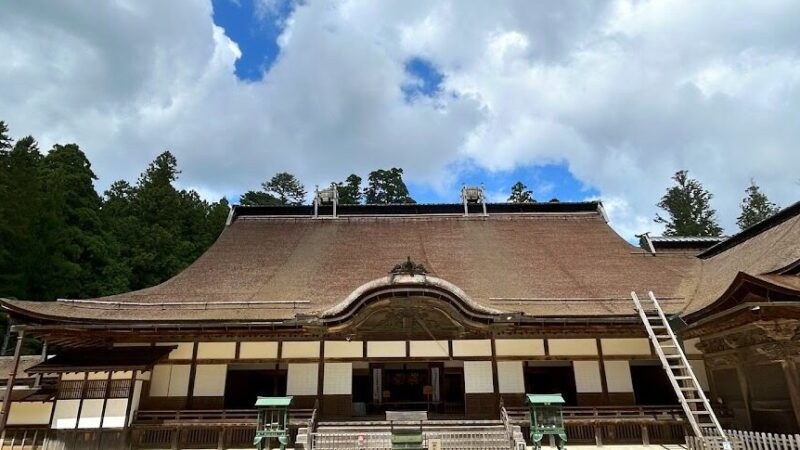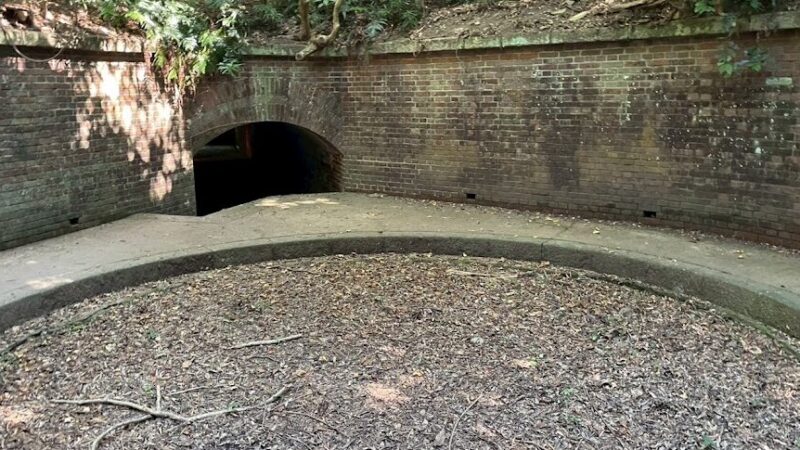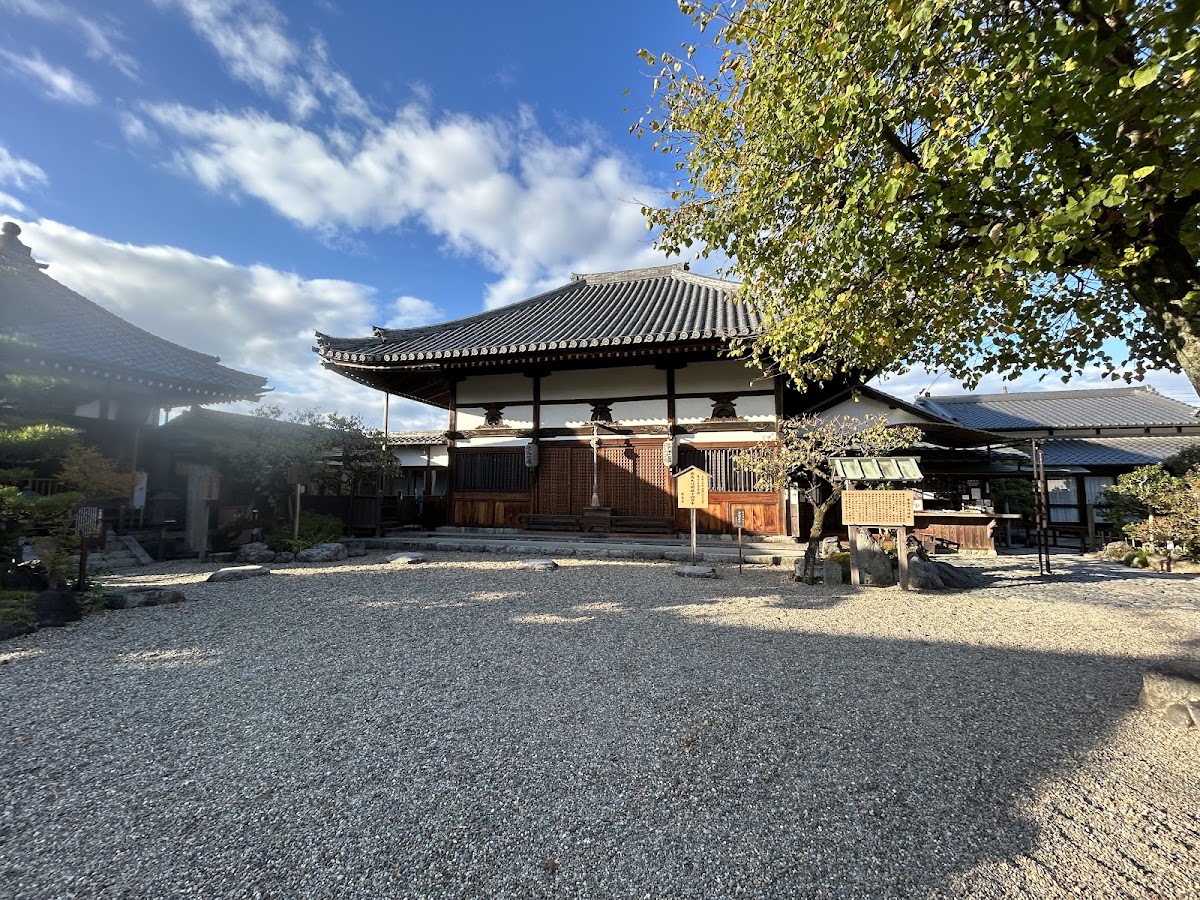

Following the release of the theatrical film “Demon Slayer: Kimetsu no Yaiba – Mugen Train,” the Folk Museum in Gojo City, Nara Prefecture, has garnered attention as a sacred pilgrimage site for “Demon Slayer” fans. The steam locomotive displayed in front of this historic museum bears a striking resemblance to the Mugen Train that appears in the work, becoming a hot topic among fans.
This article comprehensively covers information useful for those planning to visit this sacred pilgrimage site, including the attractions of Gojo City Folk Museum, the similarities between the displayed steam locomotive and the Mugen Train, access methods, photography tips, and nearby “Demon Slayer” related spots.
About Gojo City Folk Museum
A Historic Nagaya-mon Building
Gojo City Folk Museum is housed in a historic structure that served as a nagaya-mon (gatehouse) for the Gojo Daikan office during the late Edo period. After the Gojo Daikan office was burned down by the Tenchu-gumi in Bunkyū 3 (1863), a new Daikan office was constructed at this location the following year. The nagaya-mon built at that time is now utilized as the Folk Museum.
A nagaya-mon is an architectural style used as the main gate of samurai residences and government offices, characterized by rooms built on both sides of the gate. Gojo’s nagaya-mon is preserved as a valuable cultural asset that conveys the construction techniques and historical background of that era to the present day.
Tenchu-gumi Related Exhibits
The museum houses abundant materials related to the Tenchu-gumi, a group known for the pro-emperor, anti-foreign movement of the late Edo period. Portrait paintings of Tenchu-gumi members, photographs tracing their movements, and detailed chronologies allow visitors to understand this historical event from multiple perspectives.
The Tenchu-gumi was a group of pro-emperor, anti-foreign faction samurai who rose in rebellion in Yamato Province (present-day Nara Prefecture) in 1863, with Gojo serving as an important stage for their activities. The museum allows visitors to learn about the late Edo period history of this region, making it a worthwhile facility for history enthusiasts.
Similarities with “Demon Slayer” Mugen Train
Steam Locomotive 8620 Class No. 78675 on Display
Displayed in the front courtyard of Gojo City Folk Museum is a steam locomotive of the 8620 class, No. 78675. Because this locomotive bears a striking resemblance to the Mugen Train featured in “Demon Slayer: Kimetsu no Yaiba – Mugen Train,” it has come to be recognized as a sacred site among fans.
The 8620 class steam locomotive is a representative passenger steam locomotive manufactured in Japan, with production beginning in Taishō 3 (1914). No. 78675 was also manufactured during the Taishō era, perfectly aligning with the time period setting of “Demon Slayer” (the Taishō era).
Specific Similarities with the Mugen Train
1. Alignment of Historical Period
The setting of “Demon Slayer” is the Taishō era, and the 8620 class steam locomotive was indeed a vehicle that operated during that very period. This temporal consistency is a key factor in strongly appealing to fans’ hearts.
2. Distinctive Exterior Features of the Locomotive
The most distinctive characteristic of the 8620 class is the two steam domes (protrusions) on top of the boiler. This distinctive silhouette bears a striking resemblance to the exterior of the Mugen Train that appears in the anime. These two protrusions that store steam at the top of the locomotive are a hallmark of the 8620 class, and similar features can be observed in the design of the Mugen Train.
3. Design as a Passenger Locomotive
The 8620 class was designed primarily for passenger transportation, and as a result, its driving wheels are relatively large. These larger driving wheels are also a characteristic shared with the Mugen Train’s visual design. The design philosophy aimed at achieving higher speeds is reflected in its exterior.
4. Details and Finer Points
Numerous similarities with the Mugen Train can be confirmed in minute details such as the shape of the smokestack, the arrangement of windows in the cab, and the positioning of lamps. Some fans have pointed out that the anime production team may have actually referenced the 8620 class, making it what fans can truly call the “real Mugen Train.”
Why the 8620 Class is Considered the Model for the Mugen Train
The 8620 class steam locomotive was an active locomotive throughout Japan from the Taishō era through the early Shōwa period, with a total of 672 units manufactured. Beloved as “the people’s transportation,” supporting passenger transport on local routes, its appearance is etched in the memories of many Japanese people.
In the production of the anime “Demon Slayer,” the selection of the 8620 class as a steam locomotive symbolizing the Taishō era was an extremely appropriate choice from the perspective of period accuracy. The 78675 unit at Gojo City Folk Museum holds special significance for fans as an actual locomotive bearing such historical background.
Appeal as a Photography Spot
Why It’s Popular with Cosplayers
Gojo City Folk Museum has attracted considerable attention from cosplayers as well. The reasons are as follows:
1. Understanding and Cooperation Regarding Photography
The museum and Gojo City welcome visits from “Demon Slayer” fans and demonstrate a favorable stance toward photography. However, this is predicated on consideration for other visitors and adherence to proper etiquette.
2. Atmospheric Surroundings
Beyond the steam locomotive, the historic nagaya-mon building from the Edo period can also be utilized as a backdrop for photography. The atmosphere evoking Taishō-era romanticism perfectly matches the worldview of the work.
3. Accessibility
As mentioned later, Gojo City is relatively easy to access even within Nara Prefecture, making day trips for pilgrimage visits possible.
Recommended Photography Angles
From the Front of the Locomotive
The front angle, which highlights the 8620’s distinctive two steam domes, is the composition that best conveys the similarity to the Mugen Train. Be sure to capture the complete image including the tender (the car for carrying coal and water).
From Diagonally in Front
An angle from diagonally in front is also recommended, as it can effectively express the three-dimensionality and impact of the locomotive. The size of the driving wheels and the beautiful proportions of the entire locomotive can be photographed nicely.
Combined with the Nagaya-mon
By photographing the locomotive with the historic nagaya-mon building as a backdrop, one can express the layering of Nara’s history transcending time periods.
Photography Precautions
- Be considerate of other visitors and people viewing the exhibits
- Do not touch or climb on the locomotive or displays
- Avoid raising your voice or monopolizing the space for extended periods
- Always take trash with you
- If considering a cosplay visit, it is recommended to confirm with the facility beforehand
Facility Information and Access
Basic Information
Facility Name: Gojo City Folk Museum (Nagaya-mon)
Address: 〒637-0041 Nara Prefecture, Gojo City, Honcho 1-chome 1-1
Hours: 10:00–16:00
Closed:
- Every Monday (or the following day if it falls on a holiday)
- Year-end and New Year period (December 25–January 5)
Admission: Free
Inquiries: Gojo City Board of Education Cultural Properties Division
Access by Train
Nearest Station: JR Wakayama Line “Gojo Station”
It is approximately 15–20 minutes on foot from Gojo Station. Head north from the station and pass through the central business district of Gojo City to reach the museum. You can enjoy a walk through the historic streetscape.
From Osaka:
- Osaka Station (JR) → Tennoji Station (JR Osaka Loop Line) → Gojo Station (JR Wakayama Line), approximately 1 hour 30 minutes
From Nara:
- Kintetsu Nara Station → Yamato Yagi Station (Kintetsu Nara Line) → JR Takada Station (transfer to JR Wakayama Line) → Gojo Station, approximately 1 hour 20 minutes
Access by Car
Parking: Public parking available near the museum (limited spaces; use of public transportation is recommended)
Travel time from major cities:
- From Osaka City: Approximately 1 hour (via Hanshin Expressway, Minoh-Kanan Expressway, and National Route 24)
- From Nara City: Approximately 50 minutes (via National Route 24)
- From Kyoto City: Approximately 1 hour 30 minutes (via Kyo-Nara Expressway)
Nearby Parking Information
There are several paid parking lots around Gojo City Hall and along Honcho Street. However, they may be crowded on weekends and during tourist seasons, so early arrival is recommended.
Nearby “Demon Slayer” Sacred Pilgrimage Spots
When you visit Gojo City Folk Museum, why not also visit other “Demon Slayer” related spots in Nara Prefecture?
Katsurakiniimasu Hono Ikadzuchi Shrine (Katsuragi City, Nara)
A shrine in Katsuragi City, Nara Prefecture, where connections to the “Hinokami Kagura” (Fire God Dance) performed by the protagonist Tanjiro Kamado are noted. A shrine dedicated to the fire deity, the atmosphere of its grounds is popular as it overlaps with the worldview of the work.
Access: Approximately 30 minutes on foot from Oshimi Station on the Kintetsu Gose Line
Ichito Stone (Nara City, Nara)
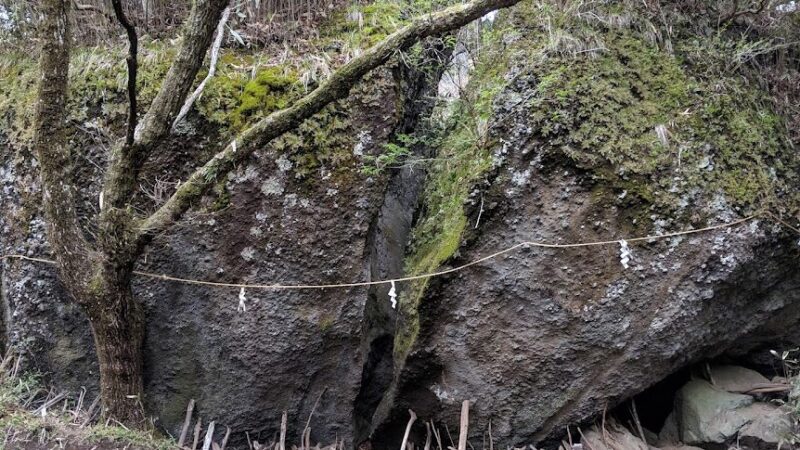
A massive rock in the Yagyu district, its split form evokes the scene of Tanjiro’s “cutting rock” training and has become a topic of discussion. Yagyu is also known as the district of master swordsmen, overlapping with the image of the Demon Slayer Corps’ training grounds.
Access: About 50 minutes by bus from JR Nara Station or Kintetsu Nara Station to “Yagyu,” then approximately 15 minutes on foot
Tanzan Shrine (Sakurai City, Nara)
Known as a famous autumn foliage spot, this shrine is supported by fans for its fantastical atmosphere that suits the worldview of “Demon Slayer.” Especially during autumn foliage season, the scenery evokes the beautiful depictions of nature in the work.
Access: Approximately 25 minutes by bus from Sakurai Station on the Kintetsu Osaka Line to “Tanzan Shrine”
History and Points of Interest in Gojo City
Historical Background of Gojo
Gojo City is located in the southwestern part of Nara Prefecture and has prospered historically as a strategic transportation hub. Developed along the Yoshino River (Kino River), it was a castle town where the Gojo Daikan office was established during the Edo period, serving as the administrative and economic center of southern Yamato Province.
During the late Edo period, it is noted in history as the site of the Tenchu-gumi uprising, serving as a precursor to the Meiji Restoration. Historic townscapes still remain today, making it a tourist destination where one can enjoy historical walks.
Shincho Street’s Historic Streetscape
Shincho Street, within walking distance of the Folk Museum, is designated as an Important Traditional Building Preservation District retaining the character of the Edo period. With rows of machiya (traditional townhouses) featuring latticed doors, it offers an atmosphere as if you’ve stepped back in time.
Imagining the Taishō-era streetscapes of “Demon Slayer” while strolling along this street will deepen the enjoyment of your pilgrimage visit.
Gojo’s Food Culture
Gojo City is also famous as a persimmon-producing region, with “persimmon-leaf sushi” being a representative regional dish of Nara Prefecture. Be sure to enjoy local cuisine during your pilgrimage visit.
Recommended Visiting Times and Seasons
Spring (March–May)
During cherry blossom season, beautiful cherry blossoms can be enjoyed at various locations throughout Gojo City. The Folk Museum area also has blooming cherry blossoms, allowing for photographs of the steam locomotive in collaboration with cherry blossoms. The mild climate makes it ideal for sightseeing.
Summer (June–August)
Summer sees relatively fewer tourists, making it a time to view exhibits leisurely. However, summers in the Nara Basin are hot, so heat-related illness prevention is essential. Early morning or early evening visits are recommended.
Autumn (September–November)
Autumn foliage season is when Gojo City is at its most beautiful. The contrast between the historic townscape and autumn leaves is magnificent and ideal for photography. Many nearby temples and shrines are also famous for autumn foliage, which can be enjoyed together with your pilgrimage visit.
Winter (December–February)
A time when there are fewer tourists and you can view exhibits quietly. The clear air makes it suitable for steam locomotive photography, but cold weather precautions are necessary. Note that the museum is closed during year-end and New Year holidays.
Etiquette and Manners for Sacred Pilgrimage
While Gojo City Folk Museum attracts many fans as a “Demon Slayer” sacred site, it is fundamentally a public facility exhibiting historical materials. Observe the following etiquette to ensure a pleasant visit for all.
Basic Etiquette
- Act quietly – Refrain from loud conversations or noisy behavior
- Do not touch displays – Do not touch the steam locomotive or exhibits inside the museum
- Take trash with you – Do not discard garbage on the grounds
- Avoid lengthy occupancy – Remember to be considerate of other visitors
- Follow facility rules – Always comply with staff instructions
Regarding Cosplay Visits
If you are considering a cosplay visit, pay attention to the following:
- Contact the facility beforehand and obtain permission
- If there are no changing rooms, change clothes before visiting
- Ensure weapons and props are safe and do not startle other visitors
- Always remain aware that this is a public space
Precautions When Posting on Social Media
When posting photos to social media:
- Be mindful not to capture other visitors in the background
- Share accurate information (avoid spreading rumors or misinformation)
- If tagging the facility’s official account, post appropriate content
Frequently Asked Questions (Q&A)
Q1: What is the admission fee for Gojo City Folk Museum?
A1: Admission is free. Anyone can visit without charge. However, the steam locomotive is displayed outdoors, so it can be viewed from outside even outside of operating hours. To view the exhibits inside the museum, visit during operating hours (10:00–16:00).
Q2: Can the interior of the steam locomotive be viewed?
A2: The steam locomotive is displayed for external viewing only, and entry into the interior is not permitted. For safety reasons, climbing on or touching the locomotive is also prohibited. Please enjoy viewing and photography from outside.
Q3: Is Gojo City Folk Museum an officially recognized “Demon Slayer” sacred site?
A3: It is not officially recognized as a sacred site, but the 8620 class steam locomotive on display is recognized as a “sacred site” among fans due to its striking resemblance to the Mugen Train. It is ultimately a self-directed sacred pilgrimage spot created by fans.
Q4: Are there restaurants nearby?
A4: There are several restaurants in the central business district of Gojo City. In particular, around Shincho Street there are restaurants serving dishes made with local ingredients and specialty shops selling persimmon-leaf sushi. However, as the number of stores is limited, it is recommended to confirm business hours in advance.
Q5: Can it be visited on rainy days?
A5: Since the steam locomotive is displayed outdoors, visits are possible even in rain, though photography may not be ideal. The indoor exhibits can be viewed without issue on rainy days. Please bring an umbrella or raincoat.
Q6: Can I walk from the nearest station?
A6: It is approximately 15–20 minutes on foot from JR Gojo Station. The route is relatively flat and has directional signs, so you can reach it without getting lost. If walking is difficult, consider using a taxi (approximately 5 minutes from the station, fare approximately 1,000 yen).
Q7: Is it okay to post photos I’ve taken on social media?
A7: There is no problem as long as they are for personal use. However, be mindful not to capture other visitors in the background, and avoid posts that would harm the reputation of the facility or region. For commercial use, you must obtain permission from the facility in advance.
Conclusion: Experience the World of “Demon Slayer” at Gojo City Folk Museum
Gojo City Folk Museum in Nara Prefecture is an essential sacred pilgrimage site for “Demon Slayer” fans. The 8620 class steam locomotive No. 78675, manufactured in the Taishō era, continues to captivate many fans through its similarity to the Mugen Train.
The appeal of this museum lies not only in being a “Demon Slayer” sacred site, but also in its role as a place where one can learn about Japanese history through the historic Edo-period nagaya-mon building and valuable materials related to the Tenchu-gumi. Through sacred pilgrimage visits, visitors can touch upon Japan’s modernization history and regional culture.
Gojo City is relatively easy to access even within Nara Prefecture, making day trips possible. With the old streetscape of Shincho Street and other “Demon Slayer” related spots nearby, you can plan a fulfilling pilgrimage route.
When visiting, remember to follow proper etiquette as a public facility and be considerate of other visitors. This ensures that everyone can enjoy their pilgrimage visit comfortably.
At Gojo City Folk Museum, where you can actually experience the world of “Demon Slayer,” a place where history and culture intersect, why not deepen your love for the work? The steam locomotive, nearly identical to the one Tanjiro and his companions rode on the Mugen Train, will invite you into a world of Taishō-era romanticism.



完全ガイド|歴史・御利益・アクセス情報-800x450.jpg)