
Director Makoto Shinkai’s blockbuster “Weathering with You” features many real locations in Tokyo. Among these, Shinjuku Ogaido West is an impressive pilgrimage site used in a scene that becomes a crucial turning point in the story. This article comprehensively covers everything useful for those planning a pilgrimage, from the appeal of Shinjuku Ogaido West to specific access methods and photography tips.
What is Shinjuku Ogaido West? Its Role in “Weathering with You”
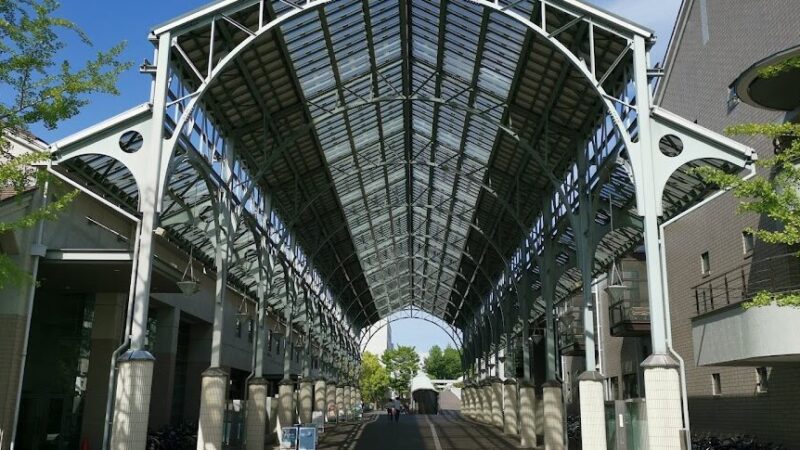
Shinjuku Ogaido West is located beneath the elevated tracks of the JR Yamanote, Chuo, and Sobu lines, making it one of the places that symbolizes Shinjuku. This massive elevated bridge, which has shaped Shinjuku’s landscape for over half a century, possesses a unique aesthetic with regularly arranged concrete pillars and exudes a futuristic atmosphere.
Scenes in the Film
In “Weathering with You,” the character Kimura, a scout, appears cornered between two detectives, Yasui and Takai. This scene indicates progress in the investigation into the incident where the protagonist Hodaka fired a gun. The conversation reveals that Kimura and the detectives are acquainted, creating a portrayal that suggests the underworld of Shinjuku.
In the film, the actual location is faithfully reproduced as background, with even the rabbit and rainbow illustrations drawn on the walls accurately recreated. This is a place where Director Shinkai’s characteristic technique of depicting real scenery with precision is fully displayed.
Meaning in the Story
This scene becomes an important turning point that casts a dark shadow over the fate of Hodaka and Hina. With Kimura’s arrest by police, Hodaka’s actions become better known to the authorities, and the story progresses into a tense development. Shinjuku Ogaido West functions not merely as background but as a stage prop that heightens the story’s tension.
The History and Characteristics of Shinjuku Ogaido
Shinjuku Ogaido, formally called “Shinjuku Kasen Bridge,” had its construction advanced after the Great Kanto Earthquake of 1923. Initially wooden, it was reconstructed as reinforced concrete in 1938 (Showa 13), taking its current form.
Architectural Features
This massive concrete structure, approximately 6 meters high and about 200 meters in length, exists to divide Shinjuku’s streets from east to west. The sight of thick cylindrical pillars arranged at regular intervals exerts an overwhelming presence and has frequently served as a filming location for movies and dramas.
The area beneath the elevated tracks is dimly lit, creating a space with unique acoustic properties. The roar of trains passing through has been effectively used in many works as a sound symbolizing urban bustle.
Its Role as a Shinjuku Landmark
Shinjuku Ogaido is a historic structure that has evolved alongside Shinjuku’s postwar development. During the period of rapid economic growth, development around Shinjuku Station progressed, and it functioned as an important transportation link connecting the east and west exits. Today, it remains a place through which many visitors to Shinjuku pass, forming part of Shinjuku’s iconic landscape.
Detailed Access to Shinjuku Ogaido West
Shinjuku Ogaido West is conveniently located within walking distance from Shinjuku Station. We introduce specific routes for visiting as a pilgrimage.
Access from Nearest Stations
From JR Shinjuku Station West Exit
- Time required: About 3 minutes on foot
- Exit through the west exit ticket gate, heading toward the Odakyu Department Store
- If walking on the surface rather than using the underground passage, proceed south with the west exit rotary on your left
- Once on Ome Kaido (National Route 20), turn left and proceed eastward
- Immediately arrive at the elevated tracks of Shinjuku Ogaido
From Toei Oedo Line Shinjuku West Exit Station
- Time required: About 2 minutes on foot
- Go to the surface from Exit D5
- Proceed east along Ome Kaido and arrive immediately
Method for Identifying the Specific Location
Shinjuku Ogaido West is located near the Shinjuku Ogaido intersection on Ome Kaido, between the Kaleidoscope Building and the railway tracks. Searching for “Shinjuku Ogaido West” on Google Maps or Street View allows you to confirm the exact location.
Landmarks include:
- The Kaleidoscope Building sign
- Murals on the walls beneath the elevated tracks (rabbit and rainbow illustrations)
- Regularly arranged concrete cylindrical pillars
Points for Pilgrimage | Murals and Shooting Spots
We introduce points to maximize enjoyment of pilgrimage to Shinjuku Ogaido West.
Reproduction Level of the Murals
The rabbit and rainbow illustrations on the walls depicted in the film are faithful reproductions of actual murals. However, murals may change due to age-related deterioration or repainting, so visiting as soon as possible is recommended.
As of 2024, the murals can still be confirmed, but due to urban development and aesthetics maintenance, they may disappear in the future. For those planning pilgrimages, checking the latest information on SNS beforehand is advisable.
Best Angles for Photography
To recreate the film’s scenes, the following angles are recommended:
- Recreation of the Scene Where Kimura is Cornered
- Photograph with the wall beneath the elevated tracks as background, including the murals
- Daytime provides bright, easy-to-photograph conditions
- Early morning (around 7:00-8:00 AM) with less foot traffic is ideal
- Atmosphere of Ogaido as a Whole
- Angle looking up at the elevated tracks from Ome Kaido side
- Continuous pillar composition expressing the film’s world
- Dusk adds atmosphere as lighting turns on
- Perspective from Above the Tracks
- The tracks where Hodaka ran in the story’s final act are off-limits
- For safety, substitute with compositions viewed upward from ground level
Photography Precautions
- High traffic requires full attention to safety
- Avoid long-term occupancy to not inconvenience passersby
- If using a tripod, position it so it doesn’t obstruct passage
- Nighttime has little lighting and is dark; daytime visiting is recommended
- Never enter private property or restricted areas
“Weathering with You” Holy Sites Around Shinjuku Ogaido
Visiting surrounding holy sites after Shinjuku Ogaido West allows for more fulfilling pilgrimage.
Yoyogi Kaikan Ruins (About 10 minutes on foot)
The location of the abandoned building “Yoyogi Kaikan” where Hodaka and Hina meet and establish their base. Since demolition in 2019, the building no longer exists, but a memorial plaque is installed at the site, attracting many fans.
The route from Shinjuku Ogaido West toward Yoyogi overlaps with the path Hodaka ran to save Hina in the film’s climax.
Shinjuku Station South Exit Area (About 5 minutes on foot)
Shinjuku Station South Exit, featured in the scene where Hodaka arrives in Shinjuku, is nearby. The crowds at the station front and surrounding high-rise buildings are important in the film’s opening for conveying Tokyo’s immensity.
Kabukicho Area (About 8 minutes on foot)
The editorial office of the occult magazine where Hodaka worked and the bustling Shinjuku entertainment district serving as the film’s setting are within walking distance. Kabukicho’s hustle and bustle is popular as a place where one can experience the film’s worldview.
Tokyo Metropolitan Government Building Observatory (About 15 minutes on foot)
Heading toward the Shinjuku West exit, you’ll find the Tokyo Metropolitan Government Building, depicted symbolically in the film. The observatory offers a panoramic view of Tokyo’s streets, allowing one to experience the changing weather of Tokyo as depicted in the film. With free admission, it’s recommended as a fitting conclusion to your pilgrimage.
Shinjuku Ogaido and the Themes of “Weathering with You”
The role Shinjuku Ogaido West plays in “Weathering with You” carries meaning beyond mere location.
Symbolizing Urban Duality
The area beneath Shinjuku Ogaido’s elevated tracks symbolizes the shadow side of the city, contrasting with Shinjuku’s bright public face. The appearance of scout Kimura in this scene foreshadows the harsh realities of society that Hodaka and Hina face.
The massive concrete structure visually expresses the city’s overwhelming power against individuals, symbolizing how the young runaways and lonely girl protagonists are tossed about by a large system.
Urban Depiction in Makoto Shinkai’s Works
Director Shinkai has impressively depicted urban landscapes in past works including “Your Name” and “5 Centimeters per Second.” The depiction of Shinjuku Ogaido in “Weathering with You” continues this tradition.
By precisely depicting real locations, viewers more easily immerse themselves in the film’s world. Simultaneously, visiting these actual locations as pilgrimage deepens the film experience, creating a synergistic effect.
Function as a Story Turning Point
Kimura’s arrest in this scene marks the story’s transition from peaceful daily life to tense developments. The claustrophobic space of Shinjuku Ogaido visually emphasizes the protagonists’ cornered situation with no escape.
After this, Hodaka is pursued by police and forced to separate from Hina. Shinjuku Ogaido West carries important narrative meaning as the place where happy days come to an end.
Holy Site Pilgrimage Model Course | Half-Day Plan for the Shinjuku Area
We propose an efficient pilgrimage course centered on Shinjuku Ogaido West.
Morning Start Plan (Duration: Approximately 4 hours)
9:00 AM Gather at JR Yoyogi Station
- View Yoyogi Kaikan ruins (15 minutes)
- Photography and surrounding exploration
9:30 AM Move toward Shinjuku
- Head to Shinjuku Ogaido on foot (15 minutes)
- Move while tracing the route Hodaka ran
10:00 AM Arrive at Shinjuku Ogaido West
- Recreate Kimura’s scene with photography (30 minutes)
- Check murals and explore surroundings
- Enjoy the atmosphere of Ogaido as a whole
11:00 AM Shinjuku Station South Exit Area
- Visit the spot from Hodaka’s arrival scene (20 minutes)
- Photograph the surrounding landscape
11:30 AM Kabukicho Exploration
- Explore the area surrounding the editorial office model (30 minutes)
- Lunch break (60 minutes)
1:00 PM Tokyo Metropolitan Government Building Observatory
- View Tokyo panorama from the observatory (45 minutes)
- Reflect on the film’s final scenes
2:00 PM Disperse
Photography Tips and Timing
- Early morning (7:00-9:00 AM): Fewer people, easy to photograph. Beautiful morning light
- Daytime (10:00-3:00 PM): Bright, murals clearly visible. However, many people passing through
- Evening (4:00-6:00 PM): Atmospheric photographs possible. The time when lighting turns on is ideal
- Nighttime: Dark and unsafe. If unavoidable, exercise extreme caution
Practical Information and Etiquette for Visiting
Enjoying pilgrimage requires consideration for local residents and other visitors.
Basic Etiquette
- Mind the noise: Avoid loud conversation or shouting
- Take trash with you: Cooperate with environmental preservation
- No trespassing on private property: Don’t enter premises without permission for photography
- Obey traffic rules: Never dart into roads or run red lights
- Avoid long-term occupation: Show consideration for other visitors
- Cosplay photography: Within ranges where surrounding understanding is obtained
Safety Precautions
- The Shinjuku Ogaido area has heavy traffic; don’t dart into roads while absorbed in photography
- The area beneath the elevated tracks is dimly lit with some spots where ground is hard to see, so be careful while walking
- Avoid solo nighttime activities
- Be careful with valuables (Shinjuku has crowds and crimes like pickpocketing occur)
Nearby Facility Information
Restrooms: Inside Shinjuku Station or nearby convenience stores
Rest areas: Cafes and fast food restaurants around Shinjuku Station
Coin lockers: Many available inside Shinjuku Station
Tourist information centers: Located at Shinjuku Station east and west exits
Ways to Enjoy “Weathering with You” Pilgrimage
Suggestions for enjoying Shinjuku Ogaido West more deeply.
Film Preview and Review
Checking the relevant scenes before visiting increases the emotion at the location. If possible, prepare to view the relevant scenes on a smartphone or tablet so you can compare reality and film, which is enjoyable.
Sharing on SNS
Posting on Instagram or Twitter with hashtags like “#WeatheringwithYouPilgrimage” “#ShinjukuOgaido” connects you with fellow fans. Other visitors’ posts are also helpful references.
Creating a Pilgrimage Notebook
Recording visited locations and impressions in a “pilgrimage notebook” makes memories vivid upon later review. Recording notes alongside photos is recommended.
Visiting by Season
“Weathering with You” is a work themed on weather. Visiting on sunny days, rainy days, or cloudy days offers different faces of Shinjuku Ogaido. Rainy days especially provide an experience closer to the film’s atmosphere.
Frequently Asked Questions
Q: Are the murals at Shinjuku Ogaido West still there?
A: As of 2024, they can be confirmed, but murals may change or disappear due to age-related deterioration or repainting. Those planning visits are advised to check the latest information on SNS.
Q: When is the optimal time for photography?
A: Early morning (7:00-9:00 AM) when there are fewer people is recommended for photography. However, if prioritizing brightness, daytime (10:00-3:00 PM) is good, and for atmosphere, evening (4:00-6:00 PM) works well.
Q: How much time is needed if visiting only Shinjuku Ogaido West?
A: About 30 minutes to 1 hour including photography and surrounding exploration. However, if visiting other nearby holy sites, a half-day to full-day plan is recommended.
Q: Can you visit on rainy days?
A: The elevated tracks provide some shelter from rain, but be careful as the ground becomes slippery. Visiting on rainy days actually offers a certain charm in experiencing the “Weathering with You” atmosphere.
Q: Are there nearby places to eat?
A: The Shinjuku Station area has abundant dining options. Within a 5-minute walking radius are numerous restaurants, cafes, and fast food establishments, so dining is not a concern.
Conclusion | Experience “Weathering with You” at Shinjuku Ogaido West
Shinjuku Ogaido West is an important turning point in the narrative of “Weathering with You” and a holy site pilgrimage destination where Director Makoto Shinkai’s precise background depiction shines. This massive concrete structure, with its history spanning over half a century, symbolizes urban duality and visually expresses the film’s themes.
Visiting in person deepens understanding of the film’s scenes and increases attachment to the work. The high reproduction level of the murals and the surrounding atmosphere provide an experience as if entering the film’s world.
Its appeal is also the convenient location just a few minutes’ walk from Shinjuku Station, and the pilgrimage route is easy to plan when combined with other holy sites like the Yoyogi Kaikan ruins and Tokyo Metropolitan Government Building Observatory. When visiting, enjoy “Weathering with You” fully while respecting the area and practicing proper etiquette.
Walking the path Hodaka and Hina took in Tokyo, where weather changes easily, offers a special experience of tasting the film more deeply. Creating your own “Weathering with You” memories at Shinjuku Ogaido West—why not give it a try?