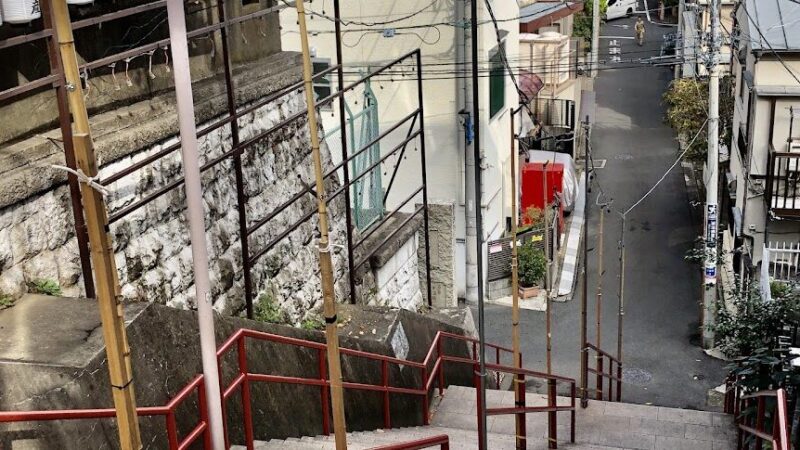
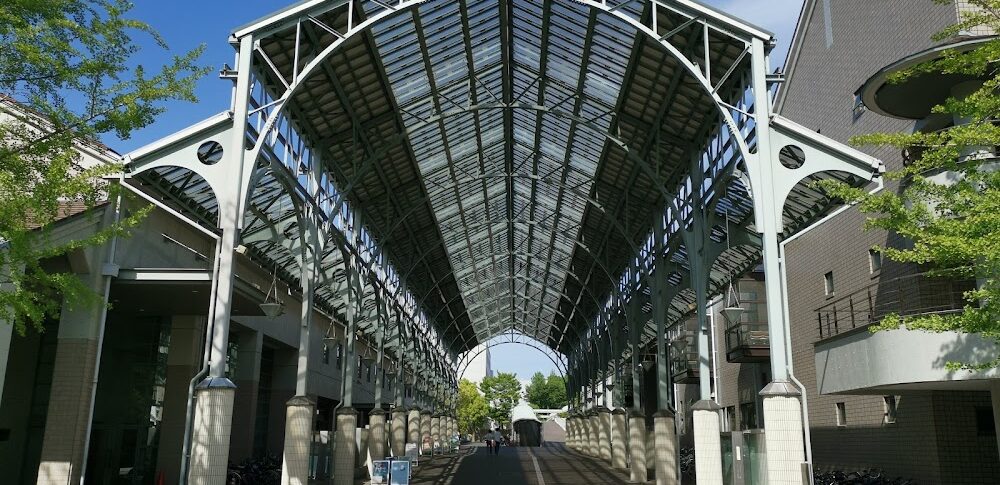
“Days Pass But Meals Are Delicious” is beloved by many fans as a work that depicts small happinesses found in everyday life and delicious meals. In this article, we will introduce in detail the sacred sites in Tokyo that serve as the stage for this work, and provide tips and ways to enjoy pilgrimages to these locations.
What is “Days Pass But Meals Are Delicious”?
“Days Pass But Meals Are Delicious” is a carefully crafted work that depicts various meals encountered in daily life and the human drama portrayed through them. Set in Tokyo, the restaurants and streets visited by the protagonist are modeled after real places, and “sacred site pilgrimages” have become popular among fans.
The appeal of the work lies in its ability to help readers rediscover the happiness of “delicious meals” hidden in the mundane details of everyday life. Many of the dishes featured in the work are modeled after menus from actual restaurants, and by visiting these places after reading, you can experience the world of the work more deeply.
Major Sacred Sites in Tokyo
Shinjuku Area Sacred Sites
Shinjuku is one of the important settings in “Days Pass But Meals Are Delicious.” Many crucial scenes from the work are depicted here, including restaurants where the protagonist stops by on the way home from work and places where they meet friends.
Around Shinjuku Station
Shinjuku Station is a frequently appearing location in the work. There are distinctive scenes at the East Exit, West Exit, and South Exit, with the scene of walking through the crowds at the East Exit being particularly memorable. The intricate structure of the station and the appearance of underground passages are described in fine detail.
Around Omoide Yokocho and Golden Gai
Omoide Yokocho in Shinjuku serves as the setting for scenes where the protagonist enjoys a quiet meal alone. The atmosphere of small restaurants lined up in a narrow alley matches the world of the work perfectly. When visiting in person, the evening to night hours are recommended.
Shibuya Area Sacred Sites
Shibuya is depicted in the work as the center of youth culture, with many scenes of interaction between the protagonist and their friends.
Shibuya Scramble Crossing
Shibuya Scramble Crossing, which appears in the opening scene of the work, is depicted as a place that symbolizes Tokyo. The depiction of people crossing and the surrounding buildings is extremely detailed, offering the enjoyment of comparing the actual scenery with the work during pilgrimage.
Around Dogenzaka
The Dogenzaka area is dotted with shops that served as models for the small cafes and set meal restaurants frequently visited by the protagonist. The thrill of pilgrimage includes climbing the slope while searching for scenes from the work.
Ikebukuro Area Sacred Sites
Ikebukuro becomes an important setting from the middle of the work onward. It is often depicted as the protagonist’s daily living area, with numerous everyday scenes featured.
Around Sunshine City
Sunshine City and its surroundings are depicted as places the protagonist visits on holidays. Scenes of shopping and dining are particularly impressive, and you can actually retrace the same route.
Ikebukuro West Exit Park
Ikebukuro West Exit Park is where important conversation scenes unfold in the work. The scene of characters sitting on benches talking remains memorable for many fans. The atmosphere of the park and the arrangement of surrounding buildings are faithfully depicted.
Shimokitazawa Area Sacred Sites
Shimokitazawa serves as the setting for particularly memorable episodes in the work, and its atmosphere as a subculture district adds color to the world of the work.
Shopping Streets Around Shimokitazawa Station
The labyrinthine shopping streets are depicted as a place where the protagonist discovers new foods. The unique atmosphere of vintage clothing stores, miscellaneous goods shops, and small restaurants lined up forms the world view of the work.
Kita-guchi Shopping Street
The Kita-guchi Shopping Street has several actual restaurants that served as models for the unique dining establishments featured in the work. There is enjoyment in finding the prototypes of curry shops, ramen restaurants, and coffee shops that the protagonist found “delicious.”
Kichijoji Area Sacred Sites
Kichijoji is depicted in the work as an ideal living space, as it consistently ranks high in surveys of neighborhoods people want to live in.
Inokashira Park
Inokashira Park is depicted as one of the most beautiful landscapes in the work. The park’s changing appearance through the seasons is portrayed in connection with the protagonist’s emotional state, and it’s recommended to visit this pilgrimage site during different seasons.
Kichijoji Sunroad Shopping Street
Sunroad Shopping Street appears as a place where the protagonist regularly shops. The lively atmosphere of the covered shopping street and the variety of shops are described in detail, and actually walking through it creates the sensation of stepping into the world of the work.
Dining Establishment Tours Featured in the Work
The greatest appeal of “Days Pass But Meals Are Delicious” lies in the scenes of delicious meals. By visiting the actual restaurants that served as models for the work, you can have the same experience as the protagonist.
Set Meal Restaurants and Dining Halls
The work features numerous set meal restaurants and dining halls. The various set meals that the protagonist enjoys as “the extraordinary within the ordinary” stimulate readers’ appetites. There are several actual restaurants in Tokyo that served as models for these establishments, where you can order the same menus.
Points for Set Meal Restaurant Tours
- Lunchtime is crowded, so it’s recommended to avoid peak hours
- Check the menus that appeared in the work beforehand
- Sitting at the counter brings you closer to the atmosphere of the work
- Conversation with the shop owner and regular customers is an important element of the work, so enjoy it while respecting etiquette
Ramen Restaurants
The scenes of the protagonist visiting ramen restaurants late at night have left a lasting impression on many fans. The depiction of rising steam and the expression of the soup’s flavor are extremely realistic.
There are several actual ramen restaurants in Tokyo that served as models for those featured in the work. Particularly in the Shinjuku and Ikebukuro areas, there are many restaurants open until late, and visiting at the same time of day as depicted in the work provides a deeper sense of immersion.
Cafes and Teahouses
Many scenes of cafes appear in the work, where the protagonist thinks alone or converses with friends. Various types of establishments are depicted, from retro teahouses to modern cafes.
Ways to Enjoy Cafe Tours
- Order drinks or desserts that appeared in the work
- Verify the seating position where the protagonist sat
- Observe the atmosphere and decoration of the shop interior
- Bring the work with you and reread the same scenes
Izakayas and Bars
Izakayas and bars visited after work are also important settings in the work. Many scenes of interaction with colleagues and friends are depicted, expressing the deepening of human relationships.
Throughout Tokyo’s entertainment districts, various izakayas that served as models for those in the work are scattered about. Various ways of enjoying the establishment are depicted, from quietly drinking alone at the counter to spending time boisterously with companions.
Planning and Preparing for Sacred Site Pilgrimages
Careful planning and preparation are important for conducting an efficient and fulfilling sacred site pilgrimage.
Creating Pilgrimage Routes
Dividing by Area
Since sacred sites throughout Tokyo are spread over a wide area, it’s difficult to visit all of them in a single day. It’s recommended to organize routes by area and conduct pilgrimages over multiple days.
For example, dividing them into “Shinjuku and Shibuya Area,” “Ikebukuro and Kichijoji Area,” and “Shimokitazawa and Sancha Area” allows for efficient travel.
Touring in Chronological Order
Another method is to visit the sacred sites in the order they appear, following the work’s story progression. This allows you to re-experience the narrative flow, deepening your understanding of the work.
Touring by Theme
You can also organize pilgrimages by theme, such as “dining establishment tours” or “scenic spot tours.” In particular, dining establishment tours require scheduling that accounts for meal times.
Packing Checklist
Here is a list of items for enjoying sacred site pilgrimages comfortably.
Essential Items
- The work itself (digital version acceptable)
- Smartphone (map apps, camera function)
- Mobile battery
- Transportation IC card
- Cash (small establishments may not accept cashless payments)
- Drinking water
- Notebook and pen
Useful Items
- Notebook or stamp book for sacred site pilgrimages
- Camera (for serious photography beyond smartphone capabilities)
- Collapsible umbrella
- Comfortable walking shoes
- Eco bag (convenient for purchasing merchandise)
Etiquette When Visiting
Observing proper etiquette is extremely important to enjoying sacred site pilgrimages.
Etiquette in Dining Establishments
- Always order something (avoid entering just for photography)
- Keep visits brief during busy times
- Ask permission from staff before taking photos inside
- Be considerate of other customers
- When posting on social media, aim for comments that consider the restaurant’s operations
Etiquette in Public Places
- Take photos in areas that don’t obstruct foot traffic
- Do not trespass on private property
- Avoid loud noise
- Always take trash with you
- Be mindful of noise in residential areas
Enjoying Sacred Site Pilgrimages by Season
Since “Days Pass But Meals Are Delicious” features beautifully depicted seasonal landscapes, there are different ways to enjoy pilgrimages depending on the season.
Spring Sacred Site Pilgrimages
Spring is depicted as cherry blossom season in the work, with memorable scenes included. At sacred sites such as Inokashira Park and Shinjuku Gyoen, famous cherry blossom viewing spots, you can experience the world of the work alongside blooming cherry blossoms.
Spring Recommended Points
- Prioritize visiting sacred sites where cherry blossoms appear
- Reread the work while enjoying flower viewing
- Check for spring-limited menu items at dining establishments
- With warming temperatures, extended walking tours are comfortable
Summer Sacred Site Pilgrimages
Summer features summer festivals and fireworks displays in the work. Combining pilgrimages with summer events held throughout the city is also recommended.
Summer Recommended Points
- Visit outdoor spots during early morning or evening hours when it’s cooler
- Tour sacred sites where cold beverages and shaved ice appear
- Time your visit with summer festivals and fireworks displays
- Take thorough heat stroke precautions
Autumn Sacred Site Pilgrimages
Autumn is depicted as a season of beautiful autumn foliage in the work, which is important to the narrative. You can experience the scenes of park and street tree foliage depicted in the work firsthand.
Autumn Recommended Points
- Visit sacred sites famous for autumn foliage
- Tour restaurants where autumn seasonal foods appear
- With comfortable weather, extended walking tours are enjoyable
- Experience beautiful sunset landscapes
Winter Sacred Site Pilgrimages
Winter is a season where many scenes of warm meals appear in the work. You can enjoy pilgrimages alongside the beautiful illuminations throughout Tokyo’s nightscape.
Winter Recommended Points
- Prioritize visiting restaurants where warm dishes appear
- Visit illumination spots that are sacred sites during evening hours
- Take proper precautions against the cold
- Enjoy the special atmosphere of the year-end and New Year season
Methods of Recording Sacred Site Pilgrimages
Here are ways to preserve memories of your sacred site pilgrimage.
Photography Tips
You can create comparison images by photographing scenes at the same angles as those in the work.
Photography Points
- Reference panels or scene photos from the work to find the same composition
- Matching time of day and weather conditions to the work brings the atmosphere closer
- Arrange work and actual photos in before/after format
- As fixed-point observation, photograph the same location during different seasons
Creating a Pilgrimage Notebook
Creating a notebook to record visited locations and impressions increases the enjoyment of looking back later.
Content to Record
- Date and time of visit
- Location name and address
- Corresponding scene from the work
- Impressions of actually visiting
- Flavor impressions of dishes eaten
- Notes on places you want to visit next
Sharing on Social Media
Sharing your pilgrimage on social media allows you to interact with other fans.
Social Media Posting Points
- Use hashtags effectively
- Write captions with consideration for spoilers
- Ensure content doesn’t interfere with restaurant or location operations
- Reference posts from other fans
- Decide carefully about sharing location information
Deep Knowledge for Enjoying Sacred Site Pilgrimages
Understanding the Historical Context of the Work
Understanding the historical background in which “Days Pass But Meals Are Delicious” is set deepens the pilgrimage experience. By comparing Tokyo as depicted in the work with present-day Tokyo, you can sense how the city has changed.
Tracing the Author’s Research Route
By tracing the places the author actually visited during research, you can sense the behind-the-scenes of the work’s creation. By checking author interviews and official information, you can learn episodes from the research period.
Interaction with Local People
By interacting with local people in sacred sites, you can discover local attractions not depicted in the work. Conversations with regular customers and shop owners may bring new discoveries.
Access Information and Transportation
Here is compiled transportation information for efficiently touring sacred sites throughout Tokyo.
Utilizing Trains and Subways
Tokyo’s extensive train and subway network makes it possible to access most sacred sites using public transportation.
Recommended Tickets
- Tokyo Metro 24-Hour Ticket: Unlimited rides on all Tokyo Metro lines for 24 hours
- Toei All-Around Ticket: One-day unlimited rides on Toei subways, Toei buses, Toei streetcars, and the Nippori-Toneri Liner
- JR East Tokyo Free Ticket: One-day unlimited rides on JR East trains in the Tokyo metropolitan area
Walking
When sacred sites are close to each other, walking is also recommended. Slowly observing the streetscapes depicted in the work while walking can lead to new discoveries.
Benefits of Walking
- You can discover fine details of landscapes depicted in the work
- You may stumble upon new sacred sites by chance
- You can proceed at your own pace
- It provides exercise and is healthy
Utilizing Rental Bicycles
In some areas, using rental bicycles allows efficient travel. Particularly in areas like Shimokitazawa and Kichijoji, cycling is convenient.
Enjoying Tokyo Tourism Along with Sacred Site Pilgrimages
Combining sacred site pilgrimages with Tokyo tourism creates a more enriching experience.
Museums and Art Galleries
By visiting museums and art galleries featured in the work, you can re-experience the protagonist’s perspective. Tokyo has numerous museums and art galleries with enriched special exhibitions.
Shopping Spots
Enjoying actual shopping at shopping areas featured in the work is also recommended. There’s enjoyment in searching for the same items the protagonist purchased.
Night View Spots
Visiting night view spots featured in the work allows you to re-experience romantic scenes. Famous night view spots like Tokyo Tower and Tokyo Skytree also appear as sacred sites.
Conclusion: Experiencing the World of the Work More Deeply Through Sacred Site Pilgrimages
Sacred site pilgrimages for “Days Pass But Meals Are Delicious” in Tokyo offer special experiences that reading the work alone cannot provide. By tracing the path the protagonist walked, enjoying the same meals, and viewing the same scenery, your understanding and affection for the work deepen.
Through sacred site pilgrimages, you can also discover new attractions in Tokyo as a city. By actually experiencing the message the work conveys—small happinesses found in daily life, the joy of delicious meals, encounters with people—your own everyday life becomes richer.
Respect etiquette and be mindful of local residents as you enjoy your pilgrimage. Interaction among fans who love the work is also a major appeal of sacred site pilgrimages.
We hope this article serves as a reference for your “Days Pass But Meals Are Delicious” sacred site pilgrimage. Please enjoy this special time of immersing yourself in the world of the work while walking through the streets of Tokyo.