

Director Shinkai Makoto’s masterpiece “Your Name.” has been beloved worldwide since its release in 2016 as an animated film. Shinjuku Station and Busta Shinjuku, which served as important settings in the story, appear in the climactic scenes of the work and have become sacred sites visited by many fans. This article provides a thorough explanation of the appeal of Shinjuku Station and Busta Shinjuku in “Your Name.”
The Relationship Between “Your Name.” and Shinjuku Station/Busta Shinjuku
The Importance of Shinjuku Station in the Story
In “Your Name.,” Shinjuku Station is depicted as a station that the protagonist Taki uses in his daily life. For Tachibana Taki, a high school student living in Tokyo, Shinjuku is the center of his living area and also becomes an important turning point in the story.
What is particularly impressive is the scene after Taki returns to Tokyo from the Hida region searching for Mitsuha. The streetscape of Shinjuku, the crowds, and the station scenery beautifully express the loneliness of the city and the anticipation of reunion.
Important Scenes Featuring Busta Shinjuku
Busta Shinjuku (Shinjuku South Exit Traffic Terminal) is Japan’s largest bus terminal, which opened in April 2016. The production period of “Your Name.” coincided with its opening, and Director Shinkai Makoto incorporated the latest appearance of Tokyo into his work.
In the film, the modern building of Busta Shinjuku is depicted as a hub for express buses, whether when Taki is heading to the Hida region or returning to Tokyo. The glass-walled open space and the numerous buses coming and going hold symbolic significance as a “boundary” connecting Tokyo and rural areas.
Basic Information and Access to Shinjuku Station
About Shinjuku Station
Shinjuku Station is a massive terminal station with the world’s highest daily passenger count, as recognized by the Guinness World Records. Multiple railway companies including JR East Japan, Odakyu Electric Railway, Keio Electric Railway, Tokyo Metro, and Toei Subway operate here, making it a vital hub of Tokyo’s transportation network.
Main Lines:
- JR Yamanote Line, Chuo Line, Saikyo Line, Shonan-Shinjuku Line
- Odakyu Odawara Line
- Keio Line, Keio New Line
- Tokyo Metro Marunouchi Line
- Toei Shinjuku Line, Oedo Line
How to Access Busta Shinjuku
Busta Shinjuku is directly connected to the South Exit and New South Exit of JR Shinjuku Station, making it very easily accessible.
Access from JR Shinjuku Station:
- Exit from the New South ticket gate or South ticket gate
- Follow the directional signs toward “Busta Shinjuku”
- Take the escalator or elevator to the 4th floor
Access from Other Lines:
- Odakyu Line, Keio Line: Move toward the South Exit area, heading toward the JR New South ticket gate
- Subway: Head to ground level and aim for the JR Shinjuku Station South Exit
Location: 5-24-55 Sendagaya, Shibuya Ward, Tokyo
Sacred Site Pilgrimage Detailed Guide
Busta Shinjuku 4th Floor Bus Terminal
The most impressively depicted location in the film is the bus terminal floor on the 4th floor of Busta Shinjuku. The spacious glass-walled space appears in the work as the place where Taki solidifies his determination to head to Hida.
Photography Spots:
- The open space of the 4th floor bus stop
- Shinjuku’s high-rise buildings visible through the glass
- The waiting area overlooking the bus arrivals and departures
Notes for Visits:
Busta Shinjuku is an actual operating transportation facility. When taking photos, be considerate of other users and avoid obstructing bus operations. Note that tripod use may be prohibited; please follow the facility’s rules.
Streetscape Around Shinjuku Station
The crowds and streetscape around Shinjuku Station also appear throughout the work. The South Exit area in particular is depicted multiple times as a place symbolizing Taki’s daily life.
Points of Interest:
- Shinjuku Southern Terrace: A pedestrian deck extending from the station’s South Exit toward Yoyogi
- Shinjuku Miraina Tower: A high-rise building adjacent to the station
- Views along Koshu Kaido: The appearance of urban Tokyo
Inside Shinjuku Station
The interior of the massive Shinjuku Station is also an important element in enhancing the work’s realism. The morning rush hour crowds, complex passages, and countless directional signs are depicted as symbols of Tokyo as a major metropolitan city.
Characteristics of Shinjuku’s Depiction in “Your Name.”
Director Shinkai’s Dedication to “Shinjuku”
Director Shinkai has repeatedly depicted “Shinjuku” in his works. In “The Garden of Words,” Shinjuku Gyoen becomes the main stage, and in “Weathering with You,” Shinjuku appears as an important location as well.
The depiction of Shinjuku in “Your Name.” strongly reflects the director’s perspective on “Tokyo.” Shinjuku as a massive and impersonal place, yet simultaneously a location where countless lives intersect. This duality symbolically expresses the story’s themes of “encounters” and “passing by.”
Precision of Background Artwork
The precisely detailed background art, a characteristic of Shinkai works, is fully demonstrated in scenes of Shinjuku Station and Busta Shinjuku.
From the texture of glass to light reflections and building details, the actual landscape is faithfully recreated while adding the beauty unique to animation. Particularly in dusk and nighttime scenes, the artificial lights of Shinjuku are depicted fantastically, heightening the story’s emotional impact.
Direction of Time and Space
Shinjuku Station and Busta Shinjuku serve as a “boundary connecting Tokyo and rural areas” in the work. The scene where Taki heads to Hida on an express bus is a crucial turning point in the transition from city to countryside, from everyday to the extraordinary.
Furthermore, in the time progression leading up to the final scene, the landscape of Shinjuku functions as a device to visually express “the passage of time.”
Best Ways to Enjoy Sacred Site Pilgrimages
Recommended Times to Visit
Different atmospheres of Shinjuku Station and Busta Shinjuku can be experienced depending on the time of day.
Morning (7:00-9:00):
You can experience the vibrant Shinjuku during rush hour. This is the time when you can most feel the “daily life of Tokyo” depicted in the work.
Midday (12:00-14:00):
Relatively fewer people allow for calm photography and observation. Recommended for first-time sacred site visits.
Evening (17:00-19:00):
The Shinjuku streetscape illuminated by the setting sun shows a view closest to the work’s atmosphere. The view from the 4th floor of Busta Shinjuku is a must-see.
Night (7:00 PM onwards):
The night scenery is beautiful, and Shinjuku adorned with neon lights creates a fantastical atmosphere characteristic of Shinkai works.
Photography Manners and Tips
When taking photos during sacred site pilgrimages, observe the following etiquette:
- Consideration for Other Users: Shinjuku Station is an extremely crowded place. Be mindful not to obstruct pedestrian traffic.
- Follow Facility Rules: Always confirm facility regulations such as tripod usage restrictions and photography-prohibited areas.
- Avoid Extended Occupation: At popular photography spots, consider other pilgrims and share the space courteously.
- Consideration at Commercial Facilities: If shops or restaurants are reflected in photos, be considerate so as not to interfere with their operations.
Photography Tips:
- Smartphones can capture beautiful photos just fine
- A wide-angle lens makes it easier to capture the spacious area of Busta Shinjuku
- Aiming for the “magic hour” during twilight produces photos with an atmosphere closest to the work
- Weekday afternoons with fewer people are recommended
Combining with Other “Your Name.” Sacred Sites
When visiting Shinjuku, try visiting other sacred sites within the city as well.
Major Sacred Sites in Tokyo:
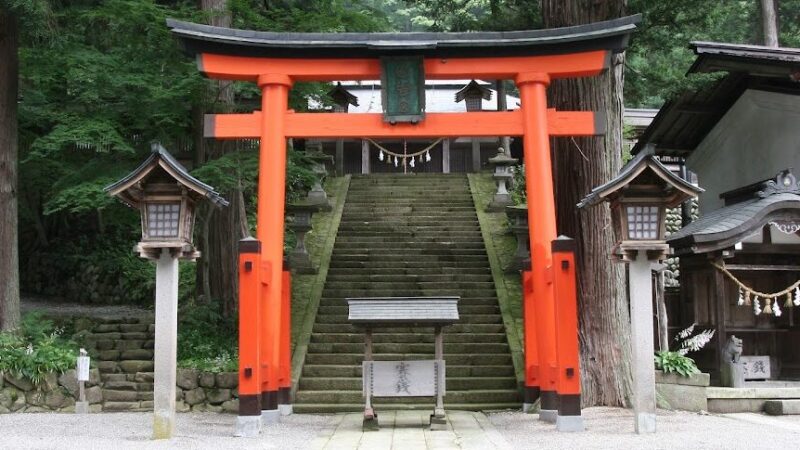
- Suga Shrine in Yotsuya (staircase scene)
- Shinanomachi Station vicinity
- National Art Center in Roppongi
- Café La Bohem (restaurant model)
These are all within a 30-minute train ride of Shinjuku and can be efficiently visited in a single day.
Facility Information for Busta Shinjuku
Overview of Busta Shinjuku
Busta Shinjuku opened on April 4, 2016, as Japan’s largest bus terminal. Its official name is “Shinjuku South Exit Traffic Terminal,” a complex facility consolidating express buses, taxis, and general vehicle drop-off locations.
Facility Features:
- Express buses: Approximately 1,500 services per day
- Bus stops: 19 berths
- Operating hours: 24 hours (some facilities excluded)
- Floor composition: 2nd floor (taxi stand), 3rd floor (JR Shinjuku Station connection, commercial facilities), 4th floor (express bus stop)
Commercial Facility on 3rd Floor “NEWoMan”
The commercial facility “NEWoMan” integrated with Busta Shinjuku houses approximately 100 shops including fashion, miscellaneous goods, and restaurants—a popular spot.
You can enjoy breaks, meals, and shopping during your sacred site pilgrimage. Cafes and restaurants are particularly recommended for leisurely enjoying the Shinjuku view.
Waiting Rooms and Rest Areas
The 4th floor of Busta Shinjuku features spacious waiting areas. They are free to use with numerous chairs available, making them ideal for resting when fatigued during sacred site pilgrimages.
Available Facilities:
- Waiting seats (approximately 600 seats)
- Restrooms (accessible restrooms available)
- Coin lockers
- Vending machines
- Nursing room
- Smoking area (designated areas only)
Recommended Spots Around Shinjuku Station
Dining and Cafes
After your sacred site pilgrimage, enjoy dining or café time in Shinjuku.
Recommended Shops in NEWoMan:
- Blue Bottle Coffee: Carefully selected coffee
- Egg-cellent: Specialty egg dish restaurant
- Food court in LUMINE EST
Around Shinjuku Southern Terrace:
- Crisp Salad Works: Healthy salad specialty shop
- Starbucks: Spacious interior for relaxing
- Bookstores and other establishments
Accommodation
For those traveling from distant areas for sacred site pilgrimages, numerous hotels are available around Shinjuku Station.
Hotels in Shinjuku Station South Exit Area:
- JR Kyushu Hotel Blossom Shinjuku (directly connected to Busta Shinjuku)
- Odakyu Hotel Southernlower Tower Shinjuku
- Shinjuku Granbell Hotel
- Various business hotels and capsule hotels
Shopping
Shinjuku is also one of Japan’s premier shopping areas.
- Lumine Shinjuku: Fashion and miscellaneous goods
- Shinjuku Marui: Fashion for young people
- Takashimaya Shinjuku Store: Department store
- Bic Camera, Yodobashi Camera: Electronics retailers
For anime merchandise, Animate Shinjuku near the East Exit and Mandarake for used goods are also recommended.
“Your Name.” Merchandise and Related Information
How to Obtain Official Merchandise
“Your Name.” official merchandise can be purchased at:
- Toho Official Online Shop: Limited merchandise available
- Animate Shinjuku: Approximately 5 minutes walk from Shinjuku Station East Exit
- Online shops like Amazon and Rakuten: Wide selection
- Movie theater merchandise corners: Limited merchandise may be sold during re-releases
Sacred Site Pilgrimage Maps and Guidebooks
To better enjoy sacred site pilgrimages, utilize the following resources:
- Official guidebook “Your Name.”: Rich in art setting materials and background explanations
- Sacred site pilgrimage maps (unofficial): Maps created by fan communities
- Google My Maps: Detailed maps created by other pilgrims
Information Sharing on Social Media
When sharing sacred site pilgrimage records on social media, use these hashtags:
- #君の名は (Your Name)
- #君の名は聖地巡礼 (Your Name sacred site pilgrimage)
- #新海誠 (Shinkai Makoto)
- #バスタ新宿 (Busta Shinjuku)
- #新宿駅 (Shinjuku Station)
- #聖地巡礼 (Sacred site pilgrimage)
Viewing other pilgrims’ posts provides new discoveries and photography ideas.
The Relationship Between Director Shinkai Makoto and Shinjuku
“Shinjuku” in Shinkai Makoto’s Works
For Director Shinkai, Shinjuku is a special place. The director, who is originally from Nagano Prefecture, first settled in the Shinjuku area upon moving to Tokyo, and his impression of Tokyo was formed centered around Shinjuku.
Shinkai Works Featuring Shinjuku:
- “The Garden of Words”: Shinjuku Gyoen as the main setting
- “Your Name.”: Shinjuku Station, Busta Shinjuku
- “Weathering with You”: Shinjuku’s streetscape, Kabukicho
Through these works, Director Shinkai continues to portray the multifaceted nature of Shinjuku.
“Urban Loneliness” and “A Place of Encounter” as Shinjuku
In Shinkai works, Shinjuku is depicted as a place possessing contradictory elements of “urban loneliness” and “the possibility of encounter.”
In “Your Name.,” the way Taki and Mitsuha continuously pass by each other at Shinjuku Station, where countless people come and go, symbolically expresses the “near yet far” relationship in urban settings. Simultaneously, their ultimate reunion also occurs in Shinjuku, depicting it as “a place of encounter.”
How to Enjoy Shinjuku Station and Busta Shinjuku by Season
Spring (March-May)
Spring in Shinjuku is filled with the vibrancy of new beginnings. The fresh greenery of street trees around Busta Shinjuku offers a refreshing atmosphere.
Nearly Shinjuku Gyoen features beautiful cherry blossoms, making it recommended to visit in combination with “The Garden of Words” sacred site pilgrimages.
Summer (June-August)
Summer in Shinjuku features intense sunlight pouring through the valleys between buildings, emphasizing urban scenery. The air-conditioned interior of Busta Shinjuku serves as a comfortable refuge from the heat.
The wet asphalt after summer showers and the reflection of city lights create beautiful sights reminiscent of Shinkai works.
Autumn (September-November)
Autumn features clear air with Busta Shinjuku’s views at their most beautiful. The sky gradient during twilight displays a beauty reminiscent of a film scene.
The mild weather makes autumn the ideal season for sacred site pilgrimages.
Winter (December-February)
Winter in Shinjuku is beautifully adorned with illuminations and Christmas decorations. The Shinjuku Southern Terrace illuminations are particularly impressive.
Though cold, you can enjoy sacred site pilgrimages at a leisurely pace while resting at warm cafes in NEWoMan.
Voices of Actual Visitors
Impressions from Sacred Site Pilgrims
Those who have visited Busta Shinjuku as “Your Name.” fans have shared impressions such as:
“The scenery I saw in the film spread before my eyes in reality. I was particularly moved by the openness of Busta Shinjuku’s 4th floor—a charm you can’t understand without visiting in person.”
“Walking through the crowds at Shinjuku Station, the scene of Taki running around searching for Mitsuha came vividly to life. I felt immersed in the work’s world.”
“I visited on a weekday evening, and the view of Busta Shinjuku illuminated by sunset was truly beautiful. I took many photos.”
Creating Pilgrimage Memories
Sacred site pilgrimages are experiences that deepen love for works, not merely visiting locations. Enhance your memories through methods such as:
- Pilgrimage notebook: Record your impressions and discoveries
- Photo album: Organize photos taken from the same angles as movie scenes
- “Sacred site book”: Record visiting dates and stamps (homemade)
- Group pilgrimages: Share experiences with friends and family
Summary of Access and Surrounding Information
Transportation Access Overview
Access by Train:
- Get off at “Shinjuku Station” on various JR lines; it’s a short walk from the New South or South exits
- Get off at “Shinjuku Station” on Odakyu or Keio lines and head toward the South Exit area
- Get off at “Shinjuku Station” on Tokyo Metro or Toei Subway and head toward the JR area
Travel Time from Major Stations:
- From Tokyo Station: Approximately 15 minutes on JR Chuo Line
- From Shibuya Station: Approximately 5 minutes on JR Yamanote Line
- From Ikebukuro Station: Approximately 5 minutes on JR Yamanote Line
- From Haneda Airport: Approximately 40 minutes via Keikyu Line/JR Yamanote Line
- From Narita Airport: Approximately 80 minutes on Narita Express
Parking Information Around the Area
For those driving, numerous parking lots are available around Shinjuku Station:
- Times Shinjuku Southern Terrace
- Shinjuku Minds Tower Parking
- Odakyu Southern Tower Parking
Note: Shinjuku charges high parking rates (approximately 300-400 yen per 30 minutes). Public transportation is recommended when possible.
Barrier-Free Information
Shinjuku Station and Busta Shinjuku offer comprehensive barrier-free facilities:
- Elevators: Installed on each floor
- Accessible restrooms: Fully equipped on Busta Shinjuku’s 4th floor
- Wheelchair accessible: All floors barrier-free
- Tactile paving: Installed on major passages
- Information services: Station staff provide support upon request
People using wheelchairs and elderly visitors can comfortably enjoy sacred site pilgrimages.
Conclusion: Experience the World of “Your Name.” at Shinjuku Station and Busta Shinjuku
Shinjuku Station and Busta Shinjuku are crucial sacred sites where you can experience the world of “Your Name.” The Tokyo scenery precisely depicted by Director Shinkai becomes more deeply understood through actual visits.
Sacred Site Pilgrimage Highlights:
- Experience the open space of Busta Shinjuku’s 4th floor
- Enjoy the beautiful sights of twilight
- Immerse yourself in the work’s world within Shinjuku’s crowds
- Combine visits with other nearby sacred sites
- Observe etiquette and create lasting pilgrimage memories
“Your Name.” is a story of “encounters” and “bonds” transcending time and space. Visiting Shinjuku Station and Busta Shinjuku, where the story takes place, deepens understanding of the work and brings new emotion.
Please actually visit and experience the Tokyo scenery where Taki and Mitsuha spent their time. You’ll surely want to watch the film again. And perhaps within Shinjuku’s crowds, you too might experience a fateful “encounter.”


完全ガイド|聖地巡礼マップと撮影スポット-800x450.jpg)