
Released in 2016 and recording a major hit that will be remembered in Japanese film history, Makoto Shinkai’s “Your Name.” Among the many real filming locations featured in this work, the intersection behind Shinjuku Police Station stands out as a particularly memorable scene. This article explains in detail everything from the appeal of this sacred site pilgrimage spot to specific visiting methods.
The Intersection Behind Shinjuku Police Station | Its Importance in “Your Name.”
The intersection behind Shinjuku Police Station is located at 1-chome Kabukicho, Shinjuku Ward, Tokyo, and served as the stage for one of the most impressive scenes in the film “Your Name.”
Scenes in the Work
In the scenes where Taki frantically searches for Mitsuha throughout Tokyo, the landscapes around this intersection are depicted with meticulous detail. The beautiful light expression characteristic of director Makoto Shinkai and the urban landscape symbolizing Tokyo’s crowds are wonderfully fused in this scene, leaving a lasting impression on many fans.
Serving as an important location in the narrative, this place symbolizes the energy and chaos of Shinjuku as a city, as well as the loneliness of urban life. The anonymity and flow of people at this intersection are effectively utilized as a backdrop for the protagonists’ near misses and their quest to find each other.
Director Makoto Shinkai’s Meticulous Attention to Background Depiction
Director Makoto Shinkai is known for thoroughly researching real locations, conducting extensive photography and sketching. Regarding the intersection behind Shinjuku Police Station, he faithfully recreated the actual scenery while adding the aesthetic beauty unique to animation, creating a space more attractive than reality itself.
The result of careful observation of every detail—from the changes in light depending on time of day, to the arrangement of signs and the flow of people—is crystallized in that impressive scene.
Access Methods to the Intersection Behind Shinjuku Police Station
Here is detailed access information for those planning a sacred site pilgrimage.
Routes from Nearby Stations
From JR Shinjuku Station East Exit
- Approximately 8 minutes on foot
- Head straight toward Kabukicho from the east exit
- Cross Yasukuni Street and continue toward Kabukicho 1-chome
- As you proceed along Shinjuku Ward Office Street, Shinjuku Police Station comes into view
From Seibu Shinjuku Station
- Approximately 5 minutes on foot
- The closest station, located in the center of Kabukicho
- Walk a little way toward Okubo from the station exit
From Tokyo Metro Marunouchi Line, Fukutoshin Line, and Toei Shinjuku Line Shinjuku-sanchome Station
- Approximately 10 minutes on foot
- Exit to ground level at E1 exit and head toward Shinjuku
- Head west along Yasukuni Street toward Kabukicho
Address and Landmarks
Location: 1-chome Kabukicho, Shinjuku Ward, Tokyo
Landmark Buildings:
- Shinjuku Police Station (the origin of the intersection’s name)
- Surrounding restaurants and commercial facilities
- Distinctive neon signs and billboards
The intersection itself is a public road open 24 hours, but consideration should be given to avoid inconveniencing pedestrians when filming.
Best Times and Photography Points for Sacred Site Pilgrimage
To maximize the experience of “Your Name’s” atmosphere, it is important to choose the right time to visit and photography points.
Recommended Times
Dusk (5:00 PM–7:00 PM)
This time allows you to recreate the dusk light that was impressive in the film. You can experience the beauty of the “magic hour” characteristic of Makoto Shinkai’s works. The contrast between the sunset between the buildings and the gradually illuminating neon signs is stunning.
Night (7:00 PM–10:00 PM)
A time to fully enjoy Shinjuku’s nightscape. The flood of light created by neon signs and street lights is precisely the Tokyo night that director Makoto Shinkai depicted. With many people passing through, you can experience the hustle and bustle of the city.
Early Morning (6:00 AM–8:00 AM)
A time with fewer people, allowing for calm photography. The intersection illuminated by the morning sun reveals a different face from the film. Recommended for those who want to observe the location at leisure.
Photography Points and Angles
Positions with a View of the Entire Intersection
To recreate the film scenes, photographing from a position that overlooks the entire intersection is recommended. However, be sure to photograph from the sidewalk and not venture into the roadway.
Composition Conscious of Building Arrangement
By including Shinjuku Police Station and surrounding buildings in the background, you can capture photos closer to the work’s atmosphere. Signs and neon lights are also important elements, so include them in your frame.
Smartphone Photography Techniques
- Use HDR mode to express contrast between light and dark
- Use night mode at night to beautifully capture light halos
- Display grid lines to maintain horizontal alignment
- Use burst shooting to capture moments with fewer people
“Your Name”-Related Sacred Sites Around the Intersection Behind Shinjuku Police Station
Several “Your Name” sacred sites are scattered throughout the Shinjuku area. Here is a route for efficient pilgrimage.
Around Shinjuku Station
JR Shinjuku Station Platform
The stage of an important scene where Taki and Mitsuha pass each other. Since it is crowded during rush hour, it is recommended to visit during relatively quiet times.
Shinjuku Sauna Terrace
A pedestrian bridge extending south of the station toward Yoyogi. The urban landscape and sense of openness are appealing.
Kabukicho Area
Multiple spots where you can feel the work’s atmosphere are within walking distance from the intersection behind Shinjuku Police Station.
Kabukicho 1-chome
An area symbolizing Tokyo’s night streets. Walking through the sea of neon deepens your immersion in the work’s world.
Shinjuku Golden Gai
A bar street with a retro Showa-era atmosphere remaining. While not directly featured in the work, it’s a place to experience Tokyo’s diversity.
Efficient Pilgrimage Route Example
- Start at JR Shinjuku Station East Exit (photograph at the station platform)
- Move toward Kabukicho on foot (approximately 5 minutes)
- Intersection behind Shinjuku Police Station (main photography, approximately 30 minutes)
- Explore the surrounding Kabukicho area (20 minutes)
- Return toward Shinjuku Station (move to other sacred sites)
Total time is approximately 1.5–2 hours.
Precautions and Etiquette When Engaging in Sacred Site Pilgrimage
Consideration for local residents and other visitors is essential to enjoying sacred site pilgrimage.
Photography Etiquette
Photography Rules on Public Roads
- Limit photography to sidewalks and do not venture into the roadway
- Photograph in positions that do not inconvenience pedestrians
- Avoid occupying a location for extended periods
- Use tripods based on surrounding circumstances
- Exercise consideration when posting on SNS if other people are in your photos
Noise Consideration
Though Shinjuku is a busy commercial district, avoid speaking loudly early in the morning or late at night. Being quiet is especially important in areas near residences.
Safety Precautions
Traffic Safety
Given the intersection’s nature, vehicles frequently pass through. Be careful not to ignore traffic rules while focused on photography.
Valuables Management
Shinjuku has heavy pedestrian traffic with risks of theft and purse snatching. Exercise sufficient care with camera and smartphone management, and never take your eyes off your belongings.
Nighttime Visits
Night photography is appealing, but especially when visiting alone, choose times with many people passing through, and avoid dark alleyways.
Consideration for the Community
Consideration for Stores and Facilities
Do not trespass on the premises of nearby stores or facilities without permission. If photographing, do so from public roads.
Trash Disposal
Always take home or dispose of trash in designated bins if you eat in the area. Maintaining the sacred site’s beauty is the responsibility of visitors.
Makoto Shinkai’s Works and Tokyo Scenery | The Urban Appeal Depicted in “Your Name”
In director Makoto Shinkai’s works, Tokyo is not merely a backdrop but an important element that tells the story.
The Delicate Balance Between Realism and Beautification
Director Makoto Shinkai’s background art faithfully recreates real locations while achieving beauty beyond reality through light expression and color design. Visiting the actual location of the intersection behind Shinjuku Police Station scene allows you to experience both the discovery of “So this is that place” and the emotion of “The film is even more beautiful.”
Urban Loneliness and the Possibility of Encounters
The difficulty and miraculous nature of meeting a specific person amid the massive flow of people in Shinjuku. “Your Name” depicts the thinness of human relationships in contemporary urban life and yearning for “fateful encounters” that still exist.
The intersection behind Shinjuku Police Station functions as a symbolic location for precisely this. The difficulty of searching for just one person among countless others passing through. Yet it is because of this difficulty that such an encounter becomes special—such a message is embedded in the work.
Sacred Site Pilgrimage Culture After “Your Name”
Following “Your Name’s” major success, anime film sacred site pilgrimage has become an established culture. The intersection behind Shinjuku Police Station has become a popular spot visited by many fans.
Visiting actual locations deepens understanding of the work and leads to new discoveries. The emotion of realizing that scenery seen in a film actually exists, and the fun of comparing differences between reality and animation. These are experiences unique to sacred site pilgrimage.
Nearby Tourist Spots and Food Information
Here are recommended Shinjuku area spots to visit before or after sacred site pilgrimage.
Tourist Attractions in Shinjuku
Shinjuku Gyoen
Also famous as the stage of director Makoto Shinkai’s separate work “The Garden of Words.” A vast garden where you can enjoy nature away from urban bustle. Approximately 15 minutes on foot from the intersection behind Shinjuku Police Station.
Tokyo Metropolitan Government Building Observation Deck
A free observation deck with panoramic Tokyo views. On clear days, Mount Fuji is visible. You can see the Tokyo landscapes from above that appear in Makoto Shinkai’s works.
Shinjuku Alta Front Plaza
Famous as a meeting spot. One of the centers of Tokyo youth culture.
Food Spots
Shinjuku Restaurant Districts
Shinjuku has restaurants of all genres—Japanese, Western, Chinese, and ethnic cuisine.
Omoide Yokocho
A bar street with a retro Showa atmosphere. Small shops serving grilled chicken and skewers line the street.
Kabukicho Ramen Shops
Many operate until late night, making them convenient for meals after sacred site pilgrimage.
Rest Areas
Cafe Chains
Numerous cafes surround Shinjuku Station, perfect for organizing photographs and researching your next destination.
Shopping Facilities like Shinjuku Marui and Lumine
These commercial facilities offer ample rest spaces and cafes, allowing you to spend time regardless of weather.
Other Sacred Sites from “Your Name”
Beyond Shinjuku, “Your Name” features numerous sacred locations.
Sacred Sites in Tokyo
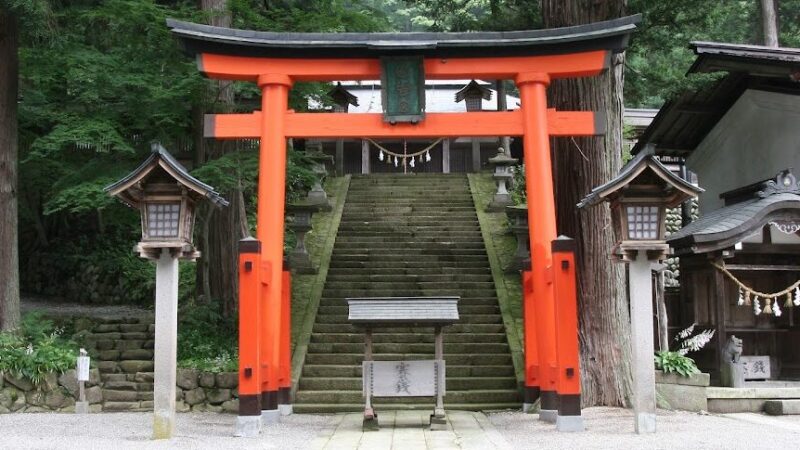
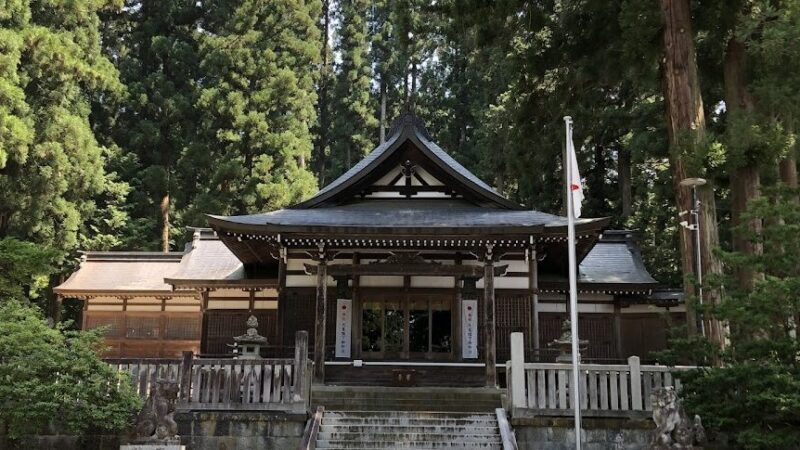
Yotsuya Suga Shrine
A shrine with the famous staircase from the film’s climactic scene. One of the most popular sacred sites.
Around Shinanomachi Station
The model for the location where Taki and Mitsuha pass each other on the train.
National Art Center, Roppongi
Believed to be the model for the restaurant where Taki works part-time.
Sacred Sites Outside Tokyo and in Regional Areas
Takayama, Hida (Gifu Prefecture)
The area that served as the model for Mitsuha’s hometown of Itomori. Features old town streets and natural scenery.
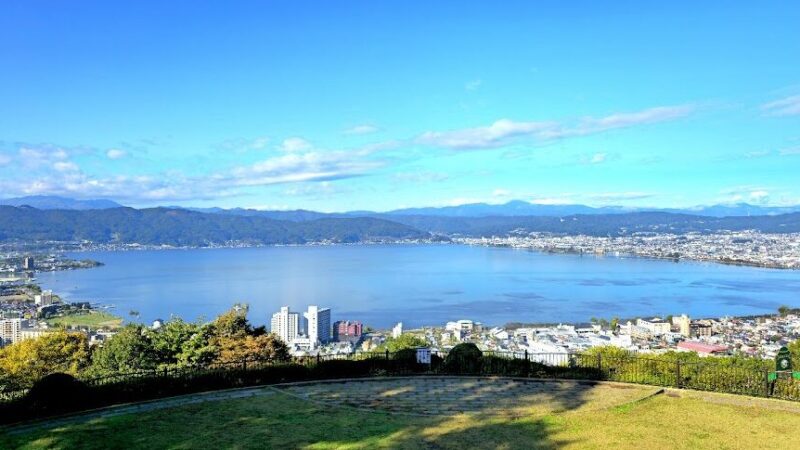
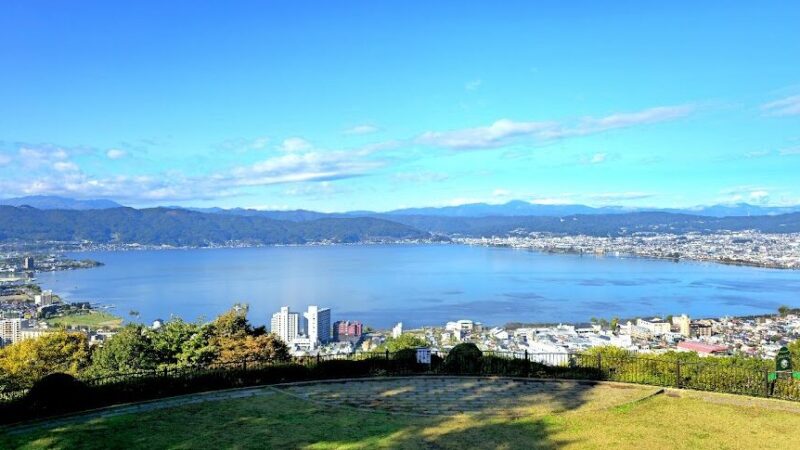
Lake Suwa (Nagano Prefecture)
One of the models for Lake Itomori. Beautiful landscape to enjoy.
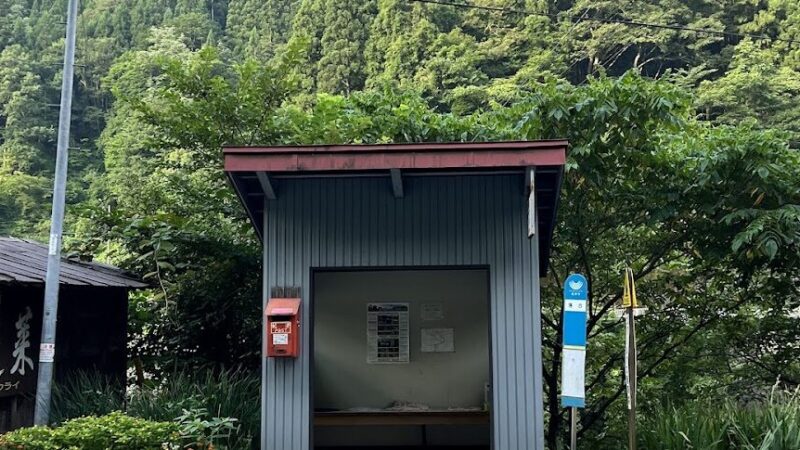
Hida Furukawa Station
Appears in scenes of Mitsuha’s commute to high school. The local train station building is impressive.
Planning Sacred Site Pilgrimage Tours
One-Day Tokyo Course
Shinjuku area → Yotsuya Suga Shrine → Shinanomachi and Sendagaya area → Roppongi
Three-Day Complete Tour Course
Day 1: Sacred sites within Tokyo
Day 2: Move to Hida Takayama, explore the town
Day 3: Visit Hida Furukawa and Lake Suwa before returning
Makoto Shinkai’s Other Works and Sacred Site Pilgrimage
Makoto Shinkai’s works beyond “Your Name” feature numerous appealing sacred locations.
“Weathering with You” (2019)
Tokyo again serves as the stage, with settings in Shinjuku, Yoyogi, and Ikebukuro. The Shinjuku Police Station area also appears, allowing pilgrimage together with “Your Name.”
Main Sacred Sites
- Around the former Yoyogi Hall
- Around Tabata Station
- Asahi Inari Shrine (Ginza)
“The Garden of Words” (2013)
Shinjuku Gyoen is the primary stage. The film is noted for its beautiful depictions of rain.
“5 Centimeters per Second” (2007)
Multiple locations appear, including Sannomiya Bridge Station, Yoyogi area, and Tanegashima.
The Appeal of Sacred Site Pilgrimage for Makoto Shinkai Works
Since the same regions often appear across multiple works, doing pilgrimage themed around “Tokyo as Depicted by Makoto Shinkai” is also enjoyable. You can compare how each work portrays locations and note how landscapes have changed over time.
Tools and Goods to Make Sacred Site Pilgrimage More Enjoyable
Here are helpful tools and goods for efficient and fulfilling sacred site pilgrimage.
Smartphone Applications
Map Applications
Saving sacred site locations in advance using Google Maps is convenient. The offline map feature provides peace of mind in areas with weak signals.
Photo Editing Applications
Numerous apps can process photographed images in the style of Makoto Shinkai’s works. Light expression and color adjustment allow you to create photos closer to the work’s atmosphere.
SNS Applications
Searching Instagram and Twitter with hashtags like “#YourNameSacredSite” or “#ShinjukuPoliceSationBackIntersection” lets you see other fans’ pilgrimage records.
Packing List
Essential Items
- Smartphone (camera, map, information gathering)
- Mobile battery
- Contactless transit card
- Beverages
- Rain gear (folding umbrella)
Convenient Items
- SLR or mirrorless camera
- Small tripod or smartphone stand
- Notebook and pen (for recording impressions)
- Screenshot or setting reference materials from the work
Ways to Record Your Experience
Photography Tips
Taking multiple shots from different angles of the same location makes viewing them later enjoyable. Additionally, “recreation photos” taken from the same composition as work scenes are popular.
Pilgrimage Journal or Blog
Recording visit dates, weather, and impressions creates wonderful memories for later. Sharing on SNS or blogs lets you connect with others who share your interests.
Video Recording
Using your smartphone’s video function to record the intersection’s atmosphere and people flow is also recommended. This captures a different sense of immediacy compared to photographs.
The History and Changes of the Intersection Behind Shinjuku Police Station
Before becoming known as a sacred pilgrimage site, this intersection has witnessed Tokyo’s history.
Shinjuku’s Development and the Intersection
From a post station in the Edo period through railroad development in the Meiji era, Shinjuku evolved into the massive commercial district it is today. The area around the intersection behind Shinjuku Police Station has undergone significant changes with the times.
Changes Following “Your Name’s” Release
After the film’s 2016 release, the number of fans visiting this intersection increased significantly. International visitors have grown numerous, and the location has taken on aspects of a new Shinjuku tourist destination.
Future Prospects
Shinjuku continues to change constantly. Urban redevelopment may alter the landscape, but this too is part of the living history of the city. Recording the scenery as it appeared when the film was released will become valuable material for the future.
Conclusion: Experience “Your Name’s” World at the Intersection Behind Shinjuku Police Station
The intersection behind Shinjuku Police Station is a precious sacred site where you can experience “Your Name’s” world. You can actually visit and feel the beauty of Tokyo that director Makoto Shinkai depicted and the energy possessed by the metropolis.
Sacred Site Pilgrimage Points Reconsidered
- Access: Approximately 8 minutes on foot from JR Shinjuku Station East Exit, approximately 5 minutes on foot from Seibu Shinjuku Station
- Recommended Times: Dusk (5:00 PM–7:00 PM) or night (7:00 PM–10:00 PM)
- Photography Tips: Photograph from a position overlooking the entire intersection, with composition conscious of building arrangement
- Etiquette: Avoid inconveniencing pedestrians and obey traffic rules
- Surrounding Spots: Shinjuku Station, Kabukicho, Yotsuya Suga Shrine, and visit other sacred sites together
What You Gain Through Sacred Site Pilgrimage
Sacred site pilgrimage is not merely tourism. It deepens understanding of the work, allows you to experience the creator’s perspective, and provides an opportunity to connect with others who love the same work. Visiting the intersection behind Shinjuku Police Station will cause “Your Name” to be etched more deeply in your heart.
The emotion felt when visiting an actual location, comparison with film scenes, and the joy of discovering differences between reality and animation. These are all the pleasures of sacred site pilgrimage.
Please verify with your own eyes the Tokyo landscape that director Makoto Shinkai depicted. Different emotions await you compared to watching the film.
For Safe and Enjoyable Sacred Site Pilgrimage
Finally, remember that sacred site pilgrimage involves visiting local residents’ living spaces. Follow etiquette and never forget consideration for those around you, creating wonderful memories.
The magic of “Your Name” does not exist only on screen. That magic certainly exists on the actual Tokyo street corners. At the intersection behind Shinjuku Police Station, why not become part of the story yourself?
We hope your sacred site pilgrimage journey is wonderful.