

“Love Live! Superstar!!” is a school idol story set at Yuigaoka Girls’ High School. Tokyo has numerous sacred sites that anime fans will want to visit at least once. This article provides detailed introductions to sacred sites throughout Tokyo that appeared across all seasons from Season 1 to Season 3, organized by location and episode.
Setting Background of “Love Live! Superstar!!”
The story of “Love Live! Superstar!!” unfolds primarily in Shibuya Ward, Tokyo. While Yuigaoka Girls’ High School is a fictional setting, the surrounding environment faithfully recreates the real Harajuku and Omotesando areas. Produced as a Love Live Project, this work provides viewers with an immersive experience by carefully depicting the actual streets of Tokyo.
Many buildings and landscapes appearing in the anime are places that can actually be visited, and through sacred site pilgrimages, one can experience the world of the work more deeply. While copyright belongs to the Love Live Project, sacred site pilgrimages by fans are recognized as important cultural activities that promote the appeal of the work.
Main Sacred Sites in Shibuya Ward Area
Yoyogi Park and Surrounding Areas
Yoyogi Park is one of the most important sacred sites in “Love Live! Superstar!!”. It appears frequently across Seasons 1-3 in practice scenes and daily conversation scenes.
Yoyogi Park Event Plaza area is depicted as a place where Liella members practice repeatedly. The spacious grass area feels open when actually visited, and one can take walks while recalling anime scenes. Since various events are held on weekends, it’s recommended to check the visit period in advance.
The pedestrian bridge within Yoyogi Park is also an important location. It’s used in scenes where characters converse, with many impressive cuts particularly in Season 1. The contrast between the park’s lush greenery and urban structures symbolizes the work’s atmosphere.
Onoda Shrine – Sumire Heian’s Family Home
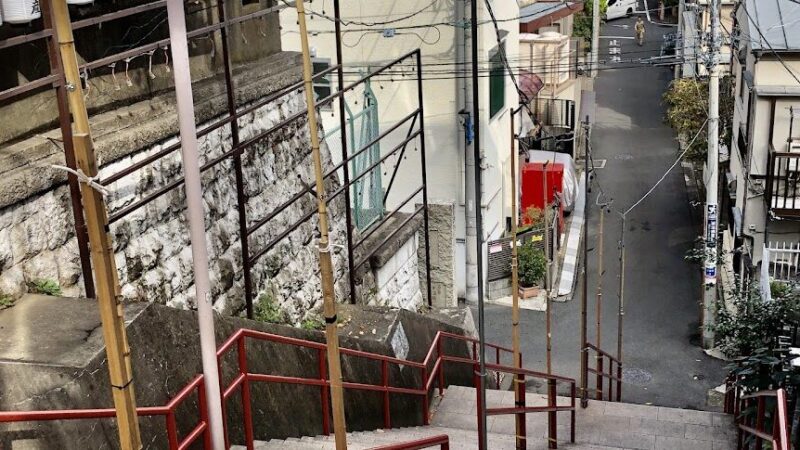
Onoda Shrine, located within walking distance of Harajuku Station, is set as the family home of first-year member Sumire Heian. This small yet historic shrine is faithfully recreated in its interior appearance in the anime.
When visiting in person, you’ll be surprised that the stone steps, shrine hall, and interior layout depicted in the anime exist exactly as shown. Given the shrine’s nature, it’s important to be considerate of visitors and enjoy the sacred site pilgrimage quietly. Many fans also collect stamps, making them suitable as commemorative items.
Harajuku Area Sacred Sites
Harajuku Station front plays a central role as a stage for the work. In Season 3, the area around WITH HARAJUKU is depicted in particular detail, incorporating modern Harajuku into the work.
The station’s exterior appearance differs depending on the anime production period, as new station facilities were completed in 2020. The new station house also appears in the work while retaining traces of the old station, making it a sacred site where one can feel the passage of time.
Takeshita Street is also an important spot appearing in the work. Known as the center of youth culture, this street is used as a background when depicting the characters’ daily lives. Since it’s often crowded even on weekdays, it’s advisable to choose your time carefully during sacred site pilgrimages.
Cat Street
Cat Street, which connects Harajuku and Shibuya, is an important sacred site appearing consistently from Season 1 through Season 3. This stylish street lined with shops is frequently used in scenes where members walk while conversing.
The actual street is a gentle slope with fashion brands and cafes on both sides. Part of the fun is searching for specific buildings depicted in the anime while walking. While it’s crowded on weekends, you can pilgrimage relatively leisurely on weekday mornings.
Omotesando Area
Omotesando Hills appears as an impressive location in the work. Particularly, the grand staircase scene is a photography spot visited by many fans. The interior of this shopping facility featuring luxury brands is also depicted in the work, creating a sophisticated urban atmosphere.
The area around Omotesando Apple Store was depicted with particular detail in Season 3. The distinctive glass building is immediately recognizable when visiting in person. Including the surrounding streets, the refined atmosphere of Omotesando has been incorporated into the work’s world.
In front of CELINE and other specific brand shop fronts on Omotesando are known as sacred sites. In Season 3, Episode 10, it appeared in a scene related to Kinako Sakurashoji, becoming a topic among fans.
Minami-Aoyama Area
The location set as Minami-Aoyama’s Hazuki mansion is an important location appearing in Season 3. The atmosphere of Minami-Aoyama as a luxury residential area is reflected in the work, making it an important place for understanding the character backgrounds.
While privacy considerations are necessary in this area, you can still feel the work’s worldview by simply strolling through the surrounding streets. It’s within walking distance from Omotesando, making it possible to visit together with other sacred sites.
Sacred Sites in Minato Ward
Shiba Park and Tokyo Tower Area
Shiba Park, Area 4 appeared as an important stage in Season 3. With Tokyo Tower in the background, many impressive scenes make it a standard sacred site pilgrimage spot.
You can view Tokyo Tower’s full landscape from within the park, allowing you to recreate photos with angles depicted in the anime. Particularly at dusk or during nighttime illumination, you can enjoy scenery closer to the work’s atmosphere.
Tokyo Tower itself appears in the work, serving an important role as a landmark symbolizing Tokyo. The view from the observation deck is a valuable opportunity to experience the landscape the characters saw.
Mita Area
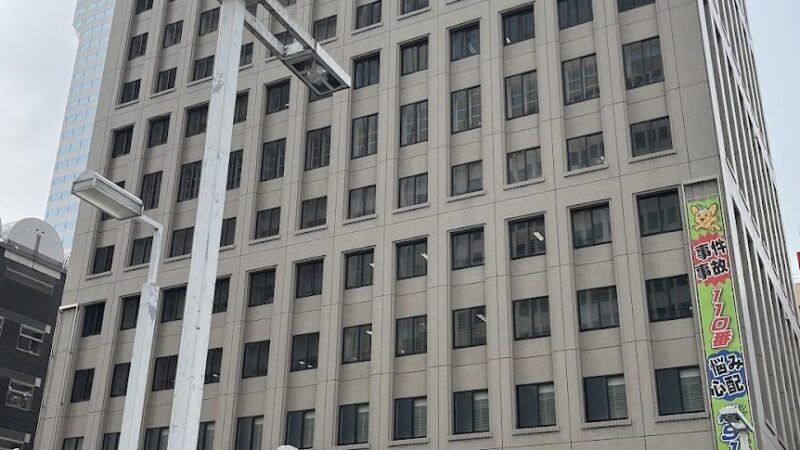
Mita area also appeared as a stage in Season 2. This area, where office districts mix with residential neighborhoods, gives the work an urban yet calm atmosphere.
Specific buildings and streets are depicted, making it an interesting area for fans who enjoy detailed location scouting. By visiting together with other sacred sites in Minato Ward, you can create an efficient pilgrimage route.
Other Sacred Sites Throughout Tokyo
Hamomori Hachimangu Shrine
Hamomori Hachimangu Shrine, located in Sendagaya, is a historic shrine that appeared as a shrine scene in the work. The precinct contains Tokyo’s only Fujizuka (Mount Fuji replica), allowing you to enjoy a shrine visit together with the sacred site pilgrimage.
It’s easily accessible from the Yoyogi area, making it easy to include in a combined pilgrimage route with other sacred sites. The quiet precinct is a healing spot that makes you forget the urban bustle.
National Stadium Area
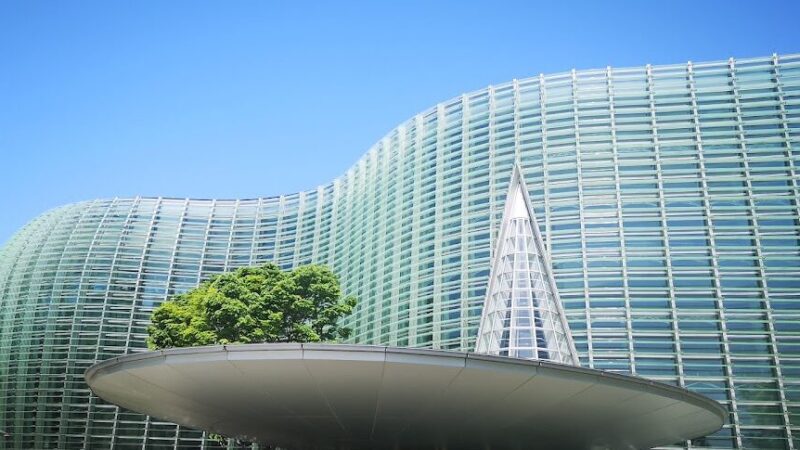
In Season 3, the area around National Stadium also appeared. The newly rebuilt stadium for the 2020 Tokyo Olympics is incorporated into the work as an architectural structure symbolizing modern Tokyo.
You can feel its grand scale just by walking around the exterior. Meishin Gaien’s green spaces also extend around the area, allowing you to enjoy pilgrimage while strolling.
Episode-by-Episode Stage Information
Season 1 Main Sacred Sites
Season 1 depicted the Yuigaoka Girls’ High School setting and Liella’s formation process. Main sacred sites include:
- Episode 1: Yoyogi Park, Harajuku Station front, Onoda Shrine make their first appearance
- Episode 2: Cat Street, Omotesando area practice scenes
- Episode 3: Serious practice begins at Yoyogi Park Event Plaza
- Episode 4: Harajuku area shopping streets, Takeshita Street vicinity
- Episode 5: Omotesando Hills, Aoyama area
Season 1 was a period establishing the worldview, with basic sacred sites in the Harajuku and Omotesando areas confirmed.
Season 2 Development and New Sacred Sites
New sacred sites were added with Season 2’s story progression:
- Sarvia Maru arc: Development outside Tokyo (Izu Islands direction)
- Kouzushima arc: Tokyo’s island regions as stage
- Hokkaido arc: Episodes featuring out-of-prefecture expeditions
- Return to Tokyo: New areas like Mita and Minami-Aoyama appear
Season 2 expanded the activity range, opening up new areas within Tokyo.
Season 3 Latest Sacred Site Information
Season 3 depicts Tokyo’s streets in more detail:
- Episode 1: National Stadium, new angles of Yoyogi Park
- Episode 5: Omotesando Apple Store, in front of CELINE and other brand streets
- Episode 10: Shiba Park Area 4, Tokyo Tower area, Minami-Aoyama’s Hazuki mansion, WITH HARAJUKU, Harajuku Cat Street
- Toward the finale: Shibuya Station area, culmination of Yoyogi area
Season 3, as the work’s conclusion, revisits previous sacred sites while offering new discoveries.
Detailed Map of Stage Information by Location
Harajuku and Omotesando Area Concentrated Map
The area with the densest concentration of sacred sites is Harajuku and Omotesando. An efficient walking route is as follows:
- Start at Meiji-jingumae Station → Onoda Shrine (5-minute walk)
- Onoda Shrine → Harajuku Station front, WITH HARAJUKU (7-minute walk)
- Harajuku Station front → Cat Street entrance (3-minute walk)
- Cat Street → Omotesando Hills (10-minute walk)
- Omotesando Hills → Omotesando Apple Store (5-minute walk)
- Omotesando → Minami-Aoyama area (8-minute walk)
This route allows for 2-3 hours of sacred site pilgrimage.
Yoyogi and Shibuya Area Route
The area centered on Yoyogi Park is the heart of the work:
- Start at Yoyogi Koen Station → Yoyogi Park Event Plaza (3-minute walk)
- Yoyogi Park → Pedestrian bridge within park (5-minute walk)
- Yoyogi Park → Hamomori Hachimangu Shrine (12-minute walk)
- Hamomori Hachimangu Shrine → National Stadium (10-minute walk)
This is a lush natural area where a leisurely sacred site pilgrimage can be enjoyed.
Minato Ward Pilgrimage Route
Minato Ward area, which increased in importance in Season 3:
- Start at Mita Station → Mita area sacred sites (within walking distance)
- Mita → Shiba Park Area 4 (15-minute walk)
- Shiba Park → Tokyo Tower (5-minute walk)
This is an easy-to-combine route with sightseeing centered on Tokyo Tower.
Practical Advice for Sacred Site Pilgrimage
Optimal Pilgrimage Times
Weekday mornings (9:00-12:00) are most recommended. With fewer tourists, you can photograph at leisure. Particularly in Yoyogi Park and Omotesando areas, avoiding weekend crowds allows for comfortable pilgrimage.
Dusk hours (16:00-18:00) allow you to capture photos with atmospheres close to anime scenes. The Tokyo Tower’s illumination and streetlights beginning to light up provide particularly beautiful scenery.
Transportation and Access
You can move efficiently by combining Tokyo Metro, JR, and Toei Subway:
- Harajuku and Omotesando area: JR Harajuku Station, Tokyo Metro Meiji-jingumae Station, Omotesando Station
- Yoyogi area: Tokyo Metro Yoyogi Koen Station, JR Yoyogi Station
- Minato Ward area: Toei Mita Line Mita Station, Toei Oedo Line Akabane-bashi Station
Purchasing a one-day pass can help save on transportation costs.
Convenient Items to Bring
- Smartphone: Essential for location comparison apps and map apps
- Mobile battery: Photo shooting consumes battery quickly
- Beverages: Particularly important for heat illness prevention in summer
- Anime screenshots: Helpful for accurate location identification
- Notebook: For noting down visit records and impressions
Manners and Precautions
Sacred site pilgrimage requires consideration for local residents and other visitors:
- Shrines and temples: Act quietly so as not to obstruct visitors
- Residential areas: Avoid loud conversation and extended stays
- Commercial facilities: Confirm photography-restricted areas and avoid disrupting store operations
- Public spaces: Take photos in places that don’t obstruct traffic
- Trash: Always take it with you and cooperate in environmental conservation
Observing manners allows sacred site pilgrimage culture to continue in the future.
Seasonal Highlights
Spring (March-May)
Yoyogi Park’s cherry blossoms are spectacular. Since cherry blossom scenes are also depicted in the anime, spring pilgrimages offer special experiences. The Keyaki-lined Omotesando’s fresh greenery is also beautiful, making it perfect for strolling.
Summer (June-August)
The Harajuku area bustles with young people, allowing you to experience the work’s lively atmosphere. However, heat illness prevention is essential. Choosing cooler early morning or evening hours is advisable.
Autumn (September-November)
Yoyogi Park’s autumn colors are magnificent, allowing you to enjoy a seasonal feeling different from the anime. The moderate climate makes it ideal for extended sacred site pilgrimages.
Winter (December-February)
Omotesando’s illuminations are representative of Tokyo’s winter scenery. Evening sacred site pilgrimages offer romantic atmospheres. Ensure proper winter preparations when visiting.
Related Events and Collaboration Information
“Love Live! Superstar!!” holds periodic collaboration events at sacred sites. Cafes and shops in the Harajuku area may hold limited-time collaboration menus and merchandise sales.
By checking the official website and SNS for the latest information, you can experience special encounters in addition to regular sacred site pilgrimages. Fan meet-up events are occasionally held, providing opportunities to meet fellow enthusiasts.
Prior Knowledge for Enhanced Sacred Site Pilgrimage Enjoyment
Understanding the Work’s Timeline
Understanding the timeline from Season 1 through Season 3 allows deeper understanding of each sacred site’s meaning. The expansion of activity area alongside members’ growth can also be read from the changes in sacred sites.
Character and Sacred Site Relationships
- Sumire Heian: Onoda Shrine (family home setting)
- Kinako Sakurashoji: Minami-Aoyama area (related to Hazuki mansion)
- Liella overall: Yoyogi Park (practice location)
Being aware of sacred sites related to each character allows you to organize pilgrimage routes centered around your favorite members.
Photography Techniques
When recreating anime cuts, be mindful of these points:
- Angle: Photograph at the same height and angle as screenshots
- Time of day: Choose the same time of day as the anime scene
- Weather: Reference the scene’s weather conditions
- Editing: Later color correction can match the atmosphere
Creating comparison images makes sharing on SNS enjoyable.
Combining with Nearby Tourist Spots
By combining sacred site pilgrimages with Tokyo sightseeing, you can make a day more fulfilling:
- Meiji Shrine: Within walking distance of Onoda Shrine
- Takeshita Street shopping: Shopping in Harajuku area
- Omotesando cafe tours: Culinary experiences during breaks
- Tokyo Tower observation deck: When visiting Shiba Park
- Shibuya Scramble Crossing: Extension of Shibuya area sacred sites
Combining tourist guidebooks with sacred site maps allows efficient planning.
Lodging and Access Base
When visiting from distant locations, lodging choice is important:
- Shibuya and Harajuku area: Closest to sacred sites, allowing early morning pilgrimages
- Shinjuku area: Good transportation convenience with various line access
- Shinagawa and Tamachi area: Close to Minato Ward sacred sites, convenient for Shinkansen users
If spreading pilgrimage across multiple days, changing lodging by area is one option.
Digital Tool Utilization
Sacred Site Pilgrimage Apps
Using dedicated apps like “Butai Meguri,” GPS features allow accurate location identification. Check-in functions also allow you to record visits.
Information Gathering via SNS
Searching hashtags like “#LoveLiveSuperstarSacredSitePilgrimage” on Twitter (X) and Instagram reveals latest sacred site information and fellow fans’ pilgrimage reports.
Google Maps MyMaps Feature
Pre-registering planned sacred sites on MyMaps allows efficient route creation. Don’t forget to download offline maps.
Sacred Sites Outside Tokyo Prefecture
While the work centers on Tokyo, some sacred sites exist outside the prefecture:
- Ushiku Shateau, Ibaraki Prefecture: Appears in Season 2
- Kouzushima: Important Season 2 episode stage
- Hokkaido: Season 2 expedition arc
Dedicated fans tackle these distant sacred sites after completing Tokyo’s sacred sites.
Summary: For Fulfilling Sacred Site Pilgrimage
The sacred sites of “Love Live! Superstar!!” in Tokyo spread across Harajuku, Omotesando, and Yoyogi, centering on these, and extending to Minato and Shibuya wards. As the work progresses from Season 1 through Season 3, new sacred sites continue to be added, and there are new discoveries with each visit.
Advance route planning is essential for efficient sacred site pilgrimages. Visiting by area minimizes travel time. Additionally, by observing manners and being mindful of coexistence with communities, you can enjoy sacred site pilgrimage culture for years to come.
With love for the work and respect for actual locations, please enjoy a wonderful sacred site pilgrimage experience. The emotion of witnessing in person the scenery you saw in the anime will certainly become an unforgettable memory for fans.
Experience the world of “Love Live! Superstar!!” to the fullest alongside Tokyo’s streets, which show different faces through the four seasons.


完全ガイド|聖地巡礼マップと撮影スポット-800x450.jpg)