Complete Guide to “Rascal Does Not Dream of Bunny Girl Senpai” Pilgrimage in Kanagawa Prefecture: Exploring the Settings of the Fujisawa and Enoshima Areas
“Rascal Does Not Dream of Bunny Girl Senpai” (commonly known as: Seishun Buta Yarou) is a popular work based on a light novel by Hajime Kamoshida that was adapted into an anime in 2018. The story centered on protagonist Sakuta Azusagawa and Sakurajima Mai is set in the Shonan area of Kanagawa Prefecture, particularly around Fujisawa City and Enoshima.
This article provides detailed introductions to the sacred sites appearing in the work, completely covering access methods, highlights, photography spots, and more when actually visiting. This is the definitive pilgrimage guide where fans can experience the worldview of Seishun Buta Yarou at sites they’ll want to visit at least once.
The Appeal of the Shonan Area in Kanagawa Prefecture, Setting of Seishun Buta Yarou
The stage for the “Seishun Buta Yarou” series is set primarily in the Shonan area of Kanagawa Prefecture, particularly centered on Fujisawa City. While Minegahara High School that Sakuta and others attend in the work doesn’t actually exist, many real locations were used as models and for surrounding scenery.
The Shonan area is easily accessible from central Tokyo and is popular as a tourist destination blessed with ocean and mountain nature. Distinctive transportation systems like the Enoden Electric Railway (Enoden) and Shonan Monorail also appear in the work, doubling the enjoyment of the pilgrimage.
The Work’s Time Period Setting and Real Scenery
Seishun Buta Yarou is set in modern-day Shonan, and many of the buildings and scenery that appear actually exist. Thorough location scouting was conducted for the anime production, faithfully recreating actual townscapes. Therefore, there are many places where fans can experience the emotion of “This is just like that scene!” when visiting.
Shonan Monorail: Experience Sakuta’s Commute Route
What is the Shonan Monorail
The Shonan Monorail is a suspended monorail connecting Ofuna Station and Shonan Enoshima Station. It frequently appears in the work as the transportation Sakuta uses for his commute to school and has become one of the sacred sites symbolizing Seishun Buta Yarou.
Suspended monorails are rare nationwide, with cars running in a form hanging from the rails. The route through mountainous areas has many sharp curves and steep grades, providing a thrilling riding experience like a roller coaster.
Highlights as a Sacred Site
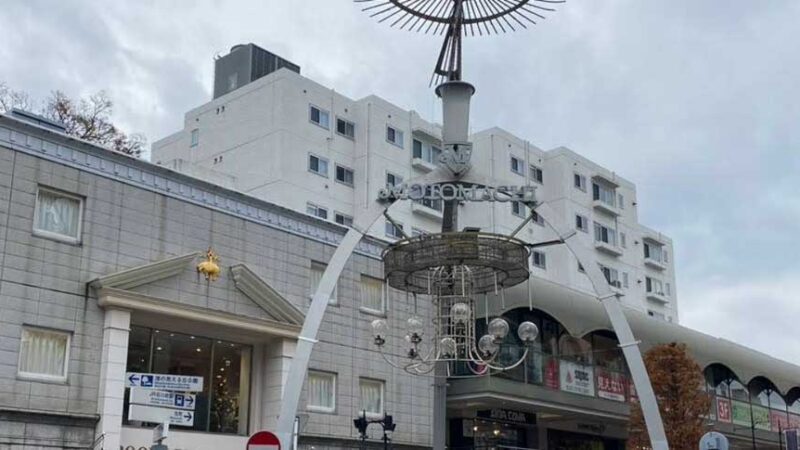
In the anime’s opening video, the scenery visible from inside the Shonan Monorail cars is impressively depicted. Particularly the section from Mejiroyamashita Station to Shonan-Machiya Station frequently appears in the work.
Main photography spots:
- Shonan Enoshima Station: Appears in scenes where Sakuta disembarks
- Views from inside the car: Scenery used in the opening
- Around Shonan-Fukasawa Station: Background for commute scenes
Access and Fares
- Starting station: Ofuna Station (JR Tokaido Line/Yokosuka Line, Shonan Monorail)
- Terminal station: Shonan Enoshima Station (Shonan Monorail, walking distance from Odakyu Enoshima Line’s Katase-Enoshima Station)
- Travel time: Approximately 14 minutes
- Fare: Adult 320 yen (as of 2024)
One-day unlimited ride tickets (adult 620 yen) are also sold and are economical when riding multiple times during a pilgrimage.
Shichirigahama: An Important Story Setting
Overview of Shichirigahama
Shichirigahama is a beach located in the southwestern part of Kamakura City, with beautiful sandy beaches stretching approximately 4km facing Sagami Bay. It’s known as a scenic spot overlooking Enoshima and Mt. Fuji, popular with surfers and tourists.
In Seishun Buta Yarou it appears many times as the setting for important scenes, particularly known as the location where impressive conversation scenes between Sakuta and Mai were filmed.
Scenes Appearing in the Work
Shichirigahama appears in numerous scenes throughout the work:
- Scenes of Sakuta and Mai walking along the beach
- Moments when important confessions and conversations are exchanged
- Beautiful ocean scenery at dusk
- Scenes of the Enoden running along the coast
Times to Visit
Dusk: The dusk time impressively depicted in the work offers spectacular views of the sky and ocean dyed orange. On clear days, you can also see the silhouette of Mt. Fuji.
Early morning: With few tourists, you can have the quiet beach to yourself. The sunrise hours are also beautiful and ideal for photography.
Access
- Enoden: Get off at Shichirigahama Station, approximately 3-minute walk
- Car: Along National Route 134 (use nearby coin parking lots)
Enoshima Electric Railway (Enoden): Shonan’s Representative Tourist Line
The Appeal of the Enoden
The Enoshima Electric Railway is a 10km streetcar connecting Fujisawa Station and Kamakura Station. It’s a popular tourist line where you can enjoy scenery-rich views including sections weaving through residential areas and sections running along the coast.
In Seishun Buta Yarou, many Enoden cars and stations appear, becoming an important element producing Shonan’s atmosphere.
Stations Appearing as Sacred Sites
Kamakurakoko-mae Station:
An unmanned station located along the coast, offering views of Sagami Bay from the platform. From the railroad crossing, you can photograph scenery of the Enoden running with Enoshima and Mt. Fuji in the background, a popular spot for domestic and international tourists. It also appears in impressive scenes in Seishun Buta Yarou.
Shichirigahama Station:
The nearest station to Shichirigahama Beach. It appears as a station Sakuta and others use in the work. The station area has many stylish cafes and restaurants, making it ideal as a rest spot during pilgrimage.
Enoshima Station:
The gateway station to Enoshima. It appears in scenes visiting Enoshima in the work.
Tips for Pilgrimage on the Enoden
Noriorikun (One-Day Pass): Adult 800 yen for unlimited rides on all Enoden lines for one day. An essential item for pilgrimages visiting multiple stations.
Avoid crowds: Extremely crowded on weekends and during summer. Weekdays or early morning/after evening hours are recommended.
Photography manners: At popular photography spots, be considerate not to inconvenience local residents or other tourists. Entry onto railroad crossings or tracks is strictly prohibited.
Enoshima: Appears as a Date Spot
Overview of Enoshima
Enoshima is a tombolo island floating in Sagami Bay with a circumference of approximately 4km, connected to the mainland by a bridge. With many highlights including Enoshima Shrine, an observation deck, and caves, it has long been beloved as a tourist destination.
In Seishun Buta Yarou, Enoshima appears in date scenes with Sakuta and Mai, or other heroines.
Spots Appearing in the Work
Enoshima Benten Bridge:
The bridge connecting the mainland and Enoshima. Scenes of Sakuta and others crossing when visiting Enoshima are depicted in the work. From the bridge, you can enjoy views of Katase Beach and Mt. Fuji.
Enoshima Samuel Cocking Garden:
A botanical garden at the top of Enoshima. From the observation tower “Sea Candle,” spectacular views overlooking the entire Shonan area spread out.
Enoshima Iwaya:
Caves in the deep part of Enoshima. Natural caves formed by wave erosion with a mysterious atmosphere.
Points for Enoshima Sightseeing
Time required: If looking around thoroughly, you’ll want to secure 3-4 hours.
Escar (paid escalator): Since there are many slopes and stairs on the island, using the Escar makes it easy to reach the top (fee: adult 360 yen).
Gourmet: You can enjoy local gourmet foods like fresh shirasu-don and Enoshima specialty tako-senbei.
Access
- Odakyu Enoshima Line: Get off at Katase-Enoshima Station, approximately 10-minute walk
- Enoden: Get off at Enoshima Station, approximately 15-minute walk
- Shonan Monorail: Get off at Shonan Enoshima Station, approximately 15-minute walk
Around Fujisawa Station: Setting for Daily Life Scenes
Overview of Fujisawa Station
Fujisawa Station, where the JR Tokaido Line, Odakyu Enoshima Line, and Enoden connect, is a transportation hub of the Shonan area. In Seishun Buta Yarou, the station vicinity appears in Sakuta and others’ daily life scenes.
Sacred Site Spots
Fujisawa Station North Exit:
Appears in scenes where Sakuta converses with friends. The station front rotary and commercial facilities are depicted in the work.
Shopping streets around the station:
May appear in daily shopping scenes.
Candidate Model Locations for Minegahara High School
Minegahara High School that Sakuta and others attend in the work is a fictional school, but there are multiple candidates for locations that served as models for the exterior and location.
Shichirigahama High School
Kanagawa Prefectural Shichirigahama High School is located on a hill in Shichirigahama, a spectacular school with views of Sagami Bay from the school building. The location and atmosphere are considered close to the image of Minegahara High School, making it one of the model candidates.
Caution: Since it’s an actual school, entry onto the premises is strictly prohibited. Limit yourself to viewing the exterior from a distance and be considerate not to inconvenience students or faculty.
Pilgrimage Model Courses
Course Covering Main Spots in One Day
Morning:
- Start from Ofuna Station
- Take Shonan Monorail to Shonan Enoshima Station (approximately 14 minutes)
- Enoshima sightseeing (2-3 hours)
Afternoon:
- Move to Shichirigahama Station by Enoden
- Shichirigahama Beach stroll (1 hour)
- Photography at Kamakurakoko-mae Station
- Return to Fujisawa Station or Kamakura Station by Enoden
Course for Leisurely Touring Over 2 Days
Day 1:
- Ride entire Shonan Monorail line
- Enoshima sightseeing
- Stroll around Katase Beach area
- Explore around Fujisawa Station
Day 2:
- Head toward Kamakura by Enoden
- Shichirigahama, around Kamakurakoko-mae Station
- Kamakura sightseeing (Tsurugaoka Hachimangu, Komachi-dori, etc.)
Pilgrimage Belongings and Precautions
Essential Items
- Work materials: Having anime screenshots or sacred site maps makes it easier to find photography spots
- Camera: Smartphones are sufficient, but DSLR or mirrorless cameras allow for more beautiful photos
- One-day pass: Enoden’s Noriorikun or Shonan Monorail unlimited ride ticket
- Comfortable shoes: Sneakers or other comfortable shoes are essential for walking beaches and slopes
- Sunscreen/hat: The coastal area has strong sunlight, especially necessary in summer
Manners and Precautions
Photography manners:
- Unauthorized entry onto private property or school premises is strictly prohibited
- No entry onto roads or railroad tracks
- Be considerate not to disturb local residents’ lives
- Refrain from loud conversations or noise
Transportation manners:
- The Enoden is also a local residents’ lifeline, so practice the spirit of mutual accommodation during crowded times
- Don’t forget safety of surroundings while absorbed in photography
Waste disposal:
- Always take trash with you or use designated trash bins
- Littering on beaches is strictly prohibited
Seasonal Highlights
Spring (March-May)
During cherry blossom season, you can enjoy beautiful cherry blossoms around Enoshima and Kamakura. The climate is also mild, making it an ideal season for pilgrimage. However, Golden Week is extremely crowded, so weekday visits are recommended.
Summer (June-August)
The season to fully enjoy Shonan’s summer ocean. However, mid-July through August sees huge crowds of beachgoers. The Enoden in particular may have long waiting lines. Early morning or after evening visits, or weekday use is recommended.
Autumn (September-November)
Autumn, when summer crowds settle down and the climate becomes comfortable, is one of the best seasons for pilgrimage. Especially October-November has stable weather and Mt. Fuji is often visible.
Winter (December-February)
The season with few tourists where you can tour sacred sites leisurely. Because the air is clear, views of Mt. Fuji and Enoshima appear beautiful. However, cold protection is essential as ocean winds are cold.
Nearby Accommodation
Fujisawa/Enoshima Area
Around Enoshima, hotels and inns overlooking the ocean are scattered. There are also hot spring facilities like Enoshima Island Spa, ideal for soothing pilgrimage fatigue.
Kamakura Area
Around Kamakura Station, there are hotels in various price ranges. Since it’s also well-developed as a tourist destination, you can enjoy Kamakura sightseeing combined with pilgrimage.
Yokohama Area
Around Yokohama Station, hotel options are abundant, with good access to Fujisawa and Kamakura. The richness of restaurants characteristic of a large city is also appealing.
Gourmet Information: Shonan Gourmet to Enjoy During Pilgrimage
Fresh Shirasu-Don
Specialty dish of Enoshima and Kamakura. Fresh raw shirasu has transparency and an exquisite melting texture in the mouth. However, note that raw shirasu has a fishing ban period (around January-March).
Tako-senbei
Enoshima specialty giant octopus cracker. The sight of pressing and grilling a whole octopus right before your eyes is spectacular.
Shonan Pancakes
Around Shichirigahama there are many stylish cafes where you can enjoy pancakes and cafe menus while viewing the ocean.
Related Event Information
Anime-Related Events
Due to Seishun Buta Yarou’s popularity, stamp rallies and collaboration cafes are occasionally held irregularly around Fujisawa City and Enoshima. Check official websites and SNS for the latest information.
Enoshima Lanterns
The Enoshima Lanterns held every August is a summer tradition where the island is decorated with about 1,000 lanterns. It fantastically illuminates Enoshima at night.
Useful Apps and Websites for Pilgrimage
Butai Meguri
An app specialized for anime pilgrimage. It has functions to compare anime scenes with actual scenery using GPS, and supports Seishun Buta Yarou pilgrimage.
Google Maps
If you save sacred site location information in advance, you can efficiently plan routes. You can also check scenery in advance using Street View.
Enoden/Shonan Monorail Official Sites
You can check timetables, fares, and discount ticket information. Since operation status can be confirmed in real-time, it’s convenient for access on the day.
Recording Your Pilgrimage
Photography Tips
Shoot from the same angle: Shooting from the same angle as anime scenes allows enjoyment as comparison images.
Match the time of day: Visiting at the same time of day as scenes in the work (morning, afternoon, evening, etc.) better recreates the atmosphere.
Be conscious of aspect ratio: Since anime often uses 16:9 aspect ratio, being conscious of the same ratio when shooting is good.
Sharing on SNS
Posting on Twitter or Instagram using hashtags like “#SeishunButaYarouPilgrimage” “#SeishunButaYarou” allows interaction with other fans. However, consideration is needed for content that becomes spoilers.
Summary: Pilgrimage to Experience the World of Seishun Buta Yarou
The Shonan area of Kanagawa Prefecture, the sacred site of “Rascal Does Not Dream of Bunny Girl Senpai,” is an attractive place where you can fully savor the anime’s worldview. By actually visiting spots appearing in the work such as distinctive transportation like the Shonan Monorail and Enoden, beautiful coastlines, and Enoshima’s spectacular views, you can physically feel the stage of youth where Sakuta and others spent their time.
Through pilgrimage, not only will your understanding of the work deepen, but you should be able to discover the appeal of the Shonan area itself. Observe manners, don’t forget consideration for local people, and create wonderful pilgrimage memories.
For Seishun Buta Yarou fans, pilgrimage to the Shonan area of Kanagawa Prefecture will be a special experience where they can enter the world of the work. Please use this guide as reference to create your own pilgrimage plan.