
A Complete Guide to Fujisawa City, Kanagawa Prefecture: The Sacred Ground of “Rascal Does Not Dream of Bunny Girl Senpai” | Must-See Pilgrimage Spots for Fans
Introduction: The Deep Connection Between “Rascal Does Not Dream of Bunny Girl Senpai” and Fujisawa City
“Rascal Does Not Dream of Bunny Girl Senpai” (commonly known as “Seishun Buta Yaro” or “Ao Buta”), based on the light novel by Kamoshida Hajime, is a youth fantasy work that was adapted into an anime in 2018. The story of high school students caught up in a mysterious phenomenon called “Puberty Syndrome” captured the hearts of many fans.
One of the major attractions of this work is the beautiful scenery of the Shonan area centered around Fujisawa City, Kanagawa Prefecture. The work features numerous real locations, making it a popular “sacred site pilgrimage” destination for fans. This article introduces the charm of Fujisawa City as the stage of Ao Buta and describes specific sacred pilgrimage spots in detail.
Fujisawa City, Kanagawa Prefecture
Basic Information About Fujisawa City
Fujisawa City, Kanagawa Prefecture, is a core city with a population of approximately 440,000 facing Sagami Bay. Located approximately 50km from central Tokyo and about 20km from Yokohama City, it is known as a charming town where urban functions and natural environments are in harmony.
Characteristics of Fujisawa City:
- The central city of the Shonan coast
- Home to the tourist attraction of Enoshima Island
- Excellent transportation networks including the Odakyu Enoshima Line, JR Tokaido Line, and Enoden
- A mecca for surfing and marine sports
- Warm climate and beautiful coastline
Why Was Fujisawa Selected as the Setting for Ao Buta?
The original author, Kamoshida Hajime, has connections to the Fujisawa area, which is why this region was chosen as the setting for the work. The open atmosphere of Shonan and an environment where the city and nature coexist proved ideal for a youth story.
The landscape of the sea and sky became an important element reflecting the emotions of the characters, and the real scenery of Fujisawa City gave depth to the work.
Ao Buta Sacred Site Pilgrimage: Major Spots in Fujisawa City
Enoshima Island
Overview of Enoshima
Enoshima Island is one of Fujisawa City’s signature tourist destinations and an important stage in Ao Buta. A small island floating in Sagami Bay, it is connected to the mainland by the Enoshima Benten Bridge (or Enoshima Grand Bridge).
Sights to See on Enoshima:
- Enoshima Shrine (Hetsumiya, Chutsumiya, Okumiya)
- Enoshima Sea Candle (observation lighthouse)
- Enoshima Samuel Cocking Garden
- Chigo-ga-fuchi
- Iwaya Cave
Appearances in the Work
Enoshima appears in impressive scenes such as the date between the protagonist Azusawa Sakuta and his senior, the heroine Sakurajima Mai. In particular, the view from the Enoshima Grand Bridge, the stone steps within the island, and views from the observation deck are depicted faithfully to the actual scenery.
The sunset view from Enoshima Sea Candle is beautifully depicted in the work and is a must-see spot for sacred site pilgrims.
How to Get There
- Odakyu Enoshima Line: About 10 minutes on foot from Katase-Enoshima Station
- Enoden: About 15 minutes on foot from Enoshima Station
- Shonan Monorail: About 15 minutes on foot from Shonan Enoshima Station
Shichigahama
The Appeal of Shichigahama
Shichigahama is a beautiful coastline spanning Kamakura City and Fujisawa City, appearing in particularly memorable scenes in Ao Buta. It is characterized by approximately 4km of sandy beach and spectacular views of Enoshima Island and Mount Fuji.
Characteristics of Shichigahama:
- A mecca for surfing
- A famous spot for sunset viewing
- Stylish cafes and restaurants scattered about
- The Enoden running along the coastline
Importance in the Work
The Shichigahama coastline appears in important scenes where Sakuta and Mai connect emotionally. In particular, scenes of them walking along the coastline and scenes with the Enoden and sea as the background have become popular photography spots among fans.
Points to Visit
When visiting Shichigahama, it is recommended to get off at Shichigahama Station on the Enoden. The beach is just a short walk from the station, and there are many cafes along Route 134 where you can relax and enjoy the sea view.
Around Kamakura High School Station
Enoden・Kamakura High School Station
Kamakura High School Station is one of the stations on the Enoden, known as the station closest to the sea. Ao Buta features many scenes on the Enoden, and this station area is also depicted in the work.
Characteristics of Kamakura High School Station:
- Spectacular views of Sagami Bay spread out right in front
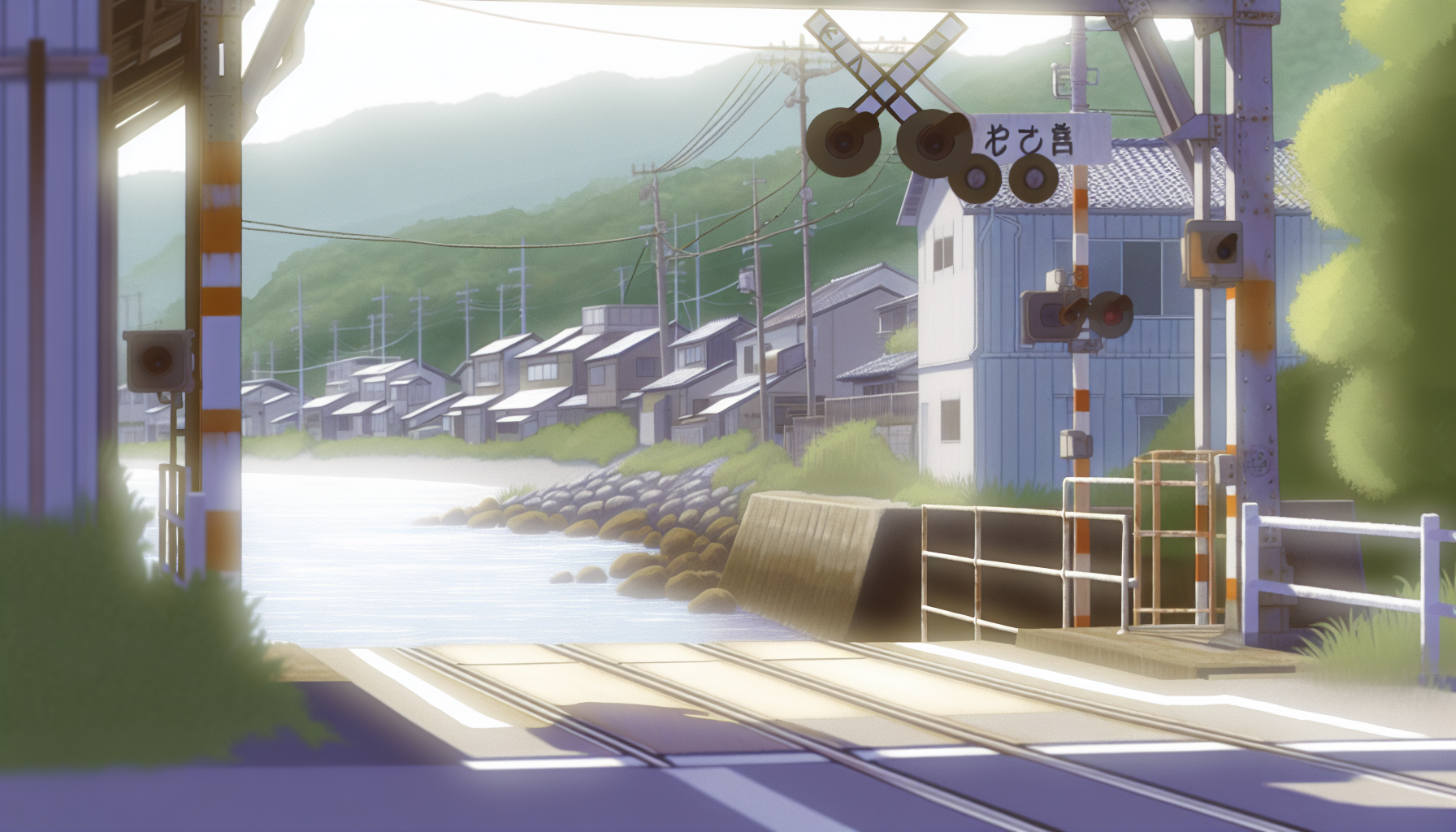
- Scenery of the railroad crossing with the sea and Enoden
- Also famous as a sacred site for “SLAM DUNK”
Precautions When Taking Photographs
The area around Kamakura High School Station is a popular tourist spot, and the area near the railroad crossing is particularly crowded. Keep the following points in mind when taking photographs:
- Be considerate not to obstruct traffic
- Never enter the railroad tracks
- Respect the area as a residential neighborhood
- Visiting early in the morning or on weekdays is recommended
Around Fujisawa Station
The Role of Fujisawa Station
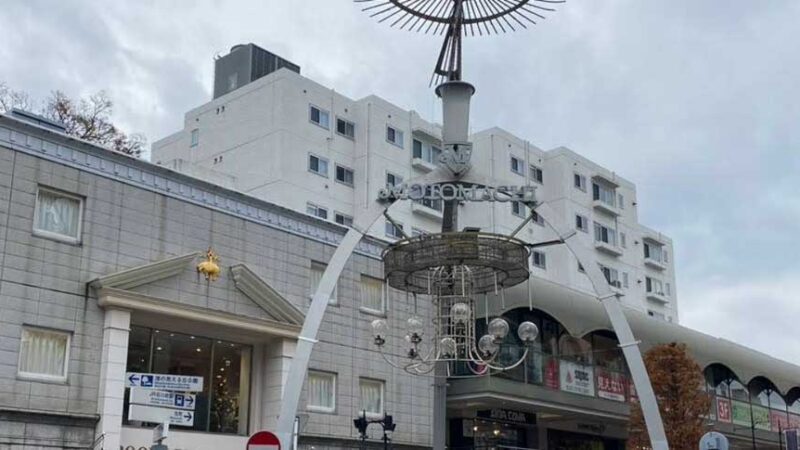
Fujisawa Station is a major station served by the Odakyu Enoshima Line and JR Tokaido Line and appears as the stage for everyday scenes in the work. It is also depicted as the commute route to the school attended by the main characters.
Attractions Around Fujisawa Station:
- Commercial facilities in front of the station
- Fujisawa Citizens’ Hall
- Yugyo-ji Temple (Head Temple of Jishu Sect)
- Shirohata Shrine
Feeling the Everyday
The charm of Ao Buta lies in the contrast between the extraordinary “Puberty Syndrome” and everyday life. The everyday scenery around Fujisawa Station is an important stage that colors those everyday scenes.
Part of the fun of sacred site pilgrimages is searching for family restaurants and convenience stores around the station that may appear in the work.
Katase-Enoshima Station
A Station Building Like a Dragon Palace
Katase-Enoshima Station, the final station of the Odakyu Enoshima Line, is known for its unique station building inspired by a dragon palace. It became even more beautiful following a renovation in 2020.
Characteristics of Katase-Enoshima Station:
- Architecture modeled after a dragon palace
- The closest station to Enoshima Island
- Bustling with many tourists during the swimming season
Appearances in the Work
Katase-Enoshima Station appears when visiting Enoshima Island in Ao Buta. The distinctive appearance of the station building is depicted in the work as an architectural symbol of Shonan charm.
Shonan Seaside Park
Shonan Seaside Park is located on Katase Beach West Shore and is a spot where you can spend time leisurely while overlooking the sea. In the work, it may appear in scenes such as walks along the coast.
Characteristics of the Park:
- Spacious grass areas
- An open space with panoramic sea views
- Perfect for walking and jogging
- A sunset viewing spot
Model Courses for Ao Buta Sacred Site Pilgrimage
An Efficient Course to Cover in One Day
We introduce a model course to efficiently tour Ao Buta sacred sites in Fujisawa City in one day.
Morning (9:00 AM-12:00 PM):
- Start from Fujisawa Station (explore the station area)
- Take the Odakyu Enoshima Line to Katase-Enoshima Station
- Photograph the Katase-Enoshima Station building
- Head to Enoshima and cross the Enoshima Grand Bridge
- Visit Enoshima Shrine
- Enjoy the view from Enoshima Sea Candle
Afternoon (12:00 PM-3:00 PM):
- Have lunch at a restaurant on Enoshima Island
- Leave Enoshima and head to Enoshima Station on the Enoden
- Transfer to Shichigahama Station on the Enoden
- Stroll along the Shichigahama coastline
- Take a break at a seaside cafe
Evening (3:00 PM-6:00 PM):
- Transfer to Kamakura High School Station on the Enoden
- Explore and photograph the area around Kamakura High School Station
- Take photographs aiming for sunset time at the beach
- Return toward Fujisawa on the Enoden
Half-Day Course (Centered on Enoshima Island)
If time is limited, a half-day course centered on Enoshima Island is recommended.
Duration: About 4 hours
- Gather at Katase-Enoshima Station
- Cross the Enoshima Grand Bridge (photograph)
- Visit Enoshima Shrine
- View from Enoshima Sea Candle
- Have lunch on the island
- Extend to Chigo-ga-fuchi if time permits
- Leave Enoshima and disband
Enoden Enjoyment Course
A course that tours sacred sites along the Enoden line.
Duration: About 6 hours
- Take the Enoden from Fujisawa Station
- Get off at Enoshima Station, visit Enoshima
- Get off at Shichigahama Station, explore the beach
- Get off at Kamakura High School Station, photography time
- Continue toward Kamakura on the Enoden (visit Kamakura if time permits)
- Return toward Fujisawa on the Enoden
How to Enjoy Sacred Site Pilgrimages and Manners
Photography Tips
Choose Your Time of Day
The time of day is important to recreate an atmosphere similar to scenes in the work.
- Early morning (6:00 AM-9:00 AM): Few people, fresh atmosphere
- Daytime (10:00 AM-3:00 PM): Ideal for recreating bright everyday scenes
- Evening (4:00 PM-6:00 PM): Beautiful sunset and sea scenes
- Night: Illuminated Enoshima Island, etc.
Camera Settings
- Set saturation slightly higher to emphasize the blue of the sea
- Use HDR function in backlit conditions
- Use continuous shooting mode when photographing the Enoden
- Use a wide-angle lens to express the expanse of sea and sky
Manners to Observe
Consideration for Local Residents
Fujisawa City is a tourist destination but also a place where many people live.
- Walk quietly in residential areas
- Do not trespass on private property
- Always take your trash with you
- Be mindful of noise, especially in early morning and evening
Observing Traffic Rules
- Be careful not to obstruct traffic when photographing at railroad crossings and roads
- Never enter the tracks when photographing the Enoden
- Do not block the passage of bicycles or cars
- Avoid crossing roads outside of crosswalks
Facility Use Manners
- Observe proper etiquette when visiting religious facilities such as Enoshima Shrine
- Photography permission may be required at commercial facilities
- Behave appropriately as a customer at cafes and restaurants
- Avoid occupying a space for long periods during crowded times
Practical Information for Enjoying Fujisawa City
How to Get There
From Tokyo
By train:
- About 50 minutes to Fujisawa Station on the JR Tokaido Line (from Tokyo Station)
- About 60 minutes to Katase-Enoshima Station on the Odakyu Enoshima Line (from Shinjuku Station)
By car:
- About 30 minutes from Atsuki IC on the Tomei Expressway
- About 10 minutes from Fujisawa IC on the New Shonan Bypass
From Yokohama
By train:
- About 20 minutes to Fujisawa Station on the JR Tokaido Line
- About 30 minutes via the Sotetsu Line and JR Line
Transportation Options
Enoden
The Enoden (Enoshima Electric Railway) connects Fujisawa Station and Kamakura Station and is an essential transportation method for sacred site pilgrimages.
Characteristics of Enoden:
- 10km total length, 15 stations
- Travel time: About 34 minutes (Fujisawa-Kamakura)
- Retro trains and scenery along the coast
- All-day pass “Noriori-kun” is convenient (650 yen for adults)
Bicycle Rentals
Bicycle rental services are well-developed in Fujisawa City and Kamakura City.
Advantages:
- You can move at your own pace
- Comfortable cycling along the coast
- Easy access to detailed spots
Precautions:
- Strong sunshine in summer, so take UV protection measures
- Some areas have steep slopes
- Check parking locations before renting
Accommodations
Hotels in Fujisawa City
- Around Fujisawa Station: Business hotels are well-equipped, convenient access
- Around Enoshima: Resort hotels and traditional inns, close to the sea
- Katase Beach: Many accommodations for swimmers during summer
Surrounding Areas
- Kamakura City: Historic traditional inns and temple lodgings
- Chigasaki City: Hotels near Sazan Beach
- Yokohama City: Full-service urban hotels, about 20 minutes by train to Fujisawa
Gourmet Information
Shonan Specialties
Shirasu (Whitebait):
- Many specialty shops around Enoshima and Katase Beach
- Raw shirasu bowl is in season from mid-March to December
- Boiled shirasu is available year-round
Seafood Dishes:
- Fresh seafood caught in Sagami Bay
- Many seafood restaurants on Enoshima Island
Shonan Pancakes:
- Served at cafes in Shichigahama and other areas
- Enjoying cafe time while overlooking the sea is popular
Recommended Cafes
Shichigahama Area:
- bills Shichigahama: Ocean view pancake specialty shop
- AMALFI DELLA SERA: Italian restaurant with scenic terrace seating
- Pacific DRIVE-IN: Casual Hawaiian-style cafe
Enoshima Area:
- LONCAFE: Inside Enoshima Island Spa, panoramic sea view
- Cafe Madu: On Enoshima Island, shirasu cuisine is popular
Attractions by Season
Spring (March-May)
- Enoshima cherry blossoms (late March-early April)
- Whitebait fishing season begins (mid-March)
- Mild weather ideal for exploring
- Golden Week crowds should be expected
Summer (June-August)
- Katase Beach swimming season opens (July-August)
- Enoshima Lantern Festival (August)
- Marine sports season
- Evening strolls on Enoshima
- Early morning visits are recommended due to heavy crowds
Autumn (September-November)
- Comfortable weather
- Autumn flavors (saury, etc.)
- Beautiful sunset season
- Relatively fewer crowds, ideal for sacred site pilgrimages
Winter (December-February)
- Enoshima Sea Candle illumination (Shonan Jewels)
- Clear winter air offers clear views of Mount Fuji
- Whitebait fishing closed season (January-mid March)
- Few tourists, allowing leisurely exploration
To Enjoy the Ao Buta Work More Deeply
Reviewing the Work
It is recommended to review the work beforehand to enjoy sacred site pilgrimages more fully.
Anime Version
- TV Anime: 13 episodes (October-December 2018 broadcast)
- Theatrical Version: “Rascal Does Not Dream of a Dreaming Girl” (released June 2019)
Original Light Novel
- Published by Dengeki Bunko
- Illustrations by Mizoguchi Cage
- Series total print run exceeded 2 million copies (as of 2023)
Manga Version
- Multiple manga adaptations exist
- Character-specific spinoffs available
Correspondence Between Scenes and Locations
When viewing the work, it helps to note which scenes are depicted at which locations for a more fulfilling sacred site pilgrimage.
Major Scenes and Locations:
- Beachside conversation scenes → Shichigahama, Katase Beach
- Enoshima date → Various locations on Enoshima
- School commute scenes → Fujisawa Station, Enoden
- Everyday conversations → School (model school not disclosed)
Related Merchandise
Official Merchandise
- Blu-ray/DVD
- Character merchandise
- Original books
- Soundtracks
Regional Limited Merchandise
Limited merchandise collaborating with Ao Buta may be sold at Fujisawa City and Enoshima tourist facilities. Be sure to check when visiting.
Other Attractions of Fujisawa City
History and Culture
Yugyo-ji Temple (Seijokoiji Temple)
The head temple of the Jishu sect and a representative temple in Fujisawa City. Its spacious grounds and historic structures are worth seeing.
Fujisawa-juku
This area has a history of flourishing as a lodging town on the Tokaido during the Edo period. Remnants of that era can still be found in various locations.
Nature and Leisure
Hikiji River Riverside Park
A park along the Hikiji River flowing through the city, also known as a cherry blossom viewing spot.
Shin Forest Park
A nature-rich park featuring old houses and ponds where you can enjoy scenery throughout the seasons.
Marine Sports
Fujisawa City is a mecca for marine sports including surfing, windsurfing, and SUP. Many experience schools are available.
Events
Enoshima Lantern (August)
A summer tradition where Enoshima Island is illuminated by approximately 1,000 lanterns.
Shonan Jewels (November-February)
One of Kanto’s three largest illumination displays, featuring beautiful lighting centered around Enoshima Sea Candle.
Fujisawa Enoshima Fireworks Festival (October)
A fireworks festival held at Katase Beach West Shore, with approximately 3,000 fireworks lighting up the night sky.
Conclusion: Rediscovering the Charm of Fujisawa Through Ao Buta Sacred Site Pilgrimage
Fujisawa City, Kanagawa Prefecture, which serves as the setting for “Rascal Does Not Dream of Bunny Girl Senpai,” is a charming town combining a beautiful coastline, historic tourist destinations, and urban convenience.
Through sacred site pilgrimages, you can not only experience the world of the work but also fully enjoy Shonan’s natural beauty, local culture, and delicious cuisine unique to Fujisawa City.
By visiting spots appearing in the work such as Enoshima Island, Shichigahama, and the Enoden line, confirming with your own eyes the scenery the characters saw, this experience will become a precious memory for fans.
When visiting, please do not forget consideration for local residents and enjoy the sacred site pilgrimage while following proper manners. I hope your visit becomes a wonderful experience where you can fully enjoy both the world of Ao Buta and the charm of Fujisawa City.
The Shonan sea and sky that reveal different faces throughout the seasons, and the youth story that unfolded there. Why not visit Fujisawa City yourself and immerse yourself in the world of Ao Buta?