
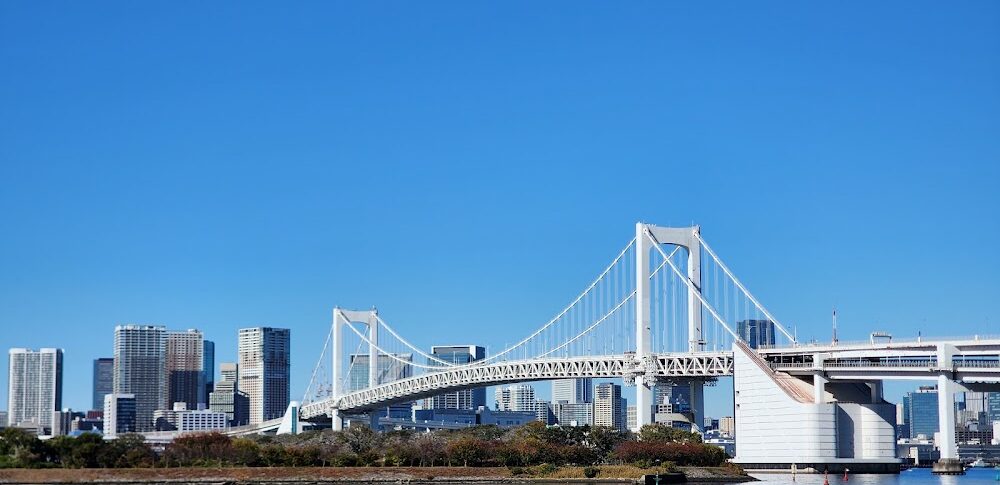
“Digimon Adventure,” which aired from March 1999 to March 2000, is an immortal masterpiece that remains in the hearts of many fans. The adventure of Taichi and the other chosen children actually unfolded in real locations throughout Tokyo. This article comprehensively introduces holy site pilgrimage spots for the Digimon Adventure series, from the original through tri. to the latest works.
What is Digimon Adventure Holy Site Pilgrimage?
Digimon Adventure holy site pilgrimage is a special experience of visiting real locations that appeared in the anime and experiencing the world of the work. The setting of this work is primarily the Odaiba area and surrounding waterfront sub-center in Tokyo, but important filming locations are scattered throughout various parts of the city, including Hikari ga Oka, Shinjuku, and Shibuya.
The Appeal of Holy Site Pilgrimage
Digimon Adventure holy site pilgrimage has unique charms not found in other works. The ability to compare Tokyo’s landscape from 1999 with its current appearance, and to trace the path that Taichi and the others walked with your own feet, will be an moving experience for fans. More than 20 years after the broadcast, many locations such as Fuji Television headquarters and Hikari ga Oka Park still retain their original appearance. However, some locations have changed due to redevelopment, allowing you to feel the passage of time.
Odaiba Area: Main Holy Site Pilgrimage Spots
Odaiba is the center of Digimon Adventure holy site pilgrimage. As the city where Taichi and the others live in the real world, it served as the setting for numerous memorable scenes.
Fuji Television Headquarters Building and Surroundings
The Fuji Television headquarters building is indispensable when discussing Digimon Adventure. In episode 37 of the original anime, “WarGreymon vs VenomVandemon,” the spherical observation deck “Hachitama” played an important role in the battle with VenomVandemon. The scene where WarGreymon throws the spherical section at VenomVandemon is a memorable scene that remains in many fans’ memories. Today, the Fuji Television headquarters building stands unchanged from its original form, and from the observation room you can view the entire Odaiba landscape.
Access Information:
- Address: 2-4-8 Daiba, Minato Ward, Tokyo
- Nearest Station: 3-minute walk from “Daiba Station” on the Yurikamome Line, 5-minute walk from “Tokyo Teleport Station” on the Rinkai Line
- Viewing: First floor atrium is freely accessible; observation deck is paid (check official website for operating status)
Odaiba Seaside Park
Odaiba Seaside Park is an important location where Taichi and Agumon reunite in Digimon Adventure tri. Chapter 1. Numerous memorable scenes were filmed here, including Taichi rushing in pursuit of Kuwagamon. From the sandy beach, you can see a replica of the Statue of Liberty and Rainbow Bridge, allowing photos from the same angle as the anime. Especially at dusk, the landscape is beautiful, making this a spot where you can enjoy both pilgrimage and sightseeing.
Access Information:
- Address: Daiba 1-chome, Minato Ward, Tokyo
- Nearest Station: 3-minute walk from “Odaiba Seaside Park Station” or “Daiba Station” on the Yurikamome Line
- Admission: Free, open 24 hours
Odaiba Seaside Park Station Area
In Digimon Adventure tri., this appears as a place where Taichi rushed in pursuit of Kuwagamon. From the station plaza decks, you can overlook Odaiba’s streets, making it ideal for taking photos that recreate scenes from the work.
Nozomi Bridge to Harumi Bridge: Taichi’s School Route
The area from Nozomi Bridge to Harumi Bridge appears as Taichi’s school route in Digimon Adventure tri. when he becomes a high school student. Morning school commute scenes depict Taichi gracefully crossing the bridge by bicycle. From Harumi Bridge, Tokyo Bay spreads out before you, allowing you to experience both an urban atmosphere and a sense of openness. Actually walking there allows you to re-experience Taichi’s daily life—a precious spot.
Access Information:
- Nearest Station: “Ariake Station” or “Ariake Tennis no Mori Station” on the Yurikamome Line
- Pilgrimage by foot or bicycle is recommended
Near Ariake Coliseum: Takeru and Hikari’s After-School Scene
In Digimon Adventure tri., Takeru and Hikari appear walking near Ariake Coliseum on their way home from school. The area harmonizes lush greenery from Ariake Tennis no Mori Park with modern architecture. Their calm conversation scenes are striking and have become a meaningful place for fans.
Access Information:
- Address: 2-2-22 Ariake, Koto Ward, Tokyo (Ariake Coliseum)
- Nearest Station: 8-minute walk from “Ariake Tennis no Mori Station” on the Yurikamome Line
Harumi Bridge to Ariake-Kita Bridge: Taichi Pursuing Kuwagamon
This is the setting for the scene in tri. Chapter 1 where Taichi desperately pursues the suddenly appearing Kuwagamon. The path from Harumi Bridge to Ariake-Kita Bridge was the site of a tense chase. Following the same route actually allows you to feel Taichi’s urgency and determination. The views from the bridge are also wonderful and popular as photography spots.
Tokyo Big Sight (Tokyo International Exhibition Hall)
In Digimon Adventure tri., the distinctive inverted triangle building of Tokyo Big Sight appears as background. As a landmark of the Odaiba area, it frequently appears in long shots.
Access Information:
- Address: 3-11-1 Ariake, Koto Ward, Tokyo
- Nearest Station: Directly connected to “International Exhibition Hall Main Gate Station” on the Yurikamome Line; 7-minute walk from “International Exhibition Hall Station” on the Rinkai Line
Taichi’s Apartment (High-Rise Apartment Complexes as Models)
The high-rise apartments where Taichi and the others live are modeled after actual apartment complexes in Odaiba. Particularly in tri., many scenes appear with views of Odaiba from apartment balconies and interiors. Out of consideration for privacy, specific apartment names are withheld, but simply viewing the exterior of Odaiba’s high-rise apartment complexes allows you to feel the work’s world.
Under Akemi Bridge: Everyone’s Discussion
In Digimon Adventure tri., this is the setting where all the chosen children gather for an important discussion. The scene of them conversing seriously in this hidden place under the bridge was striking.
Access Information:
- Location: Within the Odaiba area
- Nearest Station: Walking distance from various Yurikamome stations
Hikari ga Oka Area: The Chosen Children’s Origins
Hikari ga Oka is an important area that appears in the theatrical version “Digimon Adventure: Our War Game!” and flashback scenes as a place where Taichi and the others spent their early childhood.
Hikari ga Oka Park
Hikari ga Oka Park appears in the opening scene of the 1999 theatrical version “Our War Game!” Depicted as the area around an apartment where young Taichi and Hikari lived, it holds special meaning for fans. Throughout the vast park, there are scattered landscapes similar to those appearing in the anime, allowing you to enjoy holy site pilgrimage while leisurely strolling. In spring, cherry blossoms bloom beautifully; in autumn, fall colors are stunning, with changing landscapes throughout the seasons.
Access Information:
- Address: 4-1-1 Hikari ga Oka, Nerima Ward, Tokyo
- Nearest Station: 8-minute walk from “Hikari ga Oka Station” on the Toei Oedo Line
- Admission: Free, always open
Hikari ga Oka Station Area and Overpass
Around Hikari ga Oka Station, there are overpasses and apartment complexes that appeared in the anime. In particular, the Hikari ga Oka Station overpass is believed to be modeled after scenes where Taichi and Hikari walked, and is a spot visited by many pilgrims. Compared to 1999, redevelopment has progressed, but the basic street structure remains, allowing you to feel the area’s original character.
Access Information:
- Address: Around 2-11 Hikari ga Oka, Nerima Ward, Tokyo
- Nearest Station: Immediately next to “Hikari ga Oka Station” on the Toei Oedo Line
Hikari ga Oka Apartment Complex Groups
The apartment complex groups that served as models for the apartments where Taichi and the others lived in the theatrical version. In the actual anime, backgrounds were drawn with reference to these complexes. Many apartment complexes still remain today, allowing you to experience a nostalgic atmosphere. When photographing, be fully considerate of residents’ privacy and follow proper manners when pilgrimage.
Shinjuku Area: Gateway to the Digital World
Shinjuku appears in episode 29 of the original Digimon Adventure as the location where Taichi and the others returned from the Digital World to the real world.
Shinjuku Central Park
Shinjuku Central Park is an important location that appears immediately after the chosen children return from the Digital World. In episode 29, a scene is depicted where Taichi and the others realize they’ve returned to the real world and consider their future actions. As an urban oasis, a lush green environment spreads out despite being in a business district. The park landscape with high-rise buildings in the background is exactly as depicted in the anime.
Access Information:
- Address: 2-11 Nishi-Shinjuku, Shinjuku Ward, Tokyo
- Nearest Station: 10-minute walk from “Shinjuku Station” west exit on the JR Line; 1-minute walk from “Tochomae Station” on the Toei Oedo Line
- Admission: Free, always open
Shinjuku Station Surroundings
In Digimon Adventure, the areas around Shinjuku Station and its bustling district also appear as backgrounds. In scenes where Taichi and the others struggle in the real world, Shinjuku’s crowds and high-rise buildings are effectively depicted.
Shibuya Area: Searching for the Eighth Chosen Child
Shibuya is the location where Taichi and the others visit in episodes 32-33 of the original Digimon Adventure to search for the eighth chosen child.
Shibuya Station Scramble Crossing
The world-famous Shibuya Scramble Crossing appears impressively in the anime. In scenes where Taichi and the others rush around the city searching for their eighth companion, Shibuya’s crowds are effectively depicted. Countless people still pass through this location today, and while the street’s appearance has changed significantly since the original anime broadcast, the Scramble Crossing’s energy remains intact.
Access Information:
- Nearest Station: Directly at “Shibuya Station” on the JR Line, Tokyo Metro, Tokyu Line, and Keio Inokashira Line
Shibuya 109 Surroundings
The 109 building, a Shibuya landmark, also appears as background. As a building symbolizing Shibuya’s streets, it was used effectively in the anime.
Tokyo Tower: Important Spot in the Vandemon Arc
Tokyo Tower played an important role in the Vandemon arc of the original Digimon Adventure. In episode 37, Tokyo Tower appears as the mist created by Vandemon isolates Odaiba, with the situation depicted from the tower.
Tokyo Tower Observation Deck
The observation deck overlooks Tokyo’s entire cityscape, allowing you to actually see the Odaiba area landscape depicted in the anime. On clear days, you can also spot the Fuji Television headquarters building.
Access Information:
- Address: 4-2-8 Shibakoen, Minato Ward, Tokyo
- Nearest Station: 5-minute walk from “Akabashi Station” on the Toei Oedo Line; 7-minute walk from “Kamiyacho Station” on the Tokyo Metro Hibiya Line
- Operating Hours: 9:00 AM – 10:30 PM (last entry 10:00 PM)
- Fee: Main Deck (150m) Adults 1,200 yen, Top Deck (250m) additional charge
Other Tokyo Locations
Shimbashi Station and Water Bus Terminal
In the original Digimon Adventure, Jou and Takeru appear struggling to somehow enter Odaiba, which has been isolated by Vandemon’s mist. The scenes around Shimbashi Station and the water bus terminal vividly depicted the two’s desperate efforts.
Access Information:
- Shimbashi Station: “Shimbashi Station” on the JR Line, Tokyo Metro, Toei Subway, and Yurikamome Line
- Water Bus Terminal: Hinode Pier (1-minute walk from “Hinode Station” on the Yurikamome Line)
Shinagawa Station Area
In Digimon Adventure 02, areas around Shinagawa Station also appear. Depicted as a transportation hub in scenes involving the Shinkansen.
Efficient Ways to Tour Holy Sites
Since Digimon Adventure holy sites are scattered throughout Tokyo, it’s important to plan your route by area for efficient touring.
Recommended Pilgrimage Routes
Day 1: Odaiba Concentration Course
- Morning: Start from “Daiba Station” on the Yurikamome Line
- Fuji Television Headquarters Building → Odaiba Seaside Park → Nozomi Bridge/Harumi Bridge Area
- Afternoon: Around Ariake Coliseum → Tokyo Big Sight → Under Akemi Bridge
- Duration: Approximately 5-6 hours
Day 2: Hikari ga Oka/Shinjuku/Shibuya Course
- Morning: Hikari ga Oka Park → Hikari ga Oka Station Area
- Afternoon: Shinjuku Central Park → Shibuya Scramble Crossing
- Duration: Approximately 5-6 hours
Day 3: Other Spots Course
- Tokyo Tower → Shimbashi Station/Water Bus Terminal → Other desired spots
- Duration: Approximately 3-4 hours
Choosing Transportation Methods
The Odaiba area is convenient using the Yurikamome or Rinkai lines. Purchasing a day pass allows unlimited boarding and is economical. For Hikari ga Oka, the Toei Oedo Line is convenient; for Shinjuku and Shibuya, JR and various metro lines work well. Day passes for Tokyo Metro and Toei Subway are also available. Lots of walking will be involved, so wear comfortable shoes. Sneakers are recommended, especially for the extensive Odaiba area.
Recommended Seasons
Spring (March-May):
Hikari ga Oka Park’s cherry blossoms are beautiful, and the weather is mild—ideal for pilgrimage. Given that Digimon Adventure ended in March 2000, spring pilgrimage carries special significance.
Summer (June-August):
Odaiba’s ocean breeze is pleasant, and you can experience a summer atmosphere. However, strong sunlight requires heat stroke precautions.
Autumn (September-November):
The comfortable climate makes long walks enjoyable. Pilgrimage during November, when Digimon Adventure tri. Chapter 1 was released, is particularly meaningful.
Winter (December-February):
Odaiba’s illuminations are beautiful, allowing pilgrimage in a romantic atmosphere. However, the sea breeze is cold, making winter gear essential.
Holy Site Pilgrimage Etiquette and Precautions
Photography Manners
Most Digimon Adventure holy sites are places where ordinary people live or public facilities. When photographing, note the following:
- Don’t speak loudly in residential areas
- Don’t trespass on private land
- Be mindful not to obstruct pedestrian traffic
- Don’t cause trouble for other tourists or residents
- Always take garbage with you
Facility Usage Precautions
When visiting paid facilities like Fuji Television headquarters or Tokyo Tower, confirm operating hours and fees in advance. In particular, operating hours may have changed due to COVID-19 pandemic effects.
SNS Posting Considerations
When posting pilgrimage photos to SNS, avoid including personal information or details that could identify addresses. When posting photos of residential areas, it’s important to omit building names and specific location information.
Digimon Adventure 02 Holy Sites
Digimon Adventure 02 also features real Tokyo locations as its setting. Many spots overlap with the original series, but there are also locations unique to 02.
Odaiba Area (02 Version)
Odaiba continues as a major setting in 02. Daisuke’s generation also lives around Odaiba like Taichi’s generation, with locations such as areas around Fuji Television and Odaiba Seaside Park appearing.
Other Areas
In 02, more Tokyo locations appear than in the original. Schools and shopping streets and other everyday locations are depicted more, allowing for a more familiar pilgrimage atmosphere.
Digimon Adventure tri. Holy Sites
The tri. series (all 6 chapters) depicts the new adventure of high school-aged Taichi and the others. While centered on Odaiba, many new locations also appear.
Expanded Ariake/Toyosu Area
In tri., the Ariake and Toyosu areas adjacent to Odaiba are depicted in greater detail. Locations such as Nozomi Bridge and Harumi Bridge newly appear as Taichi’s school routes.
High School Model
The high school that Taichi and the others attend is believed to be modeled after real schools in the Odaiba area. While the specific school name hasn’t been officially revealed, it can be inferred from the building’s exterior and location.
Digimon Adventure: (2020 Version) Holy Sites
The new series “Digimon Adventure:” broadcast from 2020-2021 is a reboot of the original. While basic setting elements are maintained, modern-day Tokyo is reflected.
Modernized Tokyo Depiction
In the 2020 version, modern elements such as smartphones and SNS are incorporated, with Tokyo’s landscape depicted as it appeared in 2020. You can confirm Odaiba’s latest appearance after recent redevelopment.
Apps and Tools Helpful for Holy Site Pilgrimage
Map App Usage
Pre-registering desired spots in map apps like Google Maps or Yahoo! Maps is convenient. It’s recommended to download map data beforehand for offline use.
Dedicated Holy Site Pilgrimage Apps
Apps like “Butai Meguri” or “Holy Site Pilgrimage Map” have registered Digimon Adventure holy site information. You can reference photos and information posted by fellow fans.
SNS Information Gathering
Searching hashtags like #デジモン聖地巡礼 (Digimon Holy Site Pilgrimage) or #デジモンアドベンチャー聖地 (Digimon Adventure Holy Sites) on Twitter and Instagram reveals the latest pilgrimage information and photos.
Enjoying Holy Site Pilgrimage Combined with Tokyo Sightseeing
Combining Digimon Adventure holy site pilgrimage with Tokyo sightseeing makes for an even more fulfilling experience.
Odaiba Tourist Attractions
- Palette Town (closed 2022) redevelopment
- Diver City Tokyo Plaza (life-size Unicorn Gundam statue)
- TeamLab Borderless
- National Museum of Emerging Science and Innovation
Nearby Dining
Odaiba has numerous restaurants where you can enjoy meals between pilgrimage activities. Options range from seafood restaurants and cafes to fast food. In Hikari ga Oka, various restaurants are located within Hikari ga Oka IMA shopping center.
Preserving Memories of Digimon Adventure Holy Site Pilgrimage
Photography Tips
Taking photos from the same angle as anime scenes makes for more memorable records. It’s helpful to prepare anime screenshots beforehand and compare while photographing on location.
- Match time of day (morning/afternoon/evening, etc.)
- Consider weather conditions
- Utilize wide-angle lenses
- Use continuous shooting to express movement
Creating a Pilgrimage Notebook
Recording visited locations, dates, and impressions in a pilgrimage notebook becomes deeply meaningful when reviewed later. Pasting photos or adding stamps to create your own original notebook is special.
Conclusion: The Appeal of Digimon Adventure Holy Site Pilgrimage
Digimon Adventure holy site pilgrimage is not mere sightseeing but a special experience of giving form to love for the work. Visiting holy sites scattered throughout Tokyo allows you to re-experience Taichi and the chosen children’s adventure, deepening understanding and attachment to the work further.
More than 20 years since the original broadcast began in 1999, many fans continue visiting the holy sites. While feeling the passage of time through places that remain unchanged and those that have transformed, you can immerse yourself in the Digimon Adventure world. Why not follow in Taichi’s footsteps yourself, feeling Odaiba’s ocean breeze, viewing Hikari ga Oka’s apartment complexes, and walking through Shinjuku’s crowds? Surely, that excitement and emotion you felt as a child will return.
Through pilgrimage, you’ll discover new charm in Digimon Adventure and form connections with fellow fans who share your love. Please enjoy a wonderful pilgrimage journey, remembering to follow proper manners and show consideration for those around you.





聖地巡礼完全ガイド-800x450.jpg)
