![[Uma Musume Pretty Derby] Nakayama Racecourse·Paddock Chiba Prefecture](https://anime-place.site/cms/wp-content/uploads/2026/06/places-3301-【ウマ娘-プリティーダービー】中山競馬場・パドック.jpg)
Nakayama Racecourse, located in Funabashi City, Chiba Prefecture, is an important setting that appears numerous times in the anime and games of ‘Uma Musume Pretty Derby.’ The Paddock area in particular has become a popular pilgrimage spot, featuring impressive scenes where Uma Musume appear before races. This article provides thorough explanations of information useful for both Uma Musume fans and horse racing fans, from the paddock of Nakayama Racecourse to filming locations of anime scenes, access methods, and ways to enjoy actual horse racing.
About Nakayama Racecourse | Chiba Prefecture’s Sacred Site for Horse Racing
Nakayama Racecourse is a racecourse operated by the Japan Racing Association (JRA) located in Kosaku, Funabashi City, Chiba Prefecture. The current stands, completed in 1990, are seven stories above ground and boast an area of approximately 165,000 square meters. As a central facility of Japanese horse racing alongside Tokyo Racecourse and Kyoto Racecourse, it hosts many Grade races throughout the year.
History and Characteristics of Nakayama Racecourse
Nakayama Racecourse is a racecourse with over 100 years of history, having been established in 1907 (Meiji 40). After World War II, it came under the control of the Japan Racing Association in 1949 and continues to this day. The course is characterized by steep gradients that rank among the highest in all racecourses, with the uphill straight at the end particularly presenting a major trial for racehorses. This unique course shape has produced countless dramatic moments.
The facility hosts roughly three meetings per year (January-March, September, December), with Grade 1 races including the Arima Memorial, Sprinters Stakes, and Asahi Cup Futurity Stakes. Particularly, the Arima Memorial in December is affectionately known as the “Grand Prix” and draws attention as a major event to determine the strongest horse of the year.
Relationship with Uma Musume
In ‘Uma Musume Pretty Derby,’ Nakayama Racecourse is depicted as an extremely important setting. In anime Season 1, it appears in Special Week’s debut race and important race scenes, and in Season 3, there are many impressive scenes such as Kitasan Black running from Ibaraki.
Many races held at Nakayama Racecourse are also implemented in the game, known as high-difficulty races that reflect the racecourse’s steep gradient characteristics. Numerous long-distance races that demand high stamina are positioned as challenging competitions that test players’ breeding skills.
Paddock Basic Information and Highlights
The paddock is a crucial area where racehorses appear before races, allowing spectators to observe the horses’ physical condition. Nakayama Racecourse’s paddock is positioned close to the stands and is designed for easy access.
Paddock Structure and Layout
Nakayama Racecourse’s paddock features an oval circuit track with green grass area in the center. There is standing space for spectators around the circuit, and many fans gather before races. The paddock is also surrounded by covered viewing areas, allowing comfortable horse viewing even on bad weather days.
Multiple entrances to the paddock allow direct access from the stands via designated corridors. The anime depicts Uma Musume entering the paddock through these corridors, and many pilgrimage fans search for these locations.
Haikuseikou Statue and Its Significance
Near the Nakayama Racecourse paddock stands a statue of the legendary racehorse Haikuseikou. Haikuseikou was a racehorse active in the 1970s and caused a social phenomenon as a “national idol horse.” The statue was installed in 2000 and has become a popular spot visited by many fans.
For Uma Musume fans, this statue is also an important photo spot. While it doesn’t appear directly in the anime, it is worth visiting during pilgrimages as a place to feel horse racing history.
Winners Lady and Uma Musume Collaboration
Nakayama Racecourse features a unique “Winners Lady” concept in victory ceremonies and flower presentations. Since 2022, collaboration with ‘Uma Musume Pretty Derby’ has been implemented, with voice actresses appearing as Winners Ladies during December meetings.
From September 2023, a project began where cast members hold race number placards in the paddock during special and grade races, becoming a must-see event for Uma Musume fans. As of September 28, 2025, at the Sprinters Stakes, three cast members portraying Uma Musume modeled after racehorses with winning experience appear in the winners circle, with collaborative events regularly held.
Anime Appearance Scenes and Filming Location Guide
Various locations within Nakayama Racecourse appear in ‘Uma Musume Pretty Derby’ anime. Here, we provide detailed explanations of major appearance scenes and their filming locations.
Anime Season 1 Appearance Scenes
In anime Season 1, the scene where Special Week first sees other Uma Musume is depicted at the paddock. This scene was filmed from a specific angle of the paddock, and by using the actual paddock views as reference points, one can identify the model location.
In episode 11, there is a scene of the grown Special Week training in the paddock. Compared to the scene in episode 1, the change in expression creates an impressive portrayal of growth. This scene’s filming location is depicted from a specific position along the paddock’s circuit.
In the scene where Broye enters, the depiction shows her passing through a corridor and then descending stairs toward the paddock side. This corridor is actually the route connecting the stands to the paddock, allowing pilgrims to retrace the same path during visits.
Anime Season 3 Appearance Scenes
In anime Season 3, the scene of Kitasan Black running from Ibaraki and entering Nakayama Racecourse is particularly impressive. This scene is depicted following the route from Funabashi Hosseki Station through regular entrances to the main gate, filmed from around where the racecourse becomes visible.
The scene where Kitasan Black enters through the main gate and heads toward the goal while circling the stands is also an important moment in Season 3. Along the way, winning garlands are displayed, and those arriving before noon on days with grade races can see the actual items.
In the opening video, there is a scene of Satono Crown standing on the sidewalk on the central gate side. All exterior shots are filmed from the central gate sidewalk, allowing pilgrims to photograph the racecourse at the same angle as the anime.
Photography Tips and Precautions
When photographing at pilgrimage sites, several precautions apply. First, while photography is generally permitted within the racecourse, consideration must be given to avoid disturbing other visitors. Especially on race days when crowds are expected, arriving early is recommended to secure photography spots.
Photography in the paddock area is most atmospheric before races, but this time period also draws many spectators, so a spirit of mutual consideration is important. Tripod use may be restricted depending on location, so pre-visit confirmation is recommended.
Weather significantly affects how buildings appear, so selecting weather conditions similar to the anime scenes produces more atmospheric photos. Clear mornings particularly offer good lighting for beautiful photography.
Access Methods and Routes from Nearest Stations
Access to Nakayama Racecourse is primarily via train and bus. Here we provide detailed explanations of the most common access methods.
Access from Funabashi Hosseki Station
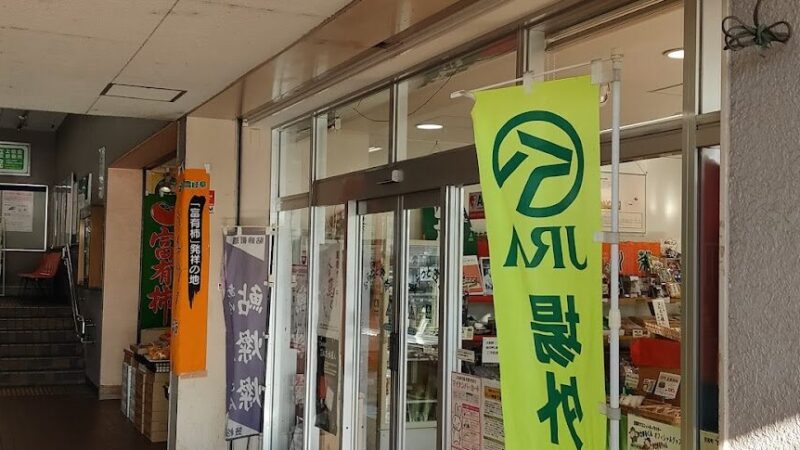
JR Musashino Line’s Funabashi Hosseki Station is the nearest station to Nakayama Racecourse. The distance from the station to the racecourse is approximately 15 minutes on foot, allowing visitors to retrace the route Kitasan Black took in anime Season 3.
Upon exiting the station from the north exit, signage is posted indicating directions to the racecourse. Following the road, the Nakayama Racecourse building eventually comes into view. This “area where the racecourse becomes visible” is the location where Kitasan Black entered in the anime.
Along the walk to the main gate, the central gate becomes visible on the left. The central gate sidewalk is known as a filming location used in anime opening videos and elsewhere, making it a must-visit spot during pilgrimages.
Access from Shimosa Nakayama Station
JR Sobu Line’s Shimosa Nakayama Station is another nearby station, approximately 20 minutes on foot from the racecourse, slightly farther than Funabashi Hosseki Station but offering a pleasant route through the shopping district.
From Shimosa Nakayama Station, exit the north exit and head toward National Route 14. Along the way, there are restaurants and convenience stores where visitors can eat and shop before heading to the racecourse.
Free Shuttle Bus Service
A free shuttle bus to Colton operates from in front of Cory Corner on the north side of Motoyawata Station on race days. This bus, which frequently runs on race days, is a convenient way to access the racecourse.
Bus schedules vary by race day, so checking the JRA official website beforehand is recommended. Especially on grade race days when congestion is expected, using earlier time slot buses is advisable.
Automobile Access and Parking
For automobile access, the racecourse is approximately 10 minutes from the Haragi Interchange of the Keiyo Expressway. The racecourse features a large parking lot capable of accommodating many vehicles on race days.
However, on major events like Grade 1 races, the parking lot may reach capacity, making public transportation use recommended. Parking fees vary by race day but typically cost around 1,000 yen.
Nakayama Racecourse Course Characteristics and In-Game Recreation
The course at Nakayama Racecourse is faithfully recreated in ‘Uma Musume Pretty Derby’ game, and understanding its characteristics is key to conquest strategy.
Actual Course Characteristics
Nakayama Racecourse’s course has a lap distance of 1,667 meters (grass course) with a straight length of 310 meters. The maximum characteristic is steep gradients ranking among the highest in all racecourses, with the uphill straight at the end featuring approximately 2.8 meters of elevation change.
These steep gradients create a difficult course requiring both stamina and sprint ability. In actual horse racing, horses that perform well at Tokyo Racecourse often struggle at Nakayama Racecourse, highlighting the importance of course suitability.
There are four corners, with particularly tight curves from the third to fourth corners, where positioning significantly affects race outcomes. The inside position is generally considered advantageous, but depending on track conditions and distance, outside positions may be favored.
In-Game Recreation Accuracy
In ‘Uma Musume Pretty Derby’ game, Nakayama Racecourse’s steep gradients are faithfully recreated, demanding high stamina stats. Particularly in long-distance races, stamina shortage often causes losing speed, making stat allocation crucial during breeding.
Races held at Nakayama Racecourse in-game include the Satsuki Award (Classic class April early half), Spring Stakes (Classic class March late half), and Yayoi Award (Classic class February late half). These races serve as important milestones in breeding scenarios, requiring appropriate skill acquisition and stat development for conquest.
Strategy Points
To conquer races at Nakayama Racecourse, ensuring sufficient stamina is the top priority. Recommended levels include C+ or higher for short distances and A or higher for long distances.
Next in importance is acquiring skills suited to uphill sections. Skills such as “Uphill ◯” and “Corner Recovery ◯” particularly shine at Nakayama Racecourse. Additionally, acceleration skills like “Straight Dash” are effective for climbing the final hill.
As for strategy, “catching” and “coming from behind” tactics are generally less favorable than “leading” and “advanced” tactics. This is because positioning ahead before stamina depletion on the final hill reduces the risk of losing speed.
Ways to Enjoy Actual Horse Racing Viewing
When Uma Musume fans visit Nakayama Racecourse, enjoying actual horse racing viewing deepens the overall experience. Here we introduce horse racing viewing tips enjoyable even for beginners.
Entrance and Betting Ticket Basics
Nakayama Racecourse’s general admission is only 200 yen, extremely reasonable. Admission tickets are purchased at the main gate or central gate. Upon entering, various facilities become available.
Betting tickets can be purchased from automated machines or marked card windows within the venue. For beginners, “win” betting (picking the winner) and “exacta” (picking 1st and 2nd in any order) are recommended. Minimum purchase is 100 yen, allowing casual enjoyment.
Horse Physical Condition Check at Paddock
It is highly recommended to view horses at the paddock before each race. As depicted in Uma Musume anime and games, the paddock is an important place to assess racehorse condition.
Checkpoints include the horse’s gait, coat shine, and competitiveness. Horses walking calmly and confidently are considered well-prepared, while horses appearing restless or aggressive may be overly excited.
At the paddock, the moment jockeys mount is also viewable, serving as a perfect photo opportunity with many fans ready with cameras.
Best Spots for Race Viewing
Best viewing spots for races at Nakayama Racecourse vary by objective. For immersive experience, the front row near the finish line is recommended. The impact of horses passing directly in front is the highlight of horse racing viewing.
For seeing the entire course, upper levels of the stands are recommended. Viewing the full course allows easy understanding of race developments and strategic viewing, similar to the bird’s eye perspective in Uma Musume anime.
Following the same route from paddock to winners circle as depicted in anime provides a way to experience the Uma Musume world. Victory ceremony’s winners lady appearance is particularly notable for Uma Musume fans.
Dining and Rest Spots
Nakayama Racecourse features various restaurants and concessions. Popular racecourse cuisine includes curry rice, ramen, and yakitori. Particularly on grade race days, special menus may be offered.
Enjoying lunch on outdoor benches is possible on clear days. However, securing seating on crowded days is difficult, so early action is recommended.
The venue features ample rest spaces between races where visitors can relax comfortably. Family-friendly areas in particular provide safe environments for family visits.
Grade Race and Event Information
Nakayama Racecourse hosts numerous grade races and events throughout the year. Notable races and events especially worth attention for Uma Musume fans are introduced here.
Major Grade 1 Races
The Sprinters Stakes (September) is a Grade 1 determining the short-distance champion. At the September 28, 2025 event, Uma Musume’s Winners Lady collaboration is planned, with three cast members announced to appear.
The Asahi Cup Futurity Stakes (December) is a Grade 1 determining the 2-year-old colt champion. As an important race indicating future classic racing, it draws considerable attention.
The Arima Memorial (December) is a year-end major event affectionately known as the “Grand Prix.” Fan voting selects participating horses, determining that year’s strongest horse. Important as an Uma Musume race and implemented in-game.
Uma Musume Collaboration Events
Nakayama Racecourse regularly hosts ‘Uma Musume Pretty Derby’ collaboration events. Starting 2022, the Winners Lady collaboration features voice actresses appearing during December meetings, enhancing victory ceremonies.
Since September 2023, cast members hold race number placards in paddocks for special and grade races, increasing photo opportunities for fans. This service has become welcome for enthusiasts.
Event information is regularly announced on JRA’s official site and Uma Musume’s official portal, recommending periodic checking.
Operating Schedule and Congestion
Nakayama Racecourse operates roughly three times yearly in January-March, September, and December. Each operating period spans approximately one month with races primarily on weekends.
Congestion levels vary greatly depending on race grade. Grade 1 race days are extremely crowded, with the Arima Memorial day being the year’s most crowded day. Conversely, weekdays and weekends without grade races are relatively quiet.
For pilgrimage without crowds, weekdays or non-grade weekends are recommended. However, Uma Musume collaborations typically coincide with grade race days, requiring crowd acceptance for event participation.
Surrounding Tourist Spots and Enjoyment Plans
Numerous tourist spots and leisure facilities dot Nakayama Racecourse’s surroundings. Spots enjoyable alongside pilgrimages are introduced here.
Tourist Spots Around Funabashi
Funabashi features large commercial facilities including Lalaport TOKYO-BAY and IKEA Tokyo-Bay. While somewhat distant from the racecourse, they are accessible by bus or taxi, offering shopping and dining opportunities for full-day enjoyment.
Funabashi Andersen Park is a comprehensive park with vast grounds popular with families. Enjoying nature while refreshing makes it recommended as a pre- or post-racecourse stop.
Thermal Facilities for Relaxation
After visiting the racecourse or pilgrimage sites, relaxing at thermal facilities is recommended. The Funabashi area features supersentos like “Yu-Raku no Sato,” offering spacious facilities for leisurely fatigue relief.
These facilities are accessible by bus or taxi from the racecourse, ideal for day-ending relaxation. On-site dining options provide dinner opportunities.
Multi-Racecourse Tour Plans
For comprehensive Uma Musume pilgrimage, multi-racecourse tours including Tokyo Racecourse and Kyoto Racecourse are recommended. Tokyo Racecourse is located in Fuchu City, approximately 90 minutes from Nakayama Racecourse by train. Worth visiting as Japan’s largest racecourse and major Uma Musume scene setting.
Kyoto Racecourse, in the Kansai region, allows combination with Kyoto tourism in multi-day trips. Combining enjoyment provides fulfilling travel.
Visit Precautions and Etiquette
Observing several precautions and etiquette is important when visiting Nakayama Racecourse.
Racecourse Rules and Etiquette
Racecourses are public facilities used by many people. Avoiding loud conversation and running preserves other visitors’ comfort. Especially during races, quiet viewing constitutes proper etiquette.
While basically permitted, photography requires consideration so other visitors don’t appear. Tripod use may face restrictions during congestion, so follow staff instructions.
Disposing of trash in designated areas maintains facility cleanliness, important etiquette. While food and beverage bringing is permitted, avoiding excessive alcohol and maintaining dignified conduct are essential.
Weather and Clothing Judgment
Nakayama Racecourse as an outdoor facility sees comfort greatly affected by weather. Clear skies bring strong sunlight requiring hats and sunscreen. Conversely, rain necessitates umbrellas or raincoats.
Selecting comfortable walking shoes is crucial. The expansive facility requires moving between paddock, stands, and betting areas, making high heels inadvisable.
Seasonal temperature variations suggest layered clothing, particularly spring and fall. Winter meetings require proper cold-weather preparation.
Packing Checklist
Here is a checklist of items to bring to Nakayama Racecourse:
- Admission (200 yen) and betting cash
- Camera or smartphone (charger recommended)
- Racing newspapers or horse racing prediction apps
- Beverages (purchasable on-site)
- Hat and sunscreen (sunny days)
- Umbrella or raincoat (rainy days)
- Binoculars (race viewing)
- Notebook and pen (prediction notes)
- Uma Musume goods (collaboration events)
Preparing these items enables comfortable time at the racecourse.
Conclusion | Nakayama Racecourse Enjoyable for Both Uma Musume and Racing Fans
Nakayama Racecourse serves as both an important ‘Uma Musume Pretty Derby’ setting and a horse racing sacred site, possessing numerous attractions. Varied enjoyments range from paddock-centered pilgrimage to actual race viewing to surrounding tourism.
Visiting locations depicted in anime deepens work understanding, enriching the Uma Musume world experience. Actually viewing horse racing provides experience of real impact underlying in-game races.
Convenient proximity to Funabashi Hosseki Station is another appealing aspect. Its Chiba location enables easy access from Tokyo, perfect for day trips.
Regular Uma Musume collaboration events provide special fan experiences. Visiting on grade race days allows simultaneous enjoyment of racing excitement and Uma Musume world.
Why not experience the paddock where Uma Musume appear at Nakayama Racecourse yourself? The emotions gained through actual visits surpass screen experiences. Visit Nakayama Racecourse at the next event to experience the Uma Musume world.


-800x450.jpg)