
What is “Edo-mae Elf”? The Charm of Sacred Site Pilgrimage
“Edo-mae Elf” is a manga work by Akihiko Higuchi that was adapted into an anime in 2023. It depicts the daily life of Elda, an elf enshrined in a shrine in Tokyo’s downtown for over 400 years since the Edo period, and Koito Koganei, her shrine maiden, in a heartwarming comedy.
A major charm of the work is its careful depiction of real locations within Tokyo. In particular, many scenes take place in downtown areas centered around Chuo and Koto wards, making them easily accessible sacred pilgrimage spots for fans.
How to Enjoy Sacred Site Pilgrimage
You can enjoy “Edo-mae Elf” sacred site pilgrimage in the following ways:
- Photography at the same angles as the anime: You can recreate scenes from the work
- Enjoying downtown gourmet food: Eating and walking through restaurants and shopping streets featured in the work
- Historical exploration: Discovering the streetscape that reflects history since the Edo period
- Seasonal festivals and events: Participating in regional traditional events
List of Major Sacred Sites
Takaaji Shrine Model | Shrines in the Tsukishima and Tsukuda Area
“Takaaji Shrine,” the central setting of the work, is based on multiple existing shrines. In particular, shrines in the Tsukishima and Tsukuda area are said to be models, and there are many shrines with history dating back to the Edo period.
Sumiyoshi Shrine (Tsukuda)
- Location: 1-1-14 Tsukuda, Chuo Ward, Tokyo
- Access: 5 minutes on foot from “Tsukishima Station” on the Tokyo Metro Yurakucho Line and Toei Oedo Line
- Features: A historic shrine founded in 1646, also known as the birthplace of tsukudani (preserved food)
- Highlights: Main hall, octagonal portable shrine, ceramic lion-dogs
Sumiyoshi Shrine was founded by fishermen who migrated from Settsu Province (present-day Osaka) in the early Edo period. In the shrine grounds, there is a sacred tree over 600 years old, allowing visitors to strongly feel the atmosphere of the shrine that appears in the work.
Teppozuginari Shrine
- Location: 1-6-7 Minato, Chuo Ward, Tokyo
- Access: 5 minutes on foot from “Hatchobori Station” on the Tokyo Metro Hibiya Line
- Features: An ancient shrine said to have been founded in 841
- Highlights: Mt. Fuji mound, subsidiary shrines
Tsukishima Monjayaki Street
Monjayaki appears in scenes where Elda enjoys modern food culture in the work. The sacred site for this is Tsukishima Monjayaki Street.
- Location: Around 3-chome Tsukishima, Chuo Ward, Tokyo
- Access: 1 minute on foot from “Tsukishima Station” on the Tokyo Metro Yurakucho Line and Toei Oedo Line
- Number of stores: Over 70 monjayaki restaurants line the street
Pilgrimage Points
- The atmosphere of Nishi-Nakatsudon shopping street appears in the work
- Many Showa-retro signs and storefronts
- Particularly lively from evening onwards, allowing you to experience the work’s atmosphere
–
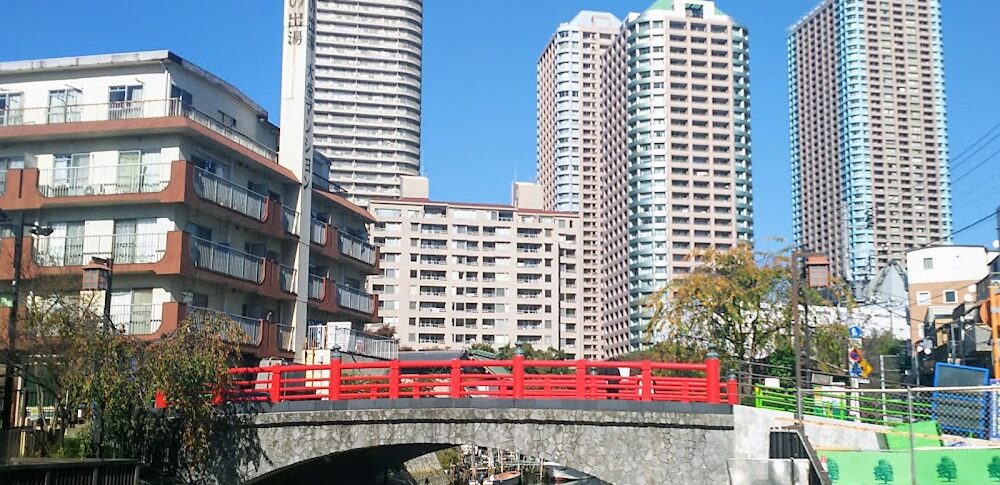
Around Tsukuda Bridge and Chuo Bridge
The bridges spanning the Sumida River also appear frequently in the work. In particular, the views from Tsukuda Bridge and Chuo Bridge are depicted multiple times in the work.
Tsukuda Bridge
- Completed: 1964
- Features: Connects Tsukuda Island and Shinkawa
- Photography point: Views of the Sumida River and Tokyo Skytree from the bridge
Chuo Bridge
- Completed: 1993
- Features: Elegant design modeled after French bridges
- Photography point: The nighttime view is particularly beautiful, with the illuminated bridge
Around Tsukiji Outer Market
The Tsukiji area where Elda enjoys eating and walking around appears in the work. Many restaurants and specialty shops continue to operate today.
- Location: Around 4-chome Tsukiji, Chuo Ward, Tokyo
- Access: 1 minute on foot from “Tsukiji Station” on the Tokyo Metro Hibiya Line, 1 minute on foot from “Tsukiji Market Station” on the Toei Oedo Line
- Operating hours: Varies by shop, generally early morning to early afternoon
Recommended Gourmet
- Seafood rice bowls
- Tamagoyaki (rolled omelet)
- Tuna skewers
- Fruit sandwiches
Hamarikyu Gardens
An Edo-period daimyo garden where walking scenes appear in the work.
- Location: 1-1 Hamarikyu Garden, Chuo Ward, Tokyo
- Access: 7 minutes on foot from “Tsukiji Market Station” or “Shiodome Station” on the Toei Oedo Line, 7 minutes on foot from “Shiodome Station” on the Yurikamome Line
- Opening hours: 9:00 AM to 5:00 PM (last entry 4:30 PM)
- Admission: General 300 yen, 65 and over 150 yen
Highlights
- Shiioiri Pond: A pond fed by seawater from Tokyo Bay
- Otazutai Bridge: A scenic bridge spanning the pond
- Three-Hundred-Year-Old Pine: A black pine over 300 years old
- Seasonal flowers: Plum blossoms, cherry blossoms, rapeseed flowers, cosmos, and more
Sacred Site Pilgrimage Model Courses by Area
Half-Day Course: Tsukishima and Tsukuda Area Concentrated
Duration: Approximately 4 hours
- Start at Tsukishima Station (10:00)
- Visit Sumiyoshi Shrine (10:10-10:40)
- Shrine grounds tour, receive ema (wooden plaques)
- Explore Tsukuda Island (10:40-11:20)
- Visit tsukudani shops, explore back alleys
- Photo session at Tsukuda Bridge (11:20-11:40)
- Lunch at Tsukishima Monjayaki Street (12:00-13:30)
- Explore Nishi-Nakatsudon Shopping Street (13:30-14:00)
Full-Day Course: Enjoy Chuo Ward Downtown
Duration: Approximately 8 hours
- Start at Tsukiji Station (9:00)
- Breakfast and exploration at Tsukiji Outer Market (9:00-10:30)
- Visit Teppozuginari Shrine (10:50-11:20)
- Travel to Tsukuda Island via Chuo Bridge (11:30-12:00)
- Visit Sumiyoshi Shrine (12:00-12:30)
- Lunch at Tsukuda (12:30-13:30)
- Explore Tsukishima Monjayaki Street (14:00-15:00)
- Hamarikyu Gardens (15:30-17:00)
Weekend 2-Day Course: Thorough Sacred Site Pilgrimage
Day 1: Downtown Area
- Morning: Tsukiji Outer Market, Teppozuginari Shrine
- Afternoon: Tsukuda Island, Sumiyoshi Shrine, Tsukishima Monjayaki Street
- Evening: Walk along the Sumida River, evening scenery photography
Day 2: Expanded Surrounding Area
- Morning: Hamarikyu Gardens
- Afternoon: Ginza and Nihonbashi areas (commercial facilities featured in the work, etc.)
- Evening: Move toward Tokyo Skytree direction for distant photography
Precautions and Etiquette for Sacred Site Pilgrimage
Etiquette for Shrine Visits
- How to pass through the torii gate: Bow before entering the grounds
- Walking along the shrine path: Walk on the sides as the center is the path of the gods
- Ritual washing etiquette: Wash in order: left hand → right hand → mouth → left hand → ladle handle
- Worship procedure: The basic form is two bows, two claps, one bow
- Photography: Photography inside the main hall is often prohibited. Check in advance
Etiquette at Shopping Streets and Restaurants
- Consideration during crowded times: Remember that these are spaces of daily life for local residents
- Photography permission: Always obtain permission before photographing shops
- Loud conversations: Be mindful of noise as there are residential areas nearby
- Trash disposal: Always take it with you or dispose of it in designated areas
Precautions in Residential Areas
The Tsukuda Island area is currently home to many residents:
- Avoid visiting early morning or late at night
- Do not enter private property without permission
- Prioritize consideration for residents
- Avoid long photography sessions in alleyways
Recommended Visiting Seasons
Spring (March to May)
Recommended Points
- Cherry blossoms and rapeseed flowers at Hamarikyu Gardens
- Cherry blossom trees along the Sumida River
- Spring Festival at Sumiyoshi Shrine (April)
Clothing: Warm during the day but cool in early morning and evening, so bring something to wear over
Summer (June to August)
Recommended Points
- Sumiyoshi Shrine Festival (Early August): The main festival held once every three years is a must-see
- Sumida River Fireworks Festival (Late July)
- Summer tradition: Monjayaki with beer
Precautions: Extremely hot—heat stroke prevention is essential; bring an umbrella, hat, and stay hydrated
Autumn (September to November)
Recommended Points
- Cosmos at Hamarikyu Gardens
- Pleasant weather perfect for walking
- Restaurants with fall flavor menus
Clothing: Large temperature differences between day and night, so wear adjustable clothing
Winter (December to February)
Recommended Points
- Clear air ideal for photography
- Beautiful illumination of Chuo Bridge
- Warm monjayaki tastes exceptional
Precautions: Strong wind along the Sumida River makes it extremely cold on windy days
Access and Transportation Information
Access from Major Stations
From Tokyo Station
- About 10 minutes on the Tokyo Metro Yurakucho Line, get off at “Tsukishima Station”
- Taxi for about 15 minutes (approximately 1,500 yen)
From Shinjuku Station
- About 25 minutes on the Toei Oedo Line, get off at “Tsukishima Station”
From Haneda Airport
- About 40 minutes via Tokyo Monorail and subway
- Limousine bus to Ginza area, then walk or subway
–
Transportation Within the Area
On Foot
- The Tsukishima and Tsukuda area is almost entirely walkable
- About 5 minutes on foot from Tsukishima Station to Sumiyoshi Shrine
- About 15 minutes on foot from Sumiyoshi Shrine to Tsukiji
Bike Rental
- “Chiyocle,” Chuo Ward Community Cycle is convenient
- Available from 165 yen for 30 minutes
- Multiple ports (parking areas) with drop-off available
Bus
- Toei Buses such as “East 15” and “East 16” are available
- Limited frequency, so check the schedule in advance
Convenient Accommodations for Sacred Site Pilgrimage
Around Tsukishima and Tsukuda Area
Business Hotels
- Average: 6,000 to 10,000 yen per night
- Recommended: Hotels within walking distance of Tsukishima Station
Capsule Hotels
- Average: 3,000 to 5,000 yen per night
- Multiple locations in the Ginza and Tsukiji area
Ginza and Tsukiji Area
Recommended for those who want to enjoy Tsukiji early:
- Wide selection from luxury to budget hotels
- Good access to sacred sites
Merchandise and Souvenir Information
Official Merchandise
- Available at specialty stores such as Animate
- Also sold through online shops
- Check for limited-time collaboration merchandise
Local Souvenirs
Tsukudani
- Traditional preserved food originating from Tsukuda Island
- Many long-established shops operating
- Recommended: Clams, kelp, whitebait, and more
Tsukishima Monjayaki Set
- Monjayaki kit for making at home
- Available at some shops
Tsukiji Gourmet
- Seafood processed goods
- Tamagoyaki (available for takeout at some shops)
- Dried foodstuffs
SNS-Friendly Photography Spots
Top 5 Best Photo Spots
- Tsukuda Bridge with Tokyo Skytree
- Best time: Dusk
- Angle: Looking east from the center of the bridge
- Sumiyoshi Shrine Grounds
- Best time: Soft morning light
- Angle: Main hall facade, sacred tree
- Tsukishima Nishi-Nakatsudon Shopping Street
- Best time: Evening when lights come on
- Angle: Composition taking advantage of the street’s depth
- Chuo Bridge
- Best time: Nighttime (illuminated)
- Angle: Composition highlighting the bridge’s arch
- Hamarikyu Gardens
- Best time: When seasonal flowers are blooming
- Angle: Contrast between Shiioiri Pond and high-rise buildings
Photography Techniques
- Comparison shots with the work: Display anime scenes on your smartphone while finding the same angle
- Time selection: Choosing the same time of day as scenes in the work creates better atmosphere
- Wide-angle lens use: Capture the entire area even in narrow alleys
- Vertical composition: Consider this composition type for SNS posting
Preliminary Knowledge for Deeper Enjoyment of the Work
Historical Background of Edo-mae Elf
The work depicts over 400 years of history from the Edo period to the present day. By overlapping it with Tokyo’s actual history, you can gain deeper understanding of the work.
Edo Period (1603-1868)
- Formation of Tsukuda Island: Around 1644
- Founding of Sumiyoshi Shrine: 1646
- Development as a fishing town
Meiji to Showa
- Waves of modernization
- Great Kanto Earthquake (1923) and recovery
- Tokyo Air Raids (1945) damage and reconstruction
Heisei to Reiwa
- Redevelopment with high-rise apartment complexes
- Coexistence of tradition and modernity
Understanding Downtown Culture
Understanding the downtown culture featured in the work allows deeper appreciation of Elda and Koito’s relationship and interactions with residents:
- Town associations and neighborhood associations: Centers of community
- Festivals: Important events deepening regional bonds
- Shopping streets: Human warmth not found in large stores
- Tenement culture: Close relationships with neighbors
Nearby Tourist Attractions
Nearby spots to visit along with your sacred site pilgrimage:
Tokyo Skytree
- Location: Oshiage, Sumida Ward, Tokyo
- Access: About 15 minutes by train from Tsukishima
- Frequently appears as a distant view in the work
Ginza
- Within walking distance from Tsukishima (about 20 minutes)
- Luxury brand shopping district
- Historic department stores and restaurants
Nihonbashi
- Center of commerce since the Edo period
- Many historic buildings
- Tours of long-established shops
Ryogoku and Edo-Tokyo Museum
- Learn about Edo period history
- Ideal for understanding the work’s historical background
- About 20 minutes by train from Tsukishima
Summary: Key Points for Successful Edo-mae Elf Sacred Site Pilgrimage
Here are the key points for maximizing your enjoyment of the Edo-mae Elf sacred site pilgrimage:
Pre-Trip Preparation
- Watch the work: Rewatch all anime episodes and check featured scenes
- Screenshots: Save scenes of sacred sites on your smartphone
- Map app: Mark pilgrimage locations on Google Maps
- Check operating hours: Confirm business hours and closed days for shrines and shops
- Weather forecast: Essential since there’s much outdoor activity
Mindset on the Day
- Allow extra time: Activities may take longer than expected
- Comfortable shoes: Essential as you’ll be walking considerable distances
- Follow etiquette: Prioritize consideration for local residents
- Flexible plans: Be prepared to change plans due to crowds or weather
Packing Checklist
- Smartphone (for camera, map, and work reference)
- Mobile battery
- Beverages
- Towel and handkerchief
- Sunscreen and hat (summer)
- Something to wear (winter and air conditioning)
- Eco bag (for souvenirs)
- Small change (for ema and offerings)
SNS Sharing
When sharing your sacred site pilgrimage memories on SNS:
- Hashtags: #江戸前エルフ #聖地巡礼 #月島 #佃島
- Location: Specify spot names accurately
- Consideration: Avoid photographing residents
- Passion: Mention which scene’s location this is for better engagement
The Edo-mae Elf sacred site pilgrimage is not merely visiting anime settings but a valuable opportunity to experience Tokyo’s downtown culture and history. Experience the charm of the streets that have been passed down over 400 years through the eyes of Elda and Koito.
Enjoy a pleasant sacred site pilgrimage while never forgetting your gratitude and respect for residents and adhering to proper etiquette. Surely your love for the work will deepen even more, and this special place will become somewhere you want to visit again and again.



聖地巡礼完全ガイド-800x450.jpg)