“Kimi no Na wa” and Hida Takayama/Hida Furukawa
The Position of the Hida Area in the Film
“Kimi no Na wa” is set in the fictional town of Itomori, which was modeled after the Hida Furukawa area of Hida City, Gifu Prefecture. Director Makoto Shinkai and the production staff actually visited the Hida region and conducted detailed research and location scouting. In the middle of the film, when the protagonist Taki Tachibana, who lives in Tokyo, pursues Mitsuha Miyamizu’s whereabouts and visits the area, the Hida Furukawa Station and the surrounding townscapes are depicted impressively.
Hida Furukawa is a historic area with old townscapes remaining from the Edo period, and the white-walled earthen warehouse district and the landscape along the Seto River harmonize beautifully with the world of the film. After the film’s release, this area has become a major pilgrimage site, attracting many tourists not only from within Japan but also from Asian countries including China.
The Difference Between Hida Takayama and Hida Furukawa
When planning a pilgrimage to the holy sites, it is easy to confuse “Hida Takayama” and “Hida Furukawa.” Hida Takayama refers to the central part of Takayama City, the area around Takayama Station on the JR Takayama Main Line. On the other hand, Hida Furukawa is located in Furukawa-cho, Hida City, positioned about 15 minutes north of Takayama Station by train.
While the main holy sites of “Kimi no Na wa” are concentrated in the Hida Furukawa area, there is also a shrine in Takayama City that served as the model for the Miyamizu Shrine, so visiting both areas allows for a more fulfilling pilgrimage experience. Takayama City has developed as a tourist destination with abundant accommodations and restaurants, making it suitable as a base.
Main Holy Sites in the Hida Furukawa Area
Hida Furukawa Station
Scenes from the Film
Hida Furukawa Station appears as the station where Taki arrives after traveling from Tokyo to search for Mitsuha. The station’s exterior, ticket gates, and platform views are faithfully depicted in the film, making it the first destination for many fans on their pilgrimage.
Particularly impressive is the scene of the overpass on the west side of the station. The scene where Taki looks down on the platform is used as an important shot in the film, and the view from this overpass has become an essential photography spot for pilgrims. Climbing the overpass stairs and viewing the platform landscape from the windows evokes the scenes from the film.
Access and Photography Spots
- Address: Kanomorimachi, Furukawa-cho, Hida City, Gifu Prefecture
- Access: JR Takayama Main Line Hida Furukawa Station
- Photography Spots: Station exterior, platform view from overpass, near ticket gates
- Notes: As this is an operational station, care must be taken not to interfere with train operations or other passengers
There is a taxi stand in front of the station, where local taxi companies such as Medix Taxi, which appear in the film, are waiting. The tourist information center in front of the station has pilgrimage maps available, so it’s recommended to gather information here first.
Hida City Library
Role in the Film
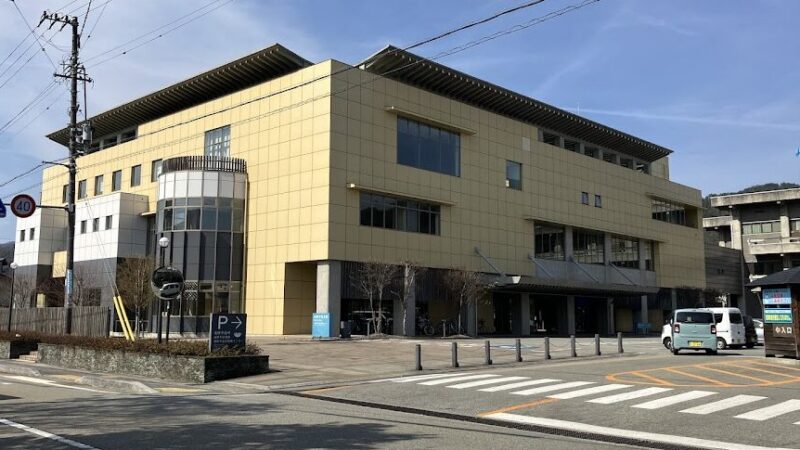
Hida City Library is the model for the library that Taki visits to research information about Itomori Town and the comet fall. In the film, the library’s exterior and interior atmosphere are depicted, and it becomes the stage for the important scene where Taki researches past newspaper articles.
The actual Hida City Library is a relatively new facility that opened in 2010, characterized by an open design that conveys the warmth of wood. Since the film’s release, many fans have visited, and the library staff warmly welcomes pilgrims.
Notes for Visiting
- Address: 2-22 Honmachi, Furukawa-cho, Hida City, Gifu Prefecture
- Opening Hours: Weekdays 10:00-18:00, Weekends/Holidays 10:00-17:00
- Closed: Mondays, day after holidays, year-end/New Year period
- Photography: Photography inside the library requires permission from the reception desk
The library is a public facility where local residents actually use the space. When photographing, always obtain permission at the reception desk, maintain quiet, and be considerate of other users. Photography may be restricted in certain areas of the library, so it’s recommended to check in advance.
Ketai Wakamiya Shrine
One of the Models for Miyamizu Shrine
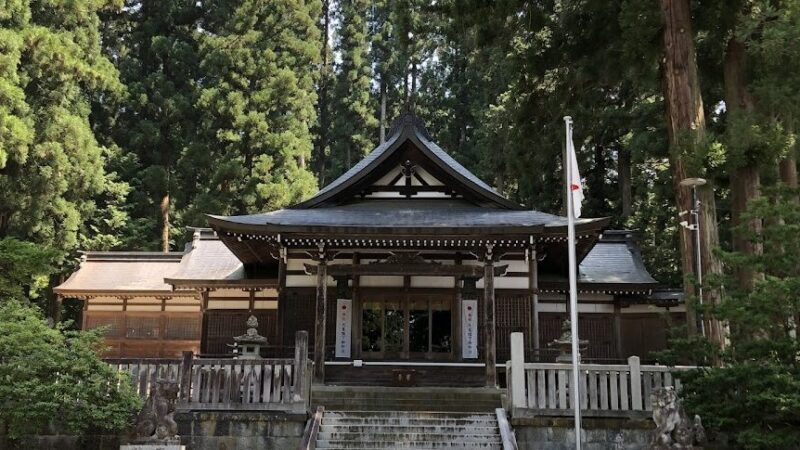
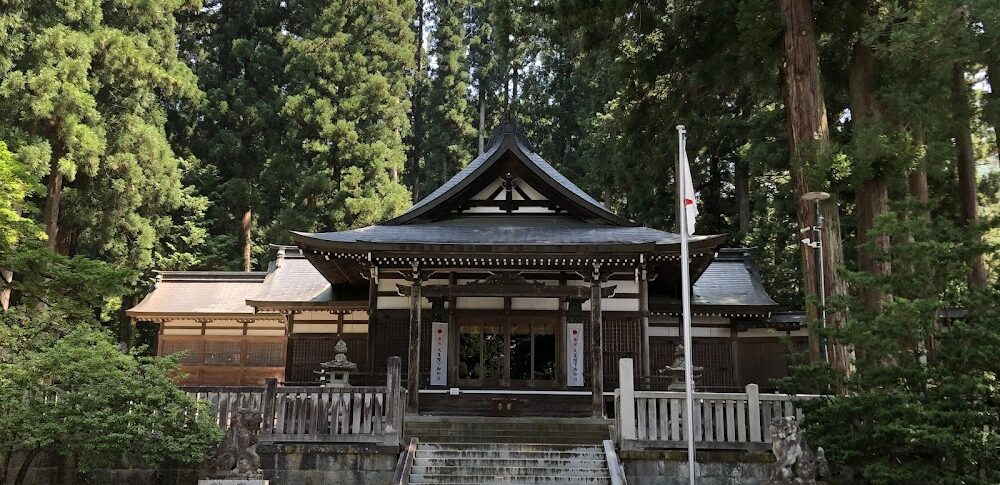
Ketai Wakamiya Shrine is one of the shrines said to be a model for the Miyamizu Shrine that appears in the film. Located on a hilltop overlooking the town of Hida Furukawa, the shrine buildings are at the top of a long stone stairway. In the film, this becomes an important stage where Mitsuha serves as a shrine maiden and offers kuchikamizake (chewed rice), and the atmosphere and character of Ketai Wakamiya Shrine are incorporated into the film’s version of Miyamizu Shrine.
The view from the shrine is wonderful, allowing for a panoramic view of the Hida Furukawa townscape. The scenery at dusk is particularly beautiful, evoking scenes from the film.
Visiting Information
- Address: 1297 Kamiketa, Furukawa-cho, Hida City, Gifu Prefecture
- Access: About 20 minutes on foot from Hida Furukawa Station, or about 5 minutes by taxi
- Visiting Hours: Open for worship at all times
- Parking: Available (free)
The stone stairway has approximately 200 steps, with some steep sections, so it’s recommended to wear comfortable shoes. As the shrine is also a place of community worship, please respect shrine etiquette and visit quietly.
Hida Furukawa Townscape and Photography Spots
White-Walled Earthen Warehouse District and Seto River
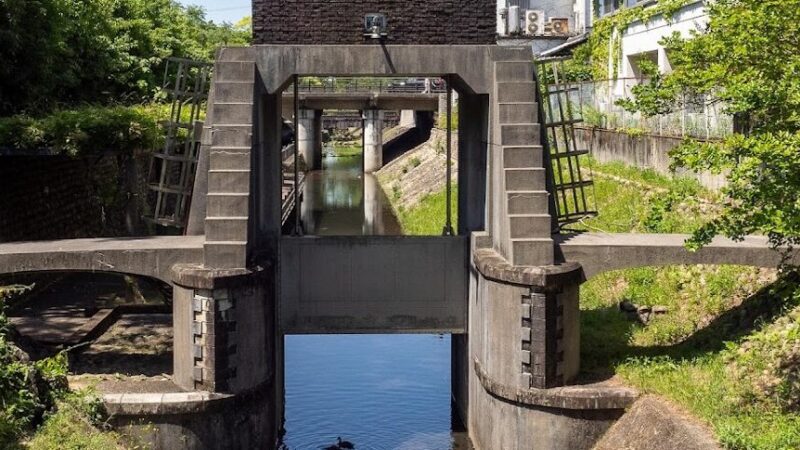
The white-walled earthen warehouse district, a representative tourist spot of Hida Furukawa, is an important element in creating the atmosphere of Itomori Town in the film. The group of white-walled earthen warehouses along the Seto River and the sight of colorful carp swimming in the river convey the essence of Japan’s traditional landscape.
Although there are few directly relevant scenes in the film, the landscape of this area is said to have been referenced as an image source for Itomori Town.
Miyakawa Morning Market and Hida Cuisine
Within walking distance from Hida Furukawa Station, there is the Miyakawa Morning Market where you can purchase fresh local vegetables and special products. Goheimochi, which appears in the film, is a local specialty of the Hida region—a mochi with a sweet and savory glaze that is delicious when grilled. Enjoying local cuisine during your pilgrimage is one of the pleasures of the journey.
Other Photography Spots
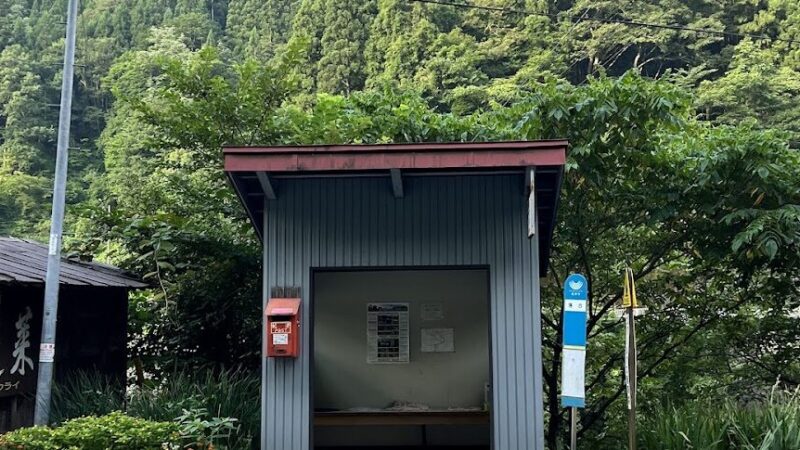
- Kakugawa Ochiai Bus Stop: Model of the scene where Taki and others get off the bus
- Level Crossing near Katamachi Clinic: Landscape of the level crossing that appears in the film
- Hida Furukawa Festival Hall: Facility where you can learn about local festival culture
Holy Sites in Takayama City
Hie Shrine (Hida Sanno Miya Hie Shrine)
Another Model for Miyamizu Shrine
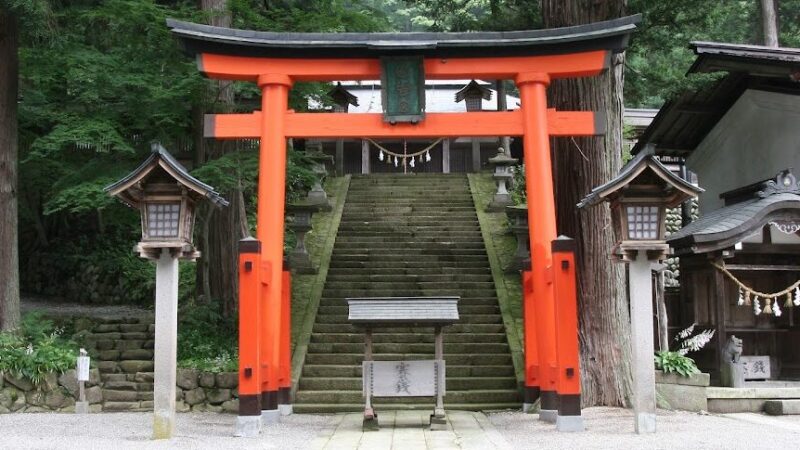
Hie Shrine located in Takayama City is visited by many fans as another model for Miyamizu Shrine. Particularly impressive is the long stone stairway leading to the main shrine building, which is said to resemble the approach to Miyamizu Shrine as depicted in the film.
The shrine grounds are wrapped in a serene atmosphere, and the shrine set amidst the rich nature of Hida embodies the world of the film. Cherry blossoms in spring and autumn foliage are beautiful, allowing you to enjoy the four seasons.
Visiting Information
- Address: 156 Shiroyama, Takayama City, Gifu Prefecture
- Access: About 20 minutes on foot from JR Takayama Station, or about 5 minutes by taxi
- Visiting Hours: Open for worship at all times
- Parking: Available (free)
The stone stairway leading to the shrine has approximately 300 steps, and upon reaching the top, a panoramic view of Takayama City unfolds. Those with concerns about physical ability can also access the shrine by car via the back approach.
Takayama City Downtown Tourist Spots
Old Town (Sanmachi Dori)
The “Old Town” in the central part of Takayama City is a historic district that retains strong echoes of the Edo period. Although not a direct holy site from “Kimi no Na wa,” it is an important tourist spot where you can experience the traditional architecture and culture of the Hida region.
Traditional townhouses line the streets, with sake breweries, miso warehouses, folk craft shops, and cafes offering food and shopping experiences. You can immerse yourself in the world of the film while experiencing Hida’s culture.
Takayama Jinya
Takayama Jinya is the former administrative office of the Edo period and is the only such building still standing in Japan. It has high historical value and allows you to learn about the history of the Hida region. Visiting it alongside your pilgrimage will deepen your understanding of the area.
Efficient Pilgrimage Model Courses
Basic One-Day Course
Morning: Concentrated Course of Hida Furukawa Area
9:00 – Arrival at Hida Furukawa Station, photography at the overpass
9:30 – Obtain pilgrimage map at the station’s tourist information center
10:00 – Visit Hida City Library (indoor photography requires permission)
11:00 – Pay respects at Ketai Wakamiya Shrine
12:00 – Stroll through the white-walled warehouse district, lunch (goheimochi or Hida beef cuisine)
Afternoon: Takayama City Area Tourism
13:30 – Travel from Hida Furukawa Station to Takayama Station by train (approximately 15 minutes)
14:00 – Pay respects at Hie Shrine
15:30 – Stroll through the old town of Takayama City
17:00 – Purchase souvenirs around Takayama Station
This course is a basic plan using public transportation. The length of stay at each spot is an estimate, so adjust as your interests dictate.
Efficient Course Using Taxi
The spots in the Hida Furukawa area can be visited on foot, but if you want to make efficient use of time or have concerns about physical endurance, using a taxi is recommended. Some local taxi companies offer courses dedicated to “Kimi no Na wa” pilgrimages.
Medix Taxi Pilgrimage Course
Medix Taxi, which appears in the film, offers dedicated pilgrimage tours. Starting from Hida Furukawa Station, you can efficiently visit Ketai Wakamiya Shrine, the Kakugawa Ochiai bus stop, the level crossing near Katamachi Clinic, Hida City Library, and more.
- Duration: Approximately 2-3 hours
- Fare: Inquire with the taxi company
- Reservations: Advance reservation recommended (especially during busy periods)
The driver is familiar with the area and can explain scenes from the film, making this especially recommended for first-time visitors.
Two-Day Course for a Thorough Experience
Day 1: Complete Exploration of Hida Furukawa Area
Spend the morning visiting the main spots and the afternoon leisurely exploring the white-walled warehouse district area. Enjoy local Hida cuisine while savoring the atmosphere of the town. In the evening, viewing the sunset from Ketai Wakamiya Shrine is also recommended.
Day 2: Takayama City Tourism and Surrounding Exploration
Start with a visit to Hie Shrine and then tour Takayama City’s tourist spots. If time allows, you can also visit peripheral tourist destinations such as Hida no Sato (an open-air museum of gassho-zukuri farmhouses) or the Shin-Hotaka Ropeway.
With two days, you can fully enjoy not only the pilgrimage sites but also the nature, culture, and cuisine of the Hida region.
Access Methods and Transportation
Access to Hida Takayama/Hida Furukawa
By Train
- From Tokyo: Tokaido Shinkansen to Nagoya Station (approximately 1 hour 40 minutes) → Limited Express Wide View Hida on the JR Takayama Main Line to Takayama Station (approximately 2 hours 20 minutes)
- From Osaka: Tokaido Shinkansen to Nagoya Station (approximately 50 minutes) → Limited Express Wide View Hida on the JR Takayama Main Line to Takayama Station (approximately 2 hours 20 minutes)
- From Kanazawa: Limited Express to Toyama Station → JR Takayama Main Line to Takayama Station (approximately 1 hour 30 minutes)
From Takayama Station to Hida Furukawa Station, take the local train on the JR Takayama Main Line for approximately 15 minutes. With about 1-2 trains per hour, it’s recommended to check the timetable in advance.
By Car
- From Tokyo: Chuo Expressway → Nagano Expressway → National Route 158 (approximately 5 hours)
- From Nagoya: Tokai-Hokuriku Expressway to Takayama IC (approximately 2 hours)
- From Kanazawa: Tokai-Hokuriku Expressway to Takayama IC (approximately 1 hour 30 minutes)
Traveling by car offers flexibility and allows you to visit each spot efficiently. However, winter snow and icy roads are concerns, so studless tires are essential.
By Highway Bus
Direct highway buses operate to Takayama from major cities such as Tokyo, Osaka, and Nagoya. Using an overnight bus allows you to save on accommodation while starting your tour early in the morning.
Transportation Within the Area
On Foot
The main pilgrimage spots near Hida Furukawa Station are within walking distance. From the station to Hida City Library is about a 10-minute walk, and to Ketai Wakamiya Shrine is about 20 minutes. As the town is compact, you can leisurely explore while walking.
Rental Bicycles
Rental bicycle services are available in front of Hida Furukawa Station and at the tourist information center. Using a bicycle allows you to cover a wider area more efficiently than walking and enjoy feeling the nature of Hida.
Local Buses
Local buses operate within Hida City, but with limited service, it’s necessary to check the timetable in advance. For major tourist spots, walking or taxi access is more convenient.
How to Enjoy Pilgrimage and Etiquette
Photography Precautions
Etiquette in Public Places
Many of the sites that have become pilgrimage destinations are places that local residents use daily. Avoid being so focused on photography that you obstruct passage or trespass on private property.
- At public facilities like stations and libraries, be considerate of other users
- Respect photography restrictions and time limitations
- Avoid loud noises, long-term occupation of spaces, or other disruptions
- When using tripods, ensure the surrounding area is safe
Shrine Visiting Etiquette
Shrines such as Ketai Wakamiya Shrine and Hie Shrine are places of community worship, so visit with respect.
- Bow when passing through the torii gate
- Walk on the sides of the approach, as the center is said to be the path of the gods
- Purify your hands and mouth at the water basin before worshiping
- Photograph only in permitted areas, maintaining the sacred atmosphere
Consideration for Local Communities and Contributions
Contributing to the Local Economy
When visiting for pilgrimage, you can contribute to the local economy by eating at local restaurants and purchasing souvenirs. Enjoying local cuisine like Hida beef, goheimochi, and Takayama ramen, or selecting traditional crafts as souvenirs, allows you to know the region’s charm more deeply.
Environmental Conservation Cooperation
Always take your trash with you and be mindful not to damage the natural environment or scenery. Beautiful townscapes and nature are preserved through the efforts of local people. As a visitor, it’s important to respect that value and have the awareness to preserve it for future generations.
Tips for Deeper Enjoyment
Preview the Film
It’s recommended to rewatch the film before heading to the pilgrimage sites. Knowing which scenes feature which locations will multiply your emotional response at the actual site. Saving screenshots of particularly impressive scenes allows you to recreate them from the same angles.
Learn About Local History and Culture
The Hida region is known for its woodworking and architectural techniques and has a rich traditional culture. By learning about the region’s history and culture beyond just visiting pilgrimage sites, your travel experience becomes more enriched. Visiting the Hida City Library or Takayama museums to learn about the area is also recommended.
Enjoy Seasonal Scenery
The Hida region has distinct seasons, each showing a different face. Spring brings cherry blossoms, summer displays fresh greenery, autumn showcases fall foliage, and winter offers snowy landscapes. Visiting at different times allows you to enjoy completely different scenes. There are always new discoveries no matter how many times you visit.
Accommodation and Dining Information
Recommended Accommodation Areas
Takayama City Center
Takayama has a variety of accommodation types including hotels, traditional inns, and guesthouses. Staying near the old town allows you to enjoy evening strolls and the quiet townscape early in the morning. Many accommodations with hot springs are available for relaxing after sightseeing.
Hida Furukawa Area
Hida Furukawa has small traditional inns and family-run accommodations, offering a homey atmosphere for interaction with locals. Staying close to the pilgrimage sites allows you to photograph during early morning hours with fewer crowds.
Suburban Resort Hotels
The Hida Takayama area has resort hotels and pensions surrounded by nature. Recommended for those seeking a quiet environment and leisurely stay. Though car travel is required, staying in the midst of great nature provides a special experience.
Hida Cuisine
Hida Beef
Hida beef, a leading brand of the Hida region, is characterized by fine marbling and tender meat quality. It can be enjoyed as steak, grilled meat, sukiyaki, hot pot, and more. Takayama has numerous Hida beef specialty restaurants, and affordable options like Hida beef skewers and Hida beef nigiri sushi are also popular.
Goheimochi
Goheimochi, which appears in the film, is a local specialty made of cooked rice patted and placed on a stick, then glazed with a sweet and savory sauce and grilled. Characterized by a savory glaze aroma and chewy texture, it’s perfect for snacking.
Takayama Ramen
Takayama ramen is a local ramen of the Hida region featuring a light soy-based broth with thin curly noodles. Though simple, it has deep flavor and has been cherished by locals for years.
Honoba Miso
A local dish where miso, vegetables, mushrooms, and Hida beef are placed on a magnolia leaf and grilled. The aroma of the magnolia leaf imparts a unique flavor to the ingredients. Offered at many inns and restaurants, it’s a signature dish representing Hida’s food culture.
Nearby Tourist Attractions
Shirakawa-go
The thatched-roof farmhouse village of Shirakawa-go, registered as a UNESCO World Heritage site, is located approximately 50 minutes by car from Takayama City. The beautiful village, representing Japan’s original landscape, shares charm with the world of “Kimi no Na wa” and is worth visiting along with your pilgrimage.
Shin-Hotaka Ropeway
The Shin-Hotaka Ropeway, which ascends to an observation deck at 2,156 meters elevation, is a popular tourist spot for enjoying the magnificent scenery of the Northern Japanese Alps. Located approximately one hour by car from Takayama City, the panoramic view of nature is spectacular.
Hida no Sato
An open-air museum preserving and displaying traditional Hida dwellings including thatched-roof farmhouses. You can experience traditional lifestyles and crafts, deepening your understanding of Hida culture. Located approximately 10 minutes by car from Takayama City center with good accessibility.
Kamikochi
Kamikochi, Japan’s leading alpine resort, is located approximately 1 hour 30 minutes from Takayama City by car and bus. The clear Azusa River, the majestic Hotaka mountain range, and the view from Kappabashi Bridge are among Japan’s finest scenic spots.
Seasonal Enjoyment
Spring (March – May)
During cherry blossom season, shrine grounds and riversides are painted in beautiful pink. The cherry blossoms at Ketai Wakamiya Shrine and Hie Shrine are particularly spectacular, allowing you to enjoy pilgrimage and flower viewing simultaneously. The Takayama Festival (Spring Sanno Festival) is held from late April to early May, with splendid floats parading through town.
Summer (June – August)
The season of fresh green beauty when Hida’s nature is most vibrant. Summers are relatively cool and comfortable. The Furukawa Festival of Hida Furukawa runs from late July to early August, offering contact with local traditional culture.
Autumn (September – November)
Autumn foliage season is when the Hida region shines most beautifully. Shrine approaches and mountains are painted in reds and yellows, offering a fantastical atmosphere different from the film’s scenes. The Takayama Festival (Autumn Hachiman Festival) is held in October.
Winter (December – February)
The snowy Hida townscape is truly the world of the film itself. Pilgrimage amid the quiet, snow-covered landscape becomes a special experience. However, attention to snowfall and road icing is necessary, and thorough cold-weather preparation is essential.
Conclusion
The Hida Takayama and Hida Furukawa areas, known as pilgrimage sites for “Kimi no Na wa,” are attractive destinations not only for film fans but for all travelers seeking traditional Japanese culture and beautiful nature.
By visiting spots including Hida Furukawa Station, Hida City Library, Ketai Wakamiya Shrine, and Hie Shrine that appear in the film, you can enjoy the rich history, culture, and delicious cuisine of Hida. Through pilgrimage, you can relive the film’s world, discover regional charm, and form connections with local people.
When visiting, it’s important to show respect for the community and follow proper etiquette. Beautiful scenery and culture are preserved through local efforts. As visitors, we should participate in this with awareness while enjoying our pilgrimage.
The Hida region, displaying different faces with each season, offers new discoveries no matter how many times you visit. With the emotion of “Kimi no Na wa” in your heart, why not embark on a trip to Hida Takayama and Hida Furukawa? It’s sure to be an unforgettable memory.